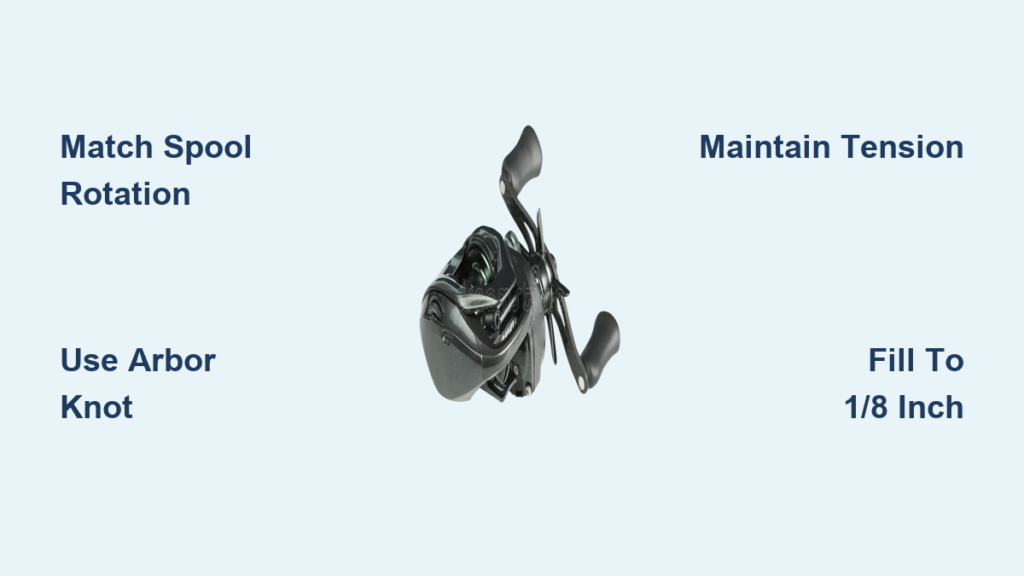
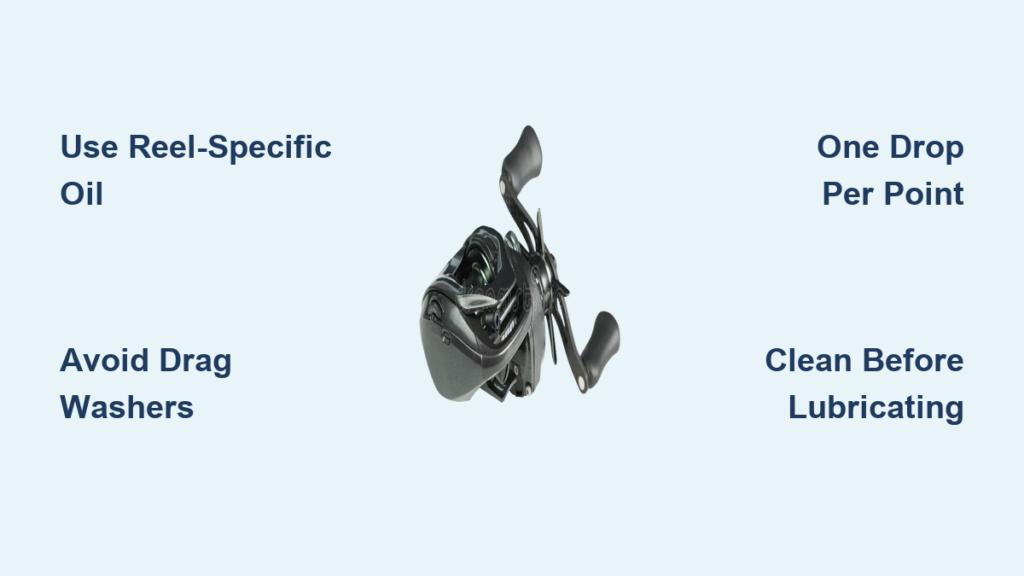
If your baitcasting reel has become stiff, produces grinding noises, or no longer casts as far as it once did, it likely needs lubrication. Oiling a baitcasting fishing reel restores smooth operation, extends the reel’s lifespan, and can improve casting distance by up to 30%. Many anglers neglect this simple maintenance, yet it takes only a few minutes and transforms a sluggish reel into one performing like new. This guide covers exactly where to apply oil, which lubricants to use, and how to avoid common mistakes that damage internal components.
You will learn the proper lubrication points, step-by-step procedures, and maintenance schedules that keep your baitcasting reel performing at its best season after season.
Why Lubrication Matters for Your Reel
Performance Benefits
Regular oiling reduces internal friction between gears, bearings, and moving parts. A well-lubricated baitcasting reel delivers smoother casting, quieter operation, and significantly longer lifespan. Without proper care, dust, grit, and oxidized metal mix with old grease, creating abrasive sludge that accelerates wear and can ruin a high-end reel within two seasons.
The key benefits include smoother handle turns and level-wind movement, reduced friction for increased casting distance, protection against corrosion in saltwater environments, and fewer backlashes due to freer spool rotation.
Signs Your Reel Needs Oil
Your reel needs attention when the handle feels gritty or stiff, the level-wind drags or hesitates during use, casting distance has noticeably decreased, the push-button does not release smoothly, or visible dryness or metal dust appears inside accessible areas.
Choosing the Right Lubricants

Oil for Fast-Moving Parts
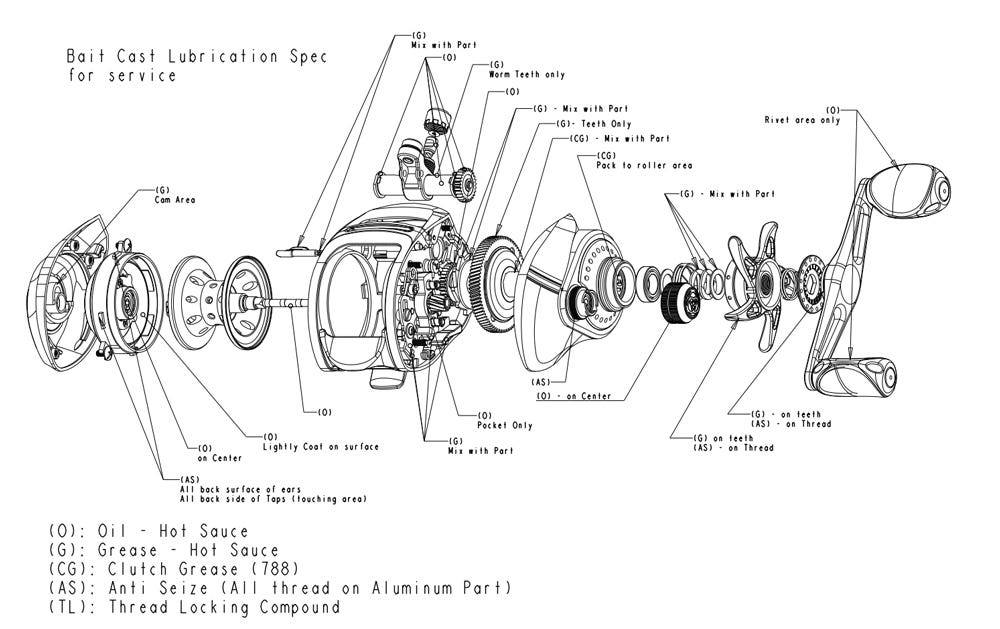
Use only reel-specific oils on bearings, pivots, and components that move quickly. Lucas Real Oil provides a thick, non-migrating formula ideal for pivot points. Carl’s Reel Care Kit oil stays clean, resists gumming, and lasts long without attracting dirt. Apply exactly one drop per lubrication point.
Grease for Gears and Slow Components
Apply Pen Precision Reel Grease to gear teeth, worm shafts, and slow-moving mechanisms. This temperature-stable grease withstands heavy loads and provides durable protection. Coverage should reach approximately 20% of gear tooth surface or about one-quarter turn from the grease tube.
What to Avoid
Never use WD-40, motor oil, or household lubricants. These products degrade seals, attract dirt, and evaporate quickly, leaving components unprotected and potentially causing damage.
When to Oil Your Baitcasting Reel
Frequency Guidelines
Lubrication timing depends on how you use your reel. For freshwater fishing with occasional use, oil every three to six months. Heavy freshwater use or frequent trips require lubrication every two to three outings. Saltwater or humid environments demand oiling after every trip, with full service every three to four months.
Preventive Maintenance Timing
Lubricate before problems appear. Preventative care always outperforms reactive repairs. If your reel has sat unused for an extended period, apply fresh lubricant before your next fishing trip.
Tools Needed for Reel Maintenance
Essential Equipment
Gather these items before starting. A microfiber towel protects the reel and keeps parts organized. Reel cleaning spray removes grime without damaging seals. A precision oiler or dropper ensures single-drop accuracy. Soft-bristle brushes clean gear teeth and rails safely. Cotton swabs and lint-free wipes reach tight spaces. A small flat-head screwdriver or punch removes retaining pins. Masking tape secures the fishing line during service.
Preparing Your Reel for Oil
Securing and Cleaning
First, tape the line end to the spool using masking tape to prevent tangles during disassembly. Alternatively, remove the line completely for deep cleaning. Wipe down the exterior using a damp cloth or mist cleaning spray on a paper towel. Never spray directly on the reel. Work on a clean, dry surface with good lighting, placing the reel on a microfiber towel to prevent scratches.
Critical Warning
Never submerge the reel in water. Moisture can ruin internal components, damage seals, and cause corrosion that ruins the reel permanently.
Lubricating Key Points on Your Reel
Push-Button Clutch
Push the button in and out to expose both pivot ends. Apply one drop of oil to the top corner on each side. Engage and disengage the button 10 to 15 times to work in the oil. Wipe away excess to prevent dust buildup. This step fixes stiff casting release and improves spool release consistency.
Level-Wind Mechanism
Turn the handle until the level-wind is centered. Apply one drop of oil to each end of the worm shaft and on both sides of the slider rail. Reel the handle back and forth 10 to 15 times to spread the oil. If accessible, add a tiny dab of grease to the worm gear teeth. On Shimano SLX and similar models, do not oil gear ports since they are sealed for life.
Handle Bearings
Apply one drop of oil at the base of each handle where the arm connects via a bearing. Rotate the handle fully in both directions to distribute the oil. Wipe off excess to prevent sling-off when fishing. If the handle wobbles, lubrication will not fix wear from damage.
Internal Bearings and Spool
Remove the side plate using the appropriate method for your brand. Shimano uses a rear tab, Daiwa uses screws, and Abu Garcia uses a braking knob or punch for a pin. Apply one precise drop of oil directly onto the internal bearing. Remove the spool carefully, noting alignment, and apply one drop of oil to the bearing on the spool’s opposite side and into the center hole where it spins on the spindle.
Critical Warning
Keep oil away from drag washers. Even a small amount reduces friction and causes backlashes and lost fish.
Tension Knob
Apply one drop of oil into the side opening near the tension knob base. Slowly turn the handle to wick oil inward onto the shaft bearing. Do not force removal of the tension knob, as this risks damaging the star drag or gasket.
Spindle and Gear Train
Apply a thin coat of grease to the spindle using a brush for smooth spool spin. For the gear train, apply Pen Precision Grease covering 20% of tooth surface. Turn the handle to rotate gears and spread grease evenly. Move the level-wind to the opposite side and reapply if needed for full coverage.
Exterior Bearings
Some reels have a bearing at the bottom of the frame. Apply one drop of oil to the race and spin the component to work in the lubricant.
Reassembling After Oil Application
Careful Reinstallation
Reinstall the spool by aligning it with pins or notches. Ensure it seats fully and spins freely. If resistance exists, check for debris or misalignment. Replace the side plate by aligning it properly before securing using tabs, screws, braking knobs, or retaining pins. If the plate does not sit flush, the spool is misaligned. Re-seat and retry.
Reattach the tension knob last to prevent binding. Turn it smoothly to confirm no drag interference. Finally, untape or reattach the fishing line and check for tangles before testing.
Testing Your Work
Final Quality Check
After reassembly, turn the handle slowly. It should feel smooth and silent. Press the push-button. It must engage and disengage cleanly. Slide the level-wind by hand. It should glide without resistance. Wipe off any visible oil or grease on exterior surfaces.
Make a test cast. The spool should release freely, braking should feel consistent, and there should be no grinding or hesitation. A properly serviced reel performs noticeably better, with smoother operation, quieter function, and longer casts.
Common Mistakes to Avoid
Errors That Damage Reels
Over-oiling attracts dirt and creates sludge. Use one drop only per point. Using WD-40 degrades seals and evaporates quickly. Use only reel-specific oil. Oiling drag washers causes slippage and backlashes. Keep oil away from the drag stack. Forcing disassembly breaks gaskets and bends parts. Follow the guide and do not rush. Skipping cleaning lets old gunk ruin fresh lubricant. Clean before every oiling session. Mixing oil and grease on gears thins the grease and loses protection. Use oil for bearings and grease for gears only.
Maintaining Your Reel Long-Term
Ongoing Care
Regular oiling extends reel life up to 10 to 20 years with consistent care. Reels serviced every two to three outings last three to five times longer than neglected ones. After saltwater use, rinse with freshwater, then dry and relubricate key points. Store in a cool, dry place and remove line for long-term storage to prevent memory and drag binding.
For saltwater anglers, the same oiling principles apply after every trip. Freshwater anglers can follow the standard three to six month schedule.
Frequently Asked Questions About Oiling a Baitcasting Reel
How often should I oil my baitcasting reel?
Oil every three to six months for freshwater occasional use. Heavy freshwater or frequent trips need oiling every two to three outings. Saltwater or humid environments require oiling after every trip with full service every three to four months.
Can I use WD-40 on my fishing reel?
Never use WD-40 on fishing reels. It degrades seals, attracts dirt, and evaporates quickly, leaving components unprotected. Use only reel-specific oils and greases designed for fishing equipment.
What happens if I get oil on the drag washers?
Oil on drag washers reduces friction and causes inconsistent braking, leading to backlashes and lost fish. Keep oil away from the drag stack entirely. If oil contacts the drag system, seek professional cleaning.
Do I need to remove the side plate to oil my reel?
Removing the side plate provides access to internal bearings and the spool bearing. While external points like the push-button, level-wind, and handle bearings can be oiled without disassembly, internal lubrication requires side plate removal for most models.
Can I over-lubricate my baitcasting reel?
Yes, over-lubrication attracts dirt, creates sludge, and can cause excess oil to migrate to gears or the drag system. Use exactly one drop of oil per point and apply grease sparingly, covering only 20% of gear tooth surface.
Key Takeaways for Oiling Your Baitcasting Reel
Proper lubrication transforms your baitcasting reel performance. Use only reel-specific oils like Lucas Real Oil or Carl’s Reel Care Kit oil for bearings and pivots, and Pen Precision Grease for gears. Apply one drop of oil per point and keep lubricant away from drag washers. Clean the reel before oiling to prevent mixing fresh lubricant with abrasive debris. Lubricate preventatively every three to six months or after every saltwater trip. Following these steps extends your reel lifespan to 10 to 20 years while improving casting distance and reducing backlashes.