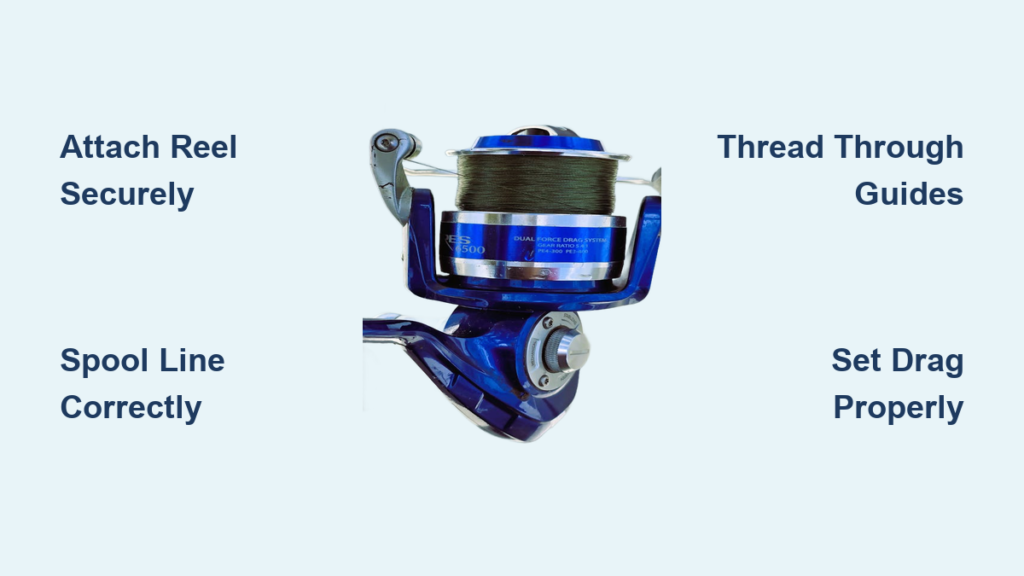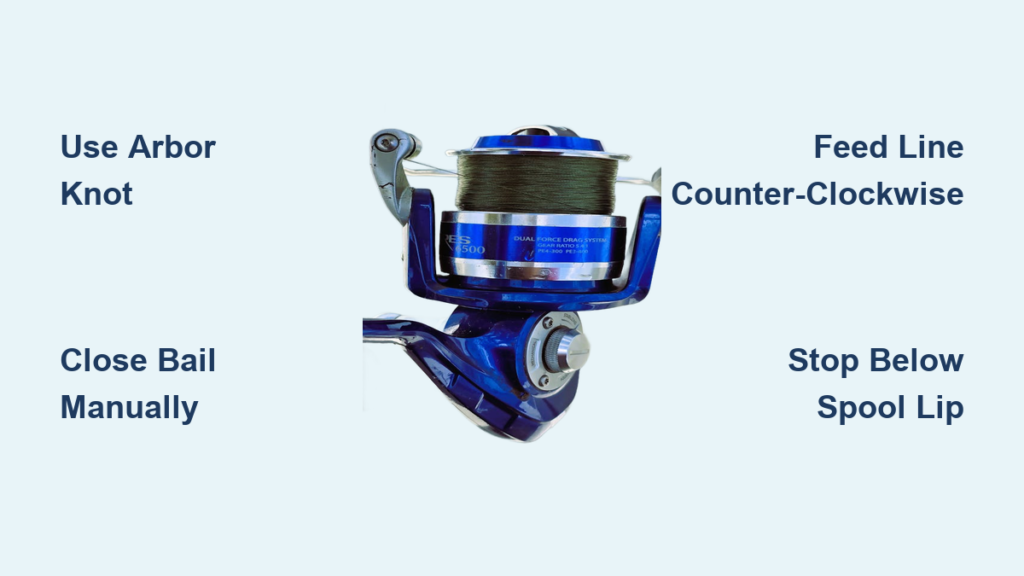
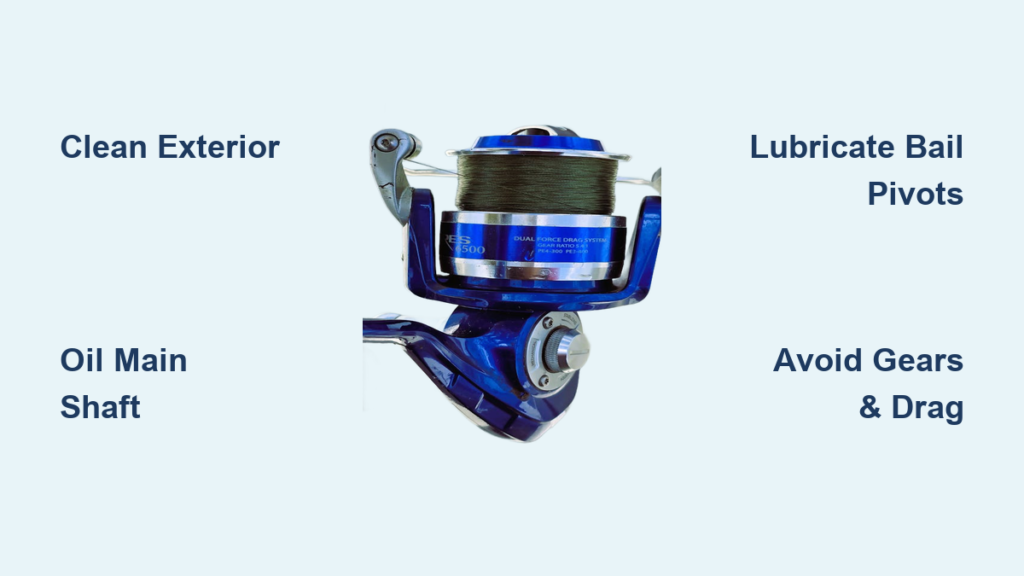
A spinning reel that turns smoothly, casts effortlessly, and retrieves reliably is the backbone of any successful fishing trip. But over time, salt, sand, and grime sap its performance, especially in moving parts like the bail, handle, and spool shaft. This guide shows you exactly how to oil a spinning fishing reel properly so you can keep your gear running like new for ten years or more.
Whether you’re a weekend angler or a saltwater warrior, this ten-minute routine pays back in reliability, casting distance, and peace of mind. You’ll learn exactly where to apply oil, which parts to avoid, and the common mistakes that ruin reels.
Clean the Reel Exterior Before Oiling
Before applying any oil, you must remove debris and salt buildup to prevent contamination. Skipping this step traps grit inside your reel when you add lubricant, creating an abrasive paste that accelerates wear.
Wipe Down After Every Use
• Dampen a lint-free cloth with fresh water. Never spray water directly into the reel.
• Wipe the entire body, handle, bail, and spool to remove surface contaminants.
• Use a soft brush or cotton swab for tight spaces like bail rollers and gear guards.
• Dry thoroughly with a clean towel.
Saltwater anglers should rinse their reel after every outing. Even brief submersion can trap moisture inside and cause corrosion over time.
Inspect for Damage Before Oiling
Check for these issues that signal your reel needs attention beyond basic oiling.
• Corrosion on the line roller or spool shaft
• Pitting or stiffness in the bail wire
• Loose screws or wobbling spool
If the reel feels gritty or stiff, a full internal service may be necessary. Move on to oiling only after cleaning and inspection are complete.
Oil the Main Shaft
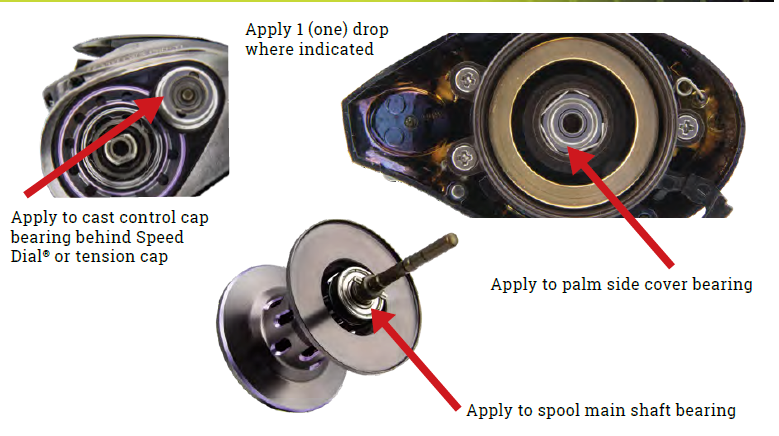
The main shaft is the heart of your reel’s smooth operation. This spindle connects the spool to the internal gearing and requires regular lubrication to spin freely.
Apply Oil to the Main Shaft
- Remove the spool by turning the drag knob counter-clockwise.
- Set aside any washers in order so you can reassemble correctly.
- Extend the shaft fully from the reel body.
- Place one drop of light reel oil at the center of the shaft.
- Crank the handle up and down ten to fifteen times to distribute oil through internal bushings.
For added performance, lift the plastic washer slightly and apply one drop between the star washer and bearing. This small step ensures smooth rotation and extends bearing life.
Pro Tip: One drop is enough. Over-oiling attracts sand and turns into sludge that actually harms your reel.
Lubricate the Bail Arm Pivots

A sticky bail ruins casting timing and creates uneven line lay. The bail arm has two pivot points that dry out quickly, especially after exposure to saltwater.
Target Both Pivot Points
• Open the bail fully to access both pivot joints.
• Locate the pivot joints on each side of the bail arm.
• Apply one drop of reel oil to each pivot point.
• Open and close the bail ten to fifteen times to work in the lubricant.
• Wipe off excess to prevent dirt buildup.
Some reels come pre-greased at pivot points from the factory. Oil is sufficient for monthly maintenance unless you are disassembling the bail assembly completely.
Service the Line Roller Bearing
A dry or corroded line roller frays your fishing line and reduces casting distance dramatically. This small component takes a beating every time you cast, yet many anglers neglect it entirely.
Oil the Internal Bearing Only
• Never oil the outer surface of the roller. Oil degrades fishing line.
• Focus on the inner bearing or sleeve where rotation actually occurs.
• Apply one drop of oil into the gap between the roller and housing.
• If the roller is removable, remove the retaining screw behind it, then disassemble in order: metal washer, bearing, roller.
• Oil the bearing and axle, then reassemble in reverse order.
• Ensure the roller spins freely after reassembly.
Inspect the roller for pitting or corrosion. Replace if damaged. This is cheap insurance against snapped lines during fights with big fish.
Oil the Handle Knob and Joint
A stiff handle wears you out during long fishing days and reduces your ability to control the fight. This area is often overlooked but receives constant pressure during use.
Lubricate the Knob Shaft
• Apply one drop of oil where the knob meets the handle shaft.
• Rotate the handle to distribute the oil throughout the connection.
• This works for both bearing-equipped and friction-collar knobs.
Service Foldable Handle Joints
• If your handle folds, apply one drop at the pivot point.
• Move the handle back and forth to work in the lubricant.
• Wipe excess oil from the exterior.
This small step prevents long-term stiffness and significantly reduces wear on the handle mechanism.
Access and Oil Handle Bearings
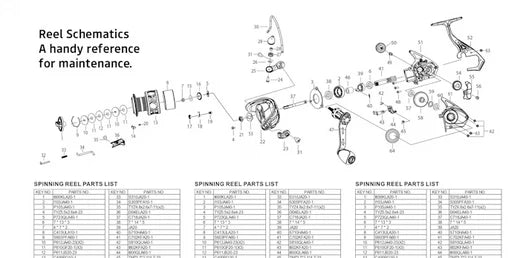
Internal handle bearings are often overlooked but critical for smooth cranking. These bearings support the main drive gear and bear the load of every retrieve.
Remove the Handle Correctly
Two handle types require different removal approaches.
Wind-on handle: Unscrew counter-clockwise by hand. The shaft threads directly into the reel body.
Through-pin handle: Remove the side cap first, then extract the securing pin. Never force the pin out. Forcing damages internal gears or bearings.
Apply Oil to Bearing Cavities
• After removal, expose the circular bearings on both sides of the reel body.
• Apply one drop of oil to each bearing cavity.
• For wind-on handles, also oil the outer ring of the shaft on both sides. Avoid the center hole.
• Reinstall the handle clockwise until snug.
• Replace and tighten the side cap securely.
Many anglers lose side caps because they fail to tighten properly after oiling. Snug is enough. No need to over-torque.
Oil Side Cap Bearings
Some reels have external bearings located on the side cap. These rotate with the spool and require the same attention as internal components.
Apply Oil to Outer Surface
• Remove the side cap carefully.
• Apply one drop of oil to each bearing’s outer edge only. Do not inject oil into the center hole.
• Reattach the cap and tighten properly.
This maintains smooth rotation and prevents corrosion, especially important in saltwater environments.
Never Make These Critical Mistakes

Oiling seems simple, but common errors can permanently damage your reel. Knowing what to avoid is just as important as knowing where to apply lubricant.
Never Oil the Gears
• Gears require grease, not oil.
• Oil causes slippage, poor power transfer, and accelerated wear.
• Use reel-specific grease on the drive gear, pinion gear, oscillation gear, and slider guide pin.
• Apply grease only to contact surfaces. Avoid over-application.
Never Lubricate the Drag System
• Drag washers must stay dry. This includes carbon, felt, and composite washers.
• Oil or grease causes slippage under pressure, literally losing trophy fish.
• If washers are dry or warped, use drag-specific grease sparingly. Only use oil as a last resort.
• Never mix grease types in the drag system.
On models like Lew’s Speed Spin, drag washers are pinned in place and do not require disassembly during routine service.
Lubricate the Reel Seat
A seized reel seat damages your rod and frustrates setup. This connection point sees constant moisture exposure and requires protection.
Apply Light Oil to Threads
• Remove the reel from the rod before servicing.
• Apply a light coat of oil to the top and bottom threads of the seat.
• One drop at the base where the reel contacts the rod helps prevent moisture buildup.
• Reinstall with an oiled seat to ensure easy removal next time.
This step takes seconds but prevents huge headaches when you need to change rods or remove a stuck reel.
Optional: Exterior Protective Coating
Adding a moisture barrier extends your reel’s life, especially in harsh saltwater conditions. This step is optional but highly recommended for salt anglers.
Wipe with Oiled Cloth
• Dampen a lint-free cloth with a small amount of reel oil.
• Lightly wipe the entire reel body.
• Avoid the drag adjustment knob, bail trip mechanism, and button openings.
This creates a corrosion-resistant layer without risking internal contamination. Less is more here.
Deep Maintenance: Internal Servicing
Internal servicing is reserved for seasonal care or after your reel has been submerged. This level of maintenance requires disassembly and should be done carefully.
When to Disassemble Your Reel
• At the start and end of each fishing season
• After dropping the reel in water
• When the handle feels gritty or you hear grinding noise
Step-by-Step Internal Greasing
- Prepare your workspace with a clean surface and trays for screws. Have a manufacturer diagram available.
- Remove the rear trim and check for hidden screws underneath.
- Remove the bail assembly by taking off the spool and spool cap, then removing the rotor nut retainer screw. Loosen the rotor nut, which is often reverse-threaded and tightens clockwise.
- Access the side plate by removing body head cover screws. Watch for the anti-reverse lever spring, which may pop out.
- Apply grease to internal components. Use a light coat on the slider pin. Apply a small dollop of grease to gear teeth. Grease the pinion gear base where it meshes with the drive gear.
- Reassemble in reverse order and test handle rotation, bail movement, and drag smoothness. Work the handle for thirty seconds to distribute grease.
Label all screws by location during disassembly. Never mix screw lengths. Hidden screws are common on most reel models.
Lubrication Frequency Guide
Consistency matters more than technique. Following a simple schedule keeps your reel in top condition year after year.
Recommended Maintenance Intervals
Monthly or every three to five uses:
• Oil main shaft, bail pivots, line roller, handle knob, and interior bearings
After every trip:
• Wipe down exterior
• Rinse with fresh water if fishing saltwater, then dry thoroughly
Twice yearly (seasonal):
• Deep clean and internal greasing
• Drag inspection
Annually or as needed:
• Full disassembly and bearing servicing
• Drag stack check
Saltwater anglers should double this frequency. Freshwater users can stretch to every two to three months between oiling sessions.
Use the Right Products
Wrong lubricants destroy reels. Using household products is the most common mistake that leads to premature failure.
Approved Products
• Lou’s Real Oil for precision external oiling
• Loos Speed Lube for needle-tip accuracy
• Shimano Reel Oil for universal compatibility
• Penn Reel Oil and Grease Kit for complete maintenance
• Shimano Spray Grease for quick gear touch-ups
• Corrosion X for saltwater protection
Products to Never Use
• WD-40 washes out and attracts moisture
• 3-in-1 oil gums up and damages seals
• Motor oil is too thick and attracts dirt
• Household grease degrades plastic components
Use only fishing-specific lubricants. One drop is enough at every application point.
Final Checks After Oiling
Before hitting the water, verify your work. A properly oiled reel performs noticeably better.
Test Before Fishing
• Rotate the handle. It should feel smooth, silent, and resistance-free.
• Open and close the bail. There should be no sticking or play.
• Pull line on the spool. Drag should offer even resistance.
• Wipe excess oil or grease from the exterior.
Reinstall and Store Properly
• Apply light oil to the reel seat before mounting on your rod.
• Store with the bail open to relieve spring tension and prevent line memory.
A well-oiled reel casts farther, retrieves smoother, and lasts decades with proper care.
Frequently Asked Questions About Oiling a Spinning Fishing Reel
How often should I oil my spinning reel?
Oil your spinning reel monthly or after every three to five uses. Wipe down the exterior after every fishing trip, especially if you fish in saltwater. Deep service with internal greasing should happen twice yearly at the start and end of each fishing season.
Can I use WD-40 on my fishing reel?
Never use WD-40 on a fishing reel. It washes out quickly, attracts moisture, and damages seals. WD-40 is a water displacer, not a lubricant. Use only fishing-specific reel oils like Lou’s Real Oil, Shimano Reel Oil, or Loos Speed Lube.
What happens if I over-oil my reel?
Over-oiling attracts sand and dirt, creating abrasive sludge that accelerates wear. Excess oil also drips into areas that should remain dry, like the drag system. One drop is enough at every lubrication point.
Should I oil the drag washers on my spinning reel?
Never oil the drag washers. Drag washers must stay dry to maintain friction. Oil causes slippage, meaning your drag will not hold when a big fish runs. Only use drag-specific grease if the washers need lubrication, and apply it sparingly.
Can I submerge my reel to clean it?
Never submerge your reel, even briefly. Submersion allows water and sediment into internal cavities, leading to long-term corrosion and damage. Wipe down with a damp cloth instead, and rinse only by wiping with fresh water.
Key Takeaways for Oiling Your Spinning Reel
Oiling your spinning reel is not complicated, but doing it correctly requires knowing what to avoid. Never oil the gears or the drag system. Use only fishing-specific lubricants and apply one drop at each point. Clean the exterior before oiling, and wipe away excess afterward.
Maintain a simple schedule: wipe down after every trip, oil key points monthly, and deep service twice a year. This ten-minute routine protects your investment, prevents breakdowns, and keeps your reel casting smoothly for ten years or more. Your gear performs better when you take care of it, and the fish do not care what brand reel you use.