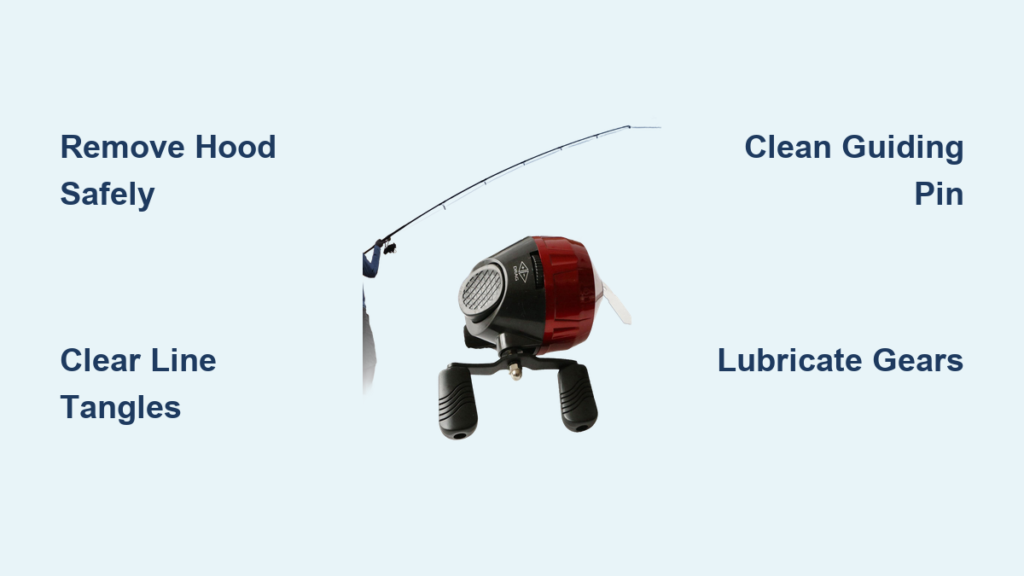
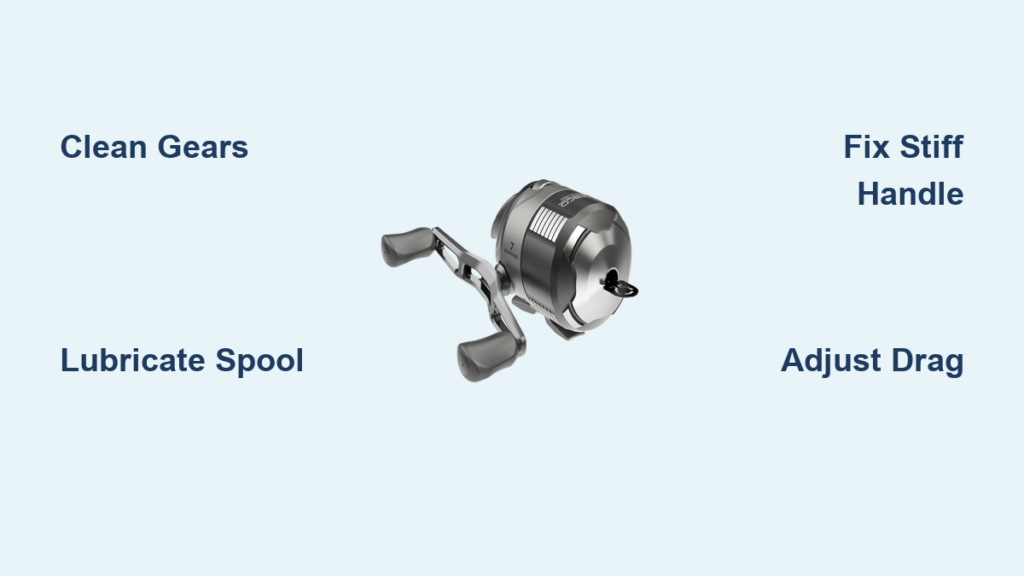
If your Zebco fishing reel isn’t reeling smoothly, won’t cast properly, or the handle feels stiff, you’re not alone. Millions of anglers rely on Zebco spincast reels like the Zebco 33, 202, and Classic models for their simplicity and reliability, but even the toughest reels need maintenance. The good news? Most issues can be fixed at home with basic tools and a little patience. Whether you’re dealing with a jammed spool, weak drag, or a frozen handle, this guide shows you how to fix a Zebco fishing reel step by step. You’ll learn how to disassemble, clean, lubricate, and reassemble your reel like a pro, plus when to repair, replace, or upgrade.
Essential Repair Tools and Preparation
Before you start, gather the right tools and set up a clean workspace to prevent losing small parts.
Tools You Will Need
Collect these items before beginning your repair. Having everything ready makes the process smoother and prevents mid-repair trips to the store.
• Flat-head screwdriver for prying caps and removing clips
• Adjustable wrench or slotted screwdriver to loosen the handle nut
• Needle-nose pliers for handling small E-clips and retainers
• Strap wrench to remove stubborn bottom housings without damage
• Q-tips and soft toothbrush for cleaning gears and pivot points
• Isopropyl alcohol or Corrosion X to remove old grease and salt
• Light reel oil and lithium-based grease for lubrication
• Paper towels and a layout tray to keep parts organized
Pro Tip: Take photos at every step. It’s easy to forget washer order or gear alignment during reassembly.
Initial Preparation Steps
Start with these preparatory steps before touching the reel internals.
- Remove the reel from your rod to access the model number stamped on the reel foot.
- Check the warranty status. Zebco offers a 1-year warranty for defects.
- Lay out all tools and supplies on a clean towel or tray.
Disassemble Your Zebco Reel
Disassembly is the key to diagnosing internal problems. Follow these steps based on your specific model.
Remove the Top Cap or Cover
The top cap protects the internal mechanism and must be removed first.
• Turn the top cap counter-clockwise about a half turn and lift straight up.
• On the Zebco 33, ensure the weep hole faces rear when reinstalling.
• If stuck, wrap pliers in cloth to avoid scratching the finish.
Extract the Spool or Retainer
The spool houses the fishing line and connects to the internal gear system.
• Zebco 33: Use a flat-head screwdriver to pry out the spool retainer.
• Zebco 202: Pull the spool straight out with the serrated end facing down.
• Note washer positions. Some have tabs that must align with shaft grooves.
Access the Internal Mechanism
With the top removed, you can now see the drag assembly and gear train.
• Zebco 33: Lift the spool to expose the drag assembly.
• Zebco 202: Remove the E-clip securing the gear train. Be careful because clips can fly out forcefully.
• Zebco Classic: Remove the one-piece internal unit to access the drag washers, spring, retainer, anti-reverse dog, and lever mechanism.
Remove the Handle and Gear Train
The handle assembly connects to the main gear that drives the spool.
- Loosen the handle nut with a wrench or slotted screwdriver.
- Remove the handle and washer.
- Extract the gear train stack, including the main gear, pinion gear, anti-reverse dog with serrated edge down, and lever mechanism.
Zebco 33 Specific: Twist off the bottom housing using a strap wrench if needed, then push the pinion gear up from the bottom. Zebco Classic: Move the elbowed plastic piece aside to free the pinion gear.
Clean All Internal Components
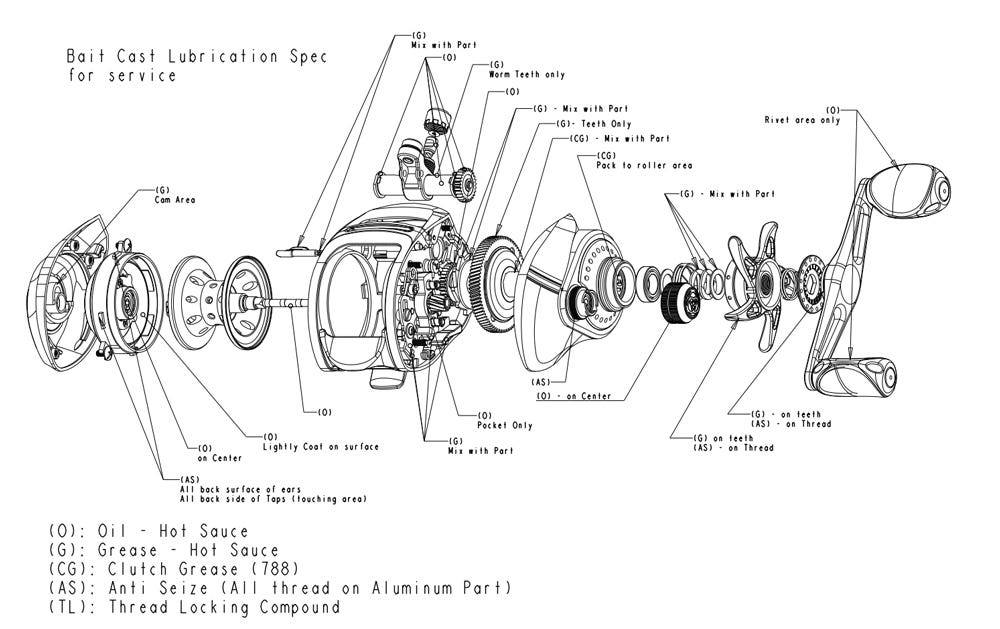
A dirty reel is the most common cause of poor performance. Thorough cleaning restores smooth operation and prevents accelerated wear.
Degrease and Scrub All Parts
Remove old grease, grime, and salt buildup using proper cleaning solutions.
• Spray isopropyl alcohol or Corrosion X on gears, shafts, and housing.
• Use a toothbrush to scrub gear teeth and crevices.
• Wipe down with Q-tips and paper towels, focusing on drag surfaces, pickup arm pivot, and anti-reverse dog.
Inspect for Damage
Check each component for wear or damage that requires replacement.
• Springs: Replace if weak or broken
• Anti-reverse dog: Look for pitting or deformation
• Gear teeth: Replace if stripped or chipped
• Drag washers: Replace if dry, cracked, or brittle
Warning: Never use water or household cleaners. They can damage plastic parts and cause corrosion.
Dry Before Reassembly
Moisture remaining on components can cause rust and binding.
• Air-dry all components completely before reassembly.
• Avoid compressed air because it can force moisture into sealed areas.
Lubricate the Right Parts
Proper lubrication ensures smooth operation. Over-greasing causes more problems than under-greasing.
Lubricate the Gear Train
Apply a thin layer of reel grease to the gear mechanism.
• Main and pinion gear teeth
• Gear shaft
• Bushing or sleeve channel
• Back side where silver contact piece meets
Rotate the crank after reassembly to spread the grease evenly.
Treat the Drag System
The drag system controls line release tension and requires specific lubrication.
• Plastic drag washer: Lightly oil to keep flexible
• Metal drag washer: Add a small amount of oil
• Drag screw threads: Lightly grease before reinstalling
Oil Pivot Points and Moving Parts
Small moving parts need light lubrication to prevent friction.
• Anti-reverse dog: Grease housing lightly
• Lever mechanism: Oil pivot points
• Spring and retainer: Light oil to prevent dry friction
Critical: Too much grease attracts dirt and causes sticky operation. Less is more.
Reassemble in Correct Order
Reassembly requires precision. Follow reverse disassembly, using your photos as a guide.
Reinstall the Gear Train
- Insert the main gear into the housing, ensuring it spins freely.
- Place the anti-reverse dog with the serrated edge facing down.
- Align gear and dog, then rotate gently to seat.
- Reinstall the E-clip fully. It must snap into the groove.
Tip: Depress the thumb release bar or angle the clicker piece aside to help the housing slide in.
Install the Pinion Gear
The pinion gear drives the spool and must be properly aligned.
• Grease pinion gear teeth, shaft, and top screw.
• Insert from the bottom, rotating slightly to align teeth.
• Reinstall the plastic side piece. Bend down, grease the edge, and snap into place.
Reattach the Bottom Housing
- Align housing with the reel foot.
- Turn clockwise until secure.
- Use a strap wrench if needed.
Reinstall the Handle
• Place washer over the shaft.
• Insert handle and tighten the nut. Snug is sufficient, not over-tightened.
• Handle should rotate freely without wobble.
Reattach Drag Components and Top Cap
- Slide tabbed washer onto drag screw, press and turn to snap.
- Add metal drag washer.
- Ensure drag lever moves freely and contacts the serrated gear.
- Zebco 33: Position weep hole at rear.
- Screw cap down counter-clockwise until secure.
- Confirm pin moves freely and tabs engage slots.
Final Tip: Add one drop of oil inside the knob. It will slowly migrate down the shaft over time.
Fix Common Zebco Reel Problems
Most issues have simple fixes. Use this guide to diagnose and treat your specific problem.
Line Won’t Reel In
This problem indicates a failure in the drive mechanism.
• Causes: Broken spinnerhead spring, stuck pickup arm, stripped gears, internal debris
• Fix: Disassemble, inspect spring and pickup arm, clean gears, replace broken parts
Handle Feels Stiff
A stiff handle usually signals lubrication problems or corrosion.
• Causes: Caked grease, corrosion, over-tightened nut
• Fix: Clean with alcohol, relubricate, loosen nut slightly
Thumb Bar Won’t Disengage
The anti-reverse mechanism may be stuck or misaligned.
• Causes: Sticky anti-reverse dog, dried grease, misalignment
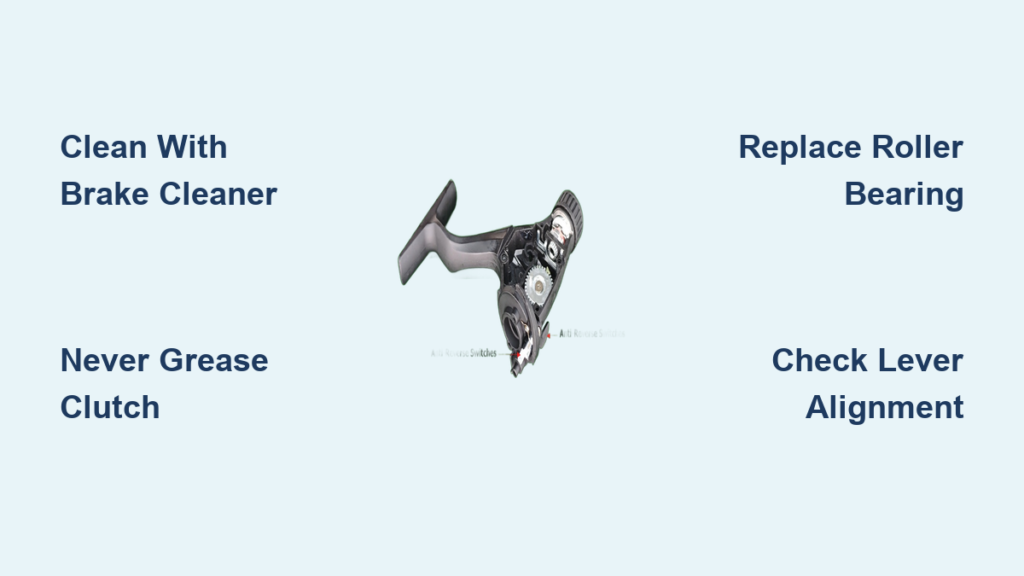
• Fix: Clean lever and dog, ensure serrated edge faces down, verify movement
Spool Won’t Spin Freely
Binding in the spool assembly restricts line release.
• Causes: Misaligned washers, tight drag, improper retainer
• Fix: Recheck washer order, ensure tabs in grooves, adjust drag
Poor Casting Distance
Several factors can limit how far your lure travels.
• Causes: Drag too tight, reel mounted backward, stiff line
• Fix: Adjust drag, mount clicker up, use supple line, fill spool to 1/8 inch below rim
Line Embedment
Line embedding into the spool causes tangles and poor casts.
• Causes: Non-oscillating spool, overfilled spool, stiff line
• Fix: Use flexible mono, avoid overfilling, consider upgrading to oscillating spool reel
Model-Specific Fixes

Each Zebco model has unique characteristics that affect repair procedures.
Zebco 33 Repair Notes
The Zebco 33 is a popular model with specific design quirks.
• Weep hole must face rear. Improper alignment causes leaks.
• Pinion gear inserts from bottom. Align teeth carefully.
• Non-oscillating spool makes it prone to line issues with stiff or overfilled line.
Zebco 202 Repair Notes
The Zebco 202 features a simpler gear train design.
• E-clip secures gear train. Remove slowly to avoid losing it.
• Serrated spool end faces down. This is critical for proper engagement.
• Thumb bar requires no adjustment. Just clean and lubricate.
Zebco Classic Repair Notes
The Classic uses an integrated mechanism that simplifies some repairs.
• One-piece mechanism removes as a unit for full access.
• Elbowed plastic piece blocks pinion gear. Move it aside during removal.
• Bushing removal requires using the main gear to twist out.
Prevent Future Issues
Keep your Zebco reel running smoothly with these maintenance habits.
Use the Right Line
Line choice significantly affects reel performance.
• Avoid stiff monofilament like standard Trilene
• Use Sufix or KastKing for better casting and less memory
• Match line test to reel specs, typically 6 to 10 pounds
Spool Correctly
Proper spooling technique prevents many common problems.
- Attach a snap swivel to the line end.
- Pull out 50 or more yards to reduce memory.
- Reel in under light tension by holding the swivel.
- Fill to 1/8 inch below the spool rim.
Pro Tip: It is critical that you properly spool these reels to prevent casting issues.
Clean After Every Use
Regular cleaning extends reel life significantly.
• Wipe down with a damp cloth after each outing.
• Rinse with fresh water after saltwater fishing.
• Dry thoroughly before storing.
Service Annually
Full service prevents gradual performance decline.
• Disassemble, clean, and relubricate once a year.
• Inspect drag washers, gears, and springs during each service.
When to Repair vs Replace
Decide based on cost, condition, and performance goals.
Repair Your Zebco If
• Issue is mechanical like a broken spring or stuck arm
• Reel is under warranty
• You prefer the lightweight, simple design
• It is a sentimental or beginner’s reel
Replace If
• Gears are stripped or housing is cracked
• Poor casting persists after cleaning and relubrication
• You want longer casts or better line control
Best Replacement Reels
Upgrade to a better-performing spincast or spinning reel when needed.
Daiwa Silvercast or Goldcast
These reels offer superior construction and performance.
• Oscillating spool reduces line embedment
• Smooth operation and durable build
• Ideal for family and beginners
KastKing Brutus
A budget-friendly option with solid performance.
• Works well with braided line
• Durable for light to medium use
Shakespeare Omega or Bullet
Rugged reels built for heavy-duty fishing.
• Oscillating spool improves line lay
• Bullet model is rugged but heavier
Consider Switching to a Spinning Reel
For better performance, consider upgrading to a spinning reel.
Benefits of Spinning Reels
• Longer casting distance
• Better line management
• Adjustable drag systems
• Dual anti-reverse options
What You Will Need
• A spinning rod because casting rods are not compatible
• Practice with thumb control, which is not needed on spincast
Final Function Check
Before fishing, verify everything works correctly.
- Handle turns smoothly with no grinding or wobble
- Thumb bar clicks freely and disengages anti-reverse
- Spool spins when casting with no binding
- Drag adjusts smoothly without sticking
- All parts are secure with no loose screws or caps
If all checks pass, your Zebco reel is ready for action.
Frequently Asked Questions About How to Fix a Zebco Fishing Reel
What causes a Zebco reel handle to feel stiff?
A stiff handle typically results from caked grease, corrosion, or an over-tightened nut. Clean the mechanism with isopropyl alcohol, apply fresh lubricant, and slightly loosen the handle nut to restore smooth rotation.
How do I fix a Zebco reel that won’t cast far?
Poor casting distance usually stems from a drag set too tight, the reel mounted backward with the clicker facing down, or using stiff monofilament line. Remount the reel with the clicker facing up, loosen the drag, and switch to a supple line like Sufix.
Can I use WD-40 on my Zebco fishing reel?
No. WD-40 can damage plastic seals and components. Use isopropyl alcohol or Corrosion X for cleaning, then apply light reel oil and lithium-based grease for lubrication.
How often should I service my Zebco reel?
Service your Zebco reel annually by disassembling, cleaning, and relubricating all components. Clean the exterior after every use, especially after saltwater fishing, and inspect for wear during each service.
What is the best line for a Zebco spincast reel?
Use supple monofilament like Sufix or KastKing. Avoid stiff lines like standard Trilene because they cause poor casting and line embedment. Match line test to your reel specifications, typically 6 to 10 pounds.
How do I know if my Zebco reel needs replacement?
Replace your Zebco reel if the gears are stripped, the housing is cracked, or casting remains poor after proper cleaning, lubrication, and spooling. Consider upgrading to a reel with an oscillating spool for better line management.
Key Takeaways for Fixing Your Zebco Fishing Reel
Proper maintenance keeps your Zebco reel performing reliably for years. Disassemble carefully by photographing each step and laying out parts in order. Clean thoroughly using isopropyl alcohol and a soft brush. Lubricate sparingly because excess grease attracts dirt and causes drag. Reassemble with attention to orientation, ensuring serrated edges face down, tabs align with shaft grooves, and the weep hole faces rear on the Zebco 33. Test all functions before your next fishing trip, and use the warranty if your reel is still within the one-year coverage period. Now that you know how to fix a Zebco fishing reel, you can keep it running like new. Tight lines!