Fishing does not require expensive gear or complicated equipment. A fishing hand line strips angling down to its essentials: a length of line, a hook, and your own two hands. This minimalist tool is lightweight, silent, and easy to build from scrap or household items, making it perfect for backpackers, survivalists, and anyone who values simplicity in the wild. Whether you craft a stick-wound hobo line, a pipe-based survival spool, or a compact container rig, you are building a self-reliant fishing system that fits in your pocket.
This guide walks you through how to make a fishing hand line using proven DIY methods, tested materials, and field-ready techniques. You will learn to choose the right line, build durable spools, rig for different fish, cast effectively, and avoid common mistakes.
Choose Your Hand Line Design
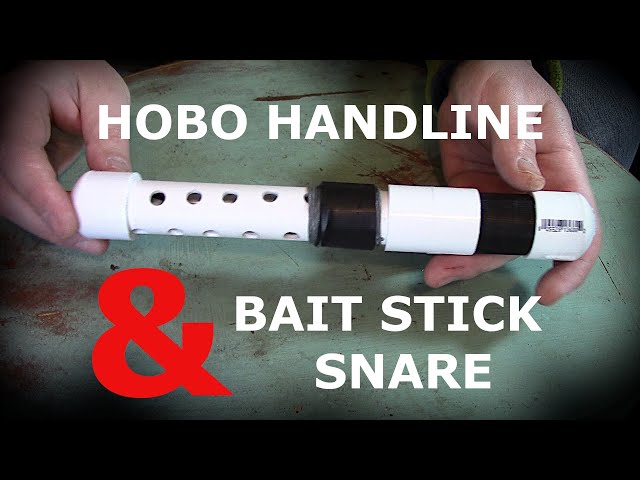
Selecting the right design depends on your intended use, available materials, and preferred level of portability. Each design offers unique advantages for specific scenarios.
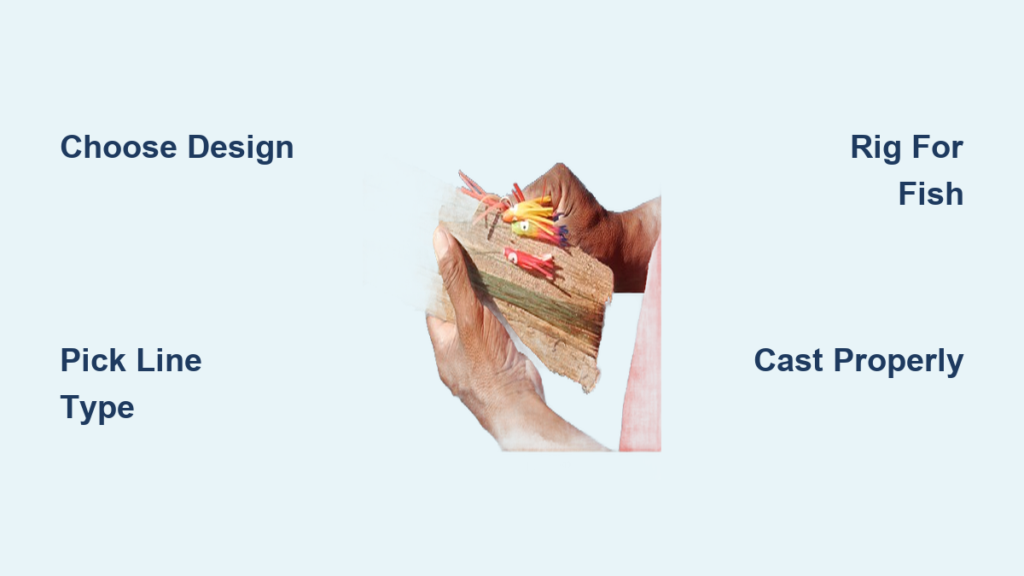
Build a Stick-Based Hobo Handline
The wooden stick handline represents the most primitive and portable version. It is ideal for bushcraft, survival kits, or emergency fishing situations where you need a tool you can build and repair with minimal tools.
Materials needed:
• A sturdy stick, 6 to 8 inches long and about 1 inch thick
• Monofilament fishing line, 15 to 30 feet
• A sharp hook
• Sandpaper or a smooth stone
• Optional: rubber band or electrical tape
Build steps:
1. Select a straight stick free of rot, cracks, or knots. Strip off any bark completely.
2. Sand the stick smooth to prevent splinters and line wear.
3. Carve a deep notch near one end to hold the line securely. Score around the perimeter to prevent blow-outs during use.
4. Drill a small storage hole in the base of the stick for spare hooks or sinkers if desired.
5. Tie a hook to the end of your line to prevent unraveling.
6. Wrap the line neatly around the carved notch, leaving enough free line for casting.
Pro tip: Use a red rubber band or electrical tape to secure the line end until you upgrade to a Ranger band made from an old bike inner tube.
Construct a Pipe-Based Hand Line
A more durable, weatherproof option uses repurposed plumbing pipe and bicycle parts. This design stores hooks, sinkers, and lures inside the hollow pipe for a complete fishing system in one tool.
Materials needed:
• 8-inch section of 22mm cold water pipe
• Two bicycle handlebar end plugs, one with a hole
• Spare bicycle handlebar grip
• Shoelace with spring-lock clip
• Small stainless steel washer
• Drill with small bit
Build steps:
1. Cut the pipe to 8 inches and deburr the edges to remove sharp spots.
2. Drill a small hole through the pipe wall near one end for threading the line.
3. Insert the solid plug into one end and the plug with the hole into the other end.
4. Thread the shoelace through the hole plug, tie a knot inside the pipe, and attach the spring-lock clip on the outside for securing to your pack or belt.
5. Slide the rubber grip over the pipe body for comfortable handling.
6. Thread the fishing line through the side hole in the pipe.
7. Tie a stainless steel washer to the line end inside the pipe to prevent slippage.
8. Wind the remaining line around the pipe body.
The hollow interior stores spare hooks, sinkers, and small lures, making this design ideal for long-term use.
Turn a Garden Dibber Into a Spool
A wooden garden dibber makes an excellent fishing spool because its indented shaft holds line securely, and the pointed end stakes into the ground for passive fishing.
Build steps:
1. Sand the dibber smooth and treat the wood with vegetable or linseed oil to preserve it.
2. Wrap braided fishing line in a figure-of-8 pattern around the indentation to prevent tangling.
3. Secure the line end with a rubber band or tape.
4. Attach a leader, hook, and float to the free end of the line.
5. Stake the pointed end into the riverbank for night fishing or passive setups.
This design has been successfully used for catching Rainbow Trout in Scottish rivers, proving its effectiveness in clear, flowing water.
Create a Container-Based Spool System
For maximum organization and protection, use a waterproof plastic box housing a rotating spool. This version is ideal for beginners or anyone who wants a clean, organized setup.
Materials needed:
• Small waterproof plastic container, approximately 4 by 2 inches
• Wide fishing spool
• Smooth stick or broken arrow shaft, 6 to 8 inches long
• Rubber bands or hair ties
• Hooks, sinkers, and floats
Build steps:
1. Insert the stick through the center of the spool.
2. Secure the spool inside the container using rubber bands on both ends to hold it in place.
3. Cut a small notch in the spool edge and thread the line through it, then through the center of the shaft. This dual-pass method locks the line during transport.
4. Store all tackle inside the container.
Pro tip: Push the shaft into the ground to stabilize the spool while re-spooling. This prevents tangles and makes line management much easier.
Pick the Right Fishing Line
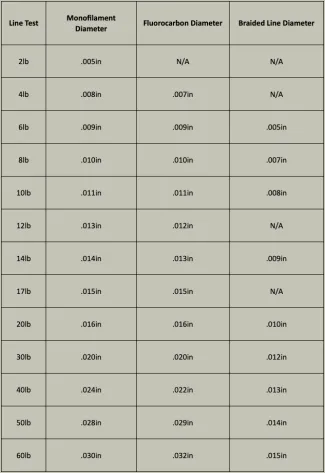
Choosing the correct line type and pound test significantly impacts your hand line performance. The right line matches your target species and fishing environment.
Line type comparison:
• Monofilament works well for beginners and general use. It offers stretch that absorbs shock, is affordable, and handles easily. This line is best for freshwater fishing in calm conditions.
• Braided line excels in heavy cover, rough water, and when targeting strong fish. It provides high sensitivity with minimal stretch and superior knot strength. Braided line lasts longer than monofilament.
• Fluorocarbon nearly disappears underwater, making it perfect for clear water and wary fish. It sinks faster than monofilament and resists abrasion.
Recommended pound test:
• 4 to 8 pound test suits panfish, perch, and small trout
• 8 to 15 pound test handles bass and larger trout
• 15 to 20+ pound test targets catfish, salmon, and saltwater species
Use braided line for better knot strength and sensitivity, especially when fishing in deep water or targeting strong fish.
Rig Your Hand Line for Success
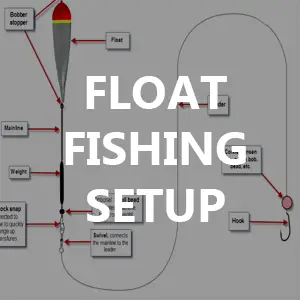
The rig you choose determines where your bait sits in the water column and how fish respond to it. Different rigs work better for different situations.
Bottom Fishing Rig
The bottom rig represents the most common setup for hand line fishing. It keeps your bait near the bottom where most fish feed.
Setup steps:
1. Tie a loop knot at the end of your main line.
2. Thread a split-shot sinker through the loop and cinch it down to secure the weight.
3. Tie a hook 12 to 24 inches above the weight using a Palomar or clinch knot.
4. Add live bait like worms or minnows.
The weight casts first, sinks the bait quickly, and keeps it on the bottom where fish naturally hunt.
Float Rig
Use a float rig when fish are feeding at mid-depths or when you need precise depth control.
Setup steps:
1. Attach a pencil float to the line at your desired depth.
2. Add small split-shot weights below the float to provide casting weight and stabilize the float.
3. Tie a hook 1 to 3 feet below the float.
4. Adjust depth based on water clarity and fish activity.
Night fishing hack: Paint your float with glow-in-the-dark paint for visibility after dark.
Fly Fishing With a Casting Bubble
You can convert your hand line into a fly fishing tool without needing a rod.
Setup steps:
1. Attach a casting bubble to the line using a loop knot.
2. Tie a fly to the end of the leader extending from the bubble.
3. Cast by hand. The bubble weight carries the lightweight fly.
4. Retrieve with short jerks to mimic insect movement.
This method works exceptionally well for trout in rivers where natural insect hatches occur.
Cast Like a Pro
Without a reel, you control the line directly with your hands. Mastering these three casting techniques will help you reach your target effectively.
The Flick works best in tight spaces with brushy banks. Use a quick wrist snap for short casts under 15 feet.
The Toss suits open areas where you have room to swing. Use an overhand throw with your forearm to achieve 15 to 30 feet distance.
The Whip delivers the longest casts, up to 40 feet or more. Use full-body rotation with a smooth, sweeping motion.
Critical skill: Practice releasing line smoothly. Releasing too fast causes tangles. Releasing too slow limits your casting distance.
Fish Smart: Tactics and Timing
Understanding when and where fish feed dramatically improves your success rate. Fish behavior changes with environmental conditions, and adjusting your approach accordingly makes a difference.
Best fishing conditions:
• Overcast skies cause fish to feed more actively in low light
• Changing tides create prime feeding windows for saltwater species
• Dawn and dusk represent peak feeding hours for most freshwater fish
Reading the water:
• Cast upstream and let bait drift naturally with the current
• Target structures like logs, rocks, and drop-offs where fish hide
• Fish face into currents, so present your bait accordingly
Legal and Ethical Considerations
Hand lines carry legal restrictions in many areas due to their stealthy nature. Understanding these regulations prevents fines and legal trouble.
In the United Kingdom: Hand lines are illegal on all inland waterways and lakes. They are permitted for sea fishing where fish are not privately owned. Always check local regulations and consider obtaining verbal permission from bailiffs for educational use.
In the United States: Most states ban hand lines on inland waters unless attached to a fishing rod. They are often classified as poaching tools because of their stealth. Some private waters and low-regulation areas may allow use, but enforcement varies significantly by state and jurisdiction.
Bottom line: Always check local fishing regulations before using a hand line. Use it responsibly with landowner permission when possible.
Hook, Set, and Land Fish
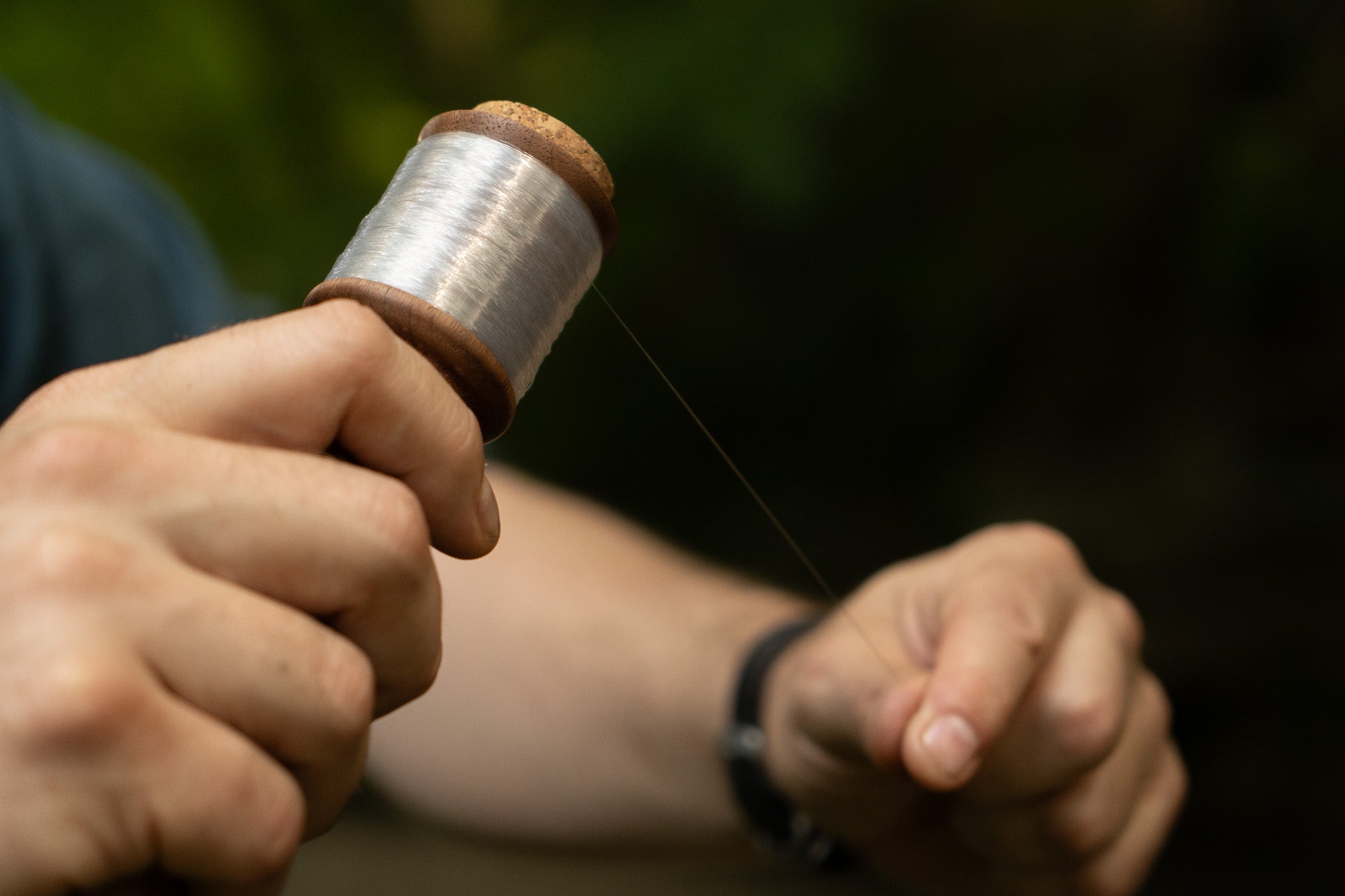
The moment of truth requires quick action and proper technique. Hand line fishing provides direct tactile feedback that makes bite detection easier than with traditional gear.
Setting the hook: When you feel a bite, jerk the line sharply 6 to 12 inches. Immediate action is crucial because there is no delay between feeling the bite and reacting. Do not wait.
Reeling in: Begin hand-over-hand retrieval immediately after setting the hook. Alternate hands to wrap line quickly. Use gloves or a cloth to prevent rope burn when fighting strong fish. Maintain steady tension to prevent tangles.
Maintain and Upgrade Your Hand Line
Regular maintenance extends the life of your hand line and ensures reliable performance when you need it.
Line care:
• Inspect for nicks, UV damage, and abrasions before each use
• Replace monofilament every 1 to 2 years; braided line lasts longer
• Re-spool after catching large fish that stress the line
Handle maintenance:
• Wooden handles benefit from periodic sanding and oil treatment
• Metal pipes must be dried thoroughly to prevent rust
• Plastic containers should have seals checked and replaced if cracked
Future upgrades to consider:
• Removable end plugs for easier access to stored gear
• Glow-in-the-dark floats for night fishing
• Heavier line, 15 to 20 pound test, for catfish or salmon
• Modular containers with separate compartments for organization
Frequently Asked Questions About Making a Fishing Hand Line
What is the best material for a homemade hand line handle?
The best materials include wooden sticks like dibbers for portability, repurposed plumbing pipes for durability, and plastic containers for organization. Choose based on your priorities: ultra-light weight favors wood, weather resistance favors metal pipe, and storage organization favors plastic boxes.
How much fishing line do I need for a hand line?
Most hand line builds use 15 to 30 feet of line. This length provides enough casting distance while remaining manageable. For larger fish or deeper water, you can extend to 40 feet or more.
Can I use a hand line for saltwater fishing?
Yes, hand lines work in saltwater environments. Use braided or fluorocarbon line in the 15 to 20 pound test range for larger species. Check local regulations because many areas permit hand lines for sea fishing even when inland use is restricted.
Is a hand line legal in my state?
Laws vary significantly by state and country. In the United States, most states prohibit hand lines on inland waters. In the United Kingdom, they are illegal on inland waters but allowed for sea fishing. Always verify local regulations before use.
What fish can I catch with a hand line?
Hand lines effectively catch panfish, perch, trout, bass, and small to medium-sized fish. With heavier line in the 15 to 20 pound test range, you can target catfish, salmon, and larger saltwater species.
Key Takeaways for Making and Using a Fishing Hand Line
Building a fishing hand line transforms simple materials into a reliable, portable fishing system. The four main designs, the stick-based hobo line, pipe-based spool, garden dibber, and container system, each serve different needs and skill levels. Choose your design based on how you plan to fish and what materials you have available.
Selecting the right line type and pound test matters as much as the handle design. Braided line offers superior sensitivity and durability, while monofilament works well for beginners. Match your line strength to your target species for the best results.
Rigging technique determines your success in different conditions. Bottom rigs keep bait near fish, float rigs allow precise depth control, and casting bubbles enable fly fishing techniques. Practice your casting technique before heading out, and always check local regulations to ensure legal and ethical use.
Your hand line is more than a backup tool. It represents self-reliance, minimalism, and a direct connection to the fishing experience. Build one, test it, refine it, and fish with purpose.