Folding a fishing rod properly isn’t just about saving space. It’s about protecting one of your most valuable pieces of gear. Whether you’re backpacking into remote waters, storing your rod after a long day, or traveling across state lines, improper folding can lead to cracked tips, damaged ferrules, or tangled lines. The how to fold fishing rod process varies depending on whether you’re using a multi-piece, telescopic, or fly rod, but with the right technique, you can keep your gear safe, organized, and ready for action.
Most rod damage happens during transport, not while fishing. A snapped tip from a poorly packed rod or a seized ferrule from grit buildup can ruin an entire trip. This guide breaks down the safest, most effective methods for folding and storing every type of fishing rod. You’ll learn how to disassemble without damage, protect fragile parts, pack efficiently in a backpack, and carry a rigged rod safely between casts.
Choose the Right Rod Type First
Before folding, know what kind of rod you’re working with, as each has unique folding needs.
Multi-Piece Rods (2 to 5 Sections)
These rods break into separate sections that connect via ferrules. Common in spinning, baitcasting, and fly rods, they offer excellent performance and moderate portability. Folded length is typically 18 to 24 inches per section. Four and 5-piece rods are ideal for hiking because they fit vertically in side pack pockets and reduce strain on joints during transport.
Telescopic Rods (Collapsible Design)
All sections slide into one another like a telescope, collapsing a 6-foot rod down to just 12 to 18 inches. The pros are ultra-compact design and lightweight setup. The cons are lower sensitivity and older models prone to jamming. No disassembly is required. Just collapse and store. Always clean joints before collapsing. Sand or debris can cause permanent binding.
Tenkara and Fly Rods (Delicate Joints)
Tenkara rods are Japanese-style telescopic fly rods without reels. Fly rods typically come in 2 or 4-piece designs with precision ferrules. These rods are highly fragile, especially at guides and tip. Folding requires careful disassembly and line management. Misaligned ferrules in fly rods can weaken casting power and increase break risk.
Disassemble Safely: Protect Ferrules and Tips
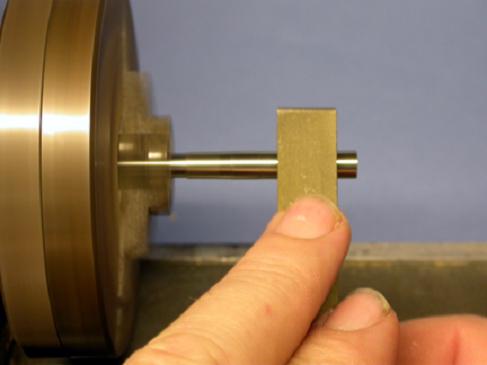
The way you take apart your rod matters as much as how you pack it.
Twist, Don’t Pull on Ferrules
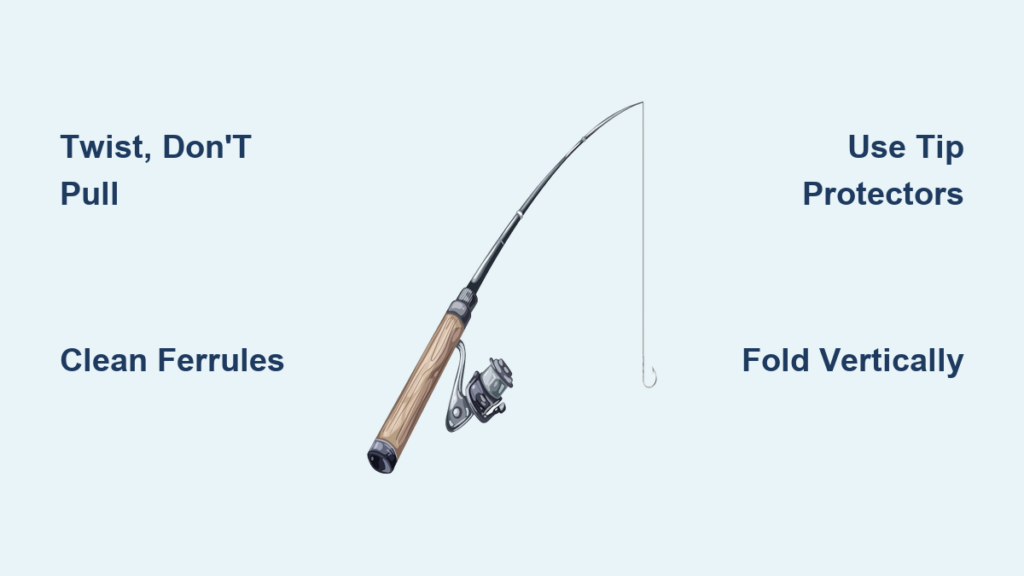
Never yank sections apart. Instead, hold the lower section firmly and grasp the upper section near the joint. Gently twist clockwise or counterclockwise while pulling straight. Use minimal force. Ferrules should separate smoothly. Twisting breaks the friction seal without stressing the graphite.
Clean and Inspect Each Joint
After disassembly, wipe ferrules with a dry cloth. Check for cracks, grit, or corrosion. If dirty, use a soft brush or cloth dampened with freshwater. Grit inside ferrules is a top cause of cracked blanks during reassembly.
Apply Ferrule Wax (Optional but Recommended)
A light coat of candle wax or commercial ferrule wax prevents sticking and eases future assembly. Rub a small amount on the male end only. Avoid getting wax on the female ferrule interior. Reapply every few uses or after wet conditions.
Fold or Bundle Rod Sections Correctly
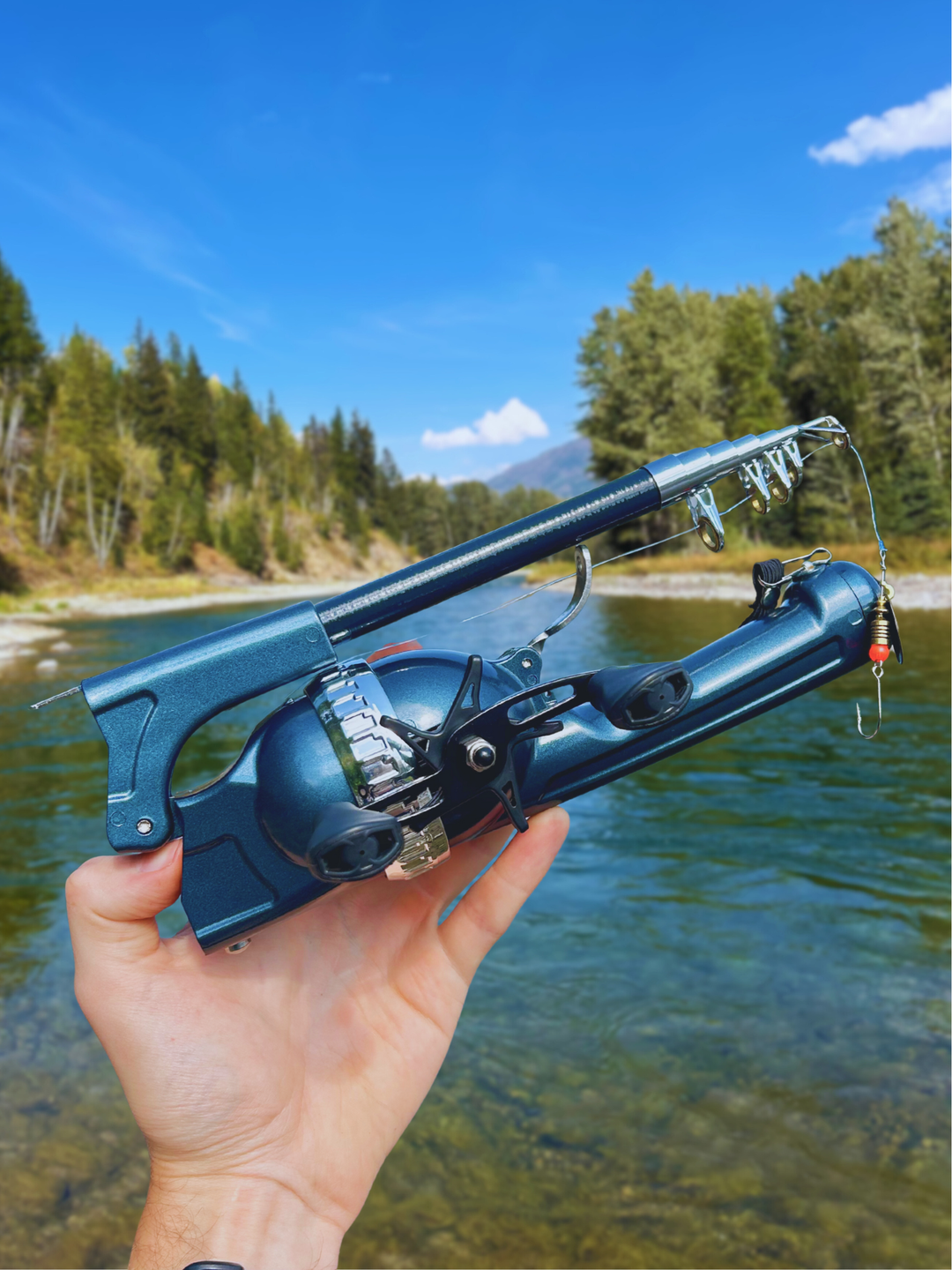
Now that your rod is disassembled, decide whether to fold or store straight.
Fold 3-Piece Rods for Compact Carry
If you plan to fish again soon, such as hiking between spots, folding saves rigging time. Keep the top section straight because it holds the line and tip. Fold the middle section back so it runs parallel to the bottom. Fold the bottom section in half, aligning the handle with the base. Secure with a Velcro rod wrap or soft rubber band. Don’t fold the top section. This risks kinking the blank or damaging guides.
Store Telescopic Rods Fully Collapsed
For telescopic rods, start from the tip and push each section down. Align sections carefully. Don’t force misaligned joints. Once fully collapsed, cap both ends. Store vertically to prevent dust buildup inside joints.
Protect Every Section Before Packing
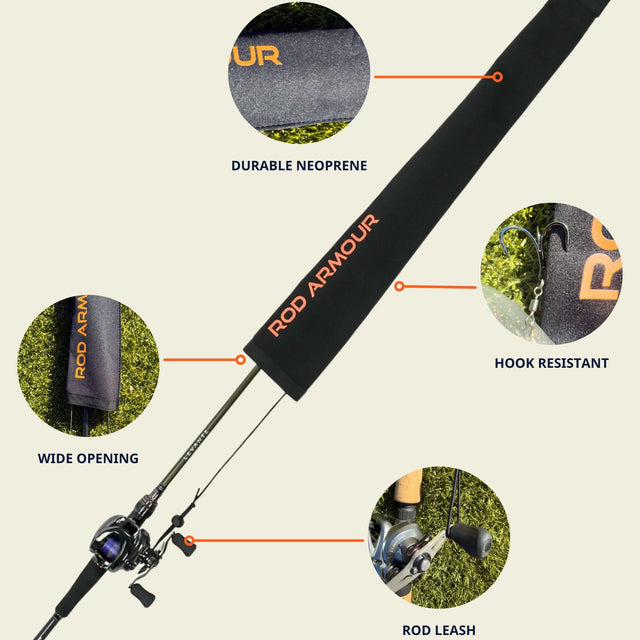
Even minor contact can scratch or crack graphite.
Use Rod Socks for Basic Protection
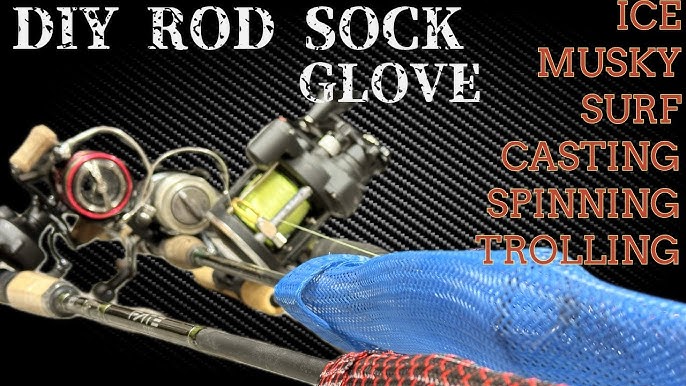
Slide each section into a neoprene or fabric rod sock. This prevents guide-to-guide rubbing and reduces scratches and abrasions. Keeps sections organized. If using one sock for multiple sections, stagger the guides so they don’t overlap.
Add Tip and Butt Protectors
Always use soft caps on both ends. Tip protectors prevent bending or snapping under pressure. Butt caps keep dirt out and protect the reel seat. Never skip this step. A dropped pack with an unprotected tip often means a broken rod.
Insert Foam Padding Between Sections
When bundling, place a foam strip or rolled sock between sections. This prevents graphite-on-graphite contact and absorbs shock during movement. Avoid zip ties, metal wire, or tight elastic. They can crush the blank.
Pack for Backpacking: Vertical Mounting Wins

How you carry your rod determines its survival on the trail.
Use a Rigid Tube for Maximum Protection
Options include commercial rod tubes (durable but heavy), DIY fluorescent light covers (lightweight, cheap, strong), PVC pipe cut to length with sanded edges, and carbon fiber tubes (best for ultralight backpackers). Fill empty space in the tube with rags or foam to stop sections from rattling and spearing the end cap.
Mount Vertically in Side Pocket
Insert the rod bundle or tube into the side water bottle pocket. Ensure it runs straight up and down. Secure with compression straps at top and middle. Keep the top no more than 4 inches above the pack. Vertical mounting reduces snagging on branches and keeps your center of gravity low.
Avoid Horizontal Mounting
Laying the rod sideways increases width profile and catches on brush, rocks, and trees. It puts uneven stress on the pack frame. Horizontal mounting is a shortcut that risks gear and safety.
Carry Rigged and Ready (For Frequent Fishing)
If you’re hiking along streams and casting often, stay rigged, but do it safely.
Break and Fold at the Center
For 2 or 4-piece rods, disconnect at the center ferrule. Bring both halves together, handle to handle or tip to tip. Keep the line tight and hook secured.
Secure the Hook Properly
Never leave a hook exposed. Clip into the hook keeper if available. Or thread through the bottom ring of the top guide. Alternatively, hook into the reel body or a soft lure guard. An unsecured hook can snag clothing, gear, or skin, especially during a fall.
Point Tip Behind You
When walking, carry the handle forward and tip behind you. This keeps the fragile end away from obstacles. If you trip, the tip hits the ground last. Use a rod clip on your shoulder strap to keep hands free.
Store Reels and Tackle Smartly
Your reel is precision machinery. Treat it with care.
Leave Reel On or Remove
For short trips, leave attached and use a neoprene reel cover. For long hikes or rough terrain, remove and store in the top lid of your pack. Wrap in clothing for cushioning. Removing the reel lowers center of gravity and prevents damage from shifting loads.
Organize Tackle Efficiently
Use small waterproof boxes for lures and flies. Carry only essentials: 3 to 5 lures, spare hooks, split shot. Replace bulky pliers with a multitool featuring line cutters and hook removers. A fixed-blade fillet knife cleans easier than folding models and weighs less.
Compare Protection Methods: Tubes vs. Socks
| Method | Weight | Protection Level | Best Use Case |
|---|---|---|---|
| Commercial Rod Tube | Heavy (1+ lb) | Maximum | Long trips, rough terrain |
| DIY Fluorescent Cover | Medium | High | Backpacking, budget-friendly |
| Carbon Fiber Tube | Light | Very High | Ultralight adventures |
| Rod Sock Only | Very Light | Low | Internal storage, short hikes |
| Rigged Carry | None | Minimal | Fish-as-you-go hiking |
Use rigid tubes when external mounting. Socks alone are only safe when surrounded by soft gear inside the pack.
Prevent Common Transport Damage
Avoid these frequent mistakes that lead to broken rods.
Stop Rattling Inside Tubes
Loose sections can slam into end caps and shatter the tip. Stuff socks, rags, or foam into both ends of the tube. Fill gaps completely. No movement allowed.
Align Guides During Reassembly
Misaligned guides reduce casting efficiency and stress the rod. Line up all guides in a straight line (the spine). This ensures even flex and optimal performance. Hold the rod up to light. Guides should form a single line.
Balance Your Pack
A rod on one side pulls your weight off-center. Counterbalance with water, stove, or food on the opposite side. Prevents shoulder fatigue and improves stability on uneven trails. Weigh both sides before heading out.
Special Cases: Fly Rods and Survival Gear
Fly Rod Storage Tips
Disassemble using the twist-and-pull method. Store sections in a labeled rod sock to avoid mix-ups. Fold the sock in half before tying. This prevents creasing and tangling. Keep in a dedicated tube marked fly rod for quick ID. Any sock works is a myth. Poorly folded socks cause guide wear over time.
Fishing Rods in Survival Kits
A fishing rod is high-value survival gear that provides sustainable protein. Always pack in a rigid tube to survive drops, weather, and animal contact. Most rod breaks happen in camp, not on the water. Keep away from dogs, fire rings, and foot traffic. If it’s essential, protect it like it’s irreplaceable.
Key Takeaways for How to Fold a Fishing Rod
Folding a fishing rod correctly protects your investment and keeps you ready for the next cast. Whether you’re compressing a telescopic rod into a daypack or breaking down a 5-piece fly rod for a backcountry trek, following these steps ensures your gear arrives intact. Remember that the tip is fragile, ferrules need care, and hooks must never be exposed during transport. With the right tools and techniques, you’ll spend less time repairing and more time fishing.
Frequently Asked Questions About How to Fold a Fishing Rod
What’s the safest way to disassemble a fishing rod?
Hold the lower section firmly and grasp the upper section near the joint. Gently twist while pulling straight. Never yank sections apart, as this can damage the ferrules.
Can you fold a fishing rod without taking it apart?
For 3-piece rods, you can fold the middle and bottom sections while keeping the top section straight. This keeps the line taut and eliminates re-rigging time. Never fold the top section.
Should I apply ferrule wax before storing my rod?
Applying a light coat of ferrule wax helps prevent sticking and eases future assembly. Apply to the male end only and reapply every few uses or after wet conditions.
What’s the best way to carry a fishing rod while hiking?
Mount the rod vertically in a side water bottle pocket using compression straps. This reduces snagging on branches and keeps your center of gravity low.
How do I protect my rod tip during transport?
Always use tip protectors on both ends of each section. Rod socks and foam padding between sections provide additional protection against bending and cracking.