

Maggots are one of the most effective natural baits for freshwater fishing, attracting trout, perch, roach, and panfish with their wriggling motion and strong scent trail. Whether you’re float fishing on a stillwater or using a feeder rig in a river, knowing how to get maggots for fishing can save you money and ensure you always have fresh, lively bait ready. This guide covers five proven methods to source maggots, from purchasing at tackle shops to breeding your own at home using simple techniques that anyone can master.
Buy Maggots from Local Tackle Shops
The fastest way to get started with maggot fishing is purchasing directly from local fishing stores. Most tackle shops stock live maggots year-round, keeping them refrigerated to maintain freshness and vitality.
What Types Are Available
• White maggots (most common and versatile)
• Red-dyed maggots (easier to see in murky water)
• Mixed pots containing casters and regular maggots
• Premium “guaranteed lively” options at higher prices
How to Check Freshness
Look for active, wriggling larvae in the container. Avoid pots where maggots are clumped together, motionless, or surrounded by slimy moisture. Fresh maggots should feel cool and move quickly when disturbed.
Typical Costs and Quantities
Most pots contain 100 to 200 maggots and cost between $3 and $6. Prices peak during summer months and in areas where local suppliers are limited.
Pro Tip: Visit tackle shops early in the week. Many restock after weekend demand, giving you the freshest selection.
Order Maggots Online for Home Delivery
When local shops don’t carry what you need, online retailers offer a convenient alternative with delivery directly to your door.
Best Online Sources
• Specialty bait retailers with overnight shipping
• Amazon Prime sellers offering fast delivery
• Regional bait farms that ship nationwide
Shipping Considerations
Live maggots ship in insulated packaging with cooling elements. Delivery typically takes 1 to 3 days. Always retrieve packages immediately upon arrival and never leave them in direct sunlight or hot mailboxes.
Price Comparison
Online prices run slightly higher than local purchases due to shipping costs. However, bulk ordering can reduce per-unit costs significantly for frequent anglers.
Breed Your Own Maggots: Two-Bucket Meat Method

For anglers who fish regularly, breeding your own maggots eliminates ongoing bait costs and provides a constant supply. The traditional two-bucket system uses raw meat to attract blowflies, which lay eggs that hatch into usable maggots.
Equipment Needed
• Two 5-gallon nesting plastic buckets
• Drill with 3mm bit
• Raw chicken scraps, fish guts, or liver
• Dry bran or cornmeal for bedding
• Loose-fitting lid with small entry gap
Step-by-Step Setup
-
Drill drainage holes in the bottom of the upper bucket using the 3mm bit. Dozens of holes allow mature maggots to drop through.
-
Add dry bedding to the bottom bucket, creating a 2-inch layer of bran or cornmeal. This collects migrating maggots and keeps them dry.
-
Place raw meat in the top bucket, adding 1 to 2 inches of chicken scraps, fish guts, or liver. Avoid fatty cuts that rot quickly and create excessive odor.
-
Assemble the system by stacking the buckets together. Cover with a lid, leaving a fly-sized gap for entry. Position outdoors in partial shade, away from living areas.
-
Wait for blowflies to find the bait. Within 24 hours, green or blue bottle flies will lay tiny white eggs on the meat.
Life Cycle Timeline
| Stage | Duration | What to Do |
|---|---|---|
| Eggs | 8-24 hours | Wait for hatching |
| Feeding larvae | 3-5 days | Keep shaded, monitor moisture |
| Migrating stage | 1-2 days | Harvest now |
| Pupa | 7-10 days | No longer usable as bait |
Harvest Timing: Collect maggots when they drop into the bottom bucket during the migrating stage. They’re clean, dry, and ready for storage.
Advantages and Drawbacks
✅ Fast results with first harvest in 5-7 days
✅ High yield during warm months
✅ Minimal equipment investment
❌ Produces noticeable odor
❌ Attracts flies and scavengers
Grow Odorless Maggots with Bran and Milk

If the meat method creates too much smell for your situation, the bran-and-milk technique offers a cleaner alternative that smells like sourdough instead of rotting flesh.
Why This Method Works Better
Blowflies are attracted to fermentation byproducts. The bran and milk mixture produces lactic acid and carbon dioxide that flies detect just as easily as rotting meat, but without the foul odor.
Ingredients Required
• 4 parts wheat bran
• 1 part powdered milk
• 1 teaspoon active dry yeast
• Warm water (enough for damp oatmeal consistency)
Mixing Instructions
- Combine bran, milk powder, and yeast in a bowl.
- Add warm water gradually while stirring until the mixture holds shape but releases a few drops when squeezed.
- Transfer to a shallow tub or top bucket.
- Cover with a damp cloth or perforated lid.
- Place outdoors in dappled sunlight or shade.
What Happens Next
Within 24-48 hours, fermentation attracts blowflies that lay eggs on the mixture. The larvae feed on the nutrient-rich mash and naturally migrate downward when ready to pupate.
Benefits Over Meat Method
• Nearly odorless operation
• Safer for families with children or pets
• Maggots are cleaner and less likely to harbor harmful bacteria
• Can be positioned closer to homes without complaints
Harvest and Store Maggots Properly
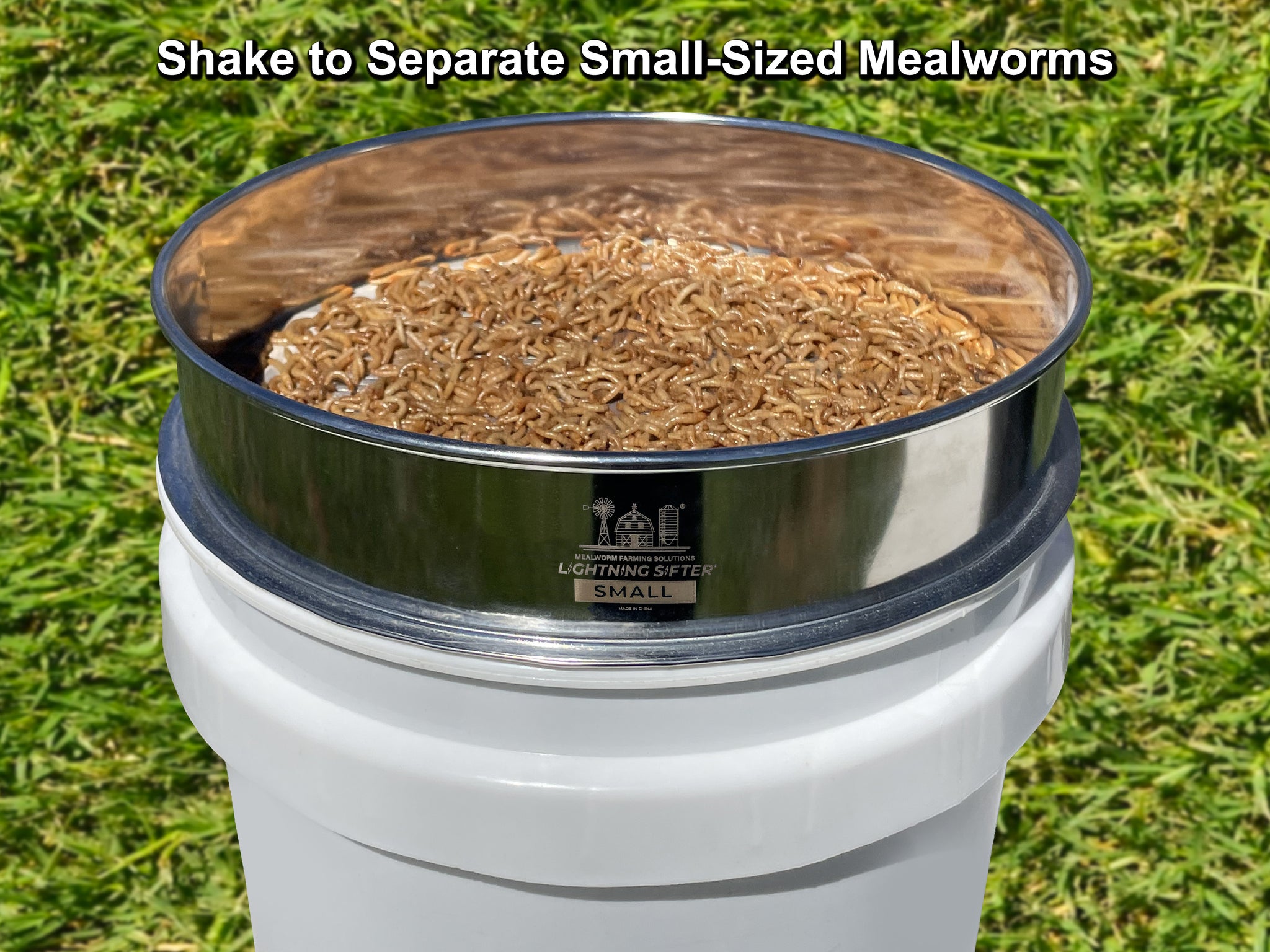
Proper harvesting and storage directly impacts how long your maggots remain viable on the water.
When to Harvest
The optimal harvest window occurs during the migrating stage. Maggots stop feeding, become slightly translucent, and crawl downward seeking dry conditions to pupate. If they turn dark and hard, they’ve already pupated and cannot be used as bait.
Harvesting Steps
- Remove the top bucket or spent substrate carefully.
- Sift maggots through a coarse colander to separate from bedding.
- Let them rest on paper towels to dry excess moisture.
- Transfer to storage containers with fresh dry bedding.
Important: Avoid rinsing unless absolutely necessary. Added moisture promotes mold growth and reduces shelf life.
Refrigerator Storage Guidelines
• Use ventilated plastic containers with poked holes in lids
• Add 1 inch of fresh dry bran or cornmeal
• Store at 38°F to 42°F (standard refrigerator temperature)
• Maximum lifespan: 3 weeks with proper care
Storage Tips for Maximum Longevity
• Change bedding weekly to prevent mold and ammonia buildup
• Allow containers to reach room temperature before opening to avoid condensation
• Don’t overcrowd: maximum 200 maggots per pint-sized container
• Refresh with a pinch of milk powder 24 hours before fishing to boost activity
Never freeze maggots: Freezing kills them instantly and makes them useless as bait.
Fish with Maggots Like a Pro

Having a steady supply of maggots means nothing if you don’t use them effectively. Master these techniques to maximize your catch rate.
Effective Hooking Methods
Single maggot rig: Use size 18-22 fine-wire hooks. Thread the maggot through the tail or middle section without crushing it. This keeps the bait lively and subtle in clear water.
Maggot ball feeding: Mix 10-15 maggots with bait putty or loam. Form into small balls for feeder rigs. This clouds the water and attracts fish to your swim.
Two-hook dropper setup: Place 1-2 maggots on the bottom hook and additional maggots or casters on the upper hook. This increases strike chances in deep or weedy water.
Best Fishing Conditions
Water temperature: Maggots work best in 8-16°C (46-60°F) water, ideal for trout, roach, and perch during spring and autumn.
Time of day: Early morning (dawn to 9 AM) and late afternoon (4 PM to dusk) produce the most active bites. Fish feed more aggressively in low light conditions.
Depth and presentation: Maggots excel when fished on the bottom with ledger rigs, suspended under floats in stillwaters, or drifted naturally in mid-water with light shot.
Troubleshoot Common Breeding Problems
Even well-planned maggot setups encounter issues. Here’s how to fix them quickly.
No Flies Laying Eggs
Cause: Low fly population or weak attractant.
Solution: Add fish guts or a drop of ammonia to strengthen odor. The bran-and-milk method produces CO2 that draws flies effectively.
Maggots Dying Prematurely
Cause: Overheating, dryness, or poor airflow.
Solution: Move setup to shade, mist substrate lightly, and reduce maggot density.
Mold Growing in Substrate
Cause: Excess moisture or inadequate ventilation.
Solution: Reduce water content, increase airflow, and replace affected portions immediately.
Pupae Forming Too Quickly
Cause: High temperatures accelerate development.
Solution: Relocate to a cooler area or refrigerate harvested maggots right away.
Animals Raiding Your Setup
Cause: Open access for birds, rats, or raccoons.
Solution: Elevate buckets, cover with wire mesh, or place inside a secure enclosure.
Safety When Handling Maggots
Maggots feed on decomposing matter, so proper hygiene prevents bacterial contamination.
Essential Safety Practices
• Wash hands thoroughly after handling breeding setups or stored maggots
• Wear gloves when working with meat-based systems
• Keep breeding equipment away from food preparation areas
• Dispose of spent substrate properly through composting or trash
Note: Maggots raised on meat may carry Salmonella or Clostridium. The bran-and-milk method produces significantly safer bait, especially important if you also use maggots for pet food.
Environmental Benefits of DIY Maggots
Breeding your own maggots offers advantages beyond saving money.
Sustainable Angling
• Repurpose kitchen scraps that would otherwise go to landfill
• Eliminate weekly bait shop trips and associated vehicle emissions
• Use native blowfly species with no risk of ecological disruption
• Reduce commercial bait packaging waste
Cost Comparison
A frequent angler spending $5 per week on maggots invests over $250 annually. DIY breeding requires a one-time $10-15 bucket investment and produces free bait indefinitely.
Frequently Asked Questions About Maggots for Fishing
How long do purchased maggots last?
Store-bought maggots remain viable for 7-14 days when refrigerated. Check for activity before each fishing trip.
Can I freeze maggots for long-term storage?
Freezing kills maggots instantly. They cannot be revived and should never be used as bait after freezing.
What’s the difference between white and red maggots?
White maggots are the natural larval form. Red maggots are white maggots dyed with food coloring for better visibility in murky water.
Do maggots need to be refrigerated?
Yes, refrigeration at 38-42°F slows their metabolism and extends viability to 2-3 weeks. Room temperature causes rapid deterioration.
Can I use maggots for saltwater fishing?
Maggots work best in freshwater. Some anglers use them for saltwater panfish, but they primarily target freshwater species like trout, perch, and roach.
Are bred maggots as effective as commercial ones?
Home-bred maggots are often more effective because they’re fresher and can be harvested at the exact moment of peak activity.
Key Takeaways for Getting Maggots for Fishing

Maggots remain one of the most effective and versatile baits for freshwater fishing, attracting a wide range of species through their natural movement and scent. Whether you choose to purchase from local tackle shops or breed your own supply, understanding these methods ensures you’ll never run out of bait mid-trip. The two-bucket meat system delivers fast results in 5-7 days, while the bran-and-milk method provides a nearly odorless alternative perfect for urban settings. Harvest during the migrating stage, store properly in refrigerated containers with dry bedding, and maintain good hygiene throughout the process. By mastering these techniques, you reduce long-term fishing costs while ensuring a constant supply of fresh, lively maggots that fish find irresistible. Start with the method that fits your situation, and adjust based on your results and local conditions.