
You’re drifting along a timber-lined bank, eyes locked on a shadowy root wad just beneath the surface. A flick of your wrist sends a jig silently into the strike zone. No cast, no splash. Just precision. Seconds later, a 5-pound bass explodes from cover. This is flip fishing: the ultimate test of control and accuracy in heavy cover. Unlike traditional casting, flipping lets you drop lures into tight pockets under docks, inside brush piles, or right onto spawning beds. In this guide, you’ll learn exactly how to flip fish like a pro, including gear setup, timing your hookset, choosing the right bait, and practicing off the water.
Flip vs Pitch vs Punch: Know the Difference
Flipping: Precision at Close Range
Flipping delivers lures at 5 to 20 feet using hand-controlled line. Instead of casting, you use your non-dominant hand to feed line through the guides while making a short underhand swing powered by your wrist and elbow. The reel stays disengaged until you start reeling, allowing rapid repeated presentations without retrieving each time.
This technique works best for under-dock pockets, root systems, brush piles, and spawning beds. The key advantages are silent entry, instant hookset, and high repetition. Ideal conditions include stained water, low light, and shallow depth under 2 feet.
Pitching: Accuracy at Distance
Pitching extends your reach to 15 to 50 plus feet using an underhand pendulum motion. You release the lure mid-swing while thumb-controlling the spool to prevent backlash. It’s faster than casting and quieter than overhead throws.
This technique works best for grass edges, lily pads, and open lanes in cover. The key advantage is stealthy long-range accuracy. Ideal conditions include clear water, pressured fish, and situations where you need to stay back from the target.
Punching: Breaking Through Thick Mats
Punching isn’t a cast at all. It’s a vertical plunge of a heavy lure straight down through dense vegetation like hyacinth or hydrilla mats. You loft the bait upward, then pull hard downward at the apex to force it through the canopy.
This technique reaches fish inaccessible to flipping or pitching. It requires extra-heavy rod power and 65 to 100 pound braid. The best applications are solid surface cover and late summer bass holding deep beneath mats.
| Feature | Flipping | Pitching | Punching |
|---|---|---|---|
| Distance | 5 to 20 ft | 15 to 50+ ft | 0 to 10 ft vertical |
| Line Control | Hand-fed | Thumb-regulated spool | Manual drop |
| Best Cover | Tight pockets | Grass edges | Thick mats |
| Lure Weight | 1/4 to 1 oz | 1/4 to 1/2 oz | 3/4 to 2 oz |
Choose the Right Gear for Flipping
Flip Fishing Rod: Length and Power
Use a 7’6″ to 8’0″ medium-heavy to heavy power rod with fast to extra-fast action. A parabolic bend flexes from tip to butt, distributing pressure evenly when pulling fish from thick cover. This shock absorption is critical when fighting big bass in snags.
An 8-foot rod provides more line control and better hooksets with minimal movement. The longer length also gives you leverage to turn big fish away from cover.
Popular flip fishing rods include the KastKing Speed Demon Pro 7’5″ for close-quarters work, the KastKing Spirale 7’8″ for versatility, and the Assegai Punch Out for extreme cover situations.
Reel: High-Speed for Quick Recovery
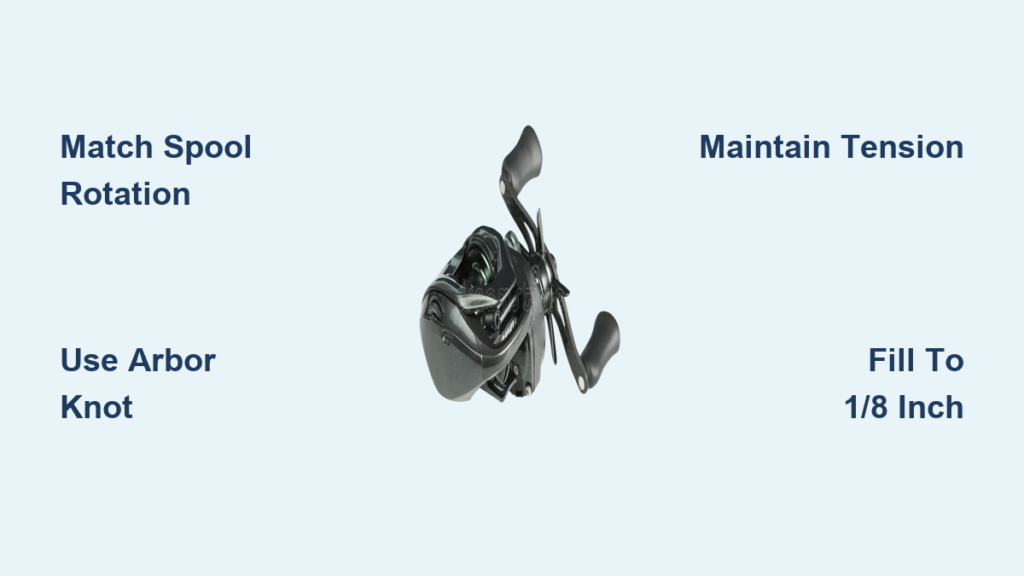
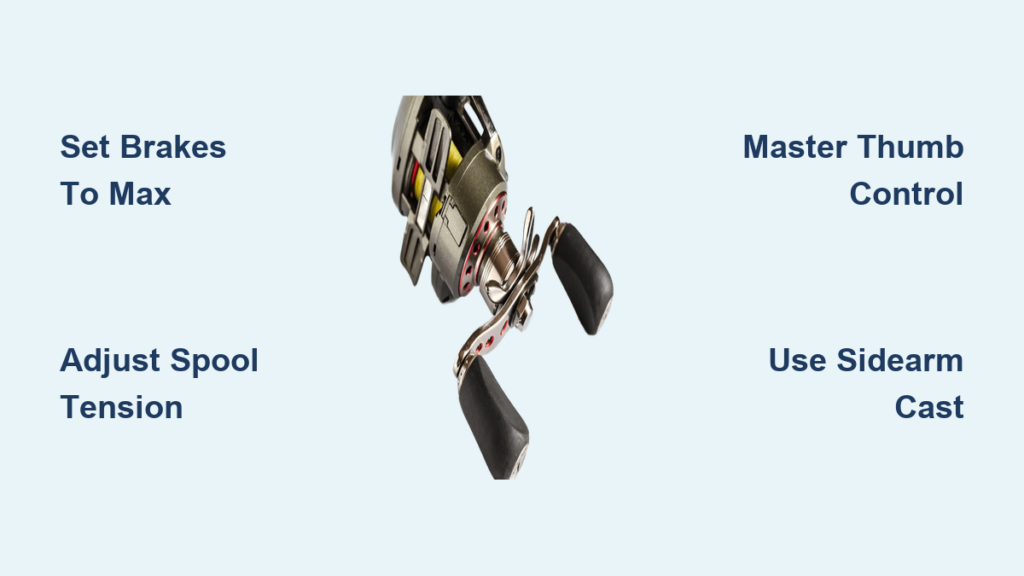
Select a baitcasting reel with a 7.1:1 to 9.1:1 gear ratio for fast line retrieval and rapid follow-up casts. After a missed hookset, you need to reset quickly. The high speed helps you get back to the strike zone without delay.
A smooth braking system, either magnetic or centrifugal, prevents backlashes during short drops. Make sure your reel has a free-spool setting that flows easily under your thumb as you release the lure.
Line: Braid, Fluorocarbon, or Mono
Your line choice affects sensitivity, strength, and stealth.
Braid is the flipping standard. It has near-zero stretch for immediate hooksets and a thin diameter that slices through vegetation. The high strength-to-diameter ratio means 80-pound braid equals roughly 15-pound mono in diameter. The drawback is that braid floats, which may require a fluorocarbon leader for subsurface presentations.
Fluorocarbon offers sensitivity and stealth. It sinks for natural bait fall and is nearly invisible underwater. The low stretch provides excellent bite detection, making it ideal for wood cover and deep pockets. Use 20 to 25-pound test, preferably in fluorescent colors like yellow or green, so you can see line twitches indicating bites.
Monofilament serves as a backup option. Its 15 to 18 percent stretch helps reduce pullouts when using aggressive hooksets with heavy rods. Switching to 25 to 30-pound test mono can reduce lost fish when braid or fluorocarbon fails under extreme pressure.
Best Baits for Flip Fishing
Top Lure Types
Flipping demands weedless, closed-hook presentations to avoid snags in heavy cover.
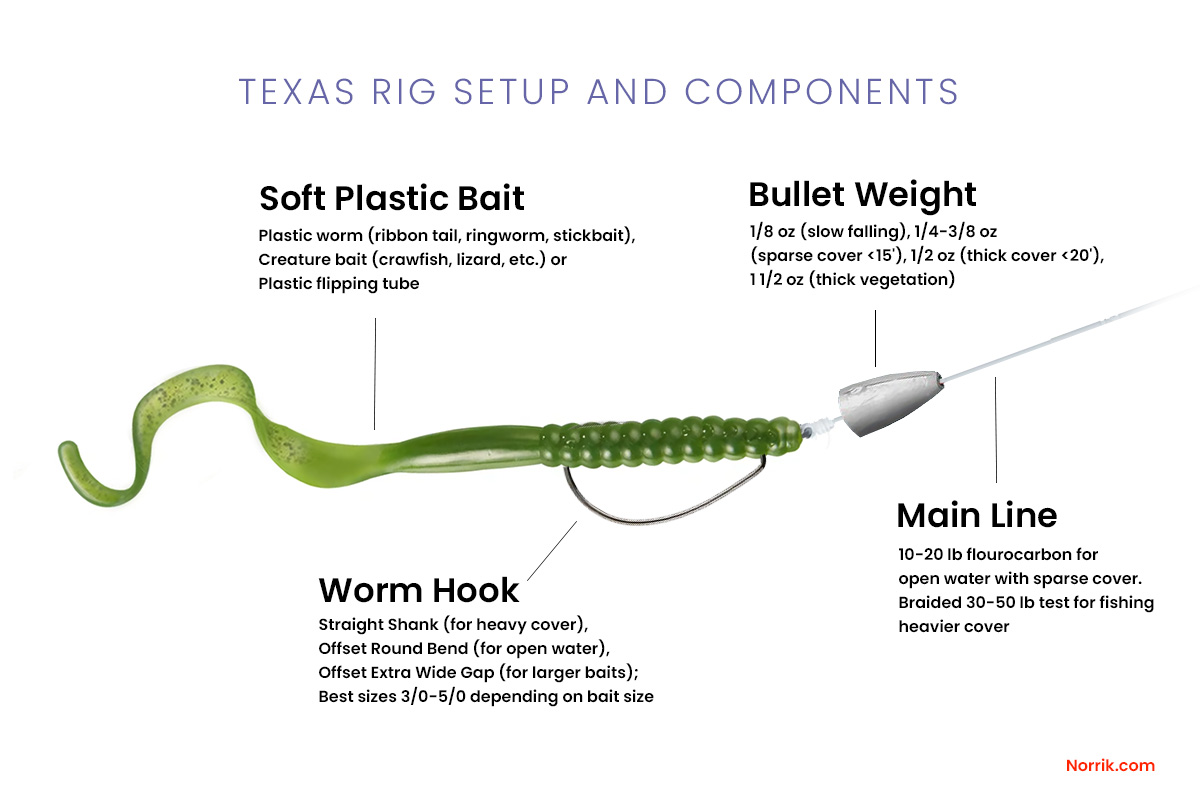
Texas-rigged soft plastics are the most versatile option. Worms, creature baits, lizards, and tubes all work well when rigged weedless with a bullet weight and offset hook. Weight range spans from 1/8 ounce for light cover to 1 ounce for thick hydrilla.
Jigs excel in wood, rock, and deep brush. Flipping jigs, football jigs, and swim jigs paired with pork or plastic trailers generate consistentaction. Use heavier weights to punch through vegetation.
Floating jerkbaits serve a specialized role in bed fishing. The setup uses a 1/2-ounce weight with bead and swivel, 12 to 18 inches of heavy line, and a floating jerkbait. Pitch onto the bed, lower the rod tip to let the bait slide through the weight, then use slow rod lifts to trigger strikes.
Baits to Avoid
Avoid crankbaits when flipping or pitching. Their open treble hooks snag easily in cover. Topwaters aren’t designed for vertical placement either. Spinnerbaits can be pitched but rarely work effectively when flipping.
How to Flip: Step-by-Step Technique
Step 1: Position Your Boat
Get within 10 to 20 feet of your target. Use a trolling motor for silent approach. Angle your bow or side toward the cover for an optimal casting lane.
Step 2: Prepare the Cast
Disengage your reel spool. Pull out 50 to 75 percent more line than your rod length. For a 7’6″ rod, that’s roughly 6 to 7 feet of line. Hold the line with your non-dominant hand between thumb and index finger.
Step 3: Execute the Flip
Hold the lure in your dominant hand. Start with the rod tip low, near the water. Swing the rod upward in a short arc using only your wrist and elbow. Release the lure at the peak of the swing. Let it drop silently into the target. Feed line through the guides with your non-dominant hand as it falls. No spool rotation occurs until after retrieval begins.
Step 4: Present the Bait
Let the bait fall naturally. Use slow hops, pauses, or subtle twitches. Watch your line for twitches, slack, or directional pulls indicating strikes.
Step 5: Set the Hook
Wait for full resistance before setting. Don’t set on cover movement. Feel the weight of the fish before executing a firm, controlled hookset. Use a short, powerful upward stroke.
Hookset Timing: Do not Set Too Early

One of the biggest mistakes is setting the hook too soon. You see the bush shake when the lure lands and immediately set. The result is missed fish, torn tissue, and rolled hook points.
Correct Hookset Sequence
First, observe. Let the bait settle. Second, detect. Watch for line twitch, slack, or slow drag. Third, confirm. Feel full resistance, which is the distinct weight of the fish. Fourth, set. Execute that short, powerful upward stroke.
Examine the mouth wound after release. The length of the rip indicates whether the hook penetrated properly. Use high-visibility fluorocarbon to spot subtle line movements, especially in stained water or low light.
Adjust Fall Rate for More Strikes

The speed your bait sinks triggers different bite types.
| Fall Speed | Triggers | Best Setup |
|---|---|---|
| Fast fall | Reaction strikes | 3/4 to 1 oz weight, compact bait |
| Slow fall | Investigative bites | 1/8 to 1/4 oz, slender profile |
Use heavier weights in thick cover to punch through. Use lighter weights in clear water for natural descent. In stained water, a faster fall triggers aggression.
Practice Flipping Off the Water
You do not need a lake to master flipping.
Backyard Bowl Drill
Place 5 to 7 bowls 5 to 20 feet away. Stand 2 to 3 feet above ground to simulate a boat deck. Use a 3/4 to 1 ounce jig. The goal is dropping the bait into the bowl silently with no pop and no splash. Add water to test the softness of entry.
Indoor Practice
Use paper plates or cups as targets. Cast under furniture or down hallways. Focus on wrist control and line management.
Skill Progression
Start with 1/2 to 3/4 ounce jigs to build rhythm. Move to 1/4 to 1/8 ounce for finesse work. Use practice casting weights to avoid damage when practicing indoors.
When to Flip: Seasonal Strategies
Spring: Target Spawning Beds
Flip under docks, near stumps, and along shorelines. Use soft, quiet presentations because bedded fish spook easily. Try the floating jerkbait technique over nests.
Early Spring: Creek Channel Treetops
Bass move shallow before the spawn. Flip treetops in 10 to 20 feet of water. Use heavy jigs or Texas-rigged plastics.
Summer: Thick Vegetation
Focus on hydrilla, lily pads, and bullrushes. Use 3/4 to 1 ounce weights to penetrate the canopy. Fish early morning or late evening for best results.
Fall: Dying Weeds and Brush
Bass feed aggressively before winter. Pitch into dying grass and brush piles. Use faster retrieves to trigger reaction strikes.
Advanced Tips and Special Uses
Flip for Crappie: Non-Bass Application
Adapt flipping for crappie during spawn. Use a 6.5-foot medium spinning rod with 12-pound test. Rig a slip bobber with a rubber band stopper at the desired depth. Pitch quietly into weed beds where crappie nest. This technique works excellently when pitching the weeds they are bedding in.
Line Watching: The Secret Skill
Keep your eyes on the line, not the lure. Look for sudden twitches, slack forming, or directional pulls. These often signal a bite before you feel any weight.
Silent Entry Equals More Fish
A splashless drop is crucial near bedded fish. Practice until your lure hits like a raindrop. Use fluorescent line to monitor subtle movements.
Summary: Flip Fishing Best Practices
| Category | Recommendation |
|---|---|
| Rod | 7’6″ to 8’0″, heavy power, parabolic bend |
| Reel | Baitcasting, 7.1:1 to 9.1:1, smooth brakes |
| Line | 50 to 80 lb braid for cover, 20 to 25 lb fluorocarbon for wood |
| Bait | Texas-rigged worms, jigs, tubes |
| Weight | 1/8 oz light to 1 oz thick weeds |
| Hookset | Wait for full resistance, do not rush |
| Fall Rate | Fast for reaction, slow for finesse |
| Practice | Bowl drill, indoor targets, start heavy |
Key Takeaways for Mastering Flip Fishing
Mastering how to flip fishing is not about brute force. It is about control, precision, and patience. With the right gear, practiced technique, and proper timing, you will consistently outfish anglers who rely on casting alone. The key is starting with proper positioning, maintaining silent entry, and waiting for full resistance before setting the hook. Practice the bowl drill regularly to develop muscle memory. Whether you are slipping a jig into a root wad at dawn or coaxing a bedded giant with a floating jerkbait, flipping puts you in command of the most productive yet most overlooked spots on the water.
Frequently Asked Questions About Flip Fishing
What is the difference between flipping and pitching?
Flipping delivers lures at 5 to 20 feet using hand-controlled line with no reel spin during the cast. Pitching extends to 15 to 50 plus feet using an underhand pendulum motion where the spool spins freely while thumb-controlled. Most anglers confuse these two techniques.
What rods work best for flip fishing?
Use a 7’6″ to 8’0″ rod with medium-heavy to heavy power and fast to extra-fast action. A parabolic bend provides the flex needed to absorb shock when fighting big bass in thick cover.
When should I use braid versus fluorocarbon for flipping?
Use braid for thick vegetation and situations requiring strong hooksets with zero stretch. Use fluorocarbon for wood cover, clear water, and when you need the bait to sink naturally. High-visibility fluorocarbon helps you see bites.
How do I know when to set the hook while flipping?
Wait for full resistance. Do not set when you see cover move or feel a tap. Feel the distinct weight of the fish on the line before executing your hookset. Setting too early results in missed fish and torn tissue.
Can I flip fish in all seasons?
You can flip or pitch baits almost any month of the year. These techniques are most effective from early spring through late fall, particularly during the spawn and summer when bass hold in heavy cover.