Crappie fishing is one of the most rewarding and accessible forms of freshwater angling in North America. Whether you’re a beginner with a cane pole or an experienced angler using live sonar, crappie deliver action year-round. Known for their schooling behavior and excellent table fare, these fish bite readily when you understand their habits, habitats, and feeding patterns.
This guide covers everything you need to know about how to crappie fishing. You will learn species identification, seasonal patterns, proven techniques, and the best gear to increase your catch rate.
Identify Black vs. White Crappie
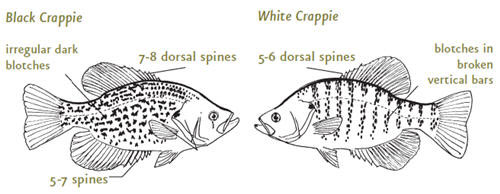
Knowing which species you’re targeting improves your odds. Black and white crappie share similar habits but prefer different environments.
Spot the Key Differences
Counting dorsal spines provides the most reliable identification method. Black crappie has 7 or 8 spines while white crappie has only 5 or 6 spines. Body patterns differ as well. Black crappie displays irregular dark spots scattered across a darker, more laterally compressed body. White crappie shows distinct vertical bars along silvery sides with a slightly elongated profile.
Habitat preferences also differ. Black crappie typically inhabit clear, deeper northern lakes. White crappie prefer murky, slow-moving southern reservoirs and rivers.
Note: Hybrids exist and may show mixed traits. Always count spines for accuracy.
Understand Crappie Growth and Lifespan
Crappie grow faster in southern climates due to longer growing seasons. This affects both size expectations and fishing strategies.
Size and Age Expectations
Crappie reach maturity at 2 to 3 years old. In the Southern U.S., a 4-year-old crappie can exceed 2 pounds. Northern fish of the same age may weigh only half a pound. Lifespan ranges from 6 to 7 years in the South up to 15 years in northern regions.
Trophy expectations break down as follows. Eight inches represents the minimum recommended size for keeping. Twelve inches marks a solid catch. Fifteen inches qualifies as trophy-class and remains rare. The world record sits just over 5 pounds.
Learn Crappie Spawning Behavior
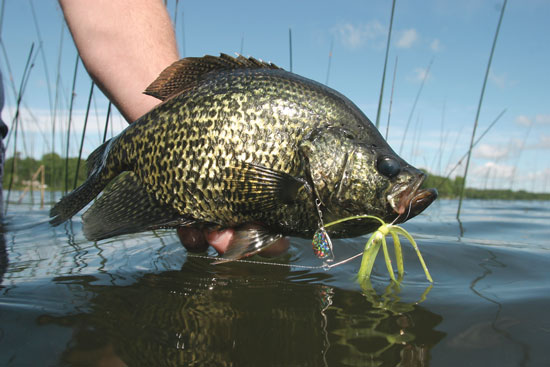
Spring is prime time for crappie fishing. These fish spawn once yearly when water temperatures reach 60°F to 68°F.
Pre-Spawn and Spawn Patterns
Males move into 1 to 6 feet of water to fan shallow nests on sand or gravel. They select protected bays, dark-bottomed coves, and areas near cover like brush or docks. Spawning timing varies by region. Southern waters see spawning activity from March through April. Northern waters typically spawn in May or June.
Eggs hatch within a few days. Fry grow rapidly, reaching 3 to 4 inches by their first winter.
Pro Tip: Post-spawn females are sluggish. Target pre-spawn schools for aggressive bites.
Match the Crappie Diet
Crappie feeding habits shift with age, which directly influences your lure and bait choices.
What Crappie Eat
Juvenile crappie primarily consume insects, larvae, and tiny crustaceans. Adult crappie shift to a piscivorous diet, feeding heavily on small fish including shad, minnows, and young bass. They also eat crawfish and occasionally their own young.
Feed From Below Strategy
Crappie look upward to feed. Always keep your bait above their depth. This rule applies whether using a float rig or vertical jig. Position your lure just above the school for maximum strikes, even in deep water.
Target Crappie by Season
Crappie move predictably with temperature changes. Following these seasonal patterns dramatically improves your success rate.
Spring Shallow Water Tactics
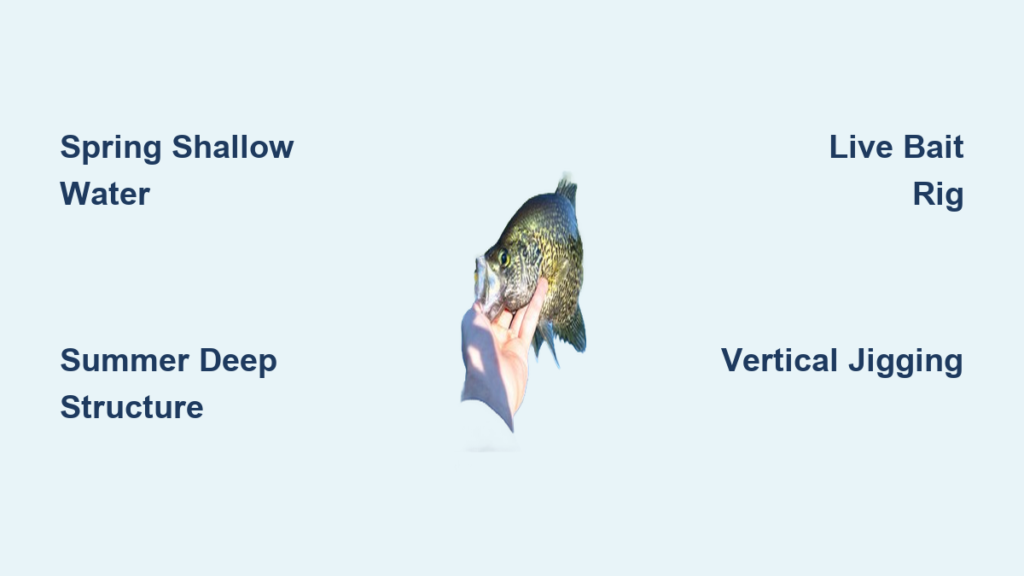
Spring brings crappie into shallow water ranging from 1 to 6 feet deep. They congregate around brush piles, sunken trees, cattails, docks, and riprap banks. Fish school tightly before and during the spawn. May through June provides the best action in most regions.
Night Bonus: Crappie move along shorelines after dark. Use lights to attract baitfish and catch slabs near riprap or causeways.
Summer Deep Structure Patterns
Summer sends crappie to depths of 10 to 30 feet, often near the thermocline. Focus on drop-offs, submerged timber, deep weedlines, humps, and points. Feeding windows occur at dawn and dusk when crappie rise toward the surface.
Pro Move: Troll crankbaits or spider rig during low-light hours to cover water and locate schools efficiently.
Fall Transition Feeding Frenzy
Fall triggers a migration back toward shallower areas. Crappie hold at intermediate depths along drop-offs and feed aggressively on baitfish to build winter reserves. Top tactics include trolling, casting near structure, and jigging along edges. Follow shad schools as they lead you to big crappie.
Winter Deep Basin Strategies
Winter finds crappie huddled near bottom in deep holes or basins. They hold around sunken timber, channel edges, and deep points. Activity slows but remains catchable, especially at midday when sunlight warms deeper water.
Ice Tip: Use live minnows suspended just off bottom. Subtle bites require sharp attention.
Choose the Right Tackle for Crappie
Light gear detects subtle bites and prevents pullouts from soft mouths. Using the wrong tackle means missing fish.
Selecting the Best Rod
Bank fishing requires a 7 to 9 foot rod for casting distance and line control. Boat and wading situations work best with a 6 to 7 foot light to ultralight spinning rod. Specialty options include a 12-foot cane pole for wading in brushy flats and long stiff rods for precise jig placement.
Pro Choice: Fast to medium-fast action provides the best bite detection.
Reels and Line Setup
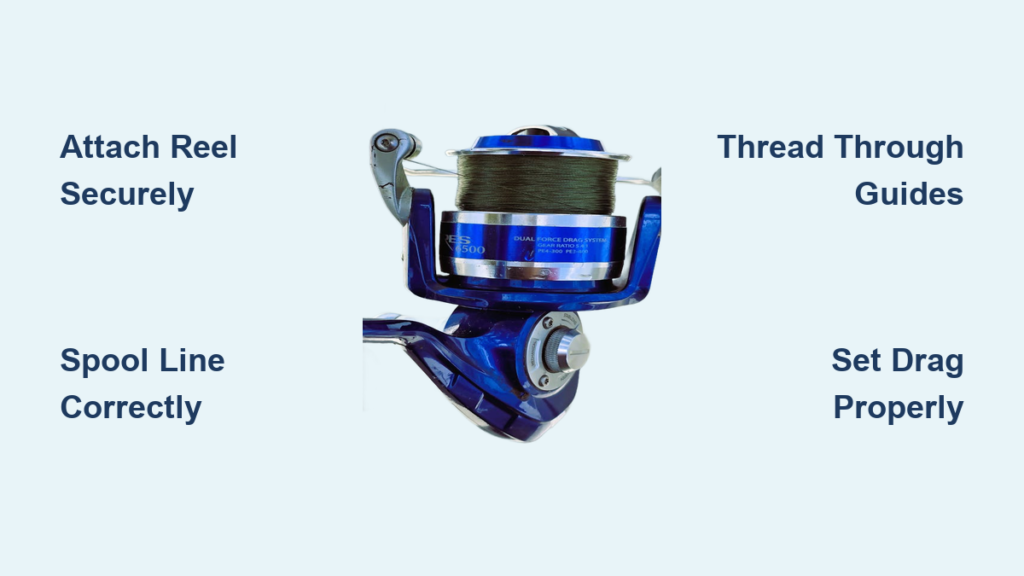
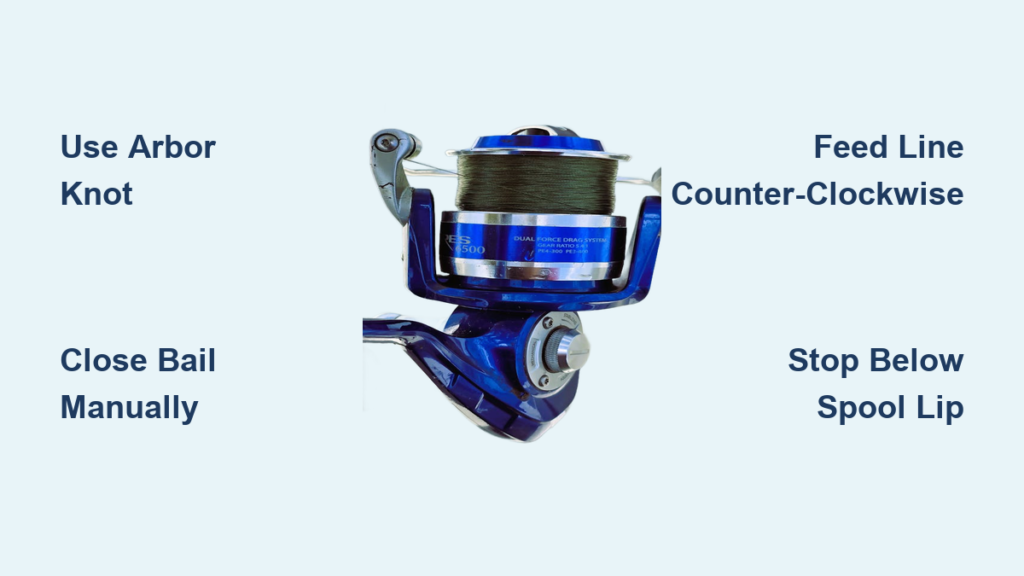
Spinning reels like the KastKing SFS 1000 work well for most situations. Spincast reels suit beginners. Ensure your drag is smooth and light since crappie mouths tear easily.
Line selection matters significantly. Braided line in 4 to 10 pound test offers long casts, sensitivity, and no stretch, making it ideal for bank fishing. Monofilament in 4 to 6 pound test provides stretch for gentle hook sets, perfect for bobber rigs. Fluorocarbon leader in 6 pound test reduces visibility and prevents spooking fish.
Key Setup: Use braid mainline with a 6-pound fluorocarbon leader for best results.
Essential Terminal Tackle
Hook size should range from No. 6 to No. 10. Long-shank or Aberdeen hooks allow easy removal and reduce pullouts. Weights include split shot for float rigs and jig heads from 1/32 ounce to 1/4 ounce, adjusted by depth. Use fixed bobbers in shallow water under 4 feet and slip bobbers for deep water with adjustable depth control.
Visual Cue: Use bright braid in yellow or green to see line twitches indicating bites.
Pick the Best Baits and Lures

Matching the hatch and presenting bait naturally increases your catch rate significantly.
Live Baits That Work Year-Round
Fathead minnows, golden shiners, shad, and even goldfish produce consistently. Rig live bait under a slip bobber with split shot or a jig head. Set the bait above fish depth since crappie feed upward.
Pro Tip: Hook minnows through the lips or just below the dorsal fin for longer action.
Top Artificial Lures for Crappie
Jigs represent the go-to choice for crappie fishing. Marabou jigs provide pulsating action. Mini tube jigs mimic baitfish effectively. Plastic grubs on 1/16 to 1/8 ounce heads also perform well.
Color selection depends on water clarity. Use chartreuse, pink, or orange in stained water. Switch to pearl, smoke, or shad patterns in clear water.
Alberto Knie’s Trick: Tiny topwater poppers at dawn produced a 16-inch slab, proving crappie attack aggressively on the surface.
Soft plastics like Keitech Easy Shiner and Berkley Power Nymph in Smoke Orange perform exceptionally. Add Crappie Nibbles for a scent trail that attracts fish.
Hard baits also produce results. Crankbaits like the Bomber Fat Free Shad excel for trolling. Small poppers trigger explosive strikes at dawn and dusk. Inline spinners and Beetle Spins provide flash and vibration in shallow to mid-depth water.
Master Key Fishing Techniques

Matching your technique to season, structure, and fish behavior determines success.
Float Fishing Fundamentals
The float fishing rig uses a slip bobber, split shot, and hook or jig. Adjust depth based on fish location, found through sonar or trial-and-error. Keep bait above crappie since they feed upward. Never position bait below the fish.
Common Mistake: Setting the hook too hard damages soft mouths. Use a slow, steady lift instead of jerking.
Vertical Jigging Precision
Vertical jigging works ideally from boat or ice. Drop the jig directly over fish located via sonar. Use a 1/16 to 1/8 ounce jig with a slow lift-and-pause motion. Watch for bites on the fall since most strikes occur then.
Real-Time Edge: Garmin Livescope or Lowrance Ghost lets you see fish react, allowing precise jig placement right in front of them.
Trolling to Cover Water Fast
Trolling works best in open water or along weedlines. Use small crankbaits or jig harnesses. Spider rigging deploys 4 to 10 rods spread wide, trolling at 0.5 to 1.5 miles per hour. This technique locates schools quickly and is common in southern reservoirs.
Casting to Structure
Cast small jigs, Beetle Spins, or tiny crankbaits toward docks, fallen trees, brush piles, and weed edges. Retrieve slowly with pauses to trigger reaction bites.
Night Fishing Success
Night fishing proves most productive in early spring. Crappie school along shorelines after dark. Target riprap banks, causeways, and dam faces. Use a lantern or underwater light to attract baitfish, then fish just outside the illuminated zone.
Peak Action: Starts one hour after sunset and sometimes peaks at midnight.
Wade Fishing Advantages
Wade fishing outperforms boats in shallow, brushy lakes. Use a 10 to 12 foot rod to cast into thick cover. This technique excels in Florida-style habitats with flat bottoms and submerged brush. Use a tube jig on braid without a float for precise placement. Move slowly and avoid splashing to maintain stealth.
Use Electronics to Find Crappie
Sonar becomes essential outside of spawning season when fish move to deeper water.
Fish Finder Types and Capabilities
Standard sonar detects schools near structure. Down imaging and side imaging reveal individual fish and cover details. Live sonar options like Garmin Livescope and Lowrance Ghost provide real-time fish tracking, showing exactly how fish react to your lure.
Pro Insight: Watch crappie follow your jig and adjust your action to trigger a strike.
Reading Your Fish Finder
Look for suspended schools near timber or drop-offs. Mark the depth where fish hold and adjust your slip bobber accordingly. Crappie often appear as tight vertical marks above structure.
Bank Fishing Success Without a Boat
Bank fishing works exceptionally well, especially during spring when crappie move shallow.
Finding Productive Bank Spots
Success requires deep water within casting range. Target creek channels entering reservoirs, outside cove edges, steep shorelines, and areas with docks, brush, or riprap. Avoid flat, featureless banks.
Bank Fishing Gear Setup
Use a 7 to 9 foot rod for maximum casting distance. Pair it with 4-pound braid and a 6-pound fluorocarbon leader. The best rig for bank fishing uses a live minnow under a slip bobber. Alternatives include twister tails on 1/8 ounce jigs, Beetle Spins, small crankbaits, and tube jigs under a float.
Night Option: Use a light on shore to draw baitfish and catch crappie just outside the illuminated zone.
Ice Fishing for Crappie
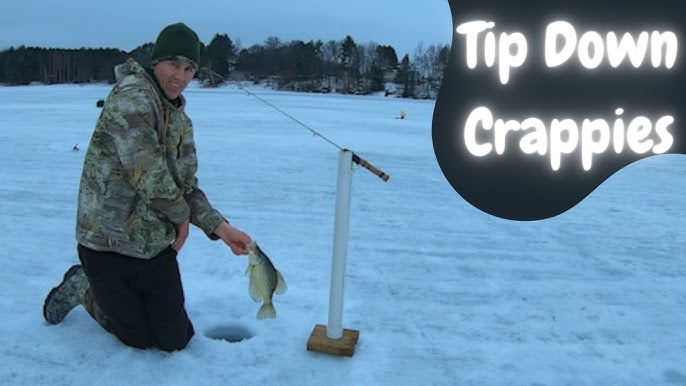
Crappie rank among the top ice species for action and table quality.
Ice Fishing Methods
Tip-downs hold live minnows at exact depth and detect even the lightest bites. Jigging rods require short, sensitive rods with 1/32 to 1/16 ounce jigs and subtle lift-and-pause motions.
Where to Drill on Ice
Focus on deep basins, humps, sunken timber, and channel edges. Fish near bottom but check for suspended schools.
Best Ice Fishing Timing
Midday often produces best results when sunlight penetrates ice and warms deeper water, activating crappie.
Follow Conservation Rules
Protecting crappie populations ensures sustainable fishing for future generations.
Know Local Regulations
Check size limits, bag limits, and seasonal closures for your area. Some waters have special rules for crappie.
Practice Selective Harvest
Keep moderate-sized fish between 8 and 12 inches for the table. Release trophy breeders since larger fish sustain strong year classes.
Critical: Avoid overharvest during spawn to protect the next generation.
Pro Tips from Expert Anglers
Learning from experienced crappie anglers accelerates your success.
Alberto Knie’s Secrets
Alberto favors light tackle with a fluorocarbon leader. He relies on live shiners under a float with split shot. His topwater popper technique at dawn produced a confirmed 16-inch slab, proving crappie attack aggressively on the surface.
Jim Johnson’s Ice Insights
Jim catches crappie year-round, especially through ice. He emphasizes finding structure including docks, brush, and sunken trees. He notes crappie fishing becomes addictive due to constant action.
Universal Truths
Crappie school aggressively. Catch one and stay put since more fish are nearby. Local knowledge from bait shops and fishing reports proves invaluable. Remember that crappie have soft mouths requiring gentle hook sets with slow lifts rather than snaps.
Frequently Asked Questions About Crappie Fishing
What is the best time of day to catch crappie?
Dawn and dusk provide the most productive hours, especially during summer. In spring, night fishing produces excellent results with crappie moving along shorelines after dark.
What is the best bait for crappie fishing?
Live minnows including fathead minnows and golden shiners work year-round and outperform artificials in tough conditions. When using artificials, match the hatch to local baitfish.
How do you catch crappie from the bank without a boat?
Use a 7 to 9 foot rod for long casts. Target areas with deep water within casting range like creek channels, cove edges, and riprap banks. Live minnows under a slip bobber provide the most consistent results.
What depth do crappie hold at in summer?
Summer finds crappie at 10 to 30 feet deep, often near the thermocline. Focus on drop-offs, submerged timber, and deep weedlines.
How do you identify black crappie vs white crappie?
Count the dorsal spines. Black crappie has 7 or 8 spines while white crappie has 5 or 6 spines. Black crappie display irregular dark spots. White crappie show distinct vertical bars along their sides.
Key Takeaways for Crappie Fishing Success
Mastering how to crappie fishing requires understanding seasonal movements, using light tackle, and presenting bait above fish depth. Crappie feed upward, so always position your lure above their holding depth. Spring offers the easiest fishing when crappie school in shallow water near structure. Summer requires deeper water tactics with electronics to locate suspended schools.
Light gear with sensitive rods and smooth drags prevents torn mouths and detects subtle bites. Live bait outperforms artificials in difficult conditions, but jigs, soft plastics, and small crankbaits produce consistently when fished slowly. Remember that crappie school aggressively, so stay in the area after catching one.
Now get out there and put these crappie fishing tips to work. Your next slab is waiting.