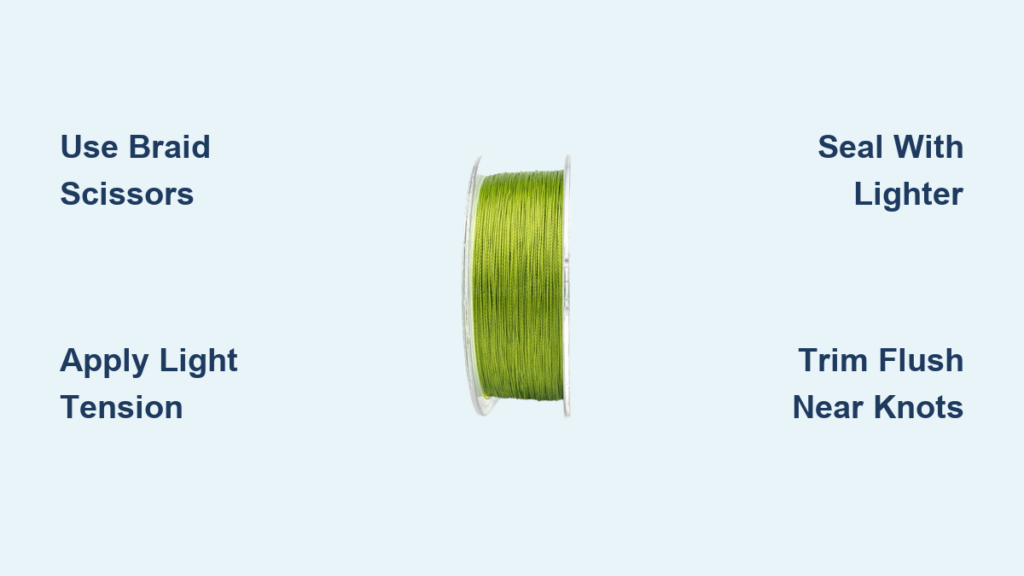
If you have ever struggled to snip braided fishing line with regular scissors or pliers, you are not alone. Braided fishing line is engineered for strength and sensitivity, but its tightly woven ultra-high-molecular-weight polyethylene fibers resist standard cutting tools, often resulting in frayed ends, dull blades, and frustration. A clean cut is essential, especially when tying knots or trimming tag ends near hook eyes, because fraying compromises knot strength and casting performance. The good news? With the right tool and technique, cutting braid can be quick, precise, and safe. This guide reveals the best tools, proven methods, and expert-backed tips to help you cut braided line cleanly every time.
Choose the Right Cutting Tool
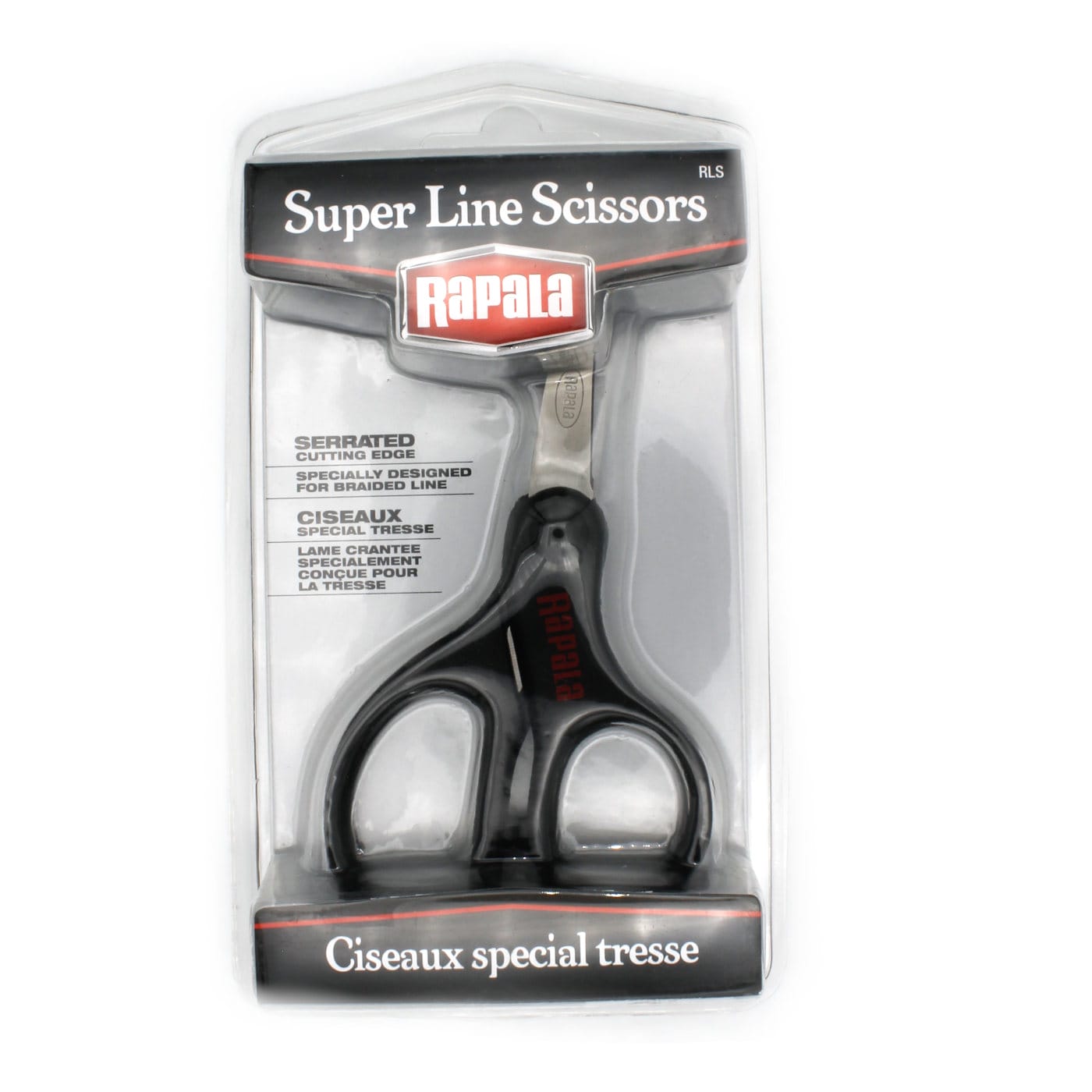
Not all cutters are created equal when it comes to braid. Standard scissors and pliers often crush or fray the line instead of slicing cleanly. The key is using a sharp, precision tool designed for high-strength lines.
Use Specialized Braid Scissors
Dedicated braid cutters deliver clean, fray-free cuts thanks to fine, hardened blades. These tools are compact and built for tight spaces.
- Rapala Super Line Scissors: Engineered for braid and fluorocarbon, these cut cleanly without crushing.
- The Snip: A $15 favorite among bass anglers, known for flush cuts right against hook eyes.
- Dual Micro Scissors: Ultra-sharp, tiny blades ideal for precision work; used by pros for their reliability.
- Cutter Bee Scissors: Originally for crafts, these maintain a sharp edge and slice through braid effortlessly.
Try Pliers with Hardened Cutters
Standard pliers fail, but models with carbide or titanium blades can handle braid with ease.
- XTools Floating Pliers: Feature a carbide cutter that delivers clean cuts despite poor plier function.
- Fiskars Pliers with Titanium Blades: Sharp and durable; maintain performance with proper care.
- Gerber Multi-Tool Pliers: Combine cutting with other functions, ideal for anglers who prefer minimal gear.
Pro Tip: Test the cutter on 30-lb braid. If it slices cleanly under light tension, it will handle lighter lines with no issue.
Try Budget-Friendly Alternatives
You do not need expensive fishing gear to cut braid effectively. Many anglers swear by inexpensive, everyday tools that outperform specialty cutters.
Fiskars Kid Scissors Work Surprisingly Well
Despite their toy-like appearance, Fiskars kid scissors are a top choice among experienced anglers.
- Available at Walmart and drugstores for under $5.
- Stay sharp longer than expected when used with light tension.
- SoFlaBassAddict calls braid-specific scissors a waste of cash compared to Fiskars.
“They cut 30-lb braid like butter when you pull slight tension on the line.” – bassinbrian
Medical Scissors Cut Like Butter
Stainless steel trauma shears from old medical kits or surplus stores offer surgical precision.
- Extremely sharp and corrosion-resistant.
- Darren. reports they cut like butter even after years of saltwater use.
- Attach to a retractable lanyard on your PFD for quick access while kayak fishing.
Nail Clippers for Flush Cuts
Need to trim a tag end flush to a knot? Drugstore nail clippers are a minimalist is dream.
- Cost less than $1 and fit in any pocket.
- Deliver clean, close cuts near swivels and hook eyes.
- Wear out over time but are easily replaced.
Limitation: Not ideal for thick braid or frequent use, but perfect for occasional trimming.
Use Sharp Blades and Knives
When precision and power are needed, a sharp blade is hard to beat.
Razor Knives and Box Cutters
A utility knife or razor blade cuts through braid instantly, but use with caution.
- Best for cutting line from a spool or in controlled settings.
- Always cut away from your body and fingers.
- chromedog uses this method but warns of high injury risk on slippery decks.
Multi-Tool Knives
Swiss Army knives or Leatherman-style tools offer versatility.
- The American relies on his multi-tool blade for quick cuts.
- Spyderco knives are praised by Hi Salenity for field reliability.
- Combine cutting with other functions like hook removal or bottle opening.
Expert Note: A folding knife with a fine tip allows better control in tight spaces.
Apply Light Tension for a Clean Cut

Technique matters as much as the tool. Pulling slight tension on the line before cutting prevents slippage and ensures a smooth slice.
- Without tension, braid tends to roll or shift, causing jagged edges.
- With tension, the fibers compress slightly, allowing the blade to cut cleanly.
- Works with all tools, scissors, clippers, or knives.
“It cuts like butter when you pull a little tension.” – Article 3
This simple step reduces fraying and improves knot-tying success.
Make Flush Cuts Near Knots
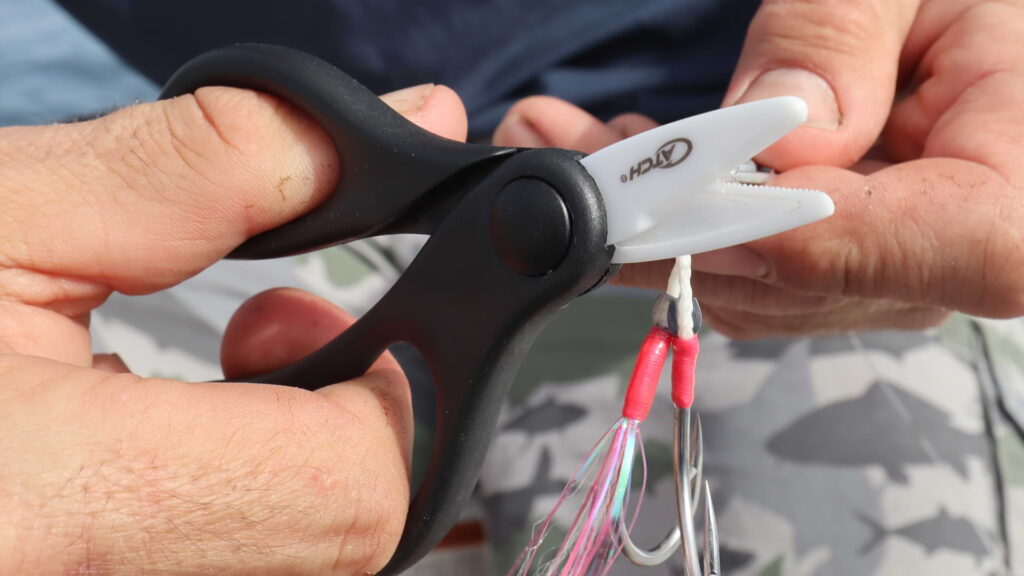
When trimming excess line after tying a knot, precision is critical.
Position Tool Close to the Knot
- Hold fine-tipped scissors or nail clippers as close as possible to the knot.
- Avoid leaving long tag ends that can catch on rod guides or affect lure action.
- Use The Snip or Dual Micro Scissors for maximum control.
Avoid Crushing the Line
- Do not use dull pliers or serrated blades that pinch the braid.
- Crushed fibers weaken the line and lead to premature breakage.
Visual Cue: A clean cut should look flat and even, not frayed or split.
Seal the End with a Lighter
Cauterizing the cut end with a flame prevents unraveling and improves performance.
How to Burn Braid Safely
- Cut the line cleanly first.
- Hold the end in a Bic lighter flame for 1 to 2 seconds.
- Roll the melted tip between your fingers to shape a smooth nib.
Benefits of Burning the End
- Prevents fraying: Sealed fibers will not unravel during storage or use.
- Easier threading: The melted tip slides through small hook eyes effortlessly.
- Stronger knots: Reduces slippage and pull-through when tying.
“A lighter that costs $1, not a $30 set of pliers.” – Louisiana Sportsman
Captain Matthew Whitman of Whitman’s Guide Service popularized this method on Toledo Bend, and anglers like SirSnookalot confirm it makes a noticeable difference.
Warning: Do not overheat. Excessive burning weakens the line. Just a quick pass through the flame is enough.
Test Tools Across Braid Weights

A good cutter should handle everything from 6-lb finesse braid to 50-lb heavy-duty line.
| Line Type | Weight | Cutting Result |
|---|---|---|
| PowerPearl Braid | 30 lb | Cuts easily with tension |
| Suffix Braided Line | 6 lb | No issues, clean cut |
| Dia-JB Braid | 30 lb | Effortless with sharp tool |
| Master Braid | 10 lb | Clean cut every time |
| Monofilament | 20-50 lb | Smooth performance |
A Central Florida charter captain tested one tool across all these lines and reported consistent performance when using light tension and a sharp blade.
Pick a Tool That Is Easy to Carry
Accessibility matters when you are fighting fish or moving between spots.
Clip-On and Lanyard Options
- Choose cutters with belt clips or carabiners for quick access.
- Use a retractable lanyard, like Darren. does, to keep medical scissors secure on your PFD.
- Avoid loose tools that can fall overboard.
Compact and Lightweight Designs
- The Snip and nail clippers take up almost no space.
- Dual Micro Scissors fit in a tackle box or pocket.
- Bright colors improve visibility if dropped.
Maintain Your Cutting Tools
A dull blade defeats the purpose. Keep your tools in top condition.
Clean After Each Use
- Rinse with freshwater after saltwater fishing.
- Dry thoroughly to prevent corrosion.
- Wipe blades with a cloth to remove line residue.
Replace Dull Blades
- Pliers with built-in cutters lose sharpness quickly.
- Replace or sharpen blades before they start crushing braid.
- Stainless steel and carbide last longer than standard steel.
Long-Term Durability: Fiskars, medical shears, and Cutter Bee scissors maintain sharpness for years with care.
Stay Safe While Cutting
Braided line is strong and slippery. A missed cut can lead to cuts on your fingers.
Cut Away From Your Body
- Always point the blade in a safe direction.
- Use tools with finger guards or retractable blades when possible.
Use Caution on Wet Surfaces
- Boats, kayaks, and docks are slippery. Secure your footing.
- Avoid razor knives in high-motion environments.
Pro Tip: Keep a first-aid kit in your tackle bag, just in case.
Frequently Asked Questions About Cutting Braided Fishing Line
Why does braided line fray more than monofilament when cut?
Braided line consists of tightly woven ultra-high-molecular-weight polyethylene fibers that resist standard cutting tools. When cut with dull blades, these fibers separate and unravel rather than being cleanly sliced, leading to frayed ends that compromise knot strength.
Can I use regular household scissors to cut braided fishing line?
Regular household scissors typically lack the sharpness and blade geometry needed for clean braid cuts. However, Fiskars kid scissors have been tested and endorsed by numerous anglers as an effective budget option that outperforms many specialty cutters when used with light tension.
How do I prevent braided line from fraying after cutting?
The most effective method is to briefly pass the cut end through a lighter flame for 1 to 2 seconds, then roll the melted tip between your fingers. This cauterizes the fibers, prevents unraveling, and creates a tapered tip that threads easily through small hook eyes.
What is the best tool for making flush cuts near knots?
Fine-tipped scissors like The Snip, Dual Micro Scissors, or even standard nail clippers excel at flush cuts near knots. These tools allow you to position the blade extremely close to the knot without crushing or damaging the remaining line.
Do I really need to apply tension when cutting braided line?
Yes. Applying light tension to the line before cutting compresses the fibers slightly, allowing the blade to slice through cleanly rather than rolling or shifting. This simple technique significantly reduces fraying and produces smoother cuts with any tool.
How often should I replace my braid cutting tools?
Replace cutting tools when blades become dull, start crushing instead of slicing, or show signs of corrosion. With proper care, quality scissors and shears can last for years, while budget options like nail clippers should be replaced when they no longer deliver clean cuts.
Key Takeaways for Cutting Braided Fishing Line

After reviewing angler feedback, field tests, and performance data, the top picks emerge clearly. The Snip or Dual Micro Scissors represent the best overall tools, offering compact precision and effective performance across all braid weights. For budget-conscious anglers, Fiskars kid scissors or simple nail clippers deliver surprising results at a fraction of the cost. The lighter cauterization technique stands out as the best field hack, solving fraying problems with a $1 Bic lighter while improving knot performance and making threading easier.
The real secret to cutting braid successfully lies not in expensive gear but in proper technique. Always apply light tension before cutting, seal the end with a brief flame pass, and keep your tools sharp and accessible. Whether you choose specialized scissors, everyday household tools, or a combination approach, these methods will save you time, improve your knot strength, and help you fish with confidence. No more struggling with frayed ends or gnawing at uncooperative braid. The right tool combined with the right technique transforms a frustrating chore into a quick, clean task you can handle anywhere on the water.