If you’ve ever caught a limit one day and barely got a bite the next despite fishing the same spot, barometric pressure might be the invisible factor behind those frustrating swings. This atmospheric force directly influences fish behavior, triggering feeding frenzies before storms and shutting down bites after cold fronts pass. Learning how to check barometric pressure for fishing gives you a tactical edge, letting you predict when fish will feed aggressively and adjust your tactics accordingly.
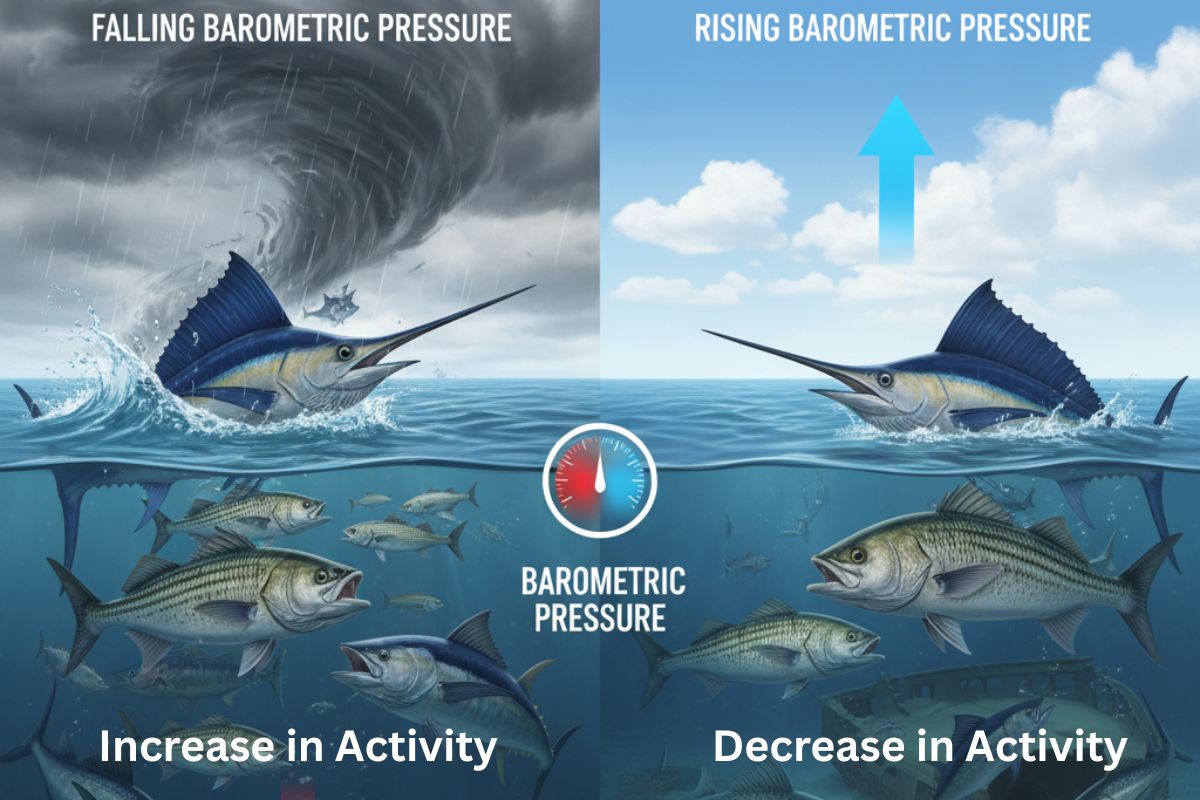
Fish sense pressure changes through their lateral line and swim bladder, making them acutely aware of incoming weather long before clouds appear. A falling barometer triggers aggressive feeding, while a rising one often means slower, more selective bites. In this guide, you’ll discover how to access accurate pressure data, interpret trends like a pro, and match your lure selection to what the barometer reveals.
Tools to Check Barometric Pressure for Fishing
Accessing accurate barometric pressure readings is the first step toward fishing smarter. Here are the most reliable methods anglers use.
Smartphone Weather Apps
Most anglers carry the best tool in their pocket already. Weather apps like Weather.com, AccuWeather, MyRadar, and My AcuRite deliver live pressure readings and trend graphs.
• Look for hourly pressure logs and trend arrows showing rising, falling, or steady conditions
• Enable location services for hyper-local data at your fishing spot
• Save offline forecasts before heading to remote lakes without cell service
Pro Tip: Apps like My AcuRite show pressure trends over 24 to 72 hours, perfect for spotting a slow drop before a storm.
Handheld Fishing Barometers
For anglers fishing off-grid or in remote areas, a dedicated handheld barometer provides real-time personal readings without relying on cell service.
• Devices like the Trac Fishing Barometer ($16.99) or AcuRite 00782A1 measure pressure in inHg or mb
• Compact, waterproof designs fit easily in tackle boxes or tackle bags
• Ideal for backcountry lakes, kayak fishing, and ice fishing
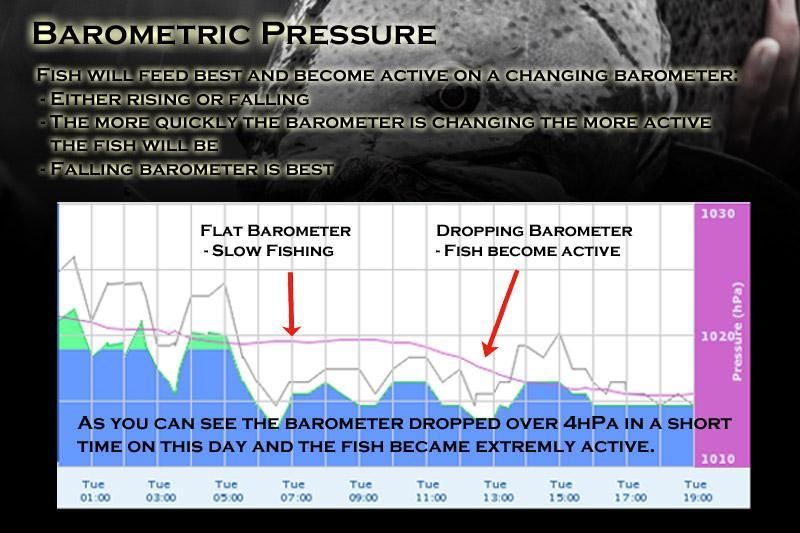
Visual Cue: A sudden dip of 0.1 inHg in under an hour signals fish are about to go on the bite.
Marine Weather Stations
Serious anglers who fish frequently from the same location benefit from permanent or portable weather stations like those from Davis Instruments or Ambient Weather.
• Display continuous trend lines rather than just single numbers
• Integrate with wind, temperature, and humidity sensors for full environmental data
• Great for dock owners, shoreline anglers, and tournament competitors
NOAA and NWS Online Forecasts
For the most accurate, science-backed data, visit official weather websites.
• National Weather Service at weather.gov offers pressure maps and regional forecasts
• Weather Underground provides historical data for tracking patterns over time
• NOAA issues storm alerts tied to pressure drops and approaching fronts
Fishing-Specific Forecast Platforms
Tools like Fishnology.online combine barometric trends with solunar tables and angler behavior models to predict bite windows.
• Updated daily with pressure forecasts tailored to fishing
• Syncs with GPS waypoints and fishing logs for pattern tracking
• Flags explosive bite opportunities when pressure and moon phases align
Understanding Barometric Pressure Readings and Units
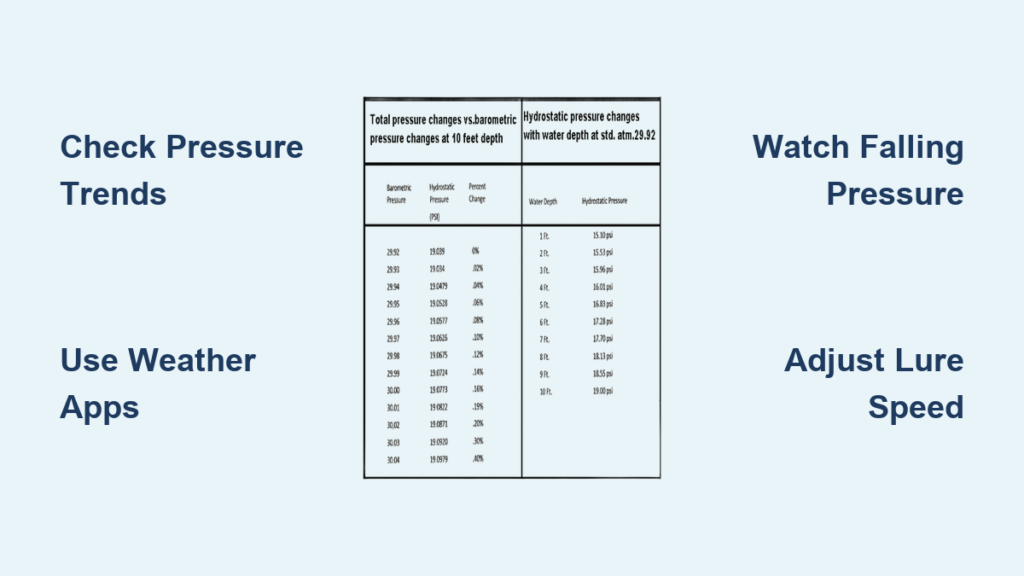
Barometric pressure is measured in inches of mercury (inHg) in the United States or millibars (mb) internationally. Knowing these numbers helps you interpret what the barometer tells you.
Standard Pressure Ranges
• 30.0 inHg represents average sea-level pressure
• 29.5 to 30.5 inHg covers the normal range for most conditions
• Below 29.2 inHg indicates low pressure associated with storm systems
• Above 30.5 inHg signals high pressure with clear skies
Key Fact: A change as small as 0.03 inHg can alter fish behavior, making trend tracking essential.
Altitude Adjustments
Pressure drops naturally with elevation. Fishing a mountain lake at 5,000 feet yields lower raw readings than sea level, but that doesn’t mean low pressure conditions.
• Always compare readings to local averages rather than sea-level standards
• Use apps that auto-correct for altitude to get accurate interpretations
• Focus on trends rather than absolute values when fishing at elevation
Reading the Trend Matters More Than the Number
Fish respond to change, not static values. A steady 29.4 inHg often produces better fishing than a volatile 30.0 inHg.
| Trend | What It Means for Fishing |
|---|---|
| Falling | Fish feed aggressively before the storm arrives |
| Steady | Predictable, pattern-based bites possible |
| Rising | Fish are full and cautious, bite slows significantly |
Example: A drop from 30.2 to 29.6 inHg over six hours signals prime pre-storm feeding conditions.
Best Barometric Pressure Ranges for Fishing

Not all pressure ranges produce equal results. Understanding which numbers trigger action helps you time your trips effectively.
Optimal Fishing Window
The sweet spot for most species falls between 29.2 and 30.9 inHg.
• 29.8 to 30.2 inHg is often called the optimal zone
• Below 29.2 inHg only produces good results if pressure is falling rapidly
• Above 30.5 inHg means slower bites, but fishing isn’t hopeless
Myth Bust: Low pressure only triggers good fishing when it’s dropping, not when it’s already low.
Rapidly Falling Pressure Produces the Best Bites
The most productive fishing occurs just before a storm hits. As pressure plummets, fish sense the change and feed aggressively.
• Baitfish scatter, triggering predator strikes
• Topwater lures and fast retrieves excel during these windows
• This window typically lasts one to two hours before rain begins
Rising Pressure After Fronts Creates Tough Conditions
After a cold front passes and pressure rises, fish become lethargic and selective.
• Fish retreat to deep water or heavy cover
• Allow 24 to 48 hours for the bite to return
• Switch to finesse presentations and slow retrieves
How Pressure Changes Affect Fish Biology
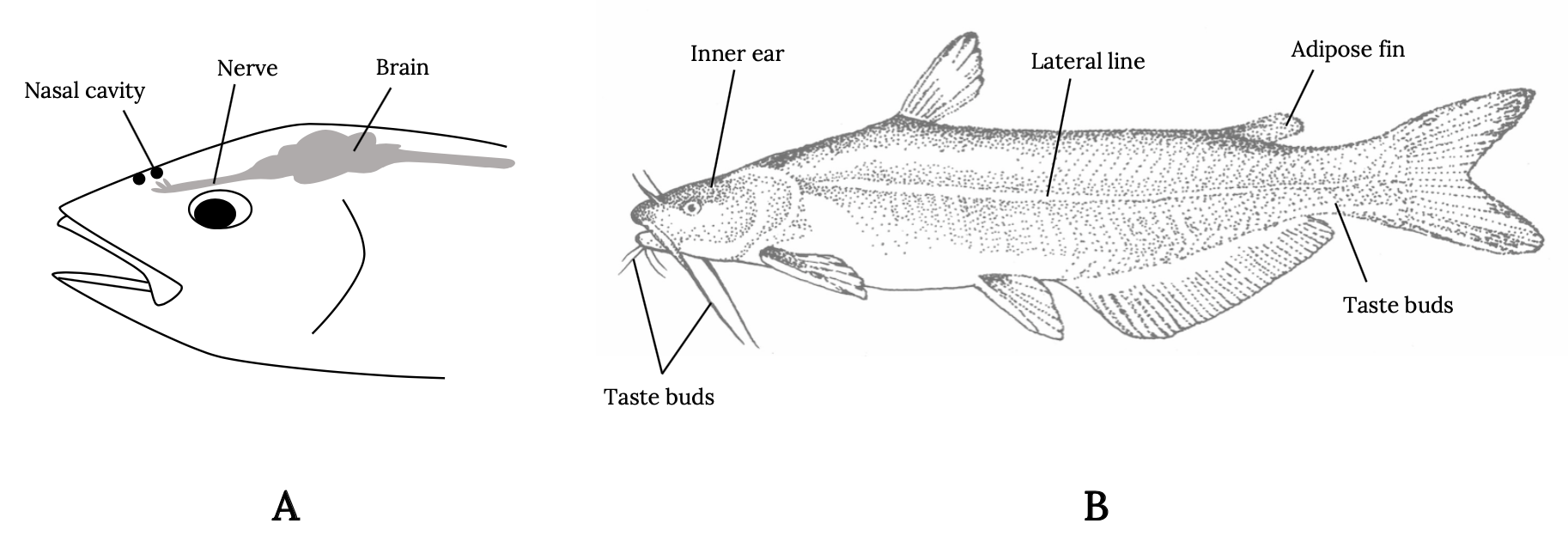
Fish don’t feel pressure like humans do, but they react to changes through specialized biology.
Swim Bladder Response
The swim bladder helps fish control buoyancy. When atmospheric pressure drops, the bladder expands slightly, making fish feel more buoyant and often moving them shallower. This triggers instinctual feeding behavior before conditions worsen. When pressure rises, the bladder compresses, making fish feel heavier and less mobile, causing them to suspend or hug the bottom.
Lateral Line Sensitivity
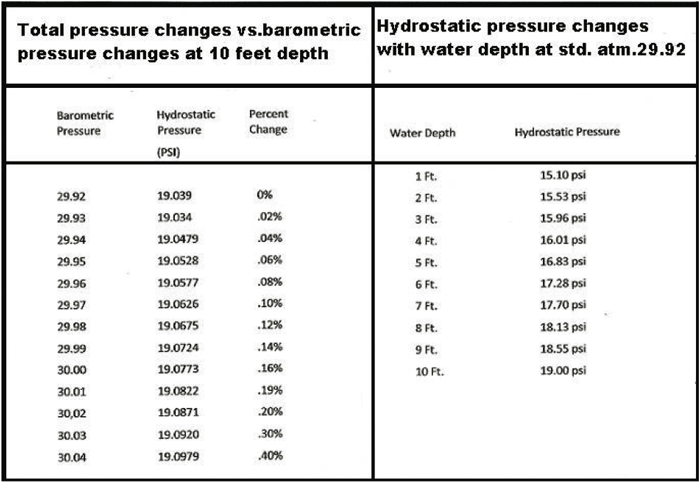
This sensory system detects pressure waves and vibrations in the water. Sudden shifts alert fish to incoming weather, prompting feeding or retreat behaviors. Shallow fish under 15 feet are far more sensitive to atmospheric changes than deep fish. At depths greater than 33 feet, water pressure dominates over atmospheric changes, making deep fish less responsive.
Combining Pressure with Other Environmental Factors
Barometric data is powerful alone but even better when paired with other environmental cues.
Syncing with Solunar Feeding Times
Fish feed most during major and minor solunar periods. When these align with falling pressure, expect explosive bites.
| Combination | Expected Result |
|---|---|
| Falling pressure + major solunar | Explosive bites within 30 minutes of peak |
| Steady pressure + solunar | Consistent, predictable action |
| Rising pressure + solunar | Slight improvement but still challenging |
Pro Tip: Use Fishnology or solunar apps to overlay pressure trends with moon phases for maximum predictive power.
Factoring in Wind and Cloud Cover
• Wind stirs baitfish, reduces light penetration, and adds oxygen, boosting the bite even during high pressure
• Clouds diffuse sunlight and keep fish active during midday hours
• Light rain with falling pressure creates ideal conditions, while heavy rain reduces visibility too much
Considering Temperature Shifts
Not all cold fronts hurt fishing. During late summer, a front that cools surface water a few degrees can reinvigorate sluggish walleye and bass. In spring, cold fronts may shut down shallow spawning fish temporarily.
Species-Specific Pressure Responses
Different fish react uniquely to pressure changes. Tailor your approach by targeting the species you’re pursuing.
Largemouth Bass
• Falling pressure triggers aggressive feeding on shallow flats, respond well to topwater frogs and buzzbaits
• Rising pressure sends bass to brush piles and drop-offs, switch to drop-shot rigs and Ned rigs
• Deep bass over 20 feet are less affected by pressure changes
Walleye
• Falling pressure creates aggressive dusk feeding, use crankbaits and spinner rigs
• High or steady pressure makes walleye lethargic, try live bait under docks with slow jigs
Crappie
• Falling pressure sends crappie shallow where they school up tightly
• Rising pressure causes crappie to suspend deep, use slab jigs and vertical tubes with sonar
Trout
• Less sensitive to pressure than warm-water species but still respond to major drops
• In high pressure, hold in deep runs and shaded banks
• Focus on current seams and oxygen-rich riffles
Saltwater Species
• Deep fish over 33 feet are less affected due to water pressure overwhelming atmospheric changes
• Surface feeding increases during falling pressure when baitfish push toward the surface
• Captains note that sunny, high-pressure days often produce poor bites due to fish becoming more cautious
Adjusting Your Tactics Based on Pressure Trends
Your lure choice and retrieve speed should match what the barometer indicates.
Falling Pressure Calls for Aggressive Approaches
• Fish are hungry, active, and moving shallow
• Best lures include topwater poppers, crankbaits, spinnerbaits, and jerkbaits
• Use fast, erratic retrieves targeting flats, weed edges, and riprap
Pro Tip: Fish the wind-blown shore where waves push baitfish and oxygen levels rise.
Steady Pressure Means Pattern Fishing
• Fish follow predictable routines during stable conditions
• Use solunar tables to time outings around peak feeding windows
• Match local patterns and focus on structure and depth changes
Rising or High Pressure Requires Finesse
• Fish are full, cautious, and holding deep
• Best lures include drop-shot rigs, Ned rigs, suspending jerkbaits, and light jigs
• Use slow, subtle retrieves targeting deep ledges and shaded cover
Common Myths About Barometric Pressure and Fishing
Don’t fall for these misconceptions that lead to poor decisions on the water.
Myth: Low Pressure Always Means Good Fishing
Only falling low pressure triggers active feeding. Prolonged low pressure during multi-day storms suppresses the bite rather than improving it.
Myth: High Pressure Kills the Bite Entirely
Rising pressure post-front is tough, but steady high pressure between 30.2 and 30.5 inHg can still produce fish, especially with finesse tactics.
Myth: Fish Get Headaches from Pressure Changes
There’s no evidence fish experience pain from pressure. Changes affect swim bladder function and feeding instincts, not discomfort.
Pre-Trip Pressure Checklist
Use this checklist before every fishing outing.
• Check current pressure using an app, website, or handheld gauge
• Identify the trend: falling, rising, or steady
• Compare to the ideal range of 29.2 to 30.9 inHg
• Review the past 24 hours of pressure history
• Cross-reference with solunar tables for peak feeding windows
• Adjust lure selection and retrieve speed based on conditions
• Factor in wind, clouds, and temperature for complete situational awareness
• Be patient after cold fronts, waiting 1 to 2 days for the bite to return
Key Takeaways for Using Barometric Pressure to Fish Smarter
Understanding barometric pressure transforms how you approach fishing trips. The best time to fish occurs during rapidly falling pressure just before a storm arrives, when fish sense the change and feed aggressively. The worst conditions happen in the first 24 hours after a cold front passes, when rising pressure makes fish lethargic and selective. Stable pressure over multiple days produces the most consistent, predictable bites.
The optimal pressure range falls between 29.2 and 30.9 inHg, with peak performance near 30.0 inHg. Remember that trend matters more than the absolute number, as a dropping 29.4 often outperforms a steady 30.0. Shallow fish under 15 feet are far more sensitive to pressure changes than deep fish, making this factor especially valuable for targeting bass, crappie, and panfish.
Combine pressure data with solunar forecasts for explosive bite predictions, and always adjust your tactics to match conditions. Falling pressure calls for aggressive topwater presentations, steady pressure rewards pattern fishing around structure, and rising pressure demands finesse techniques with slow, subtle retrieves. By mastering how to check barometric pressure for fishing, you stop guessing and start predicting fish activity with confidence.
Frequently Asked Questions About Barometric Pressure for Fishing
What is the best barometric pressure for fishing?
The optimal range is 29.2 to 30.9 inHg, with the sweet spot often near 30.0 inHg. However, rapidly falling pressure produces the best bites regardless of the absolute number.
How do I check barometric pressure for fishing?
Use smartphone weather apps like Weather.com or AccuWeather, handheld barometers like the Trac Fishing Barometer, marine weather stations, or online sources like NOAA and Weather Underground. Fishing-specific platforms like Fishnology.online also combine pressure with solunar data.
Does barometric pressure really affect fish behavior?
Yes. Fish sense pressure changes through their lateral line and swim bladder. Falling pressure triggers feeding frenzies while rising pressure makes fish lethargic and cautious.
How long after a cold front should I wait to fish?
Allow 24 to 48 hours after a cold front passes for the bite to return. Fish are typically sluggish immediately following rising pressure but resume normal feeding patterns as conditions stabilize.
Which fish are most sensitive to barometric pressure?
Shallow-water fish like largemouth bass, crappie, and panfish are most sensitive. Deep fish over 33 feet are less affected because water pressure at those depths overwhelms atmospheric changes.