
Fishing is more than dropping a line in the water. It is a system of tools, techniques, and knowledge working together to attract and catch fish. Understanding how fishing works means learning how rods, reels, lines, hooks, and bait combine to fool fish into biting. Whether you use a simple worm on a hook or cast high-tech lures, the core process stays the same.
This guide walks you through every step of how fishing works, from picking the right gear to handling fish responsibly. You will learn how rods and reels control your line, why certain baits trigger strikes, how fish detect your offering before seeing it, and what to do when you feel that first tug. By the end, you will understand not just how to fish, but why each step matters for success.
Choose the Right Fishing Rod and Reel for Your Skill Level

Your rod and reel form the foundation of every fishing setup. Together, they control casting distance, line management, and the ability to fight and land fish. Choosing matching equipment makes learning easier and fishing more enjoyable.
Match Your Rod Power and Action to Target Fish
Rod power describes how much force it takes to bend the rod. Rod action describes where the bend occurs along the blank.
Power options for beginners:
– Ultralight power works well for panfish and trout
– Medium power handles bass, walleye, and catfish
– Heavy power targets large predators like pike and saltwater species
Action affects your ability to feel bites:
– Fast action bends near the tip, giving excellent sensitivity for detecting light bites
– Moderate action bends in the upper half, balancing sensitivity with casting power
– Slow action bends throughout the rod, offering forgiveness for beginners
For most new anglers, a 6 to 7 foot medium-power moderate-action rod provides the best starting point. This versatility handles a wide range of fish and techniques without being too stiff or too floppy.
Pick a Beginner-Friendly Reel Type
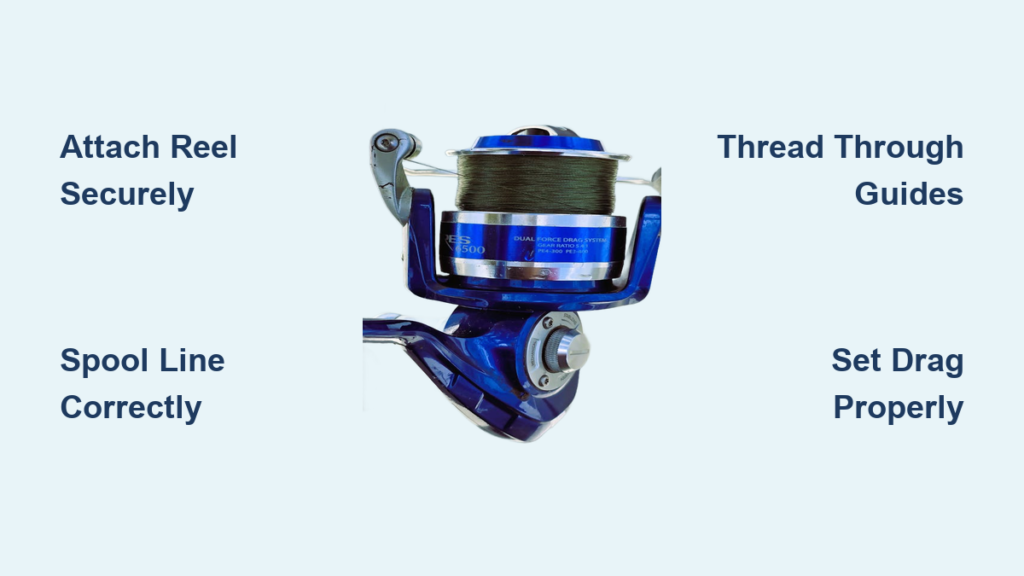
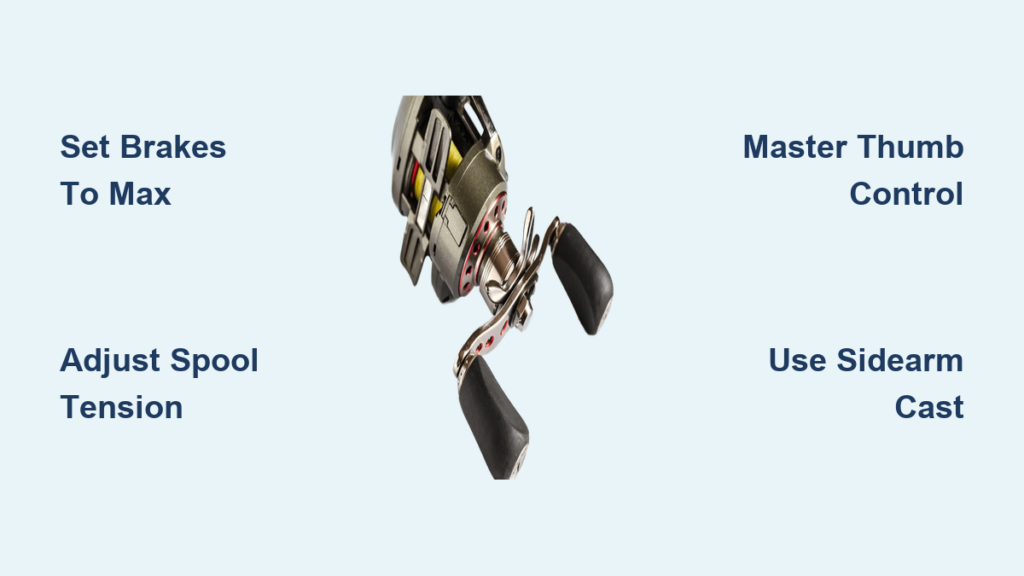
Two reel types work best for newcomers: spinning reels and spin-cast reels.
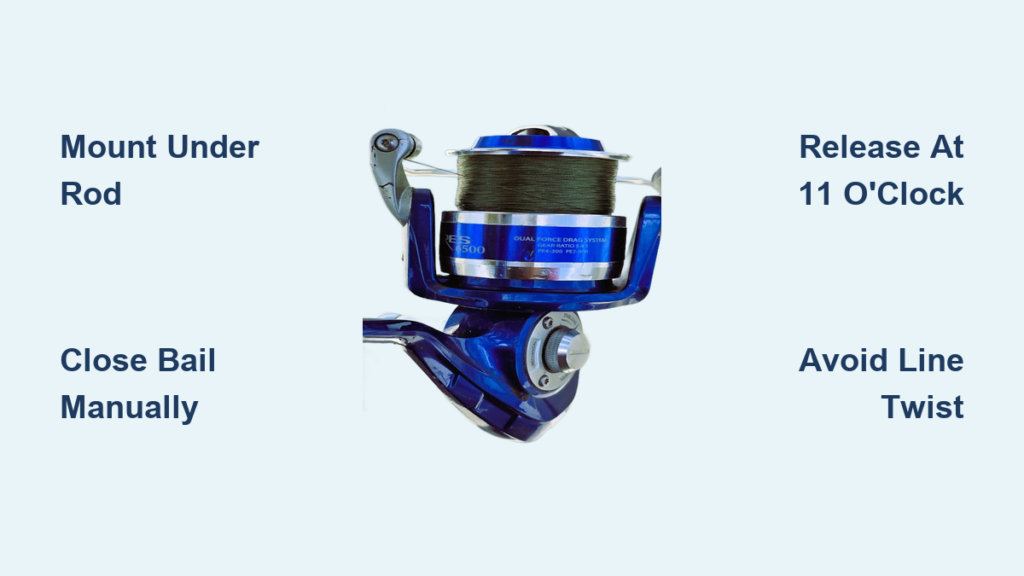
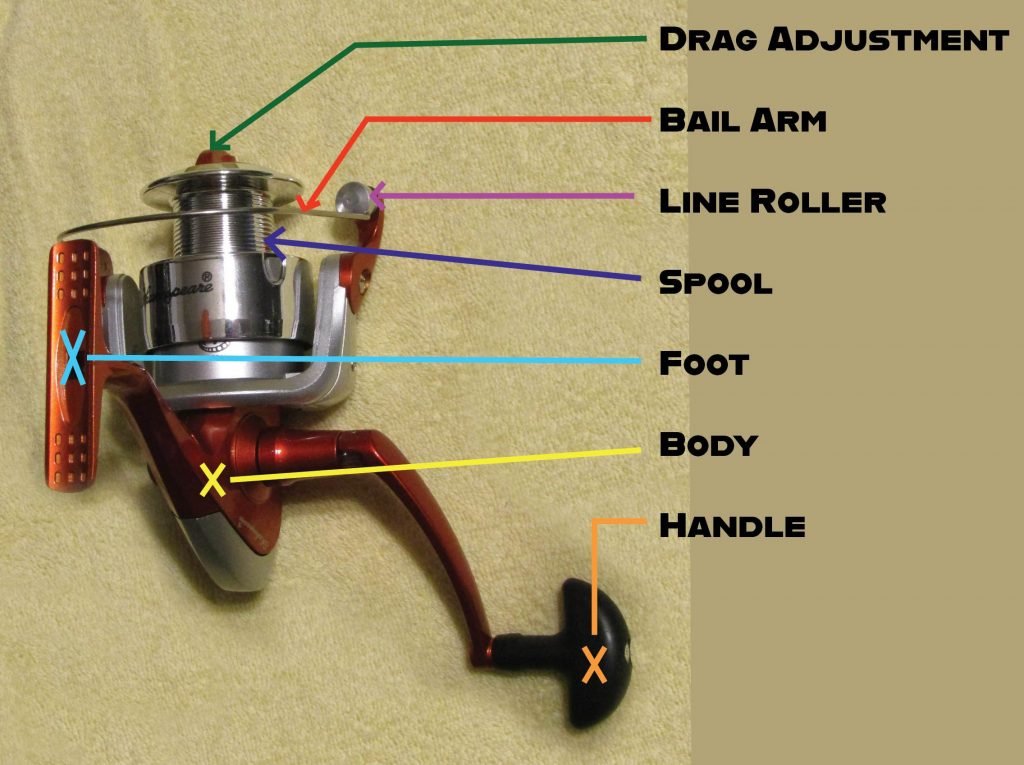
Spinning reel characteristics:
– Mounts under the rod handle
– Uses an open spool with a bail that flips open to release line
– Requires using your index finger to control line during casts
– Handles light lures well and enables longer casts
– Recommended size for freshwater: 2000 to 3000
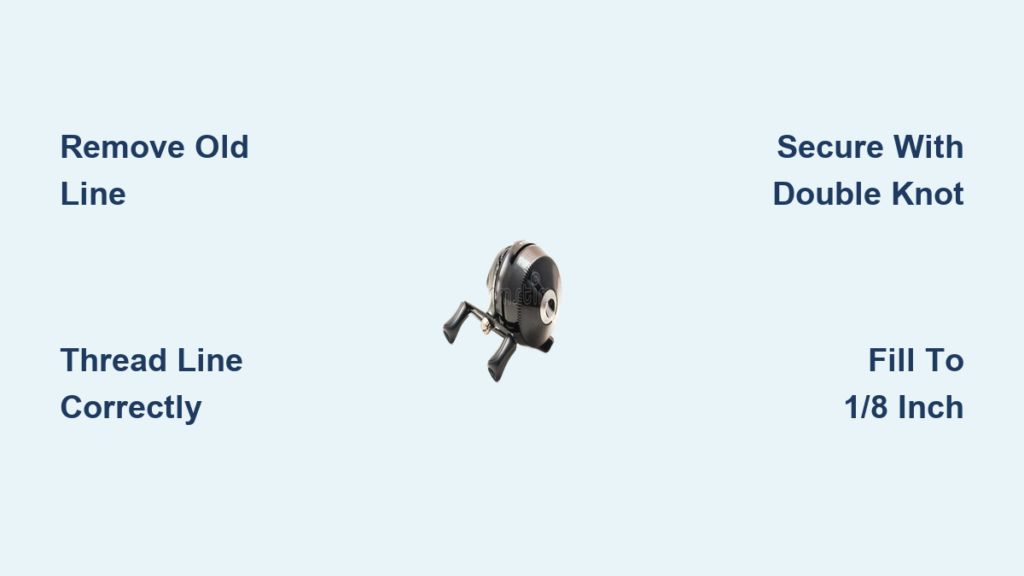
Spin-cast reel characteristics:
– Sits on top of the rod with a closed face
– Uses a push-button release mechanism
– Requires no finger control, making it nearly backlash-proof
– Features a pistol-grip handle for comfortable holding
– Ideal for children or absolute first-time anglers
Both types are easy to learn, but spinning reels offer more versatility as your skills improve.
Set Up Your Fishing Line Correctly
The fishing line connects you directly to the fish. Choosing the right type and strength affects your success rate and overall enjoyment on the water.
Compare the Three Main Line Types
Different line types offer distinct advantages depending on fishing conditions and target species.
| Line Type | Stretch | Strength | Visibility | Best Use |
|---|---|---|---|---|
| Monofilament | High | Medium | Moderate | Beginners, all-around fishing |
| Fluorocarbon | Low | High | Very low | Clear water, wary fish |
| Braided | None | Very high | Low | Heavy cover, deep water, big fish |
Monofilament remains the top choice for beginners. Its stretch provides forgiveness when fighting fish, it ties easily, and it costs less than other options. A 6 to 10 pound test line handles most freshwater species like bluegill, bass, and trout effectively.
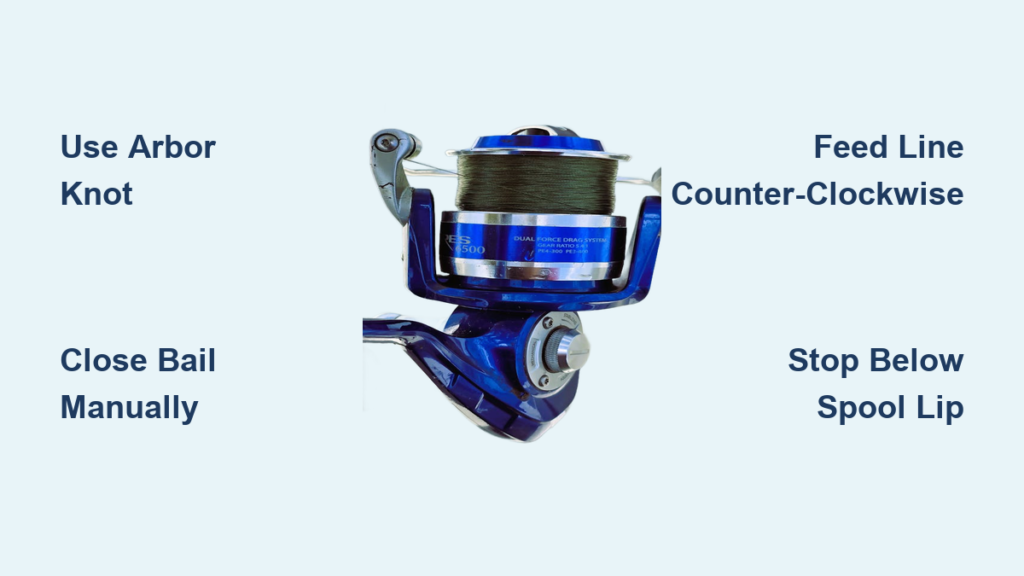
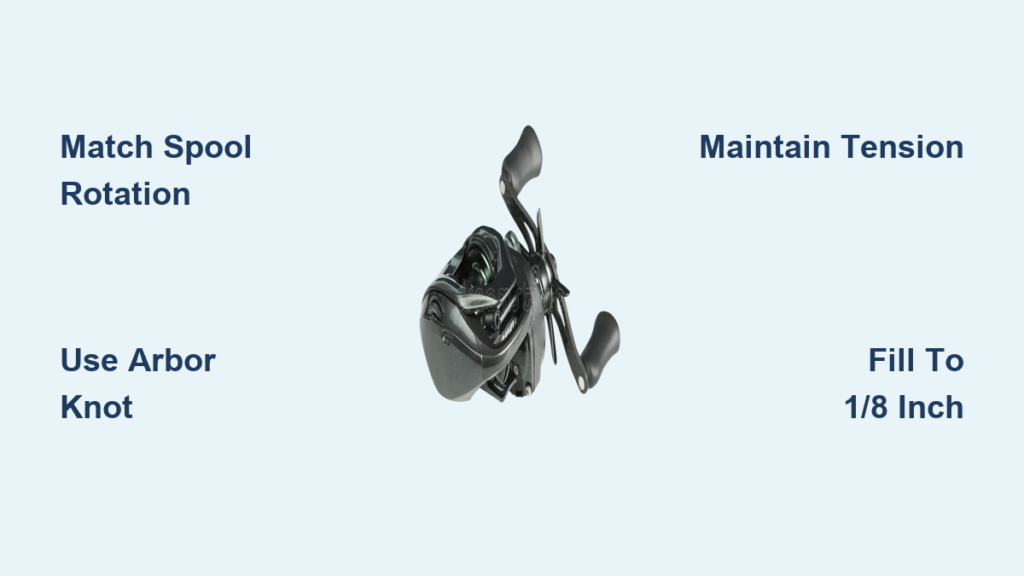
Spool Your Reel Properly
Follow these steps to spool line without tangles:
- Open the bail on spinning reels or engage the cast button on spin-cast reels
- Tie the line to the spool using a double overhand knot or arbor knot
- Leave approximately 1/8 inch of space from the spool edge
- Close the bail or release the button to secure the line
- Wet the line before tightening any knot to prevent friction damage
Overfilling the spool causes annoying tangles, so leaving that small gap matters more than you might think.
Master Terminal Tackle: Hooks, Sinkers, and Bobbers
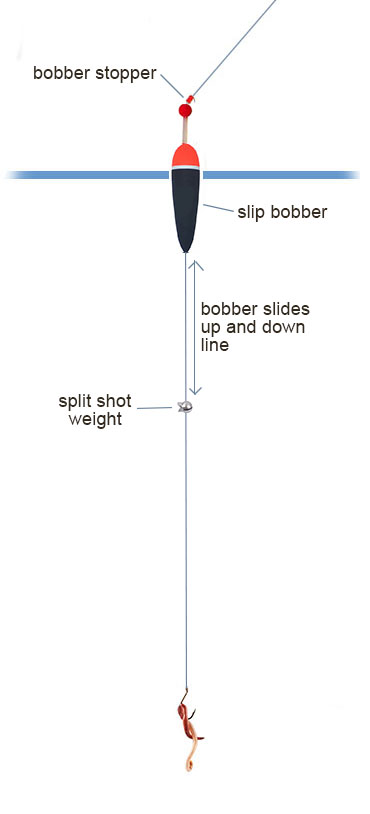
Terminal tackle includes everything attached to the end of your line: the hook, weight, float, and bait. This is the part of your setup that fish actually see and interact with.
Tie a Secure Hook Knot
The Improved Clinch Knot works reliably for attaching hooks to your line:
- Pass the line through the hook eye
- Wrap the tag end around the standing line five times
- Pass the tag end through the small loop created near the eye, then through the large loop
- Wet the knot and pull slowly to tighten smoothly
- Trim the tag end short once secure
This knot holds firm under pressure and takes just a minute to learn.
Add Weight and Float at the Right Distances
Sinker placement:
– Attach split shot or egg sinkers 6 to 12 inches above the hook
– Weight helps your bait sink faster and reach the bottom
– It also improves casting distance, especially in windy conditions
Bobber setup:
– Clip a floating bobber 1 to 2 feet above the hook
– Bobbers keep bait off the bottom in weedy areas
– They act as bite indicators, dipping or darting when fish bite
– Adjust the depth so your bait hangs just above the lake or river floor
Select Bait or Lures That Trigger Fish Strikes

Fish find food using sight, smell, vibration, and sound. Your bait or lure must trigger at least one of these senses to generate interest.
Use Natural Bait for Better Results
Live and natural baits release scent and move naturally, making them incredibly effective at triggering strikes.
Common natural baits and their targets:
– Nightcrawlers and red worms attract panfish, trout, and catfish
– Minnows work well for bass, pike, and walleye
– Crickets and grasshoppers catch trout during summer months
– Sweet corn draws in carp and bluegill reliably
Hook worms through the middle or near the head to keep them alive and wriggling longer. Movement matters significantly when using live bait.
Choose Artificial Lures That Mimic Prey
Lures create attraction through flash, wobble, and vibration rather than scent.
Best lures for beginners:
– Small spinners feature a spinning blade creating flash and vibration that triggers strikes from bass and trout
– Crankbaits are hard-bodied lures with a diving lip that makes them wobble like injured baitfish
– Soft plastics include worms and grubs rigged on jig heads, perfect for weedy or rocky areas
Start with a shallow-diving crankbait or inline spinner. Reel at a steady pace without needing any fancy retrieval techniques.
Cast Your Line Accurately and Safely
Good casting gets your bait into the strike zone efficiently. Proper technique means longer casts, quieter entries, and fewer tangles.
Spin-Cast Reel Casting Steps
- Hold the rod with your thumb on the thumb button
- Press and hold the button to engage the spool
- Turn your body at a 45-degree angle toward your target
- Bring the rod smoothly up to eye level
- Release the button at the top of your forward swing
- Point the rod at your target to guide the cast
Common mistakes include releasing too early, which sends line straight up, or releasing too late, which lands the bait short.
Spinning Reel Casting Steps
- Open the bail using your non-dominant hand
- Pinch the line against the rod with your index finger
- Swing the rod up to eye level while maintaining the pinch
- Release your finger at the peak to let the line fly
- Close the bail after the cast lands in the water
Practice with a rubber casting plug in an open field before using real hooks to build muscle memory without the risk of getting hooked.
Detect Bites and Set the Hook Correctly
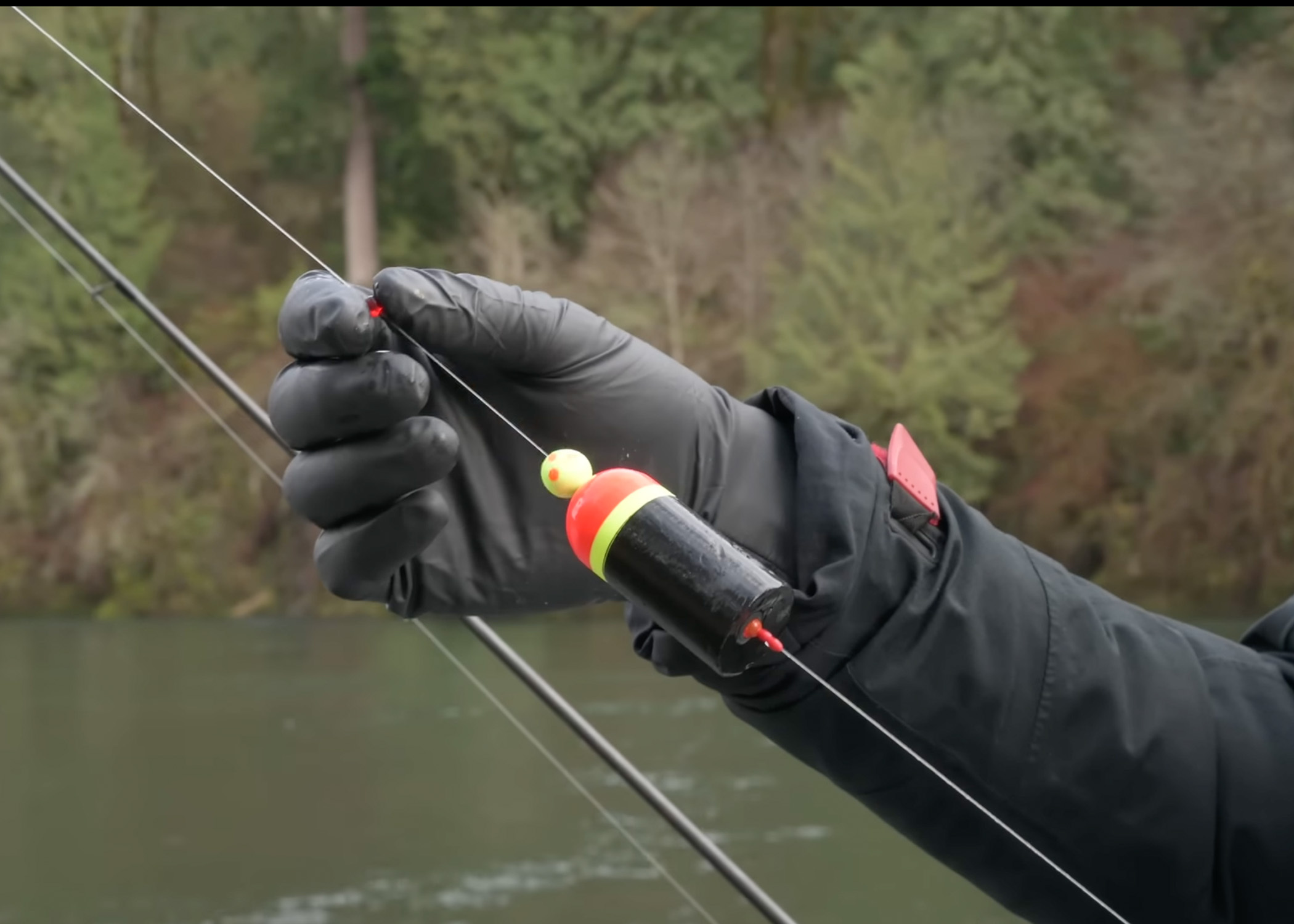
Recognizing when a fish bites and reacting properly separates successful anglers from those who constantly lose fish.
Watch for Visual Bite Indicators
Bobber signals:
– Sudden dip below the surface means a fish took the bait
– Erratic twitching or movement sideways indicates interest
– Being pulled under completely signals an active bite
Line and rod cues:
– Any unexpected movement or drift on still water means fish activity
– Light taps or bends on the rod tip signal a fish nibbling
Feel for Subtle Bites When Using Lures
When fishing without a bobber, bites are often felt rather than seen.
- Panfish bites feel like light taps, similar to a pebble touching the line
- Bass bites register as firm pulls or sudden weight
- Catfish bites often feel like slow, steady dragging, sometimes going unnoticed until you reel and find resistance
Set the Hook With the Right Motion
When you detect a bite, act immediately:
- Lift the rod tip sharply upward, about 6 to 12 inches
- This drives the hook into the fish’s mouth
- Do not reel yet; set the hook first, then retrieve
- Maintain consistent tension throughout the fight
Avoid yanking too hard. An overly strong snap can tear the hook from the fish’s mouth or break your line.
Land and Handle Fish Without Causing Harm
Once the fish is hooked, proper landing and handling ensures the fish survives whether you keep it or release it.
Reel With Control and Patience
- Keep steady pressure on the line throughout the fight
- Let your reel’s drag system work when the fish makes runs
- Guide the fish toward shore or the boat rather than rushing
- Use the rod’s bend to absorb jumps and sudden surges
Use a Landing Net for Safety
A rubber-mesh net works best for landing fish:
- Rubber mesh damages fish scales less than nylon
- It prevents hook snagging in the net material
- It helps secure slippery or thrashing fish
Scoop the fish head-first into the net to avoid injury.
Handle Fish With Care
- Wet your hands before touching any fish
- Dry hands remove the protective mucus layer that keeps fish healthy
- Support the fish’s body horizontally; never hold vertically by the jaw
- Use pliers to remove deeply embedded hooks
- Keep air exposure under 30 seconds if you plan to release
Practice Responsible Catch and Release
Catch and release keeps fish populations healthy and ensures future fishing opportunities for everyone.
Why Release Matters
- It protects spawning adults that maintain healthy populations
- It keeps ecosystems in balance
- Many species have legal requirements for releasing certain sizes or numbers
Maximize Survival With Proper Techniques
- Use barbless hooks whenever possible for easier removal
- Avoid deep hooking; if the hook is in the gills or stomach, cut the line instead of pulling it out
- Revive the fish before release by holding it upright in moving water until it swims away strongly
- Handle fish in the water whenever possible to minimize stress
Find the Best Fishing Spots Near You
Fish are not evenly distributed throughout water bodies. They gather where food, cover, and appropriate depth combine.
Look for These Productive Features
- Structure: Rocks, logs, docks, and bridges provide hiding spots where fish ambush prey
- Cover: Weeds, lily pads, and overhanging trees offer shade and protection
- Depth changes: Drop-offs and ledges where shallow water meets deep create feeding zones
- Current breaks: Areas behind rocks or river bends let fish rest while waiting for food
Approach Fishing Areas Quietly
Fish sense vibrations through their lateral line. Move slowly, avoid loud talking, and do not stomp on docks or wooden platforms. A quiet approach dramatically increases your chances of catching fish.
Follow Fishing Laws and Get Licensed
Fishing regulations exist to protect fish populations and ensure fair access for all anglers.
Obtain Required Licenses
- Most states require fishing licenses for anglers over age 16
- Purchase online, at tackle shops, or through state wildlife agencies
- Some states offer free fishing days throughout the year
Know Local Regulations
Always check before fishing:
- Size limits specify how big a fish must be to legally keep
- Bag limits determine how many fish you can keep per day
- Closed seasons protect fish during spawning periods
Rules vary significantly between locations, so what is legal in one lake may be illegal in the next.
Frequently Asked Questions About How Fishing Works
What is the basic principle of fishing?
Fishing works by presenting an attractive offering to a fish, then detecting when the fish takes that offering. The angler uses a rod and reel to cast the bait or lure, waits for the fish to bite, sets the hook, and retrieves the catch. Success depends on matching gear to target species, understanding fish behavior, and executing each step properly.
How do I know when a fish is biting?
You detect bites through visual indicators like a bobber dipping or line moving, or by feeling subtle sensations through the rod tip. With bobber rigs, watch for the bobber going under or twitching. With lure fishing, feel for taps, pulls, or sudden weight on the line. React immediately when you notice any of these signs.
What is the easiest fishing method for beginners?
The bobber rig with live bait is the easiest method for beginners. Attach a hook to your line, add a bobber 1 to 2 feet above the hook, and thread a worm or piece of corn onto the hook. Cast it out, watch the bobber, and when it dips, set the hook. This setup provides visual bite detection and works for many common freshwater fish.
Do I need expensive gear to start fishing?
No, you do not need expensive gear to start fishing. A basic medium-power spinning rod and reel combo with 6 to 10 pound monofilament line works well for most beginners. Add a few hooks, split shot sinkers, a bobber, and some worms or corn, and you have everything needed to catch fish. Many communities also offer tackle loaner programs.
How does catch and release work?
Catch and release involves catching a fish, removing the hook quickly and carefully, and returning the fish to the water alive. Wet your hands before handling, support the fish horizontally, remove the hook with pliers, and hold the fish in the water until it swims away strongly. This practice helps maintain fish populations for future fishing opportunities.
What makes fish attracted to bait or lures?
Fish are attracted through multiple senses. Natural bait releases scent that draws fish from a distance. Lures create flash and vibration that fish detect through their lateral line. Movement matters too, as wounded or struggling prey triggers feeding instincts. Understanding which sense matters most for your target species helps you choose the right bait or lure.
Key Takeaways for Understanding How Fishing Works
Fishing works because it combines simple tools with an understanding of fish behavior. The process flows from selecting proper gear, setting up your line correctly, presenting attractive bait, detecting bites, and executing a solid hook set. Each step matters, but none requires advanced skills or expensive equipment.
The most important things to remember are matching your gear to your target fish, approaching fishing areas quietly, watching for bite indicators, and handling fish carefully whether you keep or release them. Following local regulations and practicing conservation ensures these opportunities exist for future generations.
Now that you understand how fishing works, gather your basic gear, obtain any required license, and head to a local lake or river. Practice your casting, be patient, and enjoy the process of learning this rewarding outdoor activity.