
You’ve packed your gear, tied your knots, and picked out the perfect lure. Now comes the most important question: when to go fishing? Timing can mean the difference between a trophy catch and coming home empty-handed. The best fishing times aren’t just about sunrise and sunset. They’re shaped by water temperature, light levels, weather patterns, moon phases, and fish behavior. Knowing how to know when to go fishing helps you plan smarter and catch more.
This guide cuts through the guesswork. Using research-backed insights and real-world angler experience, we’ll show you how to predict peak feeding windows, leverage technology, and adapt to changing conditions. Whether you’re targeting bass in a murky lake or trout in a mountain stream, understanding the triggers behind fish activity will transform your approach on the water.
Water Temperature Triggers Fish Activity
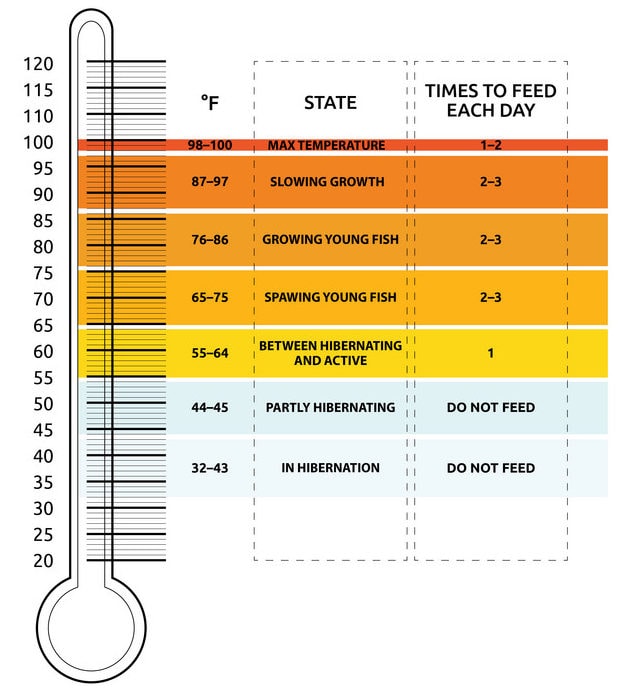
Fish are cold-blooded, meaning their metabolism rises and falls with the water. That makes temperature the single most important factor for predicting when fish will feed.
Ideal Temperature Ranges for Gamefish
Most freshwater species, including bass, walleye, and trout, feed best between 60°F and 75°F (15.5°C to 24°C). In this range, their bodies work efficiently, digestion is fast, and energy levels peak.
Below 50°F, fish slow down significantly. Their metabolism drops, making them less likely to chase lures. Above 85°F, oxygen levels fall especially in shallow or still water, and fish become stressed and inactive. Sudden temperature changes like a cold front or heatwave can shut down feeding for hours as fish adjust.
Check Before You Cast
Use a water temperature gauge to confirm conditions before fishing. Many fish finders display real-time temps at different depths. If the surface is outside the 60 to 75 degree sweet spot, try deeper water where temperatures stabilize.
In spring and fall, shallow flats warm quickly in the sun. Target these zones midday when water hits the low 60s.
Read the Water Clarity
How far you can see into the water tells you how fish will behave and when they’re likely to bite. Clarity directly affects light penetration and fish confidence.
Clear Water Means Low-Light Feeding
In clear lakes or rivers, fish feel exposed during bright daylight. They stick to deep cover or shade and feed mostly at dawn, dusk, and night. Midday in clear water is usually slow. Fish are hiding, not hunting.
Muddy or Turbid Water Opens Midday Opportunities
When visibility drops due to rain, wind, or runoff, fish gain confidence. Light does not penetrate far, so they roam more freely, even at noon. Midday warming in shallow, dirty water can spark feeding. Baitfish move in, and predators follow. Use dark, noisy lures like chatterbaits or jigs to trigger reaction strikes.
Mixed Conditions: Cover Becomes Key
If water is moderately clear with about three feet of visibility and around 60°F, things get interesting. In open areas, fish rely on low light, so the best bite happens early morning or evening. Near heavy cover like docks, logs, or weeds, shade lines form at midday, creating ambush zones where fish heat up around noon.
Watch for shad or bluegill darting near the surface. That is a sign predators are nearby and ready to strike.
Best Times of Day to Fish

The sun’s position sets the daily rhythm for most fish. But the ideal window depends on species, season, and habitat.
Dawn: The Prime Feeding Window
At first light, fish leave deep resting zones and move into shallows to feed. Low light gives them cover. Prey is active. Metabolism kicks in. This first 60 to 90 minutes often produces the most aggressive bites.
Best lures for dawn include topwater baits, soft plastics, and shallow crankbaits. Species like bass, pike, trout, and walleye all respond well to early morning retrieves.
Dusk: The Second Peak
As light fades, fish return to shallow feeding grounds. This window is often stronger than morning, especially in summer. Calmer winds and dropping temperatures improve conditions. Use spinnerbaits, jerkbaits, or topwaters to trigger late strikes.
Midday: Adjust or Avoid
In clear water, midday is usually slow. But do not pack up. Adapt instead. Fish deep structure like drop-offs, humps, and ledges. Flip heavy cover including docks, grass, and brush piles. Use slow presentations like jigs, drop shots, or live bait.
One key exception: overcast days extend low-light conditions, and fish may feed all day.
Night Fishing: Hidden Advantage
Many species feed actively after dark, especially bass, catfish, and walleye. Benefits include less boat traffic, cooler temperatures, and fewer disturbances. Gear up with dark-colored or noisy lures like rattle traps or swimbaits. Use live bait for catfish. Bring a headlamp with red light to preserve your night vision.
Always prioritize safety. Know your location, mark hazards, and bring a partner.
Moon and Tide Timing
Nature’s rhythms do not stop at sunrise. The moon’s pull affects fish, especially in coastal and tidal waters.
Solunar Theory: Moon Overhead
The solunar theory suggests fish feed most during major and minor periods tied to the moon’s position. Major periods last about two hours and occur when the moon is directly overhead or underfoot. Minor periods happen when the moon is at 90-degree angles.
These windows often align with dawn, dusk, or midnight. While not 100% predictable, many anglers report better success during solunar windows, especially during full or new moons.
Use apps like Solunar or BassForecast to get daily solunar times for your location.
Tides Drive Saltwater Action
In estuaries, bays, and coastal flats, moving water equals feeding time. The incoming flood tide brings cool, oxygen-rich water and baitfish into shallows. The outgoing ebb tide flushes prey from marshes into channels.
The best bite occurs one to two hours before and after peak flow. Avoid slack tide when water stops moving, because fish stop feeding. Check local tide charts and plan your trip around peak tidal movement.
Weather That Triggers Bites
Weather changes create feeding opportunities if you know when to look for them.
Falling Barometric Pressure
When a storm approaches, pressure drops. Fish sense this change and often feed aggressively before the weather hits. The best time to fish is a few hours before rain or thunderstorms.
Use fast-moving lures like crankbaits, spinnerbaits, and topwaters. Bass, pike, and catfish respond particularly well to falling pressure.
Rising Pressure Means Tough Fishing
After a front passes, skies clear and pressure rises. Fish often go deep and become sluggish. Slow down with finesse rigs like drop shots or Ned rigs. Fish deeper structure. Try live bait.
Wind: Your Secret Weapon
Light to moderate wind between 5 and 15 mph improves fishing in several ways. It creates surface chop that gives fish cover. It drives baitfish toward shore. It oxygenates the water.
South or southeast winds often bring warmer air and better bites. Avoid extreme winds over 20 mph for safety and casting control.
Rain: Good or Bad?
Light rain is great for fishing. It reduces light, adds runoff with food, and mimics low-light conditions. Heavy rain can make water too muddy or fast. Wait 12 to 24 hours for clarity to stabilize.
Post-rain clarity improvement often triggers a strong feeding window.
Species-Specific Timing

Not all fish follow the same schedule. Match your timing to your target species for best results.
Largemouth Bass
Peak times are dawn, dusk, and night. In summer, avoid midday sun unless fishing shaded docks or weed edges. Spring and fall offer broader windows due to spawning and migration.
Use topwater lures at dawn and dusk. Switch to jigs and worms for midday.
Smallmouth Bass
Smallmouth are more active in bright light than largemouth. They feed well in mid-morning and afternoon, especially in clear water. They prefer rocky points, current seams, and drop-offs.
Walleye
Walleye are classic low-light predators. Best times are dusk, night, and early morning. They also bite on overcast days.
Use jig-and-minnow combos near drop-offs or weed edges.
Trout
Trout feed during cooler parts of the day. In summer, target early morning and late evening. Watch for midday insect hatches like mayflies and caddis. Overcast days extend daytime feeding.
Catfish
Catfish are primarily nocturnal, especially channel and flathead catfish. Best fished at night with stink bait, cut bait, or live shad. Blue cats may feed during the day in deep holes.
Use Technology to Predict Bites
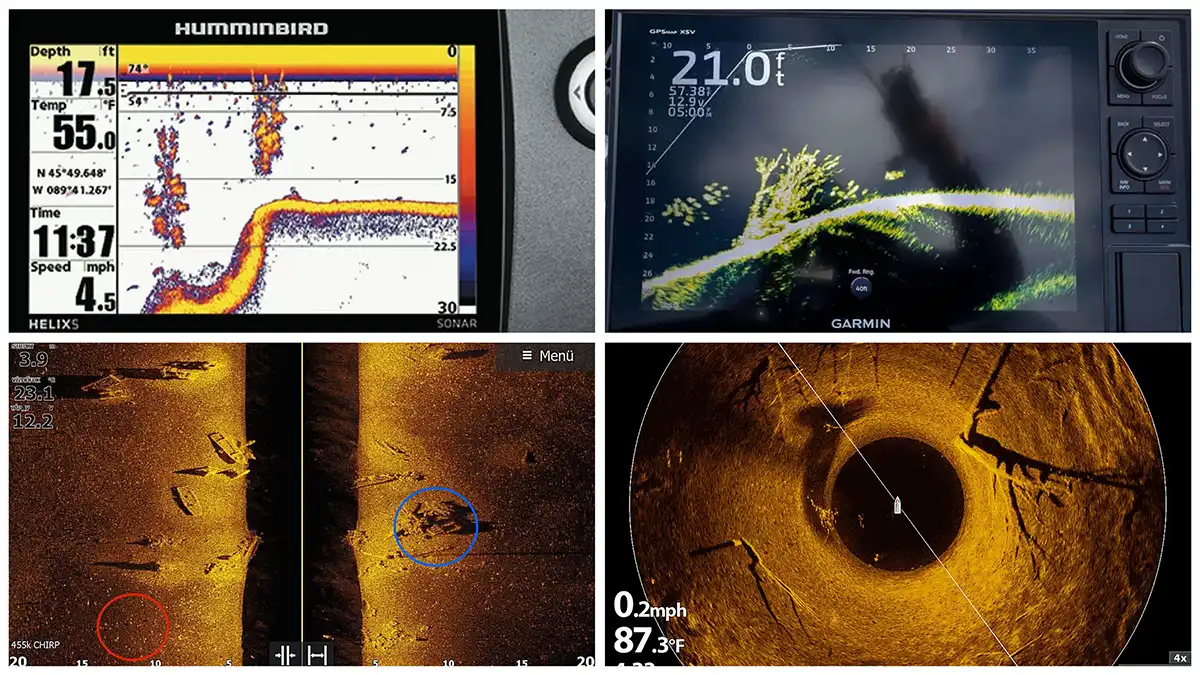
Modern tools take the guesswork out of timing and help you find active fish.
Fishing Apps and Calendars
Get daily forecasts for solunar periods, moon phases, tide times, and weather trends. Popular apps include FishWeather, Tides Near Me, BassForecast, and OnTheWater.
Set alerts for optimal fishing windows in your area.
Fish Finders: See Before You Cast
A sonar device shows you exactly where fish are and whether they are active. 2D sonar detects depth, structure, and fish arches. Down imaging and side imaging provide high-resolution views of bottom contours and fish location.
Look for schools of baitfish, thermoclines where fish stack, and suspended or grouped gamefish.
If your screen shows fish but no bites, try changing lure depth or speed.
Water Temperature Gauges
Many fish finders include built-in temperature sensors. Use them to find the thermal sweet spot between 60 and 75°F. This is critical during seasonal transitions like spring turnover and summer stratification.
Watch for Real-Time Clues
No tool beats on-the-water observation. The best anglers read the signs and adapt quickly.
Signs Fish Are Feeding
Watch for surface strikes or boiling water. Birds diving like gulls or terns means baitfish are near the surface. Baitfish jumping or nervous surface behavior signals predators nearby. Tight schools on sonar or fish stacked on structure like points, weed edges, and drop-offs indicate active feeding zones.
The Muddy Water Letdown
On Lake Eala in Alabama, a Bassmaster pro flipped a tube in shallow, muddy water, a textbook midday setup. The bite was hot until 9:00 AM, then stopped cold. Despite ideal turbidity and temperature, fish shut down unexpectedly. Maybe it was a pressure shift or predator movement.
The lesson is clear: rules are guidelines. Observe, adapt, and move when the water tells a different story.
Plan Your Trip Like a Pro
Success starts before you leave the house. Use this checklist to prepare.
Pre-Trip Checklist
First, check a fishing app for solunar times, moon phase, weather forecast, and tide charts if applicable. Second, review local reports by calling bait shops, checking forums like BassResource or In-Fisherman, and following tournament updates. Third, assess water conditions including clarity, temperature, and any algae or flooding using NOAA data or the LakeLevel app.
On-Water Strategy
Start at first light on shallow flats or points. If no bite by 9:00 AM, move to deeper structure or shaded cover. Use your fish finder instead of wasting time on empty spots.
Change lures based on light conditions. Use topwater and wake baits in low light. Switch to deep divers, jigs, and drop shots in bright light.
Monitor temperature changes throughout the day.
Final Thoughts on Knowing When to Go Fishing
The best time to go fishing is not on a calendar. It is when fish are feeding. While patterns help, real-time awareness wins every time.
Key takeaways to remember: fish between 60°F and 75°F for peak activity. Target dawn and dusk in clear water but exploit midday in muddy or covered areas. Exploit falling pressure before storms. Use solunar and tide data especially in saltwater. Watch for surface signs and adjust fast. Let technology be your edge with apps, sonar, and temperature gauges.
No single rule works every day. The most successful anglers combine science, tools, and instinct, then adapt when the water tells a different story.
Now you know how to know when to go fishing. Pack your gear, check the conditions, and hit the water at the right time. The bite is waiting.
Frequently Asked Questions About Knowing When to Go Fishing
What is the best time of day to go fishing?
Dawn and dusk are generally the best times for most freshwater species. Fish are most active during low-light periods because they feel safer feeding and prey is more available. However, midday can produce results in turbid water, heavy cover, or on overcast days.
Does water temperature affect fishing success?
Yes, absolutely. Water temperature directly controls fish metabolism and activity levels. Most gamefish feed best between 60°F and 75°F. Outside this range, fish become lethargic or stressed. Always check water temperature before fishing and adjust your depth accordingly.
How does weather affect when fish bite?
Falling barometric pressure before storms often triggers aggressive feeding. Light to moderate wind improves fishing by creating cover and oxygenating water. Rising pressure after a front usually makes fish sluggish. Light rain can enhance fishing by reducing light and adding food sources.
Is fishing during a full moon better?
Many anglers report better success during full and new moons. These moon phases create stronger solunar periods with increased tidal movement and gravitational pull. While not scientifically proven, solunar timing is a useful tool for predicting feeding windows.
What is the best time to fish for bass?
Largemouth bass are most active at dawn, dusk, and night. In summer, avoid midday unless fishing shaded cover. Spring and fall offer broader feeding windows due to spawning and migration. Smallmouth bass are more tolerant of bright light and often feed actively during mid-morning and afternoon.
Should I fish during rain?
Light rain is excellent for fishing. It reduces light penetration, adds runoff with food, and improves fish confidence. Heavy rain can make water too muddy or fast-flowing. Wait 12 to 24 hours after heavy rain for conditions to stabilize before fishing.