Have you ever noticed that your best fishing days happen just before a storm? You are not imagining it. Barometric pressure changes directly influence fish behavior, and a homemade barometer can help you predict those prime bite windows. Unlike relying on weather apps or smartphone signals, a DIY fishing barometer gives you a real-time, visual readout of atmospheric trends using simple household items.
This guide shows you exactly how to make a barometer for fishing using the most effective design: the inverted bottle water column barometer. It is durable, accurate for trend tracking, and perfect for anglers who want to understand why fish are biting before they cast a line. You will learn step-by-step assembly, how to read pressure changes, and how to use your barometer to plan successful fishing trips.
Build the Inverted Bottle Barometer

The inverted bottle water column barometer is the best DIY option for anglers. It uses trapped air and water displacement to show pressure trends over hours, making it ideal for spotting pre-frontal feeding surges.
Gather Required Materials
You only need a few common household items:
- Clear glass jar (18 oz) such as a mason jar or cleaned peanut butter jar
- Small glass or plastic bottle (12 oz) such as a soda bottle with a straight neck
- Tap water enough to fill the jar
- Food coloring red or blue (avoid green as it can appear muddy)
- Rubber band for marking baseline water level
- Flat stable surface to place the barometer indoors
Ensure all containers are clean and dry. Residue or grease can interfere with water movement and clarity.
Assemble the Barometer in 6 Steps
Follow these steps carefully to create a responsive, long-lasting pressure gauge.
Prepare the Containers
Remove labels and wash both the jar and bottle with soap and water. Rinse thoroughly and dry completely. Any leftover film can affect water flow and visibility.
Fill the Outer Jar
Fill the large jar to the very top with water. Add one to two drops of food coloring and stir gently. The color should be visible but not opaque. This helps you track water movement inside the bottle neck.
Insert the Inverted Bottle
Turn the smaller bottle upside down and slowly lower it into the jar. The neck should point downward into the water. Let it float or rest stably with about two inches of the neck submerged.
Do not seal the bottle to the jar. It floats freely, and the airspace inside becomes your pressure sensor.
Remove Air Bubbles
Gently tilt the jar to release any trapped air bubbles inside the inverted bottle. Bubbles distort readings by creating false pressure pockets. A bubble-free system responds more accurately to real atmospheric changes.
Mark the Baseline
Slide a rubber band around the outside of the jar, aligning it with the current water level inside the bottle neck. This is your starting reference point for tracking rises and falls over time.
Place in a Stable Location
Set the barometer on a flat, vibration-free surface indoors, away from windows, heaters, or fans. Direct sunlight heats the water and air, causing expansion that mimics pressure changes and leads to false readings.
A garage shelf, sunroom table, or fishing gear closet works perfectly. Just keep it out of direct light and foot traffic.
How the Barometer Tracks Fishing Conditions

This device does not give digital numbers. It shows pressure trends, which is exactly what matters for fishing success.
Understand the Science Behind It
The sealed air inside the inverted bottle reacts to changes in atmospheric pressure.
When pressure falls (before storms), the trapped air expands and pushes water down and out of the bottle neck. This causes the water level to drop.
When pressure rises (after storms), heavier air pushes down on the jar water surface and forces water up into the bottle. This causes the water level to rise.
When pressure is stable, there is no significant movement.
These shifts happen slowly over six to 24 hours, making this barometer ideal for spotting approaching weather systems.
Read the Water Level Like a Pro
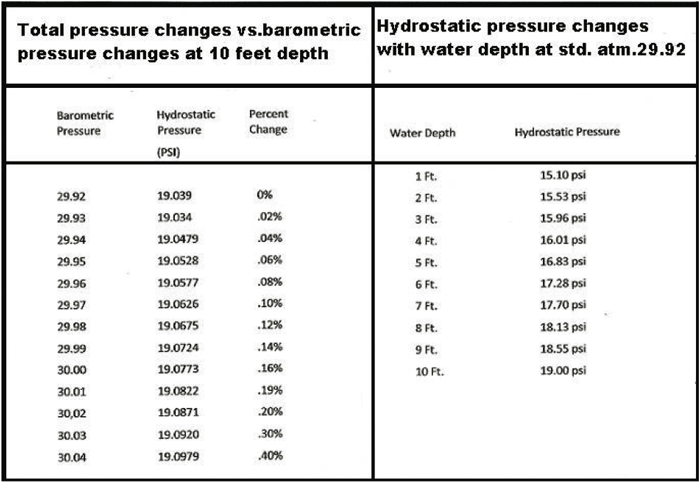
Use this decoding guide to predict fishing quality:
| Water Level in Bottle Neck | Atmospheric Trend | Fishing Outlook |
|---|---|---|
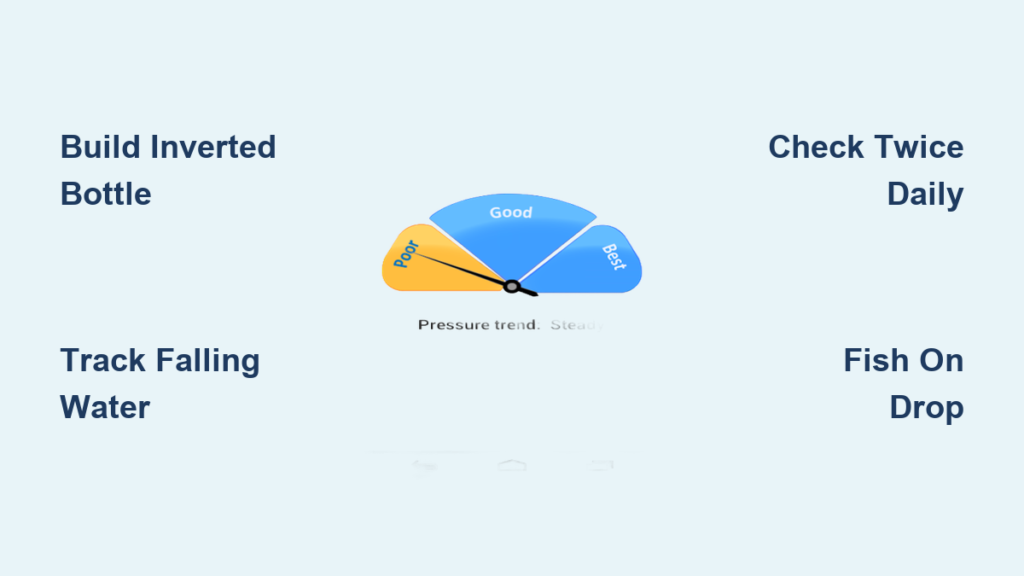
| Dropping steadily | Pressure falling | Best time to fish (pre-storm feeding frenzy) |
| Rising or high | Pressure rising or stable | Poor bite (fish less active, deeper, cautious) |
| No change | Pressure stable | Fair chance (average catch rates) |
A drop of one-half inch or more over 12 hours often signals a strong front approaching, and your best shot at trophy fish.
Use the Barometer to Plan Fishing Trips
A barometer alone is not magic. Its power comes from daily observation and pattern tracking.
Monitor Twice Daily
Check your barometer at the same times each day, ideally morning and evening, to spot trends. Note whether the water level is rising, falling, or unchanged. Compare it to the rubber band baseline and track how fast it is moving.
Write down your observations in a notebook or fishing app.
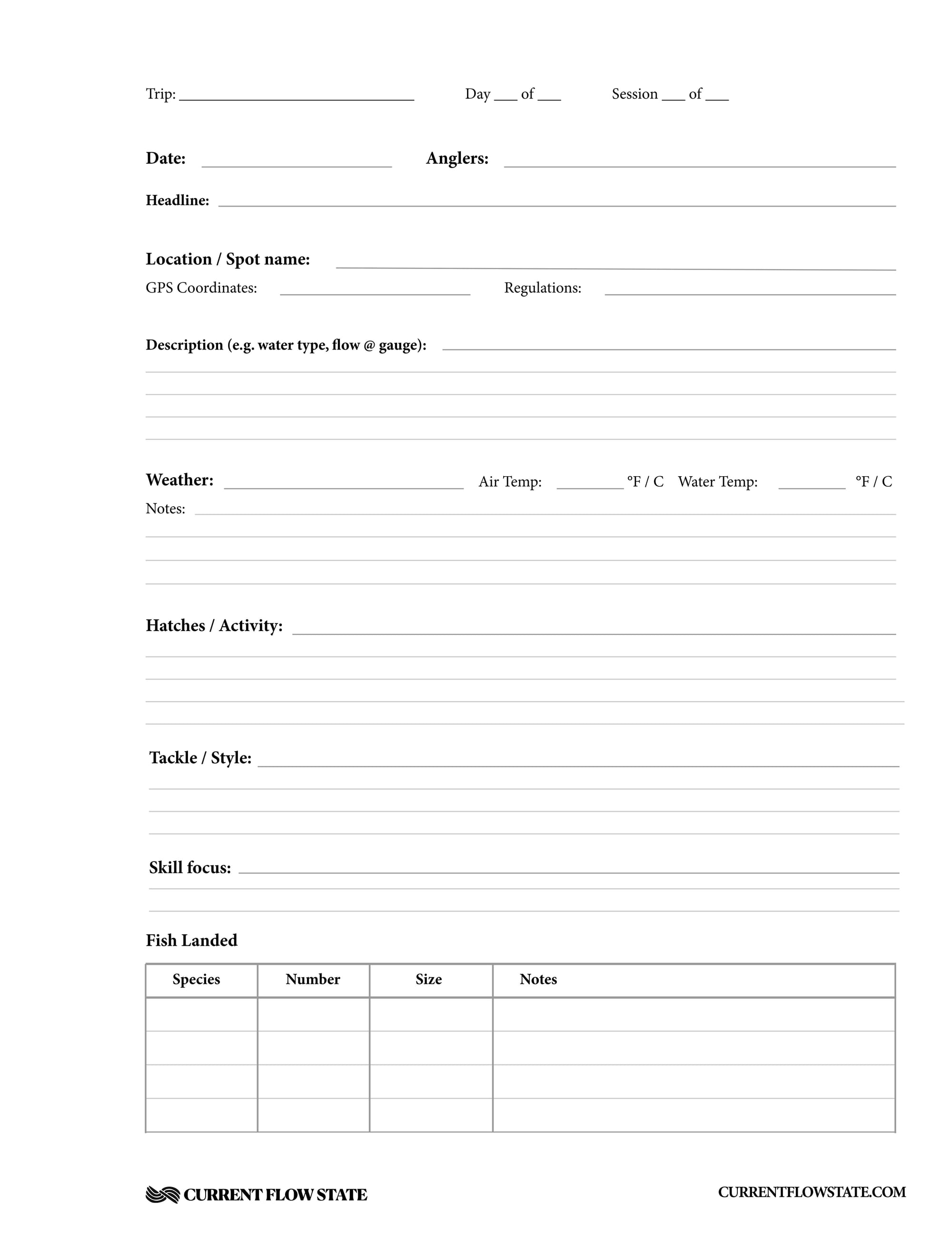
Keep a Fishing Pressure Log
Create a simple log to connect pressure trends with real results. Record the date, time, water level trend, weather conditions, location, lures used, fish caught, and any notable observations.
Over time, you will see patterns emerge, such as falling pressure equals topwater explosion or rising pressure equals deep jigging only.
One user caught his personal-best smallmouth the afternoon the water level dropped sharply, just before a thunderstorm rolled in.
Avoid Common Mistakes That Skew Readings
Even small errors can make your barometer unreliable. Avoid these pitfalls.
Do Not Place It in Sunlight
Direct sun heats the trapped air and water, causing thermal expansion that looks like rising pressure even when it is not. Always keep the barometer in shade or indirect light.
Do Not Move It Frequently
Shifting the barometer jostles the water and resets the baseline. Once placed, leave it undisturbed on a stable surface.
Do Not Ignore Evaporation
Over weeks, water evaporates from the jar. If the level drops below the bottle neck, refill with colored water to maintain function.
Do Not Expect Precision Numbers
This is not a weather station. It shows trends, not exact hPa or inHg values. Focus on direction (rising or falling), not digits.
Maintain Your Barometer for Long-Term Use
With minimal care, your barometer can last for years.
Monthly Maintenance Checklist
- Top off water if evaporated
- Reapply food coloring if faded
- Clean algae every two to three months by disassembling, rinsing, and reassembling
- Replace the rubber band if stretched or moldy
Keep it functional and readable with quick monthly checks.
Alternative: Sealed Can and Straw Barometer
While less practical for fishing, this design is highly sensitive and great for learning.
How It Works
This barometer uses a flexible membrane (plastic wrap) that responds to pressure changes, moving a lever (straw) to indicate trends. Stretch plastic wrap over a coffee can and seal it with a rubber band. Tape a straw to the center of the wrap as a lever. As pressure changes, the wrap flexes and lifts or lowers the straw tip. Mark positions on a card behind it to track movement.
Why It Is Not Ideal for Fishing
This design is fragile because plastic wrap tears easily. It is too sensitive, reacting to minor indoor drafts. It is indoor-only and cannot be used in sheds or garages reliably. It is harder to read, requiring a scale and careful observation.
This option is best for kids science projects, not real-world fishing forecasts.
Why Anglers Trust Homemade Barometers

Many experienced fishermen use DIY barometers as early-warning systems for bite windows.
Real-World Success Stories
Steve Douglas of Monster Rod Holders uses a bottle barometer to time drifts for giant blue catfish. Backcountry anglers rely on it in remote lakes with no cell service. Ice fishermen monitor pressure trends through winter using indoor-set barometers.
I started using the bottle barometer last spring. The water dropped fast the day before a storm, and I landed my best smallmouth ever, reports one Midwest angler.
It is not just folklore. Fish respond to pressure shifts, and this tool helps you see them coming.
Combine Pressure with Other Fishing Clues

For maximum accuracy, pair your barometer with other environmental cues.
- Wind direction: Shifts from south to west often signal cold fronts
- Cloud cover: Increasing clouds plus falling pressure equals high bite potential
- Moon phase: Full and new moons amplify pressure-driven feeding
- Water temperature: Cold fronts drop temps and trigger deeper movement
Use the barometer as one part of your fishing forecast system, not the only factor.
Key Takeaways for Building and Using Your Fishing Barometer
Building the inverted bottle design is the most reliable choice for anglers. Place it indoors away from sun and drafts, and check it twice daily while logging trends.
Fish when the water level drops. That is your prime bite window. Combine observations with wind, clouds, and moon data for better predictions.
With a zero-dollar investment and 10 minutes of setup, you can build a working barometer that reveals when fish are about to feed.
Falling pressure equals rising bite odds. Your homemade gauge shows this trend clearly through dropping water levels. Track it daily, log your catches, and discover your local patterns.
By learning how to make a barometer for fishing, you are not just building a tool. You are gaining a deeper connection to nature is rhythms, and that is the real secret behind consistent on-the-water success.
Now go build it, watch the water move, and be ready when the next front rolls in.
Frequently Asked Questions About Making a Fishing Barometer
What is the best DIY barometer design for fishing?
The inverted bottle water column barometer is the best design for fishing. It uses water displacement in a sealed system to reflect pressure changes and is durable, visual, and ideal for long-term observation.
How does a homemade barometer predict fish activity?
The barometer tracks atmospheric pressure trends. When pressure falls (before storms), fish become more active and feed aggressively. When pressure rises or stays high, fish tend to be less active and deeper in the water.
How long does it take to see pressure changes on the barometer?
The inverted bottle barometer responds slowly, typically over six to 24 hours. This makes it perfect for spotting approaching weather systems rather than minute-by-minute changes.
Where should I place my fishing barometer for accurate readings?
Place the barometer indoors on a flat, stable surface away from direct sunlight, heaters, windows, and drafts. A garage shelf, sunroom table, or fishing gear closet works well.
How often should I check my barometer for fishing purposes?
Check the barometer twice daily at consistent times, such as morning and evening. This helps you identify pressure trends and correlate them with fishing success over time.
Can I use a barometer outdoors for fishing trips?
The inverted bottle barometer is designed for indoor use. Taking it outdoors exposes it to temperature changes, vibrations, and sunlight that can distort readings. Use it as a planning tool at home, then apply the insights to your fishing trips.