Shark fishing from the beach is one of the most adrenaline-pumping experiences in saltwater angling. Picture yourself battling a 6-foot blacktip in the surf or wrestling a tiger shark to shore at dusk. Knowing how to go shark fishing starts with understanding that these apex predators are easy to attract but challenging to land safely. Success depends on the right gear, proper timing, and respect for both the animal and fellow beachgoers.
This guide covers everything you need: prime seasons and locations, essential tackle, bait strategies, deployment techniques, safety protocols, and ethical catch-and-release practices. Whether you’re targeting bull sharks in Florida or hammerheads along the Gulf Coast, these field-tested methods will help you land your shark quickly while minimizing stress on the animal.
Best Time and Season for Shark Fishing
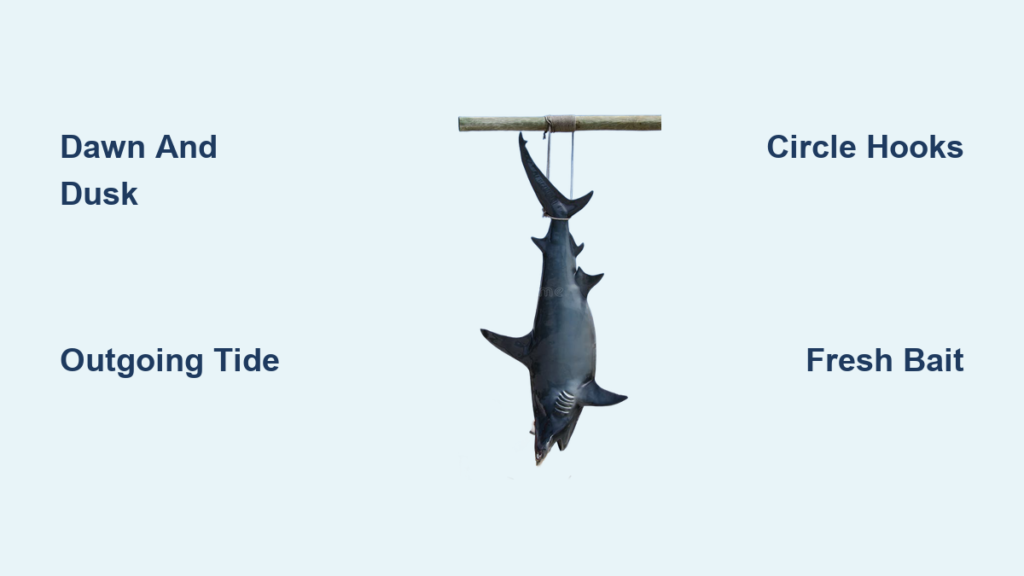
Dawn and Dusk Deliver Highest Success Rates
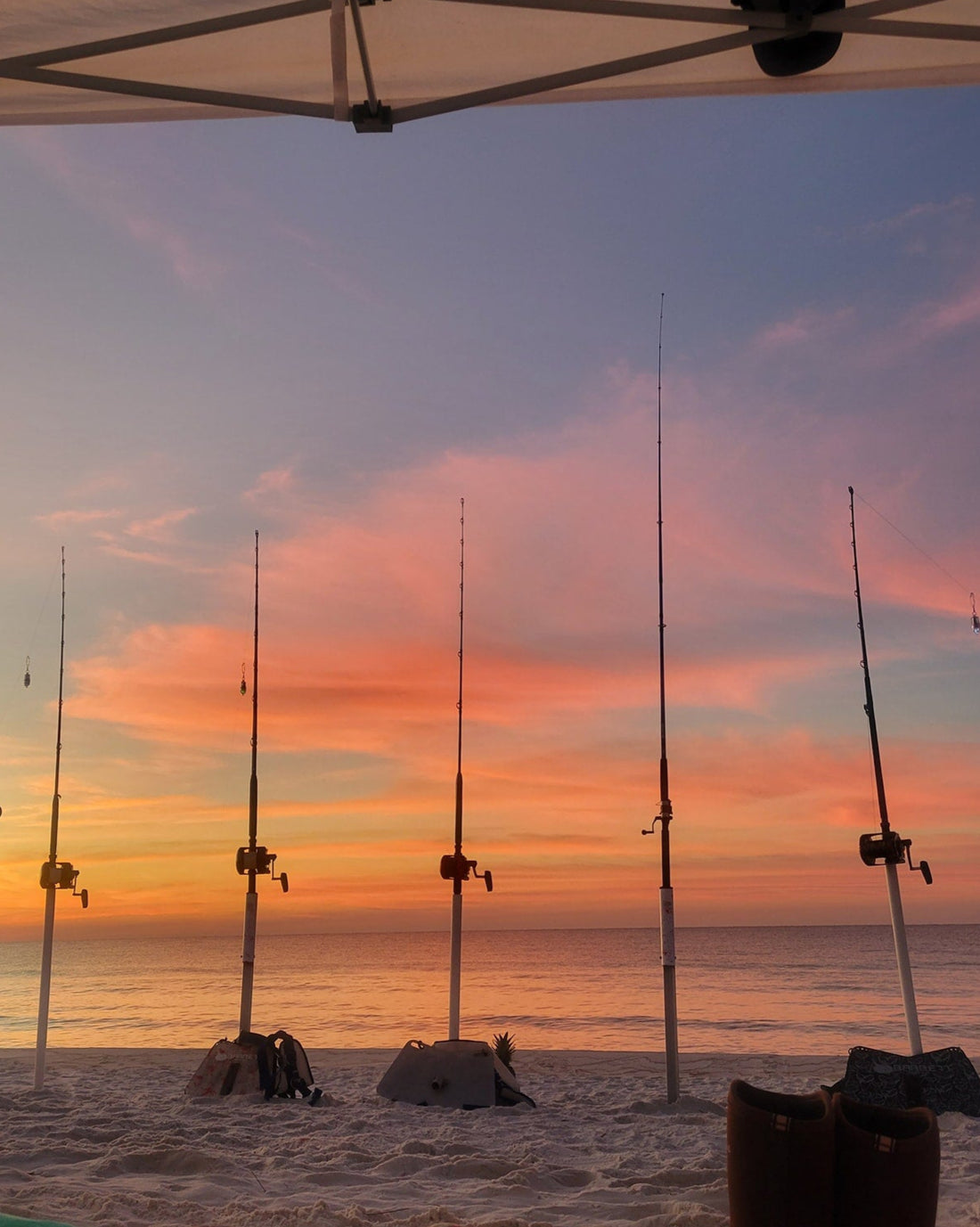
Sharks are most active during low-light hours, making dawn and dusk the prime windows for hookups. Their sensory systems sharpen in dim conditions, increasing hunting efficiency. Many experienced anglers arrive before sunrise or stay past sunset with headlamps. Night fishing also produces strong results, especially near illuminated piers or under moonlight where baitfish gather and sharks follow.
Summer Months Peak Along Gulf and Atlantic Coasts
Water temperatures above 70°F trigger increased feeding and migration activity. The warm season from May through October marks peak shark action along U.S. coastal waters.
Seasonal migration patterns include:
- Bull and blacktip sharks move north in spring and summer, returning south as temperatures drop
- Tiger and hammerhead sightings spike in mid-summer near inlets and deep channels
- Even midday can be productive in summer when bull sharks feed aggressively in shallow surf zones
Tides Significantly Impact Your Results
An outgoing tide carries scent and blood offshore, drawing sharks from deeper water toward the beach. This tidal phase is widely considered the best for shark fishing.
Tide effectiveness breakdown:
- Outgoing tide: Carries scent trail offshore, pulls sharks from depth
- Incoming tide: Brings nutrients and baitfish inshore
- High tide: Allows sharks greater access to shallow flats and sandbars
- Slack tide: Avoid—when current stops, feeding activity drops
Pro Tip: Fish early morning (pre-dawn) or after 5 PM to avoid beach crowds, reduce conflict with swimmers, and stay out of negative public attention.
Top Locations for Land-Based Shark Fishing
Target Deep Channels and Inlets
Sharks follow underwater structure where current concentrates bait. Focus your efforts on deep shipping channels where bay and ocean waters mix, passes between barrier islands with strong flow, offshore drop-offs and wrecks accessible by boat, and sandy beaches with consistent depth slope.
Calmer, darker water between breaking waves often indicates a deep channel. These zones 300+ yards offshore consistently produce the best results.
Florida Hotspots by Target Species
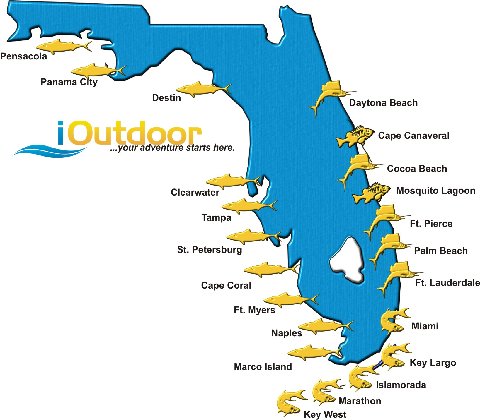
| Location | Target Species | Access Method |
|---|---|---|
| Miami Beach | Blacktip, bull, nurse | Shore, charters |
| Key West | Lemon, tiger, reef | Charters, offshore |
| Destin | Tiger, bonnethead | Kayak, boat |
| Daytona Beach | Hammerhead, spinner | Shore, tournaments |
| Fort Lauderdale | Mako, thresher | Offshore charters |
| Tampa Bay | Bull, spinner | Pier, shore |
Reading the Beach Like a Pro
You do not need a boat to find productive zones. Watch where waves break to identify sandbars. Look for darker, calmer water between breaking waves, which signals deeper troughs. Use a kayak or drone to place baits directly into these channels.
Key Insight: A 40-foot deep channel with vessel traffic creates nutrient upwelling, attracting baitfish and the sharks that hunt them.
Important Note: Many counties now restrict or ban land-based shark fishing due to safety concerns. Always verify local regulations before launching.
Essential Gear for Shark Fishing Success

Choose the Right Rod for Your Setup
Spinning Rods for Casting
- Length: 10 to 12 feet
- Action: Heavy to extra-heavy
- Purpose: Long-distance casting, line clearance over people
- Top picks: Penn Carnage 12′ Heavy, Shimano Speedmaster 12′ Heavy, Ugly Stik Big Water 12′ Heavy (budget-friendly)
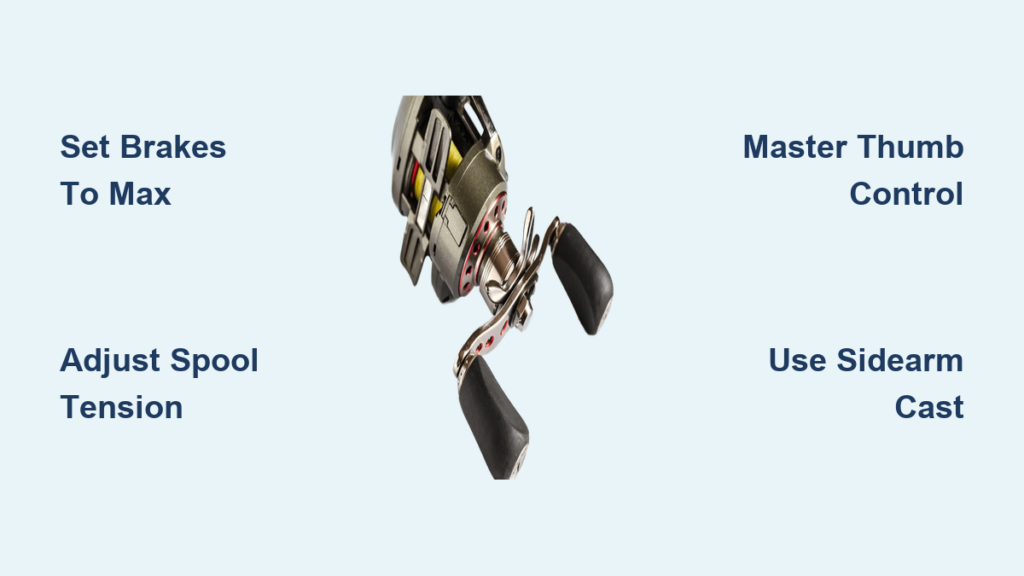
Conventional Rods for Deployment
- Length: 6 to 8 feet
- Action: Stand-up tuna class
- Why shorter: More leverage during the fight
- Top models: Penn Carnage 7′ Heavy (50-100 lb rating), Fitzgerald Stunner X 7′ (65-200 lb), Terra Firma Custom 7’6″ (for 100+ lb drag)
Warning: Match rod and reel carefully—many heavy reels will not fit all rod blank sizes.
Reels That Can Handle the Fight
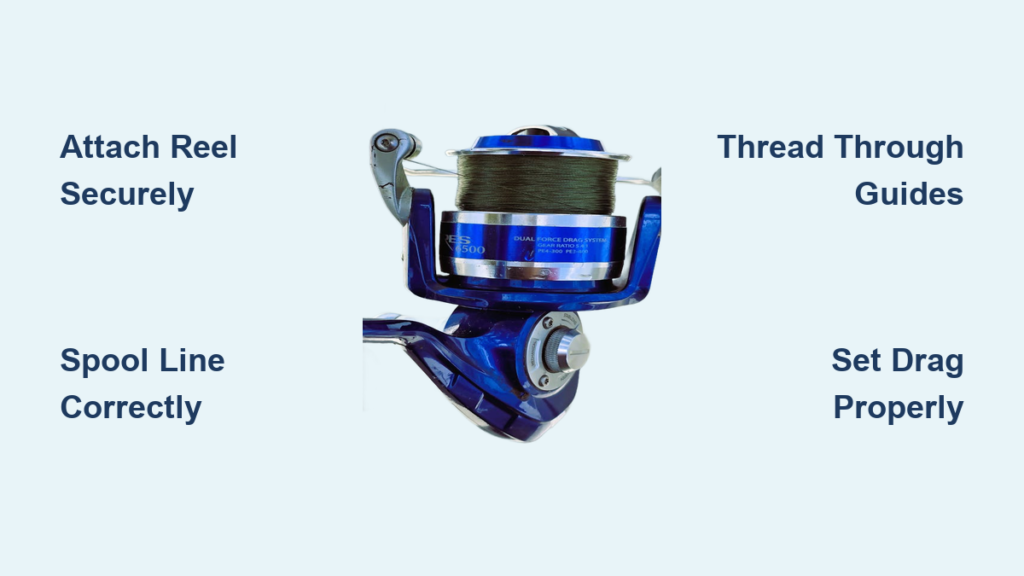
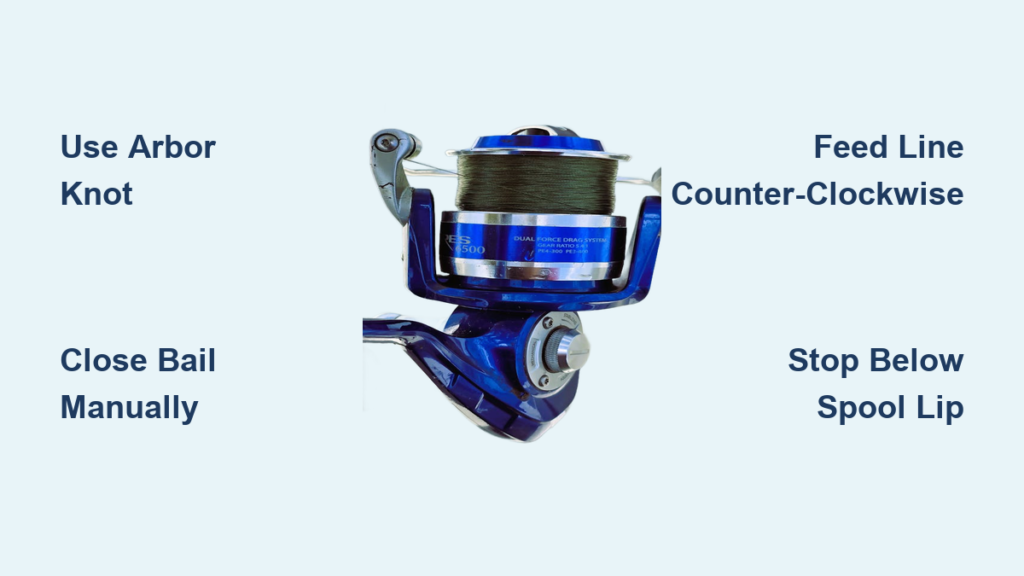
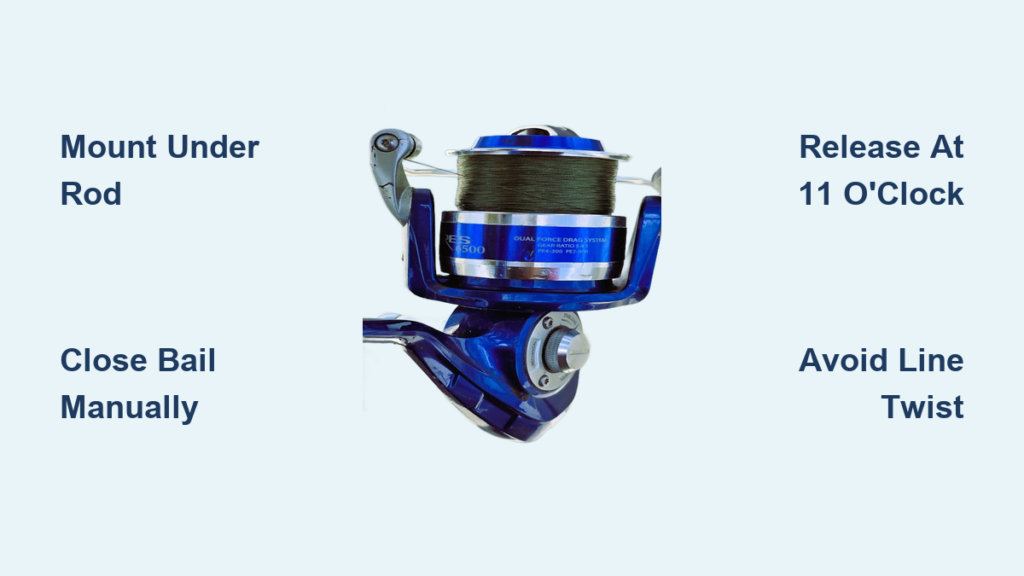
Spinning Reels
- Size: 8500-10500 series
- Line capacity: Minimum 500 yards
- Drag: At least 30 lbs max
- Best options: Penn Resolute 8000 spooled with 80 lb braid. Smaller 4500 series reels work for 5-6 foot sharks but risk being spooled by larger fish.
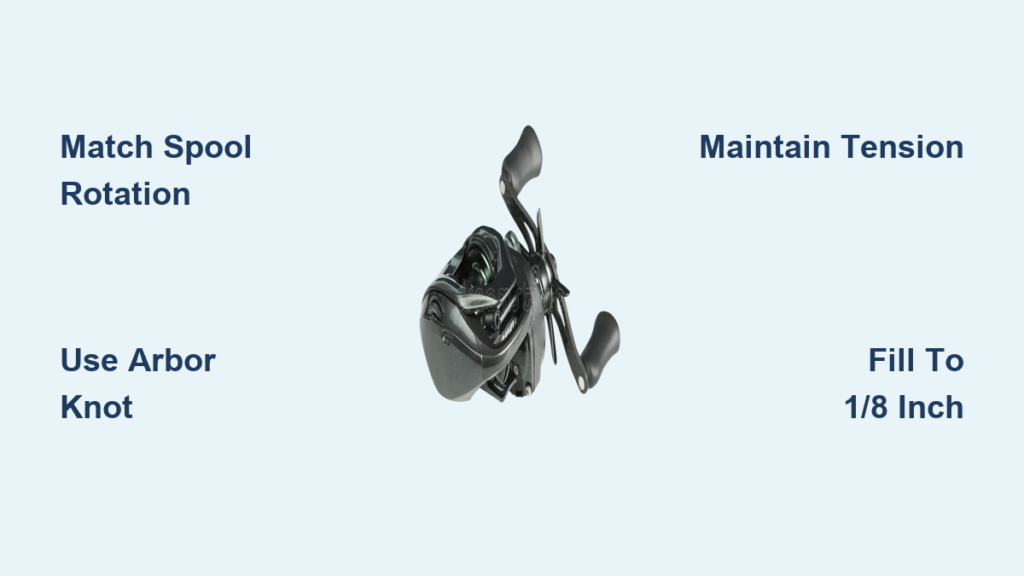
Conventional Reels
- Drag: 50+ lbs (100+ for large sharks)
- Type: Two-speed, lever drag preferred
- Top choices: Okuma Makaira 80 LBS (built for land-based shark fishing), Avet TRX 80W (~100 lb drag), Penn Fathom 80 (2-speed, reliable for beginners)
Note: Plastic reels like Penn Squall work short-term but wear out fast under heavy loads.
Line, Leaders, and Knots That Will Not Fail
Mainline
- Spinning gear: 50-65 lb braided line
- Conventional: 65-200 lb hollow core braid (e.g., Suffix 832, Diamond Braid)
- Why hollow core: Allows splicing when cut, maintaining full strength
- Alternative: 80-150 lb monofilament in abrasive surf zones
Leaders
- Material: 600 lb coated 49-strand stainless steel cable
- Length: Must exceed shark length to prevent braid contact with skin
- Types:
- Casting leader: 2.5-3 ft cable + 10 ft 100 lb mono topshot
- Deployment leader: 15 ft cable + 100-150 lb mono topshot
Critical Knots
- Palomar knot: Attach hook to cable and mono to leader
- FG knot: Connect mono topshot to braid mainline
- Caution: Large diameter differences make knots tricky
Best Baits and Chumming Strategies
Use Fresh, Oily, Bloody Baits
Sharks detect scent from miles away. The best baits are fresh, oily, and bloody.
Top bait options include:
- Stingray: Resists crabs, highly attractive to sharks
- Grouper, drum, tilefish, tuna heads: Too large for small sharks
- Frozen bonita: “Poor Man’s Tuna,” rich in scent
- Boston mackerel: Effective despite non-native status
- Mullet heads: Less effective when frozen
Avoid gas station frozen bait—it loses scent quickly and underperforms.
Match the Hatch When Possible
Local forage works best. Target whiting, jack crevalle, ladyfish, and kingfish. Freshness matters—never-frozen bait outperforms repeatedly thawed pieces.
Bait Size Determines Target Species
- Fist-sized chunks: Attract 4-6 foot sharks within 150 yards
- Dinner plate-sized: Target big sharks 300+ yards out
- Tiger sharks: Eat anything
- Bull and hammerhead: Prefer oily, bloody baits like cow nose ray
Pro Insight: “You cannot stop a big shark from picking up a small bait, but you can use a bait too big for small sharks to swallow.”
Chum to Create a Scent Trail
A steady chum slick pulls sharks toward your bait. Use a weighted chum bucket near the bottom with ground fish parts, fish oils, and blood. Some areas ban chumming—check local laws. Change bait every 2-3 hours. Fresh bait always outperforms soaked, washed-out chunks.
How to Deploy Your Bait Effectively
Casting for Close-Range Sharks
Best for 4-6 foot sharks within 150 yards. Use 12′ heavy rods and 3 oz pyramid sinkers. Wade into waist-deep water for extra distance. This method is ideal for beginners using spinning gear.
Kayak Deployment for Deep Water
The most reliable method to reach productive zones 300-400 yards out. Requires life vest, paddle, and dive knife. Safer than swimming and allows precise bait placement in deep channels.
Kayak rig specs:
- 3-4 ft #10 wire leader
- 9/0-12/0 circle hook
- 8 oz sputnik or spider weight
Drone Fishing: Fast but Risky
Drones offer speed and accuracy for placing baits in drop-offs. High risk of loss. Not ideal for heavy rigs or large baits.
Other Deployment Methods
- Bait cannons: Limited effectiveness with heavy setups; better for small chunks
- Swimming out bait: High risk—only do with a partner present. Splash to mimic distressed prey
Hook Setting and Drag Configuration
Circle Hooks Prevent Gut Hooking
Circle hooks are required by law in Florida, Alabama, and other states.
Recommended hooks:
- Catch All 20/0 Commercial Forged Circle Hook (hand-sharpened)
- VMC Nemesis Circle 10/0 (sharp out of box)
- 9/0 circle hook (common starter size)
Hook placement: Through eye socket or spine to secure bait firmly.
Proper Hook-Setting Technique
With circle hooks, never jerk. Instead:
- Let the shark swallow the bait and turn
- Reel slowly to tighten line—the hook rotates into jaw corner
Drag Settings by Setup
| Gear Type | Strike Drag | Notes |
|---|---|---|
| Spinning | 7-20 lbs | 20 lbs is high for spinning |
| Conventional (Small) | 15 lbs | For 50-class reels |
| Conventional (Large) | 40 lbs | Sufficient for most sharks |
Warning: If hooking a hammerhead, increase drag to maximum. Prolonged fights over one hour cause post-release death.
Hook-setting procedure:
- Spinning gear: Pick up rod immediately and reel hard
- Conventional (small): Let line run 20-30 seconds, then engage strike drag
- Conventional (large): Let run 60-90 seconds (“uncomfortably long”) before setting
After hook-up, reduce drag slightly to allow some line pull and prevent hook pull-outs.
Safety Protocols for Shark Fishing
Personal Safety First
- Never fish alone—have a partner for emergencies
- Wear a life vest when in a kayak
- Carry a dive knife for entanglement or defense
- Use headlamps for night fishing
- Keep tourniquet and first aid kit in your vehicle
- Stay hydrated—fights can last over an hour
Protect the Public
Avoid fishing during peak beach hours (10 AM-4 PM). Reel in lines if swimmers or surfers approach. Braided line causes severe lacerations if it contacts a person. Public perception matters—negative incidents harm the sport.
Minimize Shark Stress
The primary cause of post-release mortality is exhaustion from long fights. High-risk species include hammerheads, blacktips, and spinners. Land sharks within 25 minutes using heavy gear. Minimize air exposure.
Fact: Studies show sharks dying hours after release due to shock—underscores the need for rapid, efficient handling.
Landing and Releasing Sharks Properly

Keep Sharks in the Water
Never drag a shark onto dry sand. Minimize air exposure. Smaller sharks (3-7 ft) are erratic; larger ones (8+ ft) often calm when tired. Always prioritize control and fast release.
Handling Small Sharks (3-7 Feet)
- Landing: Grab cable leader, drag onto wet sand
- Control: Kneel beside gills, sit lightly on body, grab nose to open mouth
- Dehooking: Use hands if hook is in mouth corner; use long-nose pliers if deep inside
- Photo safety: Stand beside gill or pectoral fin—shark cannot bend that far
- Release: Drag to knee-deep water, face offshore, support until swimming
Handling Large Sharks (8+ Feet)
- Landing: Keep belly on wet sand; use 15 ft cable for control
- Dehooking: Use water meter key to reach hook without hand exposure. Straddle and lift nose if calm. Carry two pairs of wire cutters—cut wire close to hook if removal fails
- Release: Slide hand under pectoral fin. Push parallel to beach with wave motion. Walk with shark briefly to prevent rollback. Push sideways into deep water
- Two-person rule: One controls head, one removes hook
Warning: “Last fall, I took 4 hooks out of a tiger’s mouth. The hooks do not rust out.” —Greg & Caleb
Common Mistakes to Avoid
Prevent Swim-Throughs
Swim-throughs occur when line breaks with no fish hooked. Causes include Spanish mackerel, bluefish, or debris slicing the line. Fix by using heavier line, hollow core braid, and inspecting for wear.
Stop False Runs
False runs happen when small fish grab bait but drop it. Solution: Downsize bait and hook. Observe patterns to adjust.
Fight Crab Infestation
Crabs strip bait overnight. Solution: Use tough-skinned baits (stingray, shark) and apply menhaden oil sparingly.
Ethical Practices and Legal Requirements
Know the Regulations
- Florida: Saltwater license plus free Shark Fishing Permit from FWC required
- Alabama: Saltwater license required
- Other states: Check local rules
- Charter benefit: Guides ensure compliance
Size and Bag Limits Vary
Some species like great hammerhead are catch-and-release only. Fines for harvesting protected species are severe. No trophy kills—public backlash harms the sport.
Promote Conservation
- Catch-and-release only for land-based shark fishing
- Avoid exhaustion—use proper gear to shorten fight time
- Report violations and participate in tagging programs
- Educate others to protect the sport’s future
Quote: “The most important thing is to stay out of negative headlines: ‘Pregnant endangered shark washes ashore with hook in mouth’ is bad for the sport.”
Must-Have Tools and Accessories
- Long-nose pliers (x2—backup in case of loss)
- High-leverage lineman’s pliers
- Wire cutters (x2)
- Fighting belt and plate
- Headlamps and lights
- 1/2 lb spool of 150 lb mono leader (emergency repair)
- Drone or kayak with life vest and paddle
- Shears and knife
- Measuring tape
- Sand spikes and rubber mallet
- Cooler with frozen dead bait
- Live bait cooler
- Dehooker tool (remote hook removal)
- Tourniquet and first aid kit (in truck)
- Heavy-duty, puncture-resistant gloves
When to Hire a Charter
Best for Beginners
Start with a professional guide who provides gear, licensing, and safety training. Expert knowledge of local patterns dramatically increases success rates.
Top Charter Destinations
- Miami Beach
- Key West
- Destin
- Pensacola
- Fort Lauderdale
Recommended Guides
- Coastal Worldwide (Pensacola)
- Fin’s Guide Company
- Southeastern Angling
- Shark Whisperers (Facebook, surf guides)
Charters give access to offshore zones and increase success rates dramatically.
Frequently Asked Questions About Shark Fishing
What is the best time of day to catch sharks?
Dawn and dusk deliver the highest success rates because sharks are most active during low-light hours. Night fishing also produces strong results, especially near illuminated piers or under moonlight. Summer months from May through October mark peak season along Gulf and Atlantic coasts.
Do I need a special license for shark fishing?
Requirements vary by state. Florida requires a saltwater license plus a free Shark Fishing Permit from FWC. Alabama requires a saltwater license. Check local regulations before fishing. Charter boats typically handle licensing for you.
What is the best bait for shark fishing?
Fresh, oily, and bloody baits work best. Top choices include stingray, tuna heads, frozen bonita, and Boston mackerel. Local forage like whiting or jack crevalle also performs well. Freshness matters—never-frozen bait outperforms repeatedly thawed pieces.
How do I safely release a shark?
Keep the shark in water whenever possible. For small sharks, drag to knee-deep water, face offshore, and support until swimming strongly. For large sharks, slide hand under pectoral fin and push parallel to the beach with wave motion. Minimize air exposure and fight time to reduce post-release mortality.
What happens if I hook a hammerhead?
Increase drag to maximum and fight aggressively. Hammerheads are highly vulnerable to exhaustion—prolonged fights over one hour often result in delayed mortality. Use heavy gear to land them within 25 minutes. Great hammerheads are protected in Florida and require catch-and-release only.
Can I shark fish from the beach without a boat?
Yes, many shark species target shallow surf zones. Use 12′ heavy spinning rods for casting 150+ yards. Target deep channels visible between breaking waves. Florida, Alabama, and Gulf Coast beaches offer excellent land-based opportunities. However, many counties have restricted or banned beach shark fishing—always verify local rules first.
Key Takeaways for Your First Shark Fishing Trip
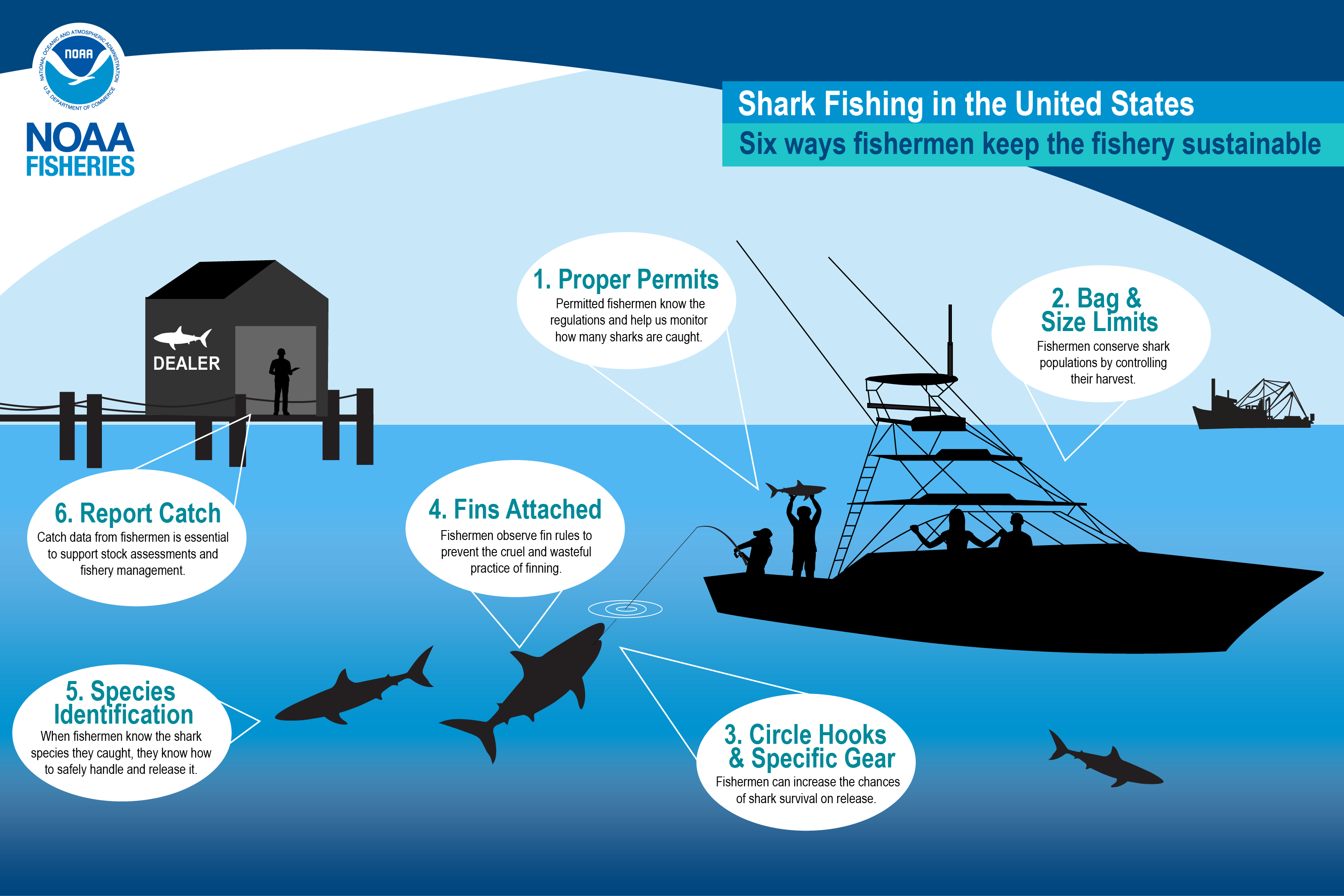
Shark fishing demands serious preparation, quality gear, and respect for both the animal and public safety. Success starts with timing—fish dawn and dusk during summer months with an outgoing tide. Focus on deep channels and inlets where sharks patrol. Use fresh, oily baits like stingray or tuna heads, and deploy them 150-400 yards offshore using casting, kayak, or drone methods.
Circle hooks are legally required in many states. Set drag appropriately for your gear type and land sharks within 25 minutes to prevent exhaustion-related mortality. Keep sharks in the water during handling and release them facing offshore. Never fish alone, wear a life vest when kayaking, and carry safety equipment including a dive knife and tourniquet.
Finally, prioritize conservation. Catch-and-release practices, proper handling, and compliance with regulations protect the sport’s future. With the right preparation and ethical approach, shark fishing offers an unmatched thrill—one of the most exciting experiences in all of saltwater angling.