Night fishing transforms familiar waters into a new frontier. When the sun sets, fish behavior shifts dramatically—predators grow bolder, feeding zones expand, and the chance to land trophy-sized fish increases significantly. Whether you’re targeting bass under a full moon or catfish near a lighted dock, knowing how to go night fishing safely and effectively unlocks some of the most exciting angling opportunities of the year.
This guide delivers a complete, actionable blueprint for night fishing success. You’ll learn when fish feed, where to find them, what gear to bring, and how to stay safe. No fluff, no guesswork. Just what works after dark.
Why Fish at Night Delivers Bigger Bites
Night fishing isn’t just cooler temperatures. It’s smarter fishing. Fish become more active when daytime heat fades, and human pressure drops significantly. Here’s why the dark hours consistently produce bigger bites.
Predators feed more aggressively under low light. Bass, walleye, catfish, and trout use darkness to hunt with less risk from overhead birds and other predators. Cooler water holds more oxygen, which boosts fish metabolism and triggers feeding behavior. Fewer anglers on the water means less disturbance and better access to prime locations. A full moon can turn murky water into a feeding frenzy, extending the bite window well past sunset.
Big fish that hide by day roam freely at night. Lunkers that wouldn’t venture into shallow feeding zones during daylight feel safe to move in after dark. This shift in behavior creates opportunities to catch fish that would otherwise be impossible to target.
Best Time to Fish at Night

Prime Night Bites: 10 PM to 2 AM
Start fishing one to two hours after sunset. Most species begin feeding once full darkness sets in. Allow at least 60 minutes of total darkness before expecting consistent action. The peak window falls between 11 PM and 1 AM, when large fish are actively hunting.
Don’t quit early if the action slows. Some species take a brief break during twilight, then return with intensity. Patience often rewards night anglers with their best bites of the evening.
Lunar Timing Matters
The moon phase significantly impacts night fishing success. A full moon provides the best conditions for murky or stained water, where extra light helps fish see lures and baitfish. A new moon works better for clear water, where bright moonlight might spook cautious baitfish and reduce predator aggression.
Target nights three days before and after full or new moon phases for maximum feeding activity. Even a 20% moon can make a measurable difference. Use a moon phase app to plan your trips around these optimal windows.
Weather That Triggers Bites
Warm nights following hot days keep fish active longer. Cloudy or windy conditions break the surface and mask your movement, making fish feel more secure. Light rain or distant thunder can trigger feeding frenzies, but never fish during lightning storms.
Some of the best nights occur when it’s stormy and windy. If there’s lightning, it’s never worth the risk. Always prioritize safety over potential catches.
Seasonal Sweet Spots
Summer, from June through August, marks peak night fishing season. Daytime heat pushes fish to feed exclusively at night. Late spring through early fall delivers the best action for bass, crappie, and catfish.
For trout, exercise caution when water temperatures exceed 65 to 68 degrees Fahrenheit. Above 70 degrees, catch-and-release becomes harmful due to stress and low dissolved oxygen. Check water temps before targeting trout at night.
Top Night Fishing Species and Where to Find Them

Largemouth Bass: Shallow Water Ambushers
Largemouth bass shift from deep structure to shallow flats, docks, grass edges, and laydowns after dark. Darkness gives them cover to hunt bluegill, shad, and frogs. There’s almost no such thing as too shallow. If a bass’s back stays wet, it’s likely feeding.
Best lures include topwater frogs, buzzbaits, spinnerbaits, and Texas rigs. Work these along the outer edges of grass mats and dock pilings.
Smallmouth Bass: Rocky Shoreline Hunters
Smallmouth bass patrol rocky shorelines, rock piles, drop-offs, and river runs at night. They hunt crayfish and minnows in current breaks. Use spinnerbaits, football jigs, and bottom-bumping rigs to probe these areas effectively.
Catfish: Bottom Feeders on the Move
Catfish become extremely active after dark. They feed heavily using smell and vibration, congregating in deep holes, under bridges, and near submerged timber. Best bait includes chicken liver, nightcrawlers, stink bait, and cut bait.
Walleye: Low-Light Predators
Walleye move into shallow flats, reef edges, and sand bars near deep water after dark. They use dim light to hunt shad and perch. Jigs, crankbaits, and spinnerbaits produce best results.
Trout: Nighttime Surface Feeders
Brown trout especially feed aggressively at night, often rising to take surface prey. Target pools, undercut banks, and riffle tails. Mouse patterns, streamers, and wet flies work exceptionally well. Use glow tippet for added visibility.
Crappie and Panfish: Drawn to Light
Crappie and panfish congregate under lighted docks, piers, and sea walls. Artificial light attracts zooplankton and baitfish, which draws in predators. Fish the edge of the light, not the brightest center.
Saltwater Species: Attracted to Green Lights
Green underwater lights draw baitfish, which attract tuna, snapper, and other saltwater predators. Fish near bridges, reefs, and lighted piers. Use live squid, mackerel, or bunker caught on-site for best results.
Best Night Fishing Spots
Shallow Flats and Points
Bass and walleye move into shallow areas to feed on baitfish and crawdads. Focus on points that extend into deeper water. These function as highways for nocturnal predators.
Docks and Piers with Lights
Artificial lighting creates a mini food chain. Light attracts insects, insects attract baitfish, and baitfish attract predators. Fish the edge of the light where predators lurk waiting to ambush.
Bridges and Culverts
Bridges create current breaks and ambush points. Catfish and bass stack up near pilings and shadows. These structures also provide overhead cover that makes fish feel secure.
Grass Edges and Weed Lines
Weed lines provide cover and hunting lanes for bass and pike. Cast topwater lures along the outer edge where predators stage for passing prey.
Rocky Shores and Riprap
Rocky shorelines and riprap banks suit smallmouth and walleye perfectly. Use spinnerbaits and jigs to probe crevices and bounce along the bottom.
River Runs and Tailouts
River tailouts and runs produce prime action for night-feeding trout. Cast mouse patterns across the current and let them swing downstream.
Humps and Isolated Structures
Humps surrounded by deep water become feeding hubs at night. Use underwater green lights to attract baitfish, then target the edge of the light zone with lures.
Work in a relatively small area and spend more time fishing than running around the lake at night. Quality trumps quantity when darkness limits visibility.
Essential Night Fishing Gear
Lighting: See Without Being Seen
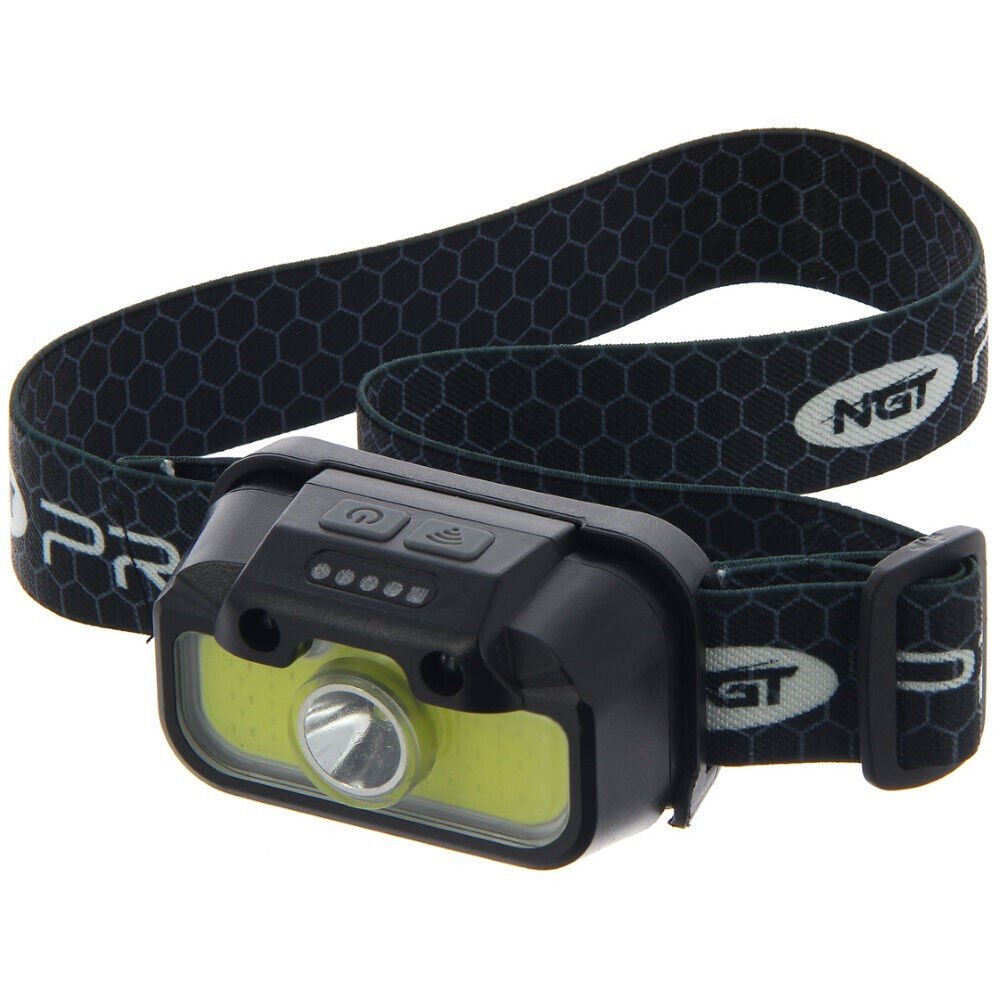
A hands-free headlamp is non-negotiable. Choose one with red, green, and UV stealth modes to preserve night vision. White light spooks fish instantly, so reserve it for emergencies only. Carry at least two backup light sources. Always pack spare batteries.
Underwater green LED lights attract baitfish effectively. Brands like Hydroglow and Electralume outperform other colors. Hang weighted cylinder lights over the side of your boat, but fish the edge of the light, not the center. Predators wait in the darker periphery to ambush confused baitfish.
Boat navigation lights are required by law. Test all lights before departure. A handheld spotlight works for spotting hazards but use it sparingly.
Rods, Reels, and Line
Use 65-pound braid as your mainline for sensitivity and hook-setting power. Add fluorocarbon leader in clear water for invisibility. For fly fishing, use 0x to 1x fluorocarbon or 12-pound UV Gold Stren that glows under blacklight.
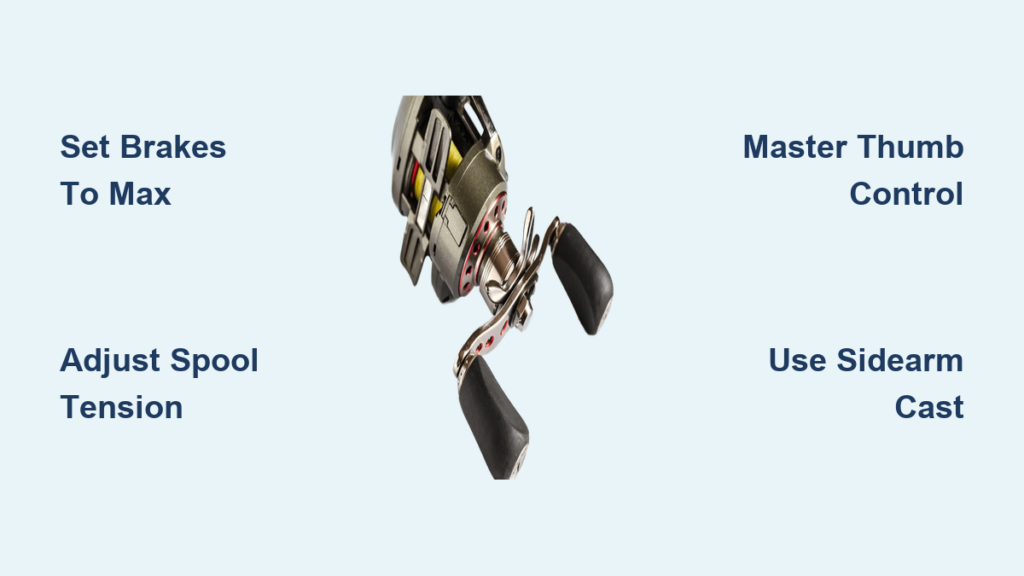
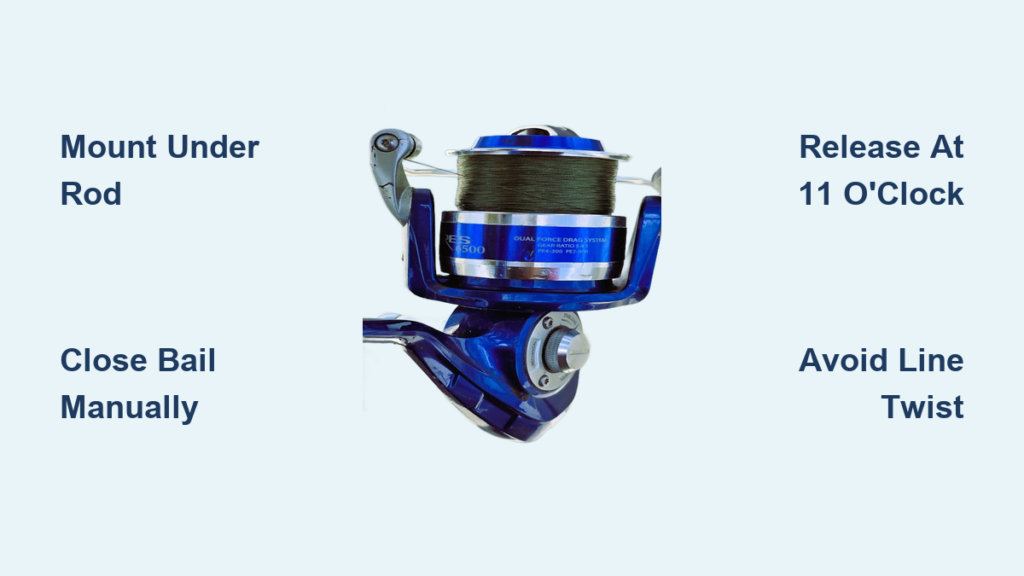
Choose medium-heavy to heavy power rods with sensitive tips. Pair with reels featuring smooth drag and high-speed ratios of 7.1 to 1 or faster for topwater retrieves.
Essential Gear Checklist
• Inflatable PFD or belt-pack life jacket
• Cyalume light sticks to attach to your belt
• DEET bug spray
• Dark-colored tackle bag
• Long-handled pliers for safe hook removal
• First aid kit
• Safety glasses to protect eyes from flying hooks
Best Lures and Bait for Night Fishing

Fish rely on vibration, sound, and silhouette rather than color at night. However, ambient light conditions still influence lure effectiveness.
Bottom Contact Baits
Texas-rigged curly tail worms work excellently. Use half to one ounce weights, pegged above the hook. Drag slowly along the bottom. Colors like green pumpkin, black, and Junebug produce best in stained water.
Football jigs bounce along bottom near cover and drop-offs. Half to three-quarter ounce sizes handle most situations effectively.
Reaction Baits
Spinnerbaits with willowleaf blades create vibration that fish feel through their lateral lines. Use bright colors under full moons and muted tones on dark nights.
Chatterbaits excel in shallow water under 10 feet. Maintain a steady retrieve with occasional bumps to create noise and flash.
Deep-diving crankbaits target the 6 to 14-foot zone. Use shad colors, choosing brighter options during moonlight and darker patterns on dark nights.
Topwater Baits
Topwater night fishing produces explosive strikes. A popping-style frog works best for big bass. Use black or dark green frogs and insert glass rattles into the belly for added noise.
Whopper Ploppers create high-visibility commotion. Use straight, steady retrieves only.
Arbogast Jitterbugs produce deep gurgling sounds. The 4-and-a-half-inch XL size tracks well even in low visibility.
Avoid walking-style baits in total darkness. Fish struggle to track side-to-side movement in pitch-black conditions.
Live Bait Often Wins
Live bait frequently outperforms artificial lures at night due to natural scent and movement. For catfish, use chicken liver, nightcrawlers, or stink bait. For trout and panfish, try crickets, waxworms, or minnows.
Use underwater lights to attract baitfish, then dip-net them fresh for the most effective live bait possible.
Proven Night Fishing Techniques
Retrieve Like a Pro
Keep your lure moving constantly. Vibration attracts fish via their lateral line system. Slow and deliberate retrieves let fish track your lure more effectively than fast, frantic movements.
Maintain bottom contact when fishing jigs and Texas rigs. Feel every bump and pause. Subtle bites are common at night, and feeling the difference between bottom and a biting fish separates successful night anglers from those who go home empty.
Use straight retrieves for topwater and swim jigs. Avoid complex actions like walking the dog. Simple, consistent presentations work best in darkness.
Wait to feel the strike before setting the hook. Don’t set on sound alone. Many misses occur at night. Wait until you feel the surge of the fish. A second, successful strike often follows.
Work the Water Column
Start shallow. Many fish rise toward the surface at night to feed on baitfish and insects. No bites near the surface? Go deeper with jigs or crankbaits.
Nothing working deep? Return to mid-depth with spinnerbaits or streamers. Cover water systematically until you find active fish.
Use sound and vibration to your advantage. Rattles, blades, and surface splashes draw attention in darkness. Lures with noise-making components consistently outproduce silent options.
Boat vs. Shore Fishing at Night
Anchoring Beats Drifting
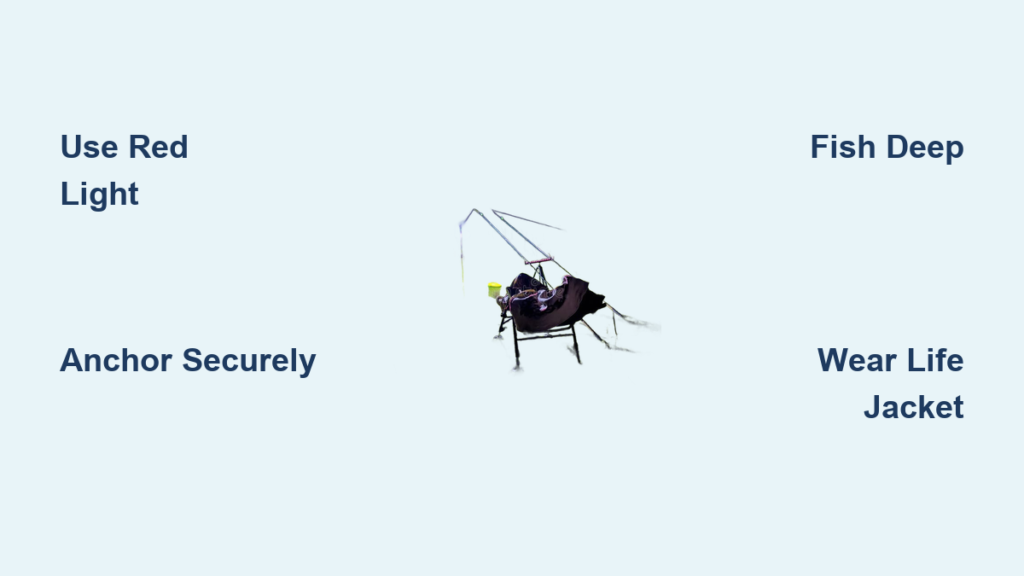
Anchoring lets you focus on one productive spot, reduces collision risk, and improves lure control. Set your anchor quietly and minimize movement on the boat.
Drifting works in open water but requires careful navigation. Only drift if you’re comfortable navigating in darkness and have adequate lighting to spot hazards.
Always test boat lights and battery power before leaving the ramp.
Shore Fishing Safety Tips
Arrive early to set up before dark. Clear trip hazards from your fishing area. Mark gear with glow sticks or reflective tape so you can find equipment if you step away.
Know your surroundings. Watch for drop-offs, stumps, and other hazards that become invisible after dark.
Night Fishing Safety Rules
Critical Safety Steps
File a float plan. Tell someone your location and expected return time. This single step could save your life if something goes wrong.
Wear a life jacket at all times, especially on boats. If you fall in while fishing alone and no one hears you, absolutely no one will come to help.
Fish with a buddy whenever possible. Partners increase safety and make night fishing more enjoyable.
Never consume alcohol before or during night fishing. Impairs balance and judgment exactly when you need both most.
Dress in layers. Nights get cold, even during summer. Bring waterproof gear if rain is possible.
Stay seated when fighting fish. Fighting a large bass while standing on a slippery boat deck is a recipe for a dangerous fall.
Know your surroundings. Watch for logs, stumps, and drop-offs that could cause injury or damage your equipment.
Use minimal white light. Shine away from water when you need illumination. Turn toward the riverbank when rigging or untangling.
Environmental Responsibility
Check local regulations before heading out. Some areas prohibit night fishing entirely. Respect other anglers by giving plenty of space. Practice ethical catch-and-release, especially in warm water conditions.
Mindset and Pro Tips for Night Anglers
Adjust Your Expectations
Expect some disorientation. You’ll misjudge distances and may hit overhanging trees. Stay calm and move slowly.
Adjust your expectations downward for numbers but upward for size. You’ll catch fewer fish at night, but those you do land will often be larger than daytime catches.
Celebrate small wins. One big bass makes an entire night trip worthwhile.
Develop Night-Specific Habits
Pre-rig multiple rods before dark. Saves time and keeps you fishing instead of fumbling with tackle.
Use UV light to check tippet for snags and damage. UV-reactive line glows under blacklight, making it easy to inspect.
Pack light. A minimalist ninja bag improves mobility and stealth.
Bring a camera. We all know it didn’t happen without proof.
Advanced Tactics
Fish multiple depths simultaneously. One angler can work a mouse pattern on the surface while another swings streamers deep.
Use glow indicators or UV-reactive line for bite detection. The subtle tug of a biting fish is easier to see with glowing line.
Listen for feeding activity. Splashes, pops, or slurping sounds indicate feeding bass. Note locations and return later when larger fish move in.
Modify lures for night use. Insert glass rattles into soft plastic frogs. Add trailer hooks to buzzbaits. Choose noisy, vibrating designs over subtle offerings.
Night Fishing Quick-Start Checklist
Before you go, check weather, moon phase, and water temperature. Scout your location during daylight if unfamiliar. File a float plan and inform someone of your plans.
For gear, bring a headlamp with red, green, and UV modes plus white light. Pack backup lights and spare batteries. Bring pre-rigged rods with night-effective lures. Carry 65-pound braid or heavy tippet for fly fishing. Don’t forget long-handled pliers, a knife, and a first aid kit. Always wear a life jacket.
For lures and bait, pack a Texas-rigged worm and jig. Bring a spinnerbait or chatterbait. Include topwater options like a Whopper Plopper or wake bait. Consider live bait if preferred. Add glow line or UV-reactive tippet if fly fishing.
On the water, anchor securely or fish from a safe shore spot. Start with slow, vibrating, bottom-contact retrieves. Match lure color to moon brightness. Stay seated when fighting fish. Use white light sparingly, only when absolutely necessary.
For mindset, be patient and persistent. Adapt to changing conditions. Prioritize safety and conservation above all else.
Frequently Asked Questions About Night Fishing
What is the best time of night to go fishing?
The prime window runs from 10 PM to 2 AM, with peak activity typically occurring between 11 PM and 1 AM. Start fishing one to two hours after sunset to allow full darkness to set in before expecting consistent action.
Do fish actually bite better at night?
Yes, many species bite more aggressively at night. Lower light conditions make predators feel safer hunting in shallow areas. Cooler water temperatures increase oxygen levels and boost metabolism. Reduced human pressure also means fish are less spooked and more willing to feed actively.
What lures work best for night fishing?
Lures that create vibration and sound perform best. Spinnerbaits, chatterbaits, and topwater frogs with rattles excel. Use darker colors on dark nights and brighter colors under full moons. Texas-rigged worms and football jigs work well for bottom fishing.
Is night fishing safe for beginners?
Night fishing is safe for beginners who take proper precautions. Always wear a life jacket, use a float plan, fish with a buddy, bring adequate lighting, and avoid alcohol. Start at familiar waters during daylight to scout structure before attempting night trips.
What lights do I need for night fishing?
A hands-free headlamp with red, green, and UV modes is essential. Carry backup flashlights and glow sticks. For boat fishing, underwater green LED lights attract baitfish. Always have functional navigation lights for boats as required by law.
Can you fish at night from shore?
Yes, shore fishing at night works well. Arrive early to set up before dark. Focus on docks with lights, rocky shorelines, and weed edges. Use the same lures and techniques as boat anglers, but prioritize safety by informing someone of your plans and wearing reflective gear.
Key Takeaways for Successful Night Fishing
Night fishing unlocks some of the most exciting angling opportunities of the year. Fish become more active, bolder, and more willing to feed in shallow water when darkness provides cover. The key to success lies in understanding these behavioral shifts and adapting your tactics accordingly.
Focus on timing. Target the prime window between 10 PM and 2 AM, with peak activity typically between 11 PM and 1 AM. Plan trips around moon phases, and don’t cancel because of clouds or light rain. These conditions often produce the best bites.
Gear matters significantly. Invest in quality lighting, use vibration-heavy lures, and always prioritize safety. A life jacket, float plan, and adequate lighting aren’t optional. They’re essential.
Whether you’re chasing a bass explosion under the moon or a monster trout on a quiet river, the night belongs to those who dare to cast after dark. Good fishing to ya.