
Imagine casting your line with pinpoint accuracy, feeling the subtlest nibble through the rod tip, and setting the hook with perfect power, only to realize it is all thanks to the right fishing pole in your hands. Choosing the right fishing pole is not about buying the most expensive gear; it is about matching your setup to your goals, environment, and target fish. Whether you are a beginner casting from shore or an experienced angler chasing muskie in heavy cover, the wrong rod can sabotage your success before you even hit the water.
The key to selecting the ideal fishing pole lies in understanding five core factors: reel compatibility, rod length, action, power, and materials. These elements work together to determine casting distance, sensitivity, hook-setting strength, and overall control. This guide breaks down each factor with clear, actionable insights so you can confidently pick a rod that fits your fishing style, species, and skill level.
Match Reel to Rod Type

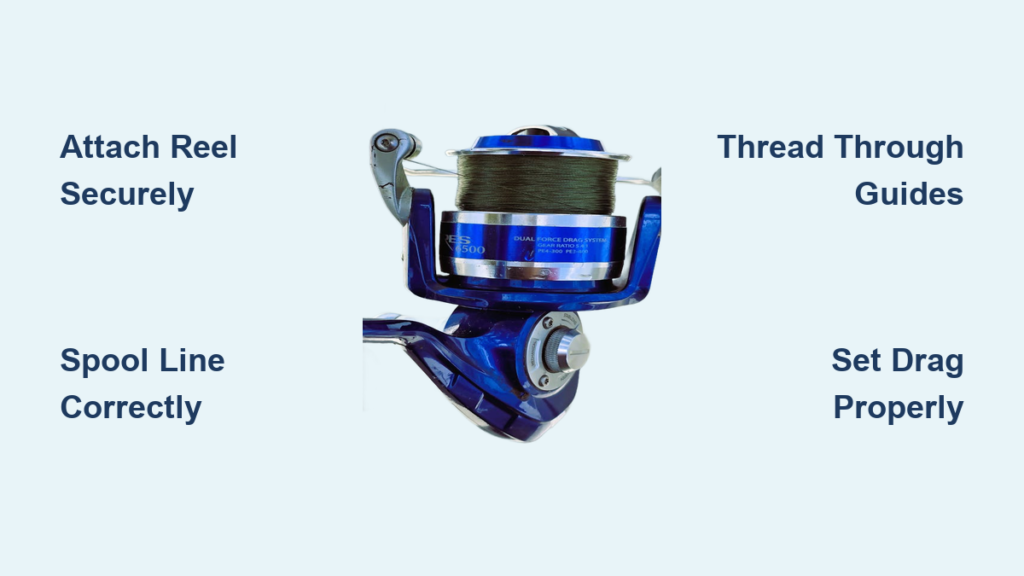
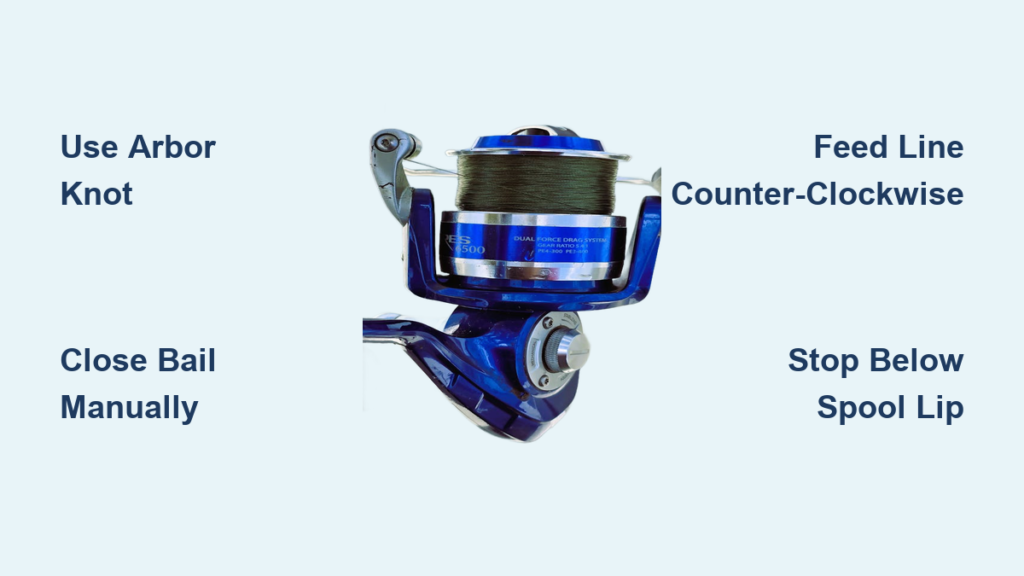
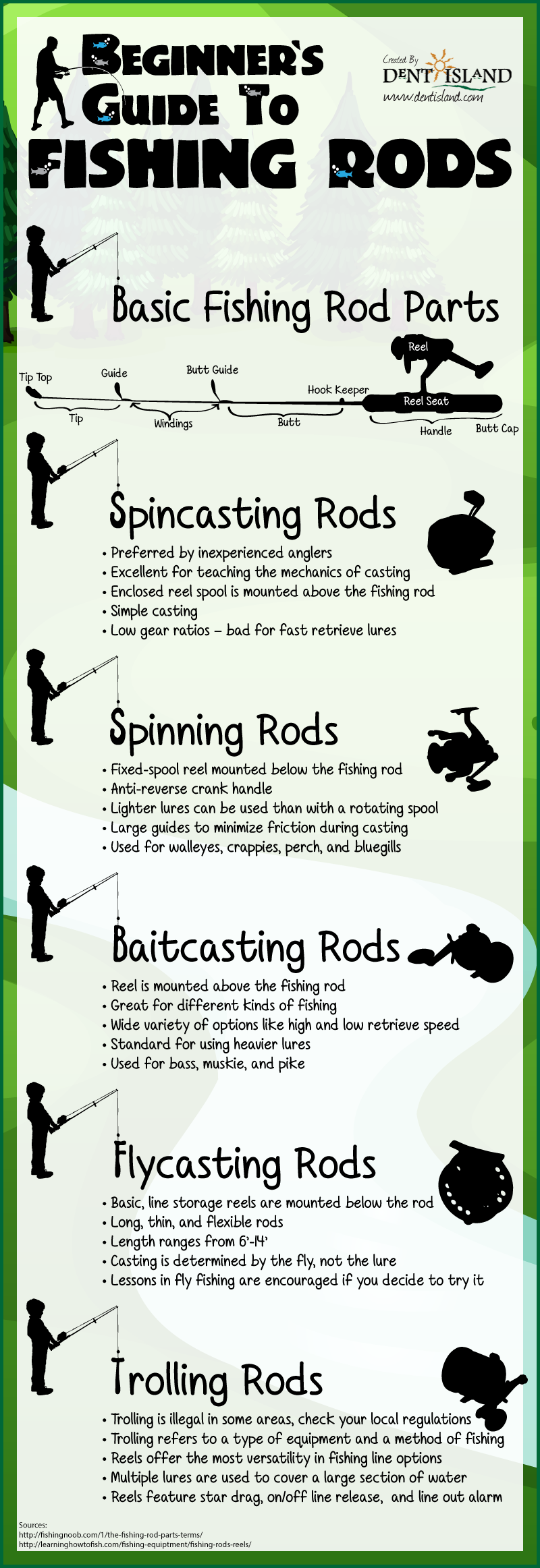
Your choice of reel dictates the type of rod you need. The two most common setups, spinning and baitcasting, serve different purposes and require specific rod designs.
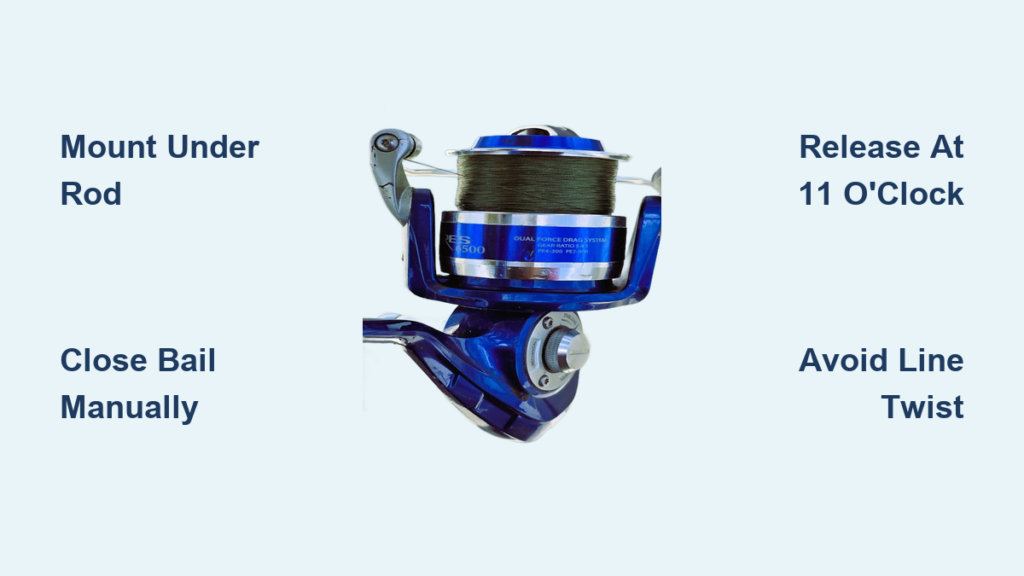
Spinning Rods: Easy Casting, Light Lures
Spinning rods are ideal for beginners and finesse fishing. The reel mounts underneath the rod, with guides facing down, allowing smooth line release during casts.
Spinning rods work best for trout, panfish, perch, and walleye. They handle lure weights from 1/32 ounce to 1/4 ounce and pair well with 2 to 10 pound monofilament or 6 to 15 pound braid. These rods excel at dropshotting, Ned rigging, and ultralight spinning techniques.
Why choose spinning:
• Less prone to tangles
• Easier to cast accurately with light lures
• Great for shore fishing and small-stream angling
Pro Tip: If you are teaching a child or new angler, start with a spinning setup. It is forgiving, intuitive, and reduces frustration.
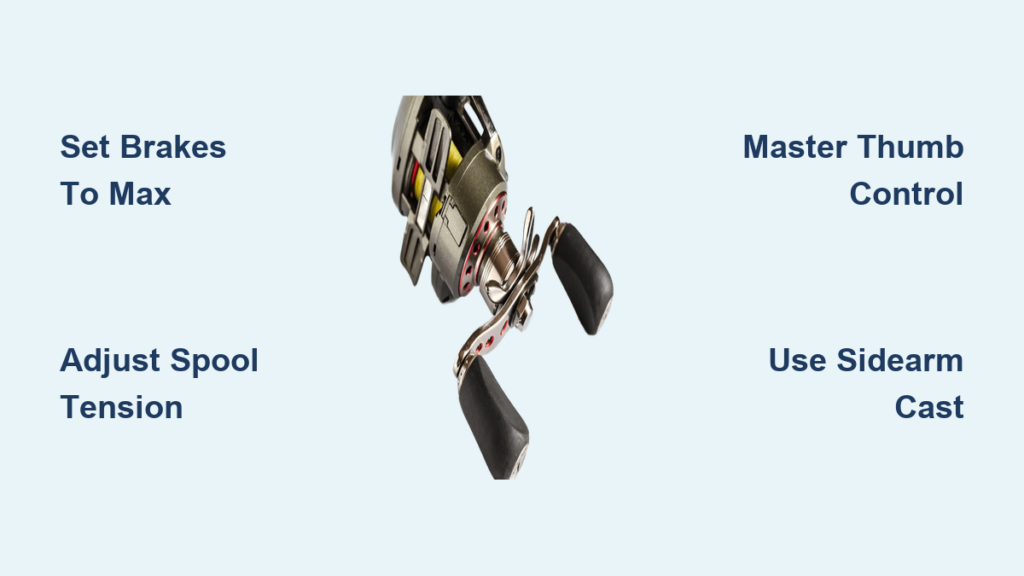
Baitcasting Rods: Power and Precision
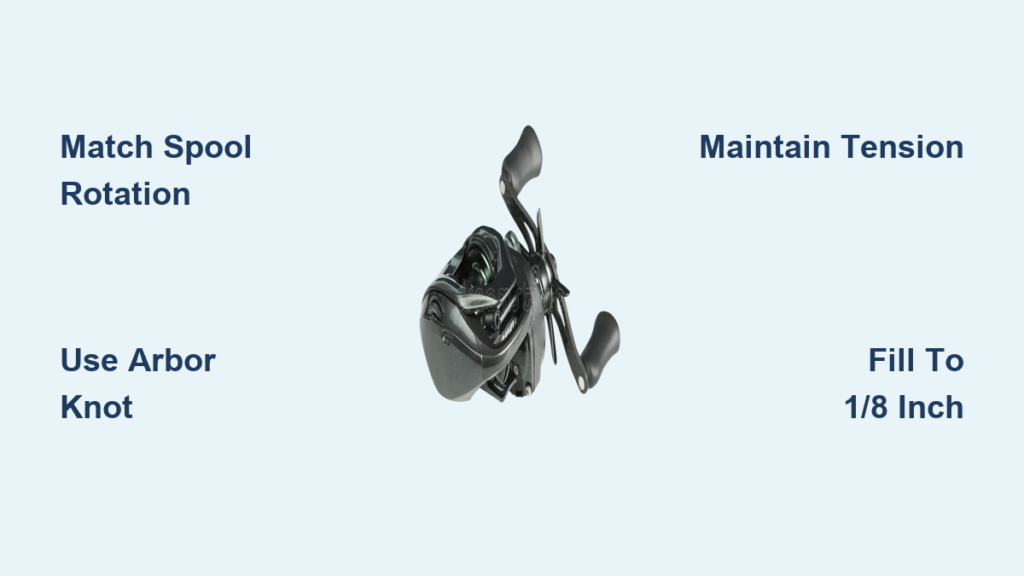
Baitcasting rods have the reel mounted on top, with guides facing up. They offer superior control for heavy lures and powerful fish.
Baitcasting rods excel for bass, pike, muskie, and saltwater predators. They handle lure weights from 1/4 ounce to over 1 ounce and pair with 10 to 30+ pound braid or heavy monofilament. These rods are preferred for flipping, pitching, crankbait fishing, and frog walking.
Why choose baitcasting:
• Greater casting accuracy
• Handles heavy cover and big fish
• Preferred by serious and tournament anglers
Warning: Baitcasting reels can backlash (tangle) if not adjusted properly. Practice on land before hitting the water.
Hybrid Option: Spincast Rods
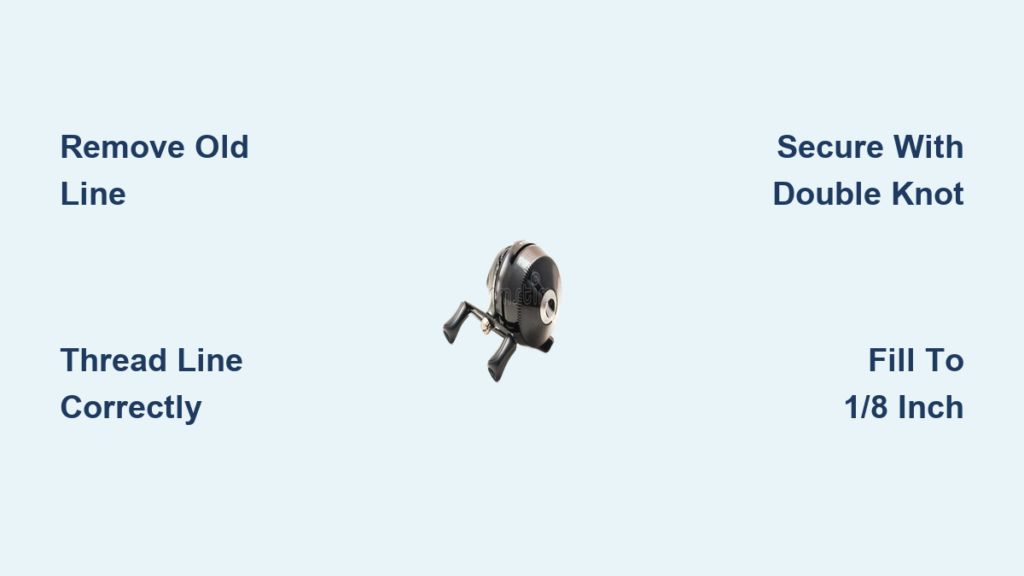
Spincast rods (often called closed-face combos) are simple and user-friendly but less sensitive and limited in performance. They work best for kids, casual anglers, and park ponds. Avoid them for serious fishing, as spinning combos offer better value and durability.
Pick the Right Rod Length
Rod length affects casting distance, leverage, and maneuverability. Most rods range from 5 to 9 feet, with specialty models going longer or shorter.
Short Rods: 4 to 6 Feet
Short rods are ideal for ice fishing, small streams, and kids. They offer high control, are compact, and easy to store. The main drawback is limited casting range.
Note: Contrary to myth, short rods are not always best for kids. A rod 1 to 1.5 feet longer than the child is height improves casting mechanics and safety.
Medium Rods: 6 to 7 Feet
Medium rods suit boat fishing, kayaks, and all-around use. They provide balanced control and casting ability, making them best for walleye, trout, and general freshwater fishing.
Long Rods: 7 to 9+ Feet
Long rods shine for shore fishing, surf casting, and wading. They deliver longer casts, better line management, and improved hook sets. The drawbacks are bulkiness and harder transport.
Expert Insight: Every extra foot adds casting power and fighting leverage, but only if the rod is properly balanced with your reel.
Understand Rod Action

Action refers to where the rod bends when pressure is applied. It impacts sensitivity, lure performance, and hook-setting speed.
Fast to Ultra-Fast Action
Fast action rods bend at the top 1/4 to 1/3 of the blank. They are best for single-hook lures like jigs and soft plastics, and for deep jigging. The benefits include high sensitivity, quick hook sets, and ideal performance for finesse techniques.
Pro Tip: Fast action rods shut off quickly, meaning the stiff lower section engages fast, reducing angler effort during hook sets.
Medium-Fast Action
Medium-fast action bends at the top 1/3 to 1/2 of the rod. These rods work well for crankbaits, spinnerbaits, and general-purpose use. They offer balanced sensitivity and flexibility.
Moderate to Slow Action
Moderate to slow action bends along the upper half or the full rod. These are best for treble-hook lures like topwater and crankbaits, and for beginners. The benefits include shock absorption and forgiveness that prevents hook pullout.
Key Rule: Match action to lure type. Fast action for single hooks, moderate or slow for treble hooks.
Choose the Correct Rod Power

Power (or weight) is the rod is resistance to bending. It determines how much force it can handle when fighting fish or pulling through cover.
Power Ratings Explained
| Power | Line Test (Mono) | Lure Weight | Best For |
|---|---|---|---|
| Ultra-Light (UL) | 2 to 4 lb | 1/64 to 1/16 oz | Panfish, trout |
| Light (L) | 4 to 6 lb | 1/16 to 1/8 oz | Small bass, finesse |
| Medium-Light (ML) | 6 to 8 lb | 1/8 to 1/4 oz | Walleye, all-around light |
| Medium (M) | 8 to 12 lb | 1/4 to 3/8 oz | Bass, pike, general use |
| Medium-Heavy (MH) | 10 to 17 lb | 3/8 to 3/4 oz | Heavy cover, bigger fish |
| Heavy (H) | 15 to 25 lb | 3/4 to 1+ oz | Muskie, saltwater |
| Extra-Heavy (XH) | 20 to 30+ lb | 1 to 2+ oz | Offshore, big predators |
Critical Rule: Never exceed the rod is rated line or lure weight. Doing so risks breakage. Under-loading reduces casting efficiency.
Note: Braided line is stronger than mono. A rod rated for 8 to 17 pound mono can safely handle 20 to 30 pound braid.
Know Your Rod Materials

The material affects weight, sensitivity, durability, and price.
Graphite Rods
Graphite rods are lightweight, sensitive, stiff, and have fast recovery. The cons are brittleness and higher cost. They are best for bass, finesse, and modern techniques.
High-modulus graphite is lighter and stiffer but can be brittle if poorly made.
Caution: Some budget rods claim high modulus but skip critical manufacturing steps, resulting in weak, fragile blanks.
Fiberglass Rods
Fiberglass rods are durable, flexible, and shock-absorbent. The cons are heavier weight and less sensitivity. They are best for beginners, kids, trolling, and aggressive fish.
Composite Rods
Composite rods blend graphite and fiberglass, balancing sensitivity and toughness. They are ideal for multi-species or mixed-environment use.
Example: G. Loomis GLX and St. Croix SC4 rods use advanced composites for elite performance.
Check Guide Quality and Placement
Guides direct the line and affect casting, sensitivity, and wear.
Guide Materials
Silicon Carbide (SiC) offers the smoothest performance and longest casts at high cost. Alconite provides durable, smooth performance at mid cost. Hardloy or Hialoy is serviceable at low cost. Stainless steel with no insert is rough on line and costs least.
Pro Tip: More guides mean better load distribution, smoother bend, and improved performance.
Guide Positioning
Spinning rods have guides on the bottom. Baitcasting rods have guides on the top. The tip guide is the smallest and most critical for casting and bite detection.
Evaluate Handle and Reel Seat
Handle Types
Cork is lightweight, sensitive, and offers a premium feel. EVA foam is durable, consistent, and common on saltwater rods. Rubber is slip-resistant when wet and good for kids. Split grip reduces weight and improves balance. Pistol grip enhances control for vertical fishing.
Reel Seat Quality
Graphite seats are lightweight and transmit vibrations. Aluminum seats are durable and common on mid-to-high-end rods. Low-cost seats may damage reel feet or rotate under pressure.
Warning: A poor reel seat can dampen sensitivity and ruin an expensive reel.
One-Piece vs. Two-Piece Rods
One-piece rods offer better sensitivity, action, and responsiveness but are less portable and risk breakage. Two-piece rods are compact and travel-friendly but lose slight sensitivity at joints.
Expert Advice: Stay with a one-piece if you can. More pieces sacrifice performance.
Ferrules connect sections and must align perfectly so guides form a straight line. Misaligned ferrules cause weak spots and line wear.
Species-Specific Rod Recommendations
Trout Fishing
Use a 6 to 7.5 foot rod with ultra-light to light power and fast to medium action. Pair with 2 to 6 pound mono or 4 to 8 pound braid. The best rod is a 7 foot light spinning rod.
Bass Fishing
For spinning: 6’6″ to 7 foot medium power with fast-moderate action. For baitcasting: 7 to 7’6 foot medium-heavy power with fast action. Use 8 to 17 pound mono or 10 to 30 pound braid.
Pike and Muskie
Use an 8 to 9 foot rod with heavy to extra-heavy power and moderate-fast action. Pair with 15 to 30+ pound braid. Lures include big spoons, swimbaits, and frogs.
Saltwater Inshore and Surf
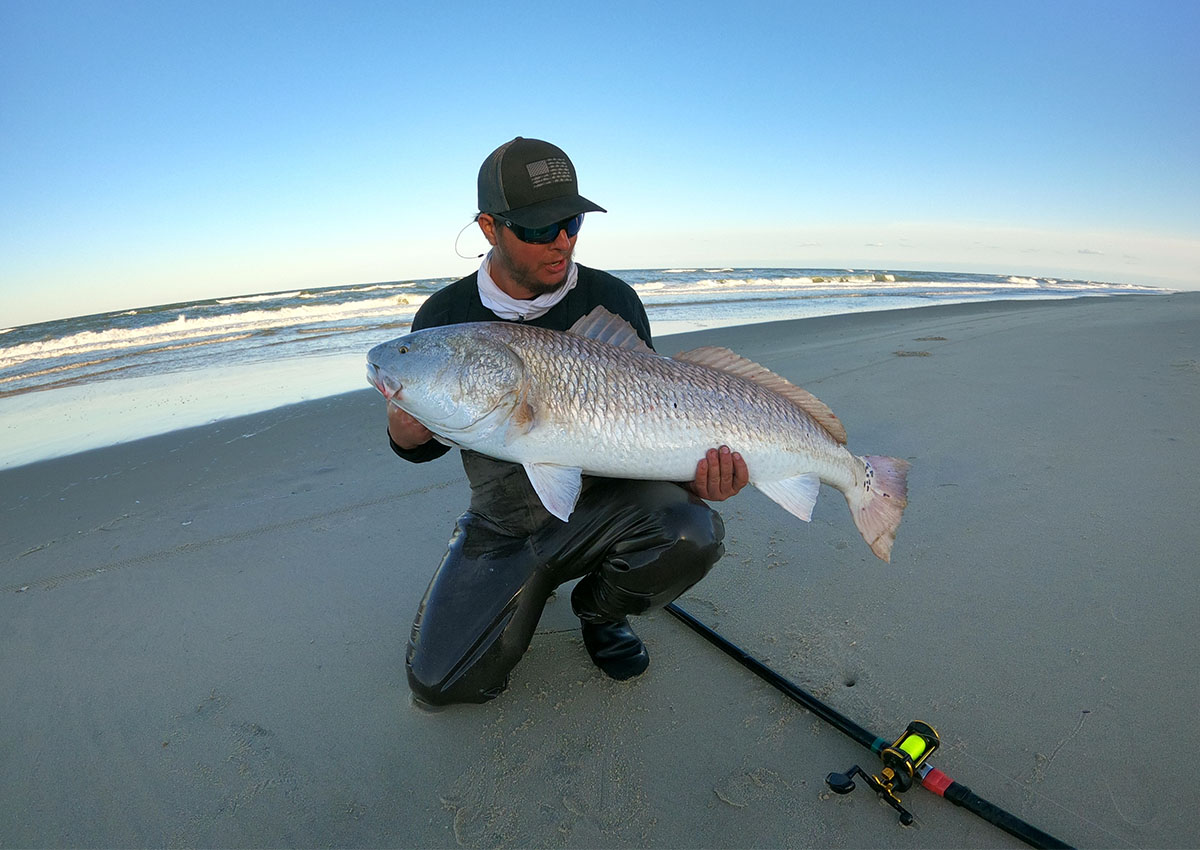
Use a 7’6″ to 12 foot rod with medium-heavy to heavy power and moderate to fast action. Line should be 10 to 30 pound test. Best for striped bass, redfish, and surf casting.
Balance Price and Performance
Budget Rods: $20 to $60
These are adequate for occasional use but are heavier, less sensitive, and have shorter lifespan. They may use low-grade graphite and basic guides.
Mid-Range Rods: $60 to $150
These offer the best value for regular anglers with better materials, quality guides, and improved actions. They suit most freshwater and light saltwater fishing.
High-End Rods: $150+
These feature premium graphite, advanced tapers, and high-modulus construction. They deliver exceptional sensitivity and lightweight design. Tournament pros use these rods.
Expert Insight: A good rod will not instantly make you better, but a bad one will hold you back.
For Kids and Beginners
Goal: Durable enough to last a season. Avoid ultra-cheap rods that break easily. Prioritize positive experience over perfection. The rule of thumb is to spend what you are comfortable losing.
Value Tip: Spinning combos offer better durability and usability than spincast setups.
Final Selection Checklist
- Test Before Buying: Feel the grip, balance, and action in-store.
- Match to Technique: Research rods for your preferred method.
- Inspect Components: High-quality guides, reel seat, and grip matter.
- Avoid Overbuying: Do not buy a $300 rod if you fish twice a year.
- Build a Quiver: Start with one spinning and one baitcasting rod.
- Check Specs: Always verify line and lure weight ratings.
- Consider Warranty: Reputable brands offer better support and durability.
Quick ID Tip: Some rods use colored rings near the handle to identify model types, great for fast selection.
Complete Your Setup with the Right Line
Best for Beginners: Monofilament
Use 6 to 10 pound test, adjusting by species. Monofilament stretches to absorb surges, breaks easily when snagged to protect your rod, is forgiving for tangles, and is inexpensive and easy to tie.
Note: Tangles are inevitable. Mono is cost-effective for re-spooling.
Bottom Line: Match Rod to Your Needs
Choosing the right fishing pole comes down to matching the rod to your angler profile, environment, and method. It is not about price, it is about purpose.
For beginners, start with a 7 foot medium-power spinning rod with 8 to 10 pound mono. For kids, use durable fiberglass or composite rods, 6.5 to 7 feet. For experienced anglers, build a quiver with spinning for finesse and baitcasting for power.
The perfect rod enhances every cast, improves catch rates, and makes fishing more enjoyable. Focus on length, power, action, reel compatibility, and materials, and you will never wonder why this is not working again.
Frequently Asked Questions About Choosing a Fishing Pole
What is the most important factor when choosing a fishing pole?
The most important factor is matching the rod to your target species and fishing technique. Consider whether you need a spinning or baitcasting setup, then choose appropriate length, action, and power ratings. A rod that matches your fishing style will significantly improve your success and enjoyment on the water.
Should beginners choose spinning or baitcasting rods?
Beginners should choose spinning rods. They are easier to cast, less prone to tangles, and more forgiving with light lures. Spinning setups reduce frustration during the learning phase and help new anglers build confidence before transitioning to baitcasting equipment.
How do I match rod power to my target fish?
Match rod power to fish size and fighting ability. Use ultra-light to light power for panfish and trout. Choose medium power for bass and walleye. Select medium-heavy to heavy power for pike, muskie, and saltwater predators. Always stay within the rod is rated line and lure weight specifications.
Does rod material really matter for beginners?
Rod material matters less for beginners than proper fit and durability. Fiberglass or composite rods are ideal for beginners because they resist breakage and absorb shock better than brittle graphite. As skills improve, graphite rods offer better sensitivity and performance for specific techniques.
How often should I replace my fishing rod?
Replace your rod when you notice cracks, guide damage, or reduced performance. Quality rods last many years with proper care. Budget rods may need replacement after one to two seasons of regular use. High-end rods can last a decade or more with proper maintenance.
Can one rod work for multiple fishing scenarios?
One versatile rod can work for multiple scenarios if you choose a medium-power, medium-action rod around 7 feet. However, specialized rods significantly improve performance for specific techniques. Building a small quiver with two to three rods covering different scenarios provides the best overall experience.
Key Takeaways for Choosing Your Fishing Pole
Selecting the right fishing pole requires understanding how length, power, action, and reel type work together to match your fishing goals. Spinning rods suit beginners and finesse techniques, while baitcasting rods provide power and precision for larger fish and heavy cover. Always choose rod specifications that align with your target species and preferred lures.
Quality matters, but you do not need the most expensive rod to enjoy fishing. Focus on getting the right specifications first, then invest in better materials as your skills develop. A properly matched mid-range rod will outperform an expensive mismatched rod every time.
Take time to test rods before buying when possible. Feel the balance, check the grip comfort, and observe the action. Your perfect fishing pole is out there, and matching it to your unique fishing situation will transform your time on the water.