There’s nothing quite like the explosive strike of a bluefish in the surf. These aggressive predators, known as “choppers” for their razor-sharp teeth and violent feeding habits, tear through baitfish schools with remarkable ferocity. For surf anglers, few experiences rival the sight of a bluefish blitz just beyond the breakers, water churning, birds diving, and your line screaming through the drag. This guide covers everything you need to know about catching bluefish surf fishing, from seasonal timing and location selection to essential gear, proven techniques, and proper handling.
Whether you’re casting from a sandy beach at dawn or working a jetty at dusk, success comes down to understanding bluefish behavior and matching your approach to their feeding patterns. These powerful fish roam coastal waters from Maine to Florida, arriving in the surf zone each year when water temperatures rise above 66°F.
Optimal Season and Timing for Bluefish Surf Fishing

Target May Through October
Bluefish are seasonal visitors to most northern surf zones, appearing as coastal waters warm in spring and departing when temperatures drop in fall. The prime window for surf fishing runs from May through October, with the highest concentration of fish from May to September depending on your location. Along the Mid-Atlantic coast, bluefish begin showing up in May, moving northward with warming tides. By July and August, schools of choppers exceeding 20 inches dominate the surf, especially near inlets and points. As water cools in September and October, they retreat south, offering one last burst of action before winter.
Fish During Changing Tides
Timing your trip with the tide cycle dramatically increases your odds of catching bluefish surf fishing. These fish are most active during incoming and outgoing tides, particularly in the first few hours of a falling tide. Moving water funnels baitfish through gut channels, rips, and troughs, creating natural ambush zones where bluefish lie in wait. Avoid slack tide, when current stops and fish become less aggressive. Use a tide chart app to plan your outing, arriving 30 minutes before the tide turn and fishing through the peak flow.
Dawn, Dusk, and Overcast Days Produce Best Results
While bluefish can strike at any time of day, including bright midday sun, your best chances come during low-light periods. Early morning dawn and late afternoon dusk sessions consistently produce the most action, especially for topwater lures like poppers and stickbaits. Overcast or cloudy conditions also boost topwater strikes by diffusing light across the water surface. On sunny days, focus your efforts on deeper troughs or shaded areas near jetties where bluefish can patrol without direct sunlight affecting their vision.
Best Water Conditions for Catching Bluefish

Warm, Clear Water Preferred
Bluefish thrive in water temperatures of 66°F and above, though they remain active down to 45°F. Feeding intensity increases sharply once water warms past 60°F, making summer the peak season for catching bluefish surf fishing. Pair warm temperatures with high water clarity for the best results. Bluefish rely on exceptional vision and are most aggressive in crystal-clear surf where they can spot lures and bait from a distance.
Avoid turbid, muddy, or discolored water after heavy rains or storms. Bluefish often shut down in poor visibility conditions. However, they may patrol the edge between clear and dirty water, where baitfish get trapped and become easy targets. These seam lines can be goldmines if you cast along the boundary.
Look for Surface Activity
Nothing signals bluefish presence like visible surface activity. Watch for boiling water, splashing, and churning caused by bluefish herding baitfish. Birds diving into the water, particularly seagulls and terns, are one of the most reliable indicators of nearby bluefish. When birds are working the water, cast ahead of the flock to intercept the school before it passes. Foam lines and seaweed patches mark current seams where food collects, making them ideal casting targets for catching bluefish surf fishing.
Prime Surf Zone Locations for Bluefish
Target Rips and Gut Channels
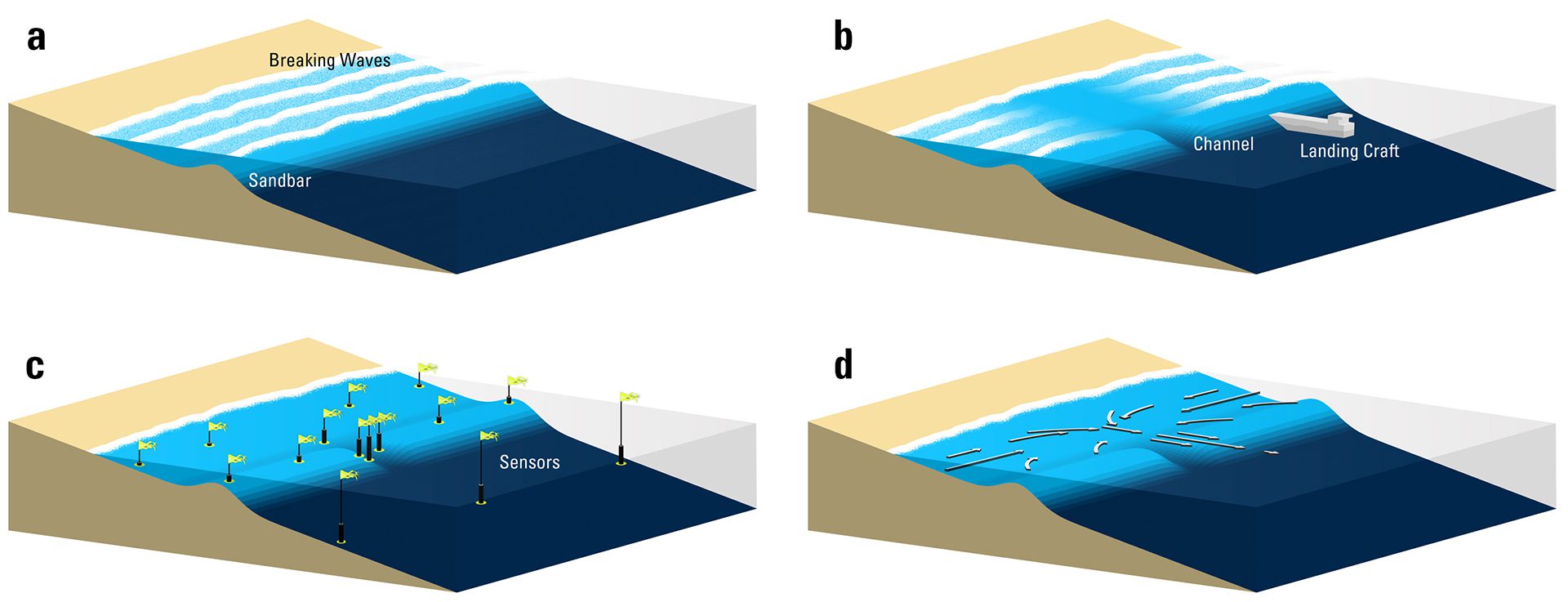
The most productive surf spots aren’t random. They’re shaped by current and structure. Focus on dynamic water movement including rips (fast-flowing channels between sandbars), gut channels (deep cuts through sandbars that funnel water and bait), and troughs (deep sloughs parallel to shore). These zones concentrate baitfish, drawing in bluefish that ambush from below. Use a long rod (10-12 ft) to cast beyond the breakers and reach the productive water where fish patrol.
Fish Near Structure
Structure breaks up current and provides cover for bluefish to corral bait. Key structural features include jetties and rock piles, beach points and coves, drop-offs and inlets, and river mouths. Bluefish use these areas to herd bait against hard surfaces, making them ideal locations for catching bluefish surf fishing. Cast along the edges of rocks or into the current flow near inlets. Be cautious of snags in rocky zones and use heavier leaders.
Scout at Low Tide
Walk the beach during low tide to identify hidden structure. Look for submerged sandbars, deep holes, and channels cutting through flats. Mark these spots with a GPS app or mental note and return when the tide rises. What looks like flat sand at high tide may be a fish-holding trough when water returns.
Best Baits and Lures for Bluefish Surf Fishing
Top Natural Baits
Bluefish are scent-driven predators that will hit fresh, oily bait. The most effective natural options include menhaden (bunker), which ranks as the number one choice due to its oily, smelly profile. Mackerel is durable and particularly attractive to large fish. Eels (live or cut) excel for targeting choppers. Mullet and silversides match local forage in many areas. Use cut bait (2-4 inch strips) on a jig head or hook, or fish whole dead bait under a float. For live bait, free-line a silverside or minnow in the current.
Chum to Draw Schools
Chumming is a game-changer for catching bluefish surf fishing. Grind bunker or menhaden and place in a mesh chum bag hung near your fishing spot. The slow release of scent attracts and holds schools, dramatically increasing strike frequency. Toss small chunks every few minutes to maintain the slick.
Top Artificial Lures
Bluefish attack lures that mimic fleeing baitfish. Metal spoons (4+ inch models) are flashy, durable, and cast long distances. Bucktail jigs (1-2 oz white) work at all depths and are highly versatile. Swimming plugs like the Bomber Long A or Cordell Red Fin create erratic action that triggers strikes. Poppers and stickbaits deliver explosive topwater action. Soft plastics like surgical hose eels provide lifelike wiggle. Fireball rigs with pink or chartreuse foam balls draw attention in low light.
Match your lure to local baitfish. Use 3-4 inch lures in silver, blue, or green when small silversides are present. Try 5-6 inch plugs or spoons when large bunker are in the area.
Essential Surf Fishing Gear for Bluefish
Rod: 9-10 Feet, Medium-Heavy
Use an 8-12 foot surf rod with medium-heavy to heavy power and fast action. A 9-10 foot rod balances casting distance and control effectively. For open beaches, go longer (11-12 ft). For jetties, use a shorter (7-8 ft) rod for accuracy. Graphite composite rods offer sensitivity and durability, helping you detect subtle bites and set hooks at distance.
Reel: Spinning or Conventional
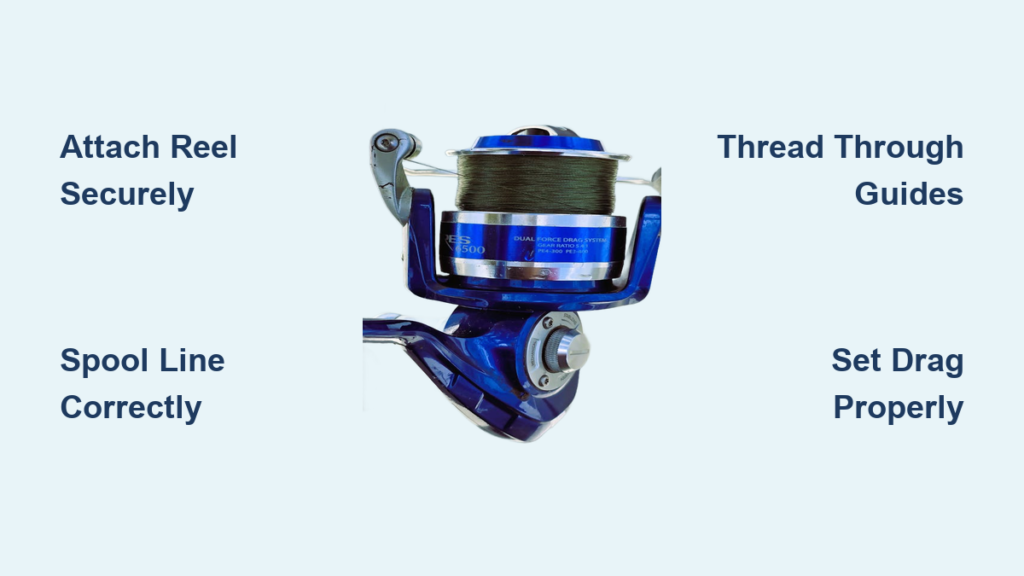
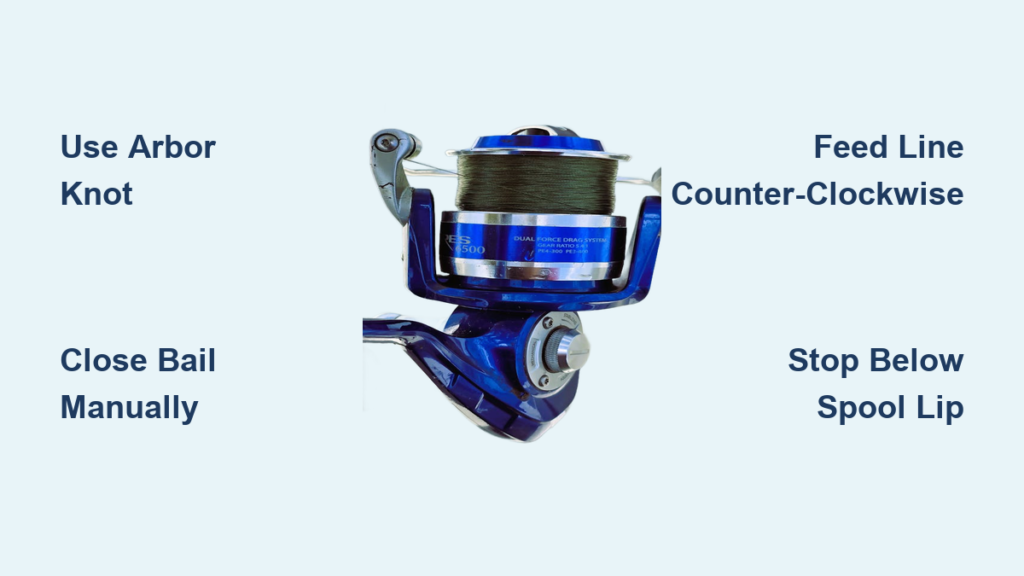
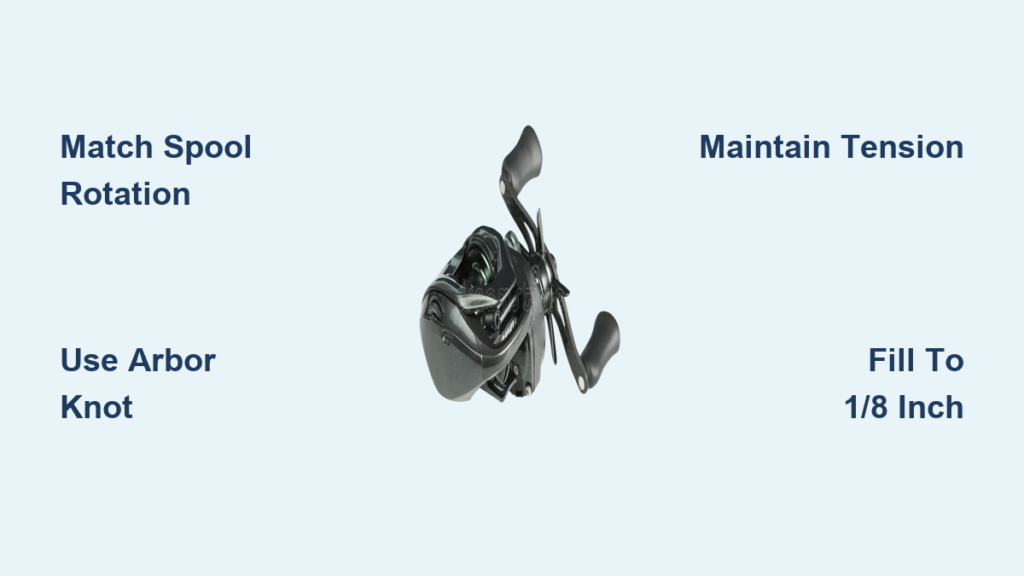
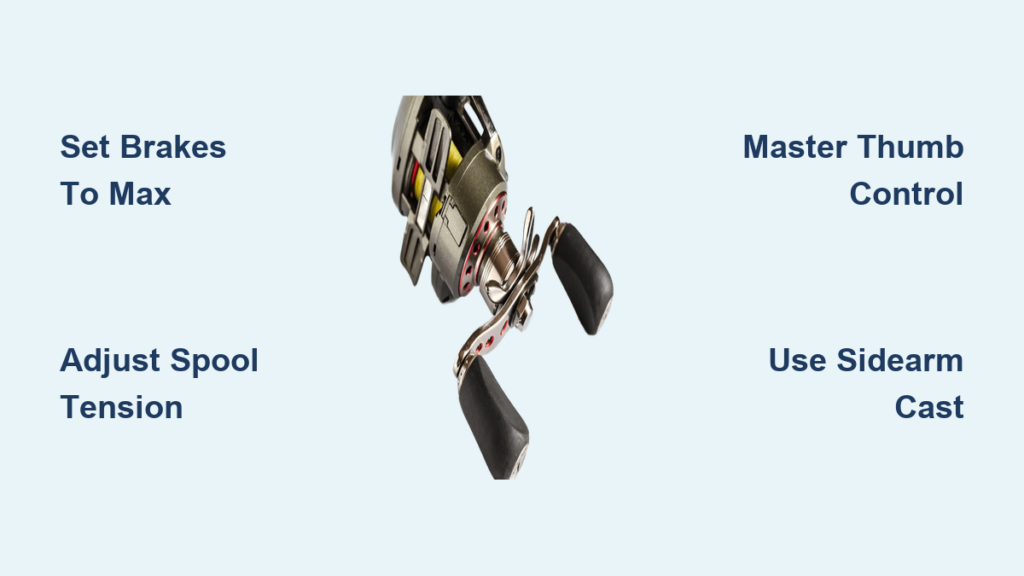
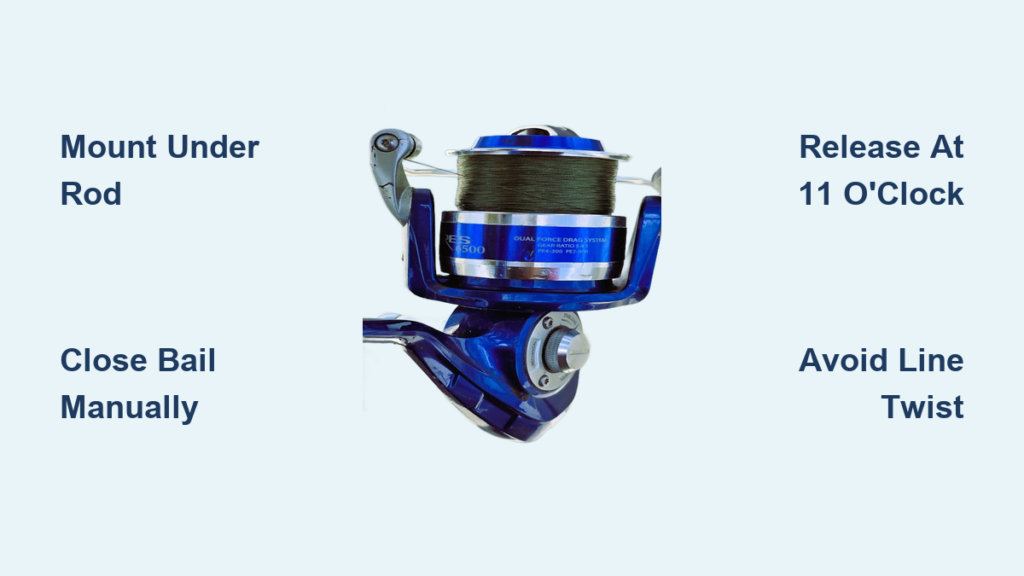
Choose a saltwater-rated spinning or conventional reel with 200-250 yards of line capacity, smooth corrosion-resistant drag, and sealed bearings to prevent sand and salt damage. Match the reel to 20-50 lb test line. Spinning reels are easier for beginners. Conventional reels offer more power for big fish.
Line: Braided Mainline
Braided line (20-50 lb test) is the top choice for surf fishing. The thin diameter provides longer casts. No stretch means better sensitivity and hook sets. Strong construction handles big fish and heavy surf. Use monofilament or Dacron backing to prevent slippage on the spool.
Wire Leaders That Prevent Bite-Offs
Stainless Steel Wire Leaders Work Best
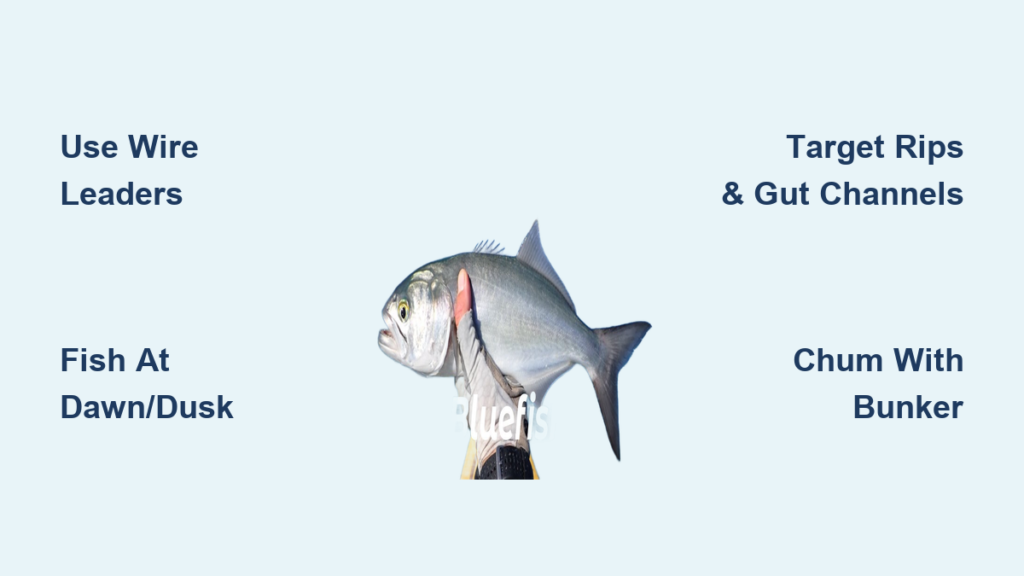
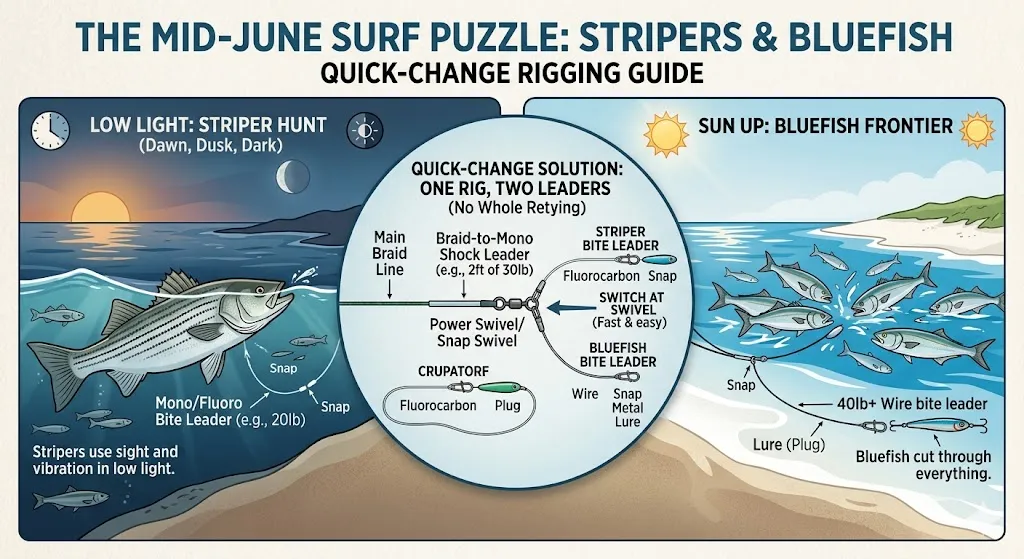
Bluefish have razor-sharp teeth that slice through monofilament and fluorocarbon. Stainless steel wire leaders (4-6 inches, 20-50 lb test) are the most reliable defense. Use single or multi-strand wire, or plastic-coated wire for a more natural look. Never tie braid directly to wire. Use crimped sleeves or swivels for secure connections.
Heavy Fluorocarbon for Clear Water
In clear water, 50 lb Seaguar InvizX fluorocarbon (3+ feet long) offers good abrasion resistance, knot strength, and low visibility. While not completely bite-proof, it withstands multiple hits better than standard fluorocarbon. Avoid 30 lb fluorocarbon in dirty water since it’s still vulnerable to choppers.
Leader Setup Tips
Maintain minimum leader length of 3 feet for fluorocarbon or 4-6 inches for wire. Use double barrel crimps for wire connections. Position weight so the leader touches the rod tip first, not the braid. Test all knots under load before fishing.
Proven Rigs and Terminal Tackle
Fireball Rigs Excel for Bluefish
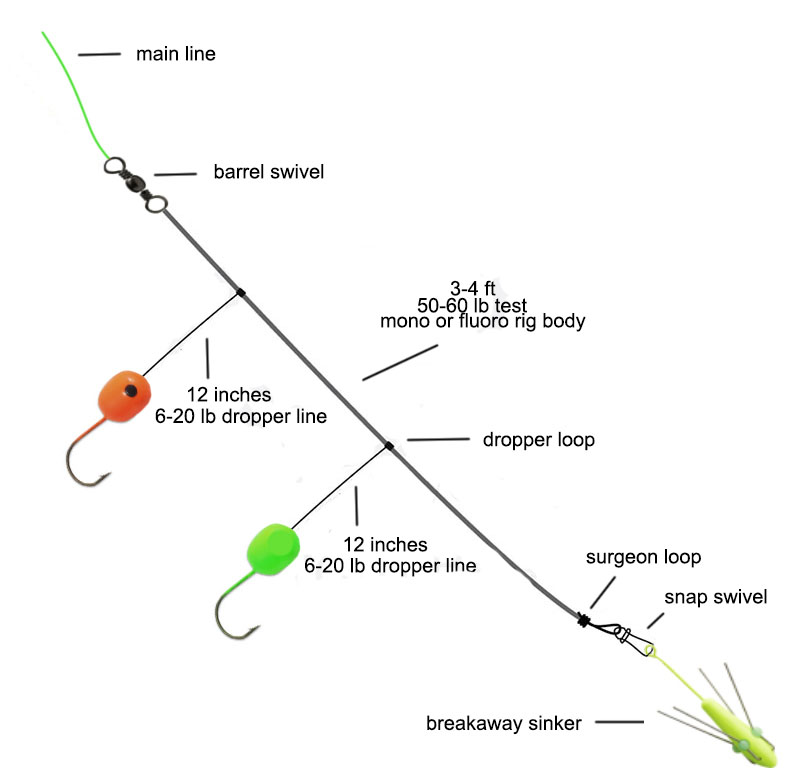
The fireball rig (a weighted hook with a bright pink or chartreuse foam ball) is deadly for bluefish, especially in low light. The foam ball adds visibility and buoyancy, keeping the lure in the strike zone. Use a single fireball for large fish or a double fireball for higher hookup rates when schools are active.
Carolina Rig with Float
The Carolina rig with float is ideal for drifting bait naturally with the tide. It uses a sliding sinker, leader, and float (bobber) to keep bait off the bottom and reduce tangles. This rig is particularly effective for suspended fish in deep troughs.
Jig Head with Soft Plastic
Pre-rigged surgical hose eels or paddle tails on a 1-2 oz jig head mimic live bait effectively. Cast and retrieve with a steady or jerk-pause motion. Use soft plastics with internal wire to prevent shredding from bluefish teeth.
Casting and Retrieval Techniques
Fan-Cast to Locate Schools
Don’t cast in one spot. Fan-cast in multiple directions to cover water and find active fish. Try casting along sandbar edges, into rips, near bird activity, and down-current of your chum. If no bites occur in 10-15 minutes, move to a new location.
Vary Your Retrieve
Bluefish respond to action and vibration. Try a steady retrieve to mimic healthy bait. Use jerk-and-pause to imitate injured prey. Erratic twitches trigger reaction strikes. Create intermittent pops with topwater lures to make splash and noise. Change speed because sometimes a slow roll works better than a fast burn.
Sight-Cast in Clear Water
In shallow, clear surf, you may see bluefish tailing or chasing bait. Cast directly to the fish and retrieve immediately. Non-strikers often hit on the second pass, so don’t give up after one try.
Hooking, Fighting, and Landing Bluefish
Set the Hook Hard
Bluefish strike with explosive force. When you feel weight, set the hook firmly with a quick upward sweep. Don’t wait because delayed sets lead to missed fish. Let the drag absorb initial runs since bluefish don’t give up like striped bass. They fight hard all the way to the net.
Keep Steady Pressure
During the fight, maintain consistent tension and avoid slack line. Don’t let them reach rocks or jetties. Use the rod to steer the fish away from structure. If it dives, point the rod down and apply side pressure.
Land with Tools
Use lip grippers, pliers, or a dehooking tool. Never grab a bluefish by the mouth because its teeth can cut through gloves and skin. Grasp the leader, not the line, to avoid hand injuries. For release, support the fish horizontally in water and revive until it swims away strongly.
Knots That Hold Under Pressure
Use Strong, Tested Knots
Your knot is your weakest link. The uni-knot works best for braid-to-leader connections. The palomar knot is strongest for attaching lures and hooks. The improved clinch knot is reliable with monofilament and fluorocarbon. The surgeon’s knot provides fast repair for broken lines. Use crimps for wire leader connections. Practice tying knots until consistent and test each one under load before fishing.
Handling and Cooking Bluefish
Bleed and Ice Immediately
Bluefish get a bad rap for being fishy, but that’s due to poor handling. For best table quality, bleed the fish by cutting gill arches. Ice it within minutes using crushed ice. Remove the dark lateral strip because this fatty layer causes strong flavor. Fillett quickly to preserve texture.
Best Cooking Methods
Smaller bluefish under 10 pounds have milder flavor and finer texture. Smoking is highly recommended because it mellows flavor and preserves moisture. Grilling works well with marinade (citrus, herbs, olive oil). Baking or broiling with lemon and butter produces excellent results. Marinating in milk or vinegar reduces oiliness. Larger choppers are better for bait or smoking due to coarser flesh.
Local Knowledge and Consistency Tips
Talk to Tackle Shops
Visit local bait and tackle shops for real-time intel on where fish are biting, what lures are working, recent catches, and tide and chum tips. Staff often provide free maps and hotspot advice.
Fish Frequently
Success comes from showing up. Bluefish schools move fast and unpredictably. The more time you spend on the beach, the more likely you are to intercept a blitz. Even on slow days, scouting helps you learn patterns.
Adapt and Improve
Conditions change daily. Be ready to switch lures, move locations, adjust tide timing, and try new rigs. The best anglers aren’t the luckiest. They’re the ones who adapt, persist, and refine their approach.
Frequently Asked Questions About Bluefish Surf Fishing
What is the best time of day to catch bluefish in the surf?
Bluefish can be caught at any time, but dawn and dusk produce the most consistent action. Early morning and late afternoon offer low-light conditions that trigger aggressive feeding. Overcast days are also excellent. Night fishing can produce big fish but requires different techniques.
Do I really need a wire leader for bluefish?
Yes, a wire leader is essential. Bluefish have razor-sharp, serrated teeth that slice through monofilament and fluorocarbon instantly. A 4-6 inch stainless steel wire leader (20-50 lb test) prevents bite-offs and lost fish.
What is the best lure color for bluefish surf fishing?
Match lure color to conditions and local baitfish. Silver and blue work in clear water. Chartreuse and pink excel in low light or murky conditions. Black and dark green mimic larger prey. Fireball rigs with bright pink or chartreuse are proven producers.
How do I know if bluefish are in the area?
Watch for surface activity like boiling water and splashing. Bird activity (seagulls and terns diving) signals bluefish herding baitfish. Foam lines and seaweed patches mark current seams where bait concentrates. Also pay attention to other anglers catching fish nearby.
Can you eat bluefish caught from the surf?
Yes, bluefish are excellent table fare when handled properly. Bleed immediately, ice quickly, and remove the dark lateral strip before cooking. Smaller fish (under 10 lbs) have milder flavor. Smoking is the recommended cooking method for best results.
Key Takeaways for Catching Bluefish Surf Fishing
Success with bluefish surf fishing comes down to preparation and persistence. Target the right season (May through October), focus on changing tides, and fish during low-light periods for best results. Use wire leaders to prevent bite-offs, match your lures to local baitfish, and fan-cast to locate schools. The most important factor is simply spending time on the beach. Bluefish schools move fast, and the anglers who catch the most fish are the ones who show up most often. With the right gear and techniques, you’ll be landing choppers from the surf in no time.