Catching a frog with a fishing pole might sound like a tall tale, but it’s a proven technique used by anglers across North America to harvest bullfrogs. This method combines traditional fishing gear with an understanding of frog behavior, creating a unique outdoor pursuit that yields edible meat. Using nothing more than a lightweight rod, small lure, and precise presentation, you can consistently land frogs while enjoying a peaceful night on the water.
This guide covers everything from gear selection and habitat identification to strike detection, catch handling, and cooking tips. Whether you’re after fresh “swamp chicken” for dinner or want a new twist on night fishing, these strategies will help you succeed.
Best Rod and Reel Setup for Frog Fishing

Use a Light or Medium Spinning Combo
A light to medium action spinning rod paired with a smooth reel is ideal for catching frogs. The sensitivity helps you detect subtle nibbles, while the flexibility prevents line breaks when a frog lunges unexpectedly. A crappie jig rod works especially well due to its precision and responsiveness.
Your setup should include the following components:
- Line Test: Use 2–6 lb monofilament or fluorocarbon for most frogs; upgrade to 8–10 lb for large bullfrogs
- Reel Drag: Set drag just loose enough to allow smooth line release during sudden pulls
- Rod Action: Light to medium sensitivity helps you feel the moment of contact since frogs don’t bite hard like fish
Upgrade for Larger Bullfrogs
When targeting big bullfrogs up to 8 inches long, reinforce your setup to prevent equipment failure. Heavy-duty wire hooks prevent bending, and a medium-power rod handles fishing in heavy cover or using topwater lures. Test your drag settings before casting, as frogs make strong, erratic runs once hooked.
Choose the Right Lure or Bait
Small Crappie Jigs Work Best
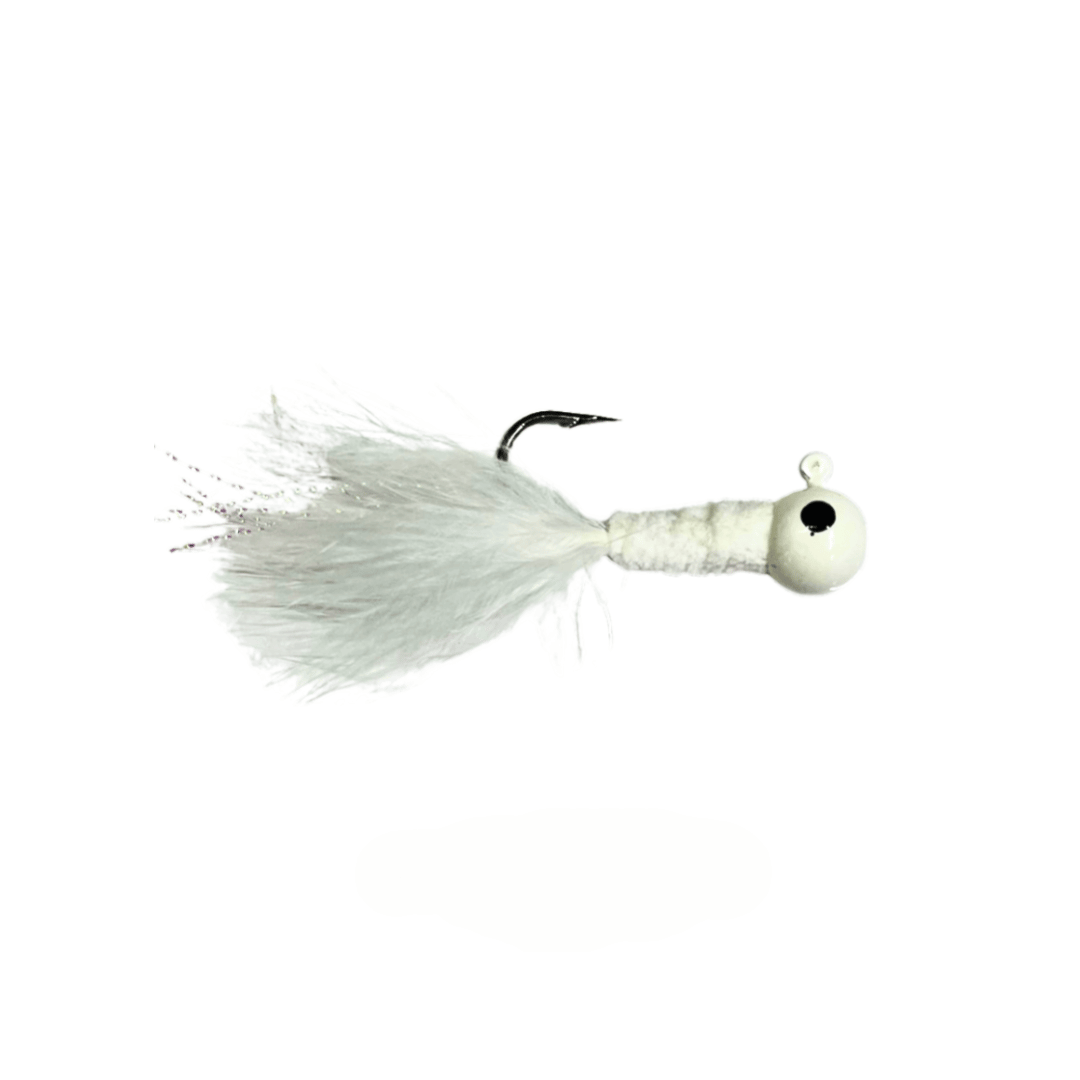
A 1/16 to 1/8 oz crappie jig with a soft plastic or feathered tail mimics the small prey frogs eat, including minnows, insects, and tadpoles. White, chartreuse, or brown colors prove most effective in clear water.
Consider these factors when selecting jigs:
- Hook Type: Sickle-style hooks penetrate tough frog mouth tissue better than standard hooks
- Presentation: Cast directly in front of a perched frog, wiggle slightly, then pause
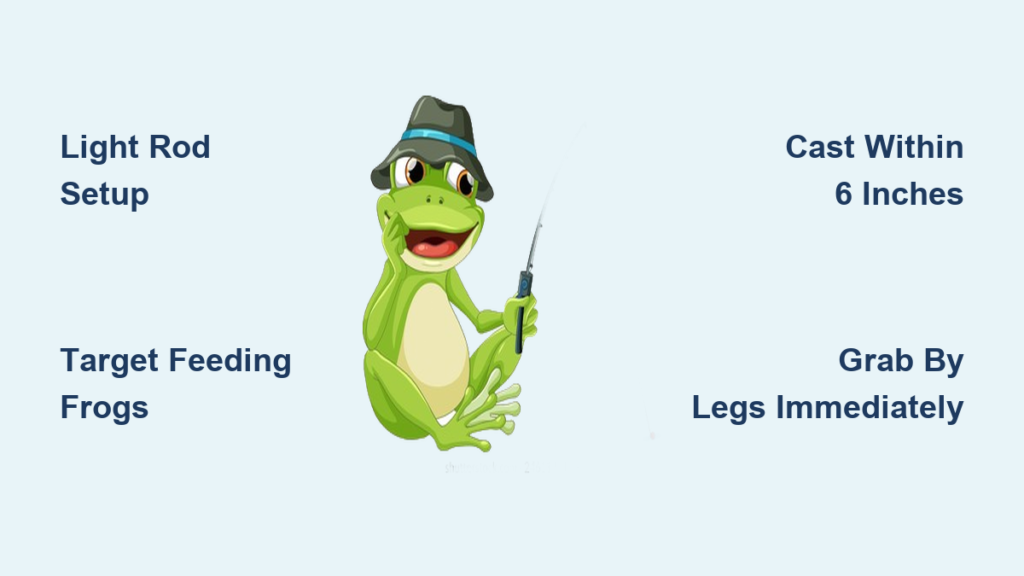
- Strike Zone: Keep the jig within 6 inches of the frog’s nose, which is where attacks happen
Topwater Frog Lures Trigger Aggression
White hollow-body frog lures float on the surface and create ripples that attract attention from nearby frogs. They work particularly well when casting into groups of frogs rather than targeting individual specimens.
The retrieval technique matters most with topwater lures:
- Use short twitches followed by 3–5 second pauses
- Multiple frogs may lunge at the same lure, so don’t reel in after the first strike
- Frogs mistake the movement for injured prey or view it as competition
Live Bait for Passive Fishing
Earthworms, crickets, or mealworms hooked lightly and fished near shorelines draw frogs in during low-light conditions. This approach requires patience but produces results when frogs are less active.
Present live bait using these guidelines:
- Use split shot 6–12 inches above the hook to keep bait near the surface
- Let the bait sit still since frogs prefer motionless prey they can ambush
- Ultra-light line helps you feel subtle pecks
Target Frogs at the Right Time
Hunt at Dawn, Dusk, or Night
Frogs are most active during low-light periods when they venture out to feed. Dusk to early night between 7–10 PM marks prime time, while dawn offers a secondary feeding window. Night fishing with a headlamp increases success dramatically because frog eyes reflect light like cat eyes, making them easy to spot.
Focus on Early Season (March–April)
Spring provides the best opportunity for several reasons. Frogs are less wary before heavy human activity begins, and warmer nights trigger feeding after brumation. Catch rates drop significantly later in summer as frogs become skittish from repeated encounters with anglers.
Find Frogs in the Right Habitat
Look in Shallow, Vegetated Waters
Frogs prefer calm, shallow areas with abundant cover where they can ambush prey. Target these specific locations:
- Ponds, marshes, swamps, and slow-moving streams
- Areas with lily pads, reeds, submerged logs, or overhanging banks
- The land-water interface where frogs sit half-in, half-out of water, ready to pounce
Approach Stealthily
Use a kayak or wade slowly to avoid vibrations that spook frogs. Human movement and scent easily alert them, so maintaining distance and minimizing noise increases your chances significantly.
Read Frog Behavior Before Casting
Identify the Feeding Stance
A frog in hunting mode sits motionless with head forward and eyes alert. This posture indicates it’s ready to strike, making it your best target. When you spot a frog in feeding position, your chances of a strike jump by approximately 90 percent.
Understand Why Frogs Bite
Frogs attack based on movement, shape, and vibration rather than smell. They mistake lures for insects, fish, or rival frogs. Competitive aggression triggers multiple strikes when groups of frogs compete for the same lure. Some frogs lunge and grab hard, creating visible splashes.
Master the Presentation Technique

For Crappie Jigs: Precision is Key
Follow these steps for jig presentation:
- Spot a frog in feeding position
- Cast the jig just in front of its nose, within 6 inches
- Use a gentle wiggle or lift, then freeze the lure
- Most strikes happen during the pause, so watch the line for twitches
For Topwater Lures: Trigger a Reaction
Topwater retrieves require a different approach:
- Cast into a group of frogs, no need for pinpoint accuracy
- Retrieve with short, erratic twitches
- Pause 3–5 seconds between moves
- Let the lure sit still since frogs often stalk and strike after observation
For Live Bait: Keep It Still
Live bait requires minimal movement:
- Present bait near cover where frogs perch
- Use ultra-light line to feel subtle pecks
- Wait patiently since frogs may nibble several times before committing
Detect Strikes and Set the Hook
Recognize the Strike
Frogs don’t bite like fish, so learn these indicators:
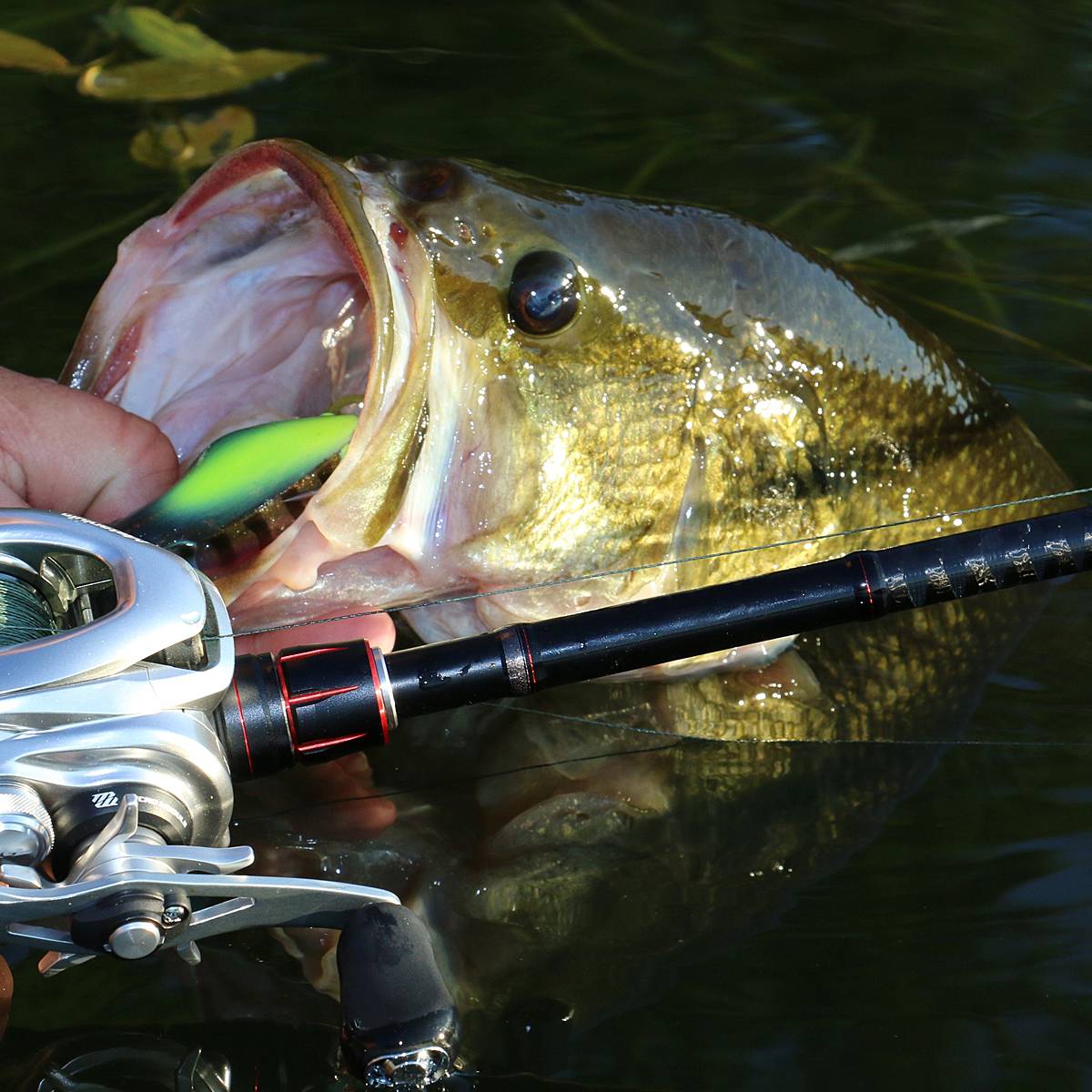
- A sudden tug or line movement
- A splash or lunge toward the lure
- Repeated nibbles before a full grab
Set the Hook with Steady Pressure
Do not jerk the rod when setting the hook. Frogs often hold the lure without fully engulfing it. Instead, apply firm, continuous pressure to pull the hook into place. Count to two after feeling resistance, then begin reeling.
Watch for Multiple Attacks
In group settings, one strike may trigger others. If you feel a second tug, pause reeling since another frog might be grabbing the lure.
Land and Secure the Frog
Grab It by the Legs Immediately
This is the most critical step. Frogs are slippery and powerful, and failure to secure them immediately results in losing your catch approximately 90 percent of the time. As soon as the frog reaches shore or the boat, grab it behind the front legs.
Use Tools for Safety and Control
Pliers or a gripper tool help with large or aggressive frogs. Wear gloves if concerned about bacteria or slippery skin. A small net assists with boat-based captures.
Follow Legal and Ethical Rules
Check Local Regulations
Bag limits vary significantly by state. Arkansas allows 18 bullfrogs per day while other states have much lower limits. Some native frogs are protected, so only target bullfrogs or green frogs where permitted. A fishing license often covers frog harvesting, but verify with your state agency.
Practice Ethical Handling
Wet your hands before touching frogs to protect their skin. Minimize handling time if releasing. Use barbless hooks or cut the line if the hook is deep since non-barbed hooks dissolve naturally.
Store and Clean Frog Legs Properly
Keep on Ice for Best Quality
Place whole or cleaned frogs on ice immediately after catching. Use a cooler to preserve freshness, especially in warm weather. Clean within a few hours for optimal meat texture.
Step-by-Step Cleaning
Follow these steps to clean frog legs:
- Decapitate by cutting behind the head to sever the spinal cord
- Skin by peeling the skin from neck to legs in one motion
- Remove torso by cutting through the pelvis to separate legs from body
- Detach legs by snipping at the hip joint and trimming off feet if desired
- Rinse legs to remove blood and debris
The torso and organs make excellent catfish bait, so nothing goes to waste.
Cook Frog Legs Like a Pro
Flavor and Texture
Frog legs taste like a cross between chicken and fish. The meat is mild, tender, and perfect for frying.
Crispy Fried Frog Legs Recipe
Try this method for restaurant-quality results:
- Dry and coat legs in flour
- Dip in milk or beaten egg
- Double-dredge in seasoned beer batter
- Fry at 350–375°F for 3–4 minutes until golden
- Serve with lemon, garlic butter, or hot sauce
The double-dredge method creates a crisp coating that stays crunchy even after cooling.
Why a Fishing Pole Beats Other Methods
Safer and More Precise Than Gigging
Using a fishing pole eliminates the need for a gig or wading in rocky terrain. You gain greater reach and accuracy from a boat or bank without physical risk.
Stealthier Than Hand-Catching
No human scent or movement scares frogs when you’re fishing remotely. Remote engagement increases success rates significantly.
More Targeted Than Netting
Lures reach under lily pads and into tight cover where nets cannot go. You maintain better control over which frog you target.
Frequently Asked Questions About Catching Frogs with a Fishing Pole
What is the best time of day to catch frogs with a fishing pole?
Dusk to early night between 7–10 PM marks prime time, with dawn offering a secondary feeding window. Night fishing with a headlamp works exceptionally well since frog eyes reflect light, making them easy to locate.
What size hook should I use for frog fishing?
Size 6 to 10 hooks work well for most frog species. Use sickle-style or offset hooks for better penetration in tough mouth tissue, and upgrade to heavy-duty wire hooks when targeting large bullfrogs over 1 pound.
How close should I cast the lure to a frog?
Cast within 6 inches of the frog’s nose for the highest strike rate. Frogs in feeding position strike approximately 90 percent of the time when lures land this close. Avoid casting beyond 12 inches since frogs won’t chase far.
Do I need a special fishing license to catch frogs?
Frog harvesting is often covered under a standard fishing license, but regulations vary by state. Some areas have specific bag limits or species restrictions. Always check with your state wildlife agency before fishing.
How do I prevent the frog from escaping after landing it?
Grab the frog immediately by the legs behind the front limbs as soon as it reaches shore or the boat. Frogs are slippery and powerful, so delay often results in escape. Use pliers or a gripper tool for larger specimens.
Final Takeaways for Successful Frog Fishing
Catching frogs with a fishing pole is a practical, rewarding skill that transforms a quiet night on the water into a productive foraging trip. The key to success lies in targeting feeding frogs at dawn or dusk, presenting lures within 6 inches of their nose, and using steady pressure when setting the hook. Early season between March and April offers the best catch rates before frogs become wary.
Remember to check local regulations, handle frogs ethically, and grab them by the legs immediately upon landing. With the right gear, timing, and technique, you can consistently harvest bullfrogs using nothing more than a spinning rod and small lure, yielding 4–6 ounces of tender meat per large frog.