Saltwater fishing delivers thrilling catches, but it puts your gear through serious punishment. How to clean a fishing reel after saltwater use is one of the most critical skills every angler should master. Salt residue, sand, and biological grime can silently corrode gears, seize bearings, and ruin drag systems if left unchecked. Even a single outing without proper cleaning can shorten your reel’s lifespan by years. The good news? A few simple, consistent steps can keep your reel spinning smoothly season after season. In this guide, you’ll learn the exact procedures top anglers use, from quick dockside rinses to deep post-trip maintenance, so your reel stays ready for the next big bite.
Immediate Rinse: Stop Corrosion Fast
Flush with Fresh Water
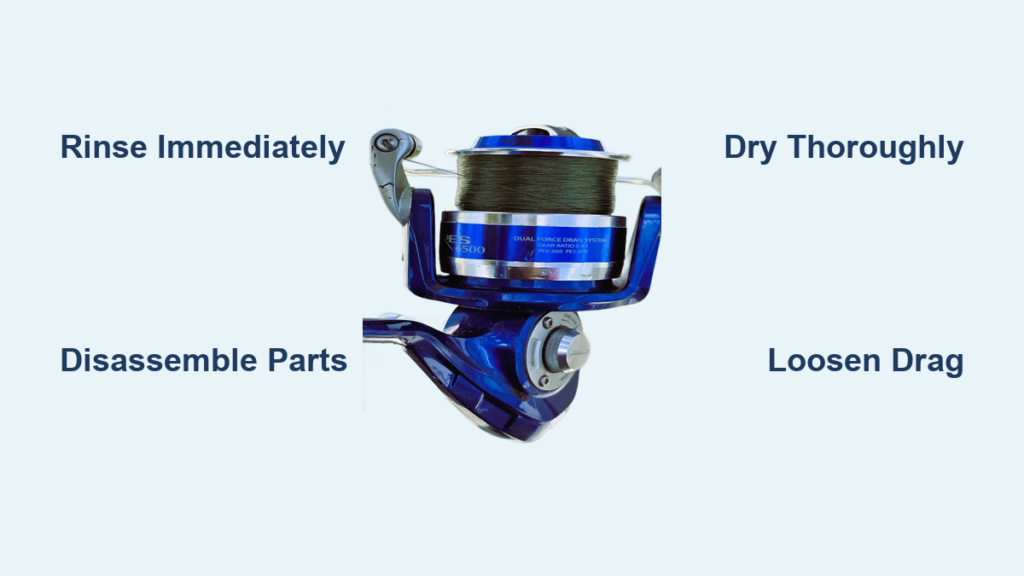
After every saltwater trip, rinse your reel immediately with fresh water. This is the single most effective way to prevent salt buildup. Hold the reel in place or submerge it lightly, then use a gentle stream from a hose or a bucket to flush out salt from critical areas: spool, bail, handle, drag knob, and frame joints. Keep the bail open and slowly turn the handle to rotate internal parts, allowing water to reach deeper zones.
Some key points to remember:
• Hold the reel steady during rinsing to avoid dropping it
• Focus on the spool lip, drag knob threads, and handle connection points
• Open and close the bail multiple times while rinsing to work water into the mechanism
Pro Tip: Never use high-pressure washers directly on seals or bearing housings. Forceful jets can push water past protective barriers and trap moisture inside.
Use Reel Cleaning Spray as an Alternative
If freshwater is not available, or you are cautious about internal moisture, opt for a reel wash spray. These specialized solutions dissolve salt without leaving residue and evaporate quickly. Spray onto a microfiber cloth first, then wipe down all external surfaces. Avoid spraying directly into ventilation holes unless the product is designed for internal use.
Some experienced anglers skip water rinses entirely. Vince Hernandez explains: “I quit rinsing mine off a long time ago. Water can sit inside of them. I use ‘reel wash’ to spray and wipe them down after use, then maybe add some oil here and there.”
This method works well for light exposure but is not a substitute for deep cleaning after heavy use.
Deep Cleaning: Disassemble and Soak
Remove Spool and Key Components
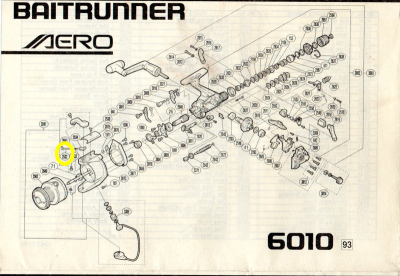
For proper maintenance, disassemble user-accessible parts. Start by removing the spool to give access to the spool shaft and drag stack area. Then detach the handle, drag knob, and any side plates that come off easily. Do not force components. Full teardowns should be left to professionals unless you are experienced with your specific reel model.
Smart move: Lay parts on a labeled towel or tray in assembly order. This prevents mix-ups during reassembly and helps you remember where each part goes.
Soak in Warm Soapy Water
Fill a container with warm fresh water and mild soap. Avoid harsh detergents that can degrade rubber seals. Submerge the spool and reel body for five to ten minutes. Warm water dissolves salt faster and loosens grit stuck in crevices.
One angler notes: “I usually just do five or ten minutes, but the warm water will help break down any old salt particles.”
Avoid soaking electronic reels or models with sealed bodies unless specified by the manufacturer.
Scrub and Rinse: Remove Hidden Grit

Clean All Surfaces Gently
After soaking, use a soft toothbrush or non-abrasive cloth to scrub every surface. Focus on high-risk zones where salt and sand accumulate:
• Spool lip and flange
• Drag stack contact points
• Gear teeth if exposed
• Bail wire and roller on spinning reels
• Handle shaft and knob
• Screw holes and hinge points
A toothbrush is perfect for reaching nooks and crannies you cannot reach with a cloth.
Rinse Off Soap Completely
Once scrubbed, rinse all parts under running fresh water. Make sure no soap remains. Residue can attract dirt or degrade internal components over time. Shake off excess water and prepare for drying.
Dry Thoroughly: Prevent Internal Rust
Air Dry Overnight
Place all disassembled parts on a clean, dry towel in a warm, well-ventilated area. Let them air dry for at least twelve hours, preferably overnight. Never rush this step. Moisture trapped inside leads to rust, mold, and lubricant breakdown.
Critical warning: Always ensure your fly box, rods, reels, and so on are completely dry before you store them. You would hate to close your damp fly box and later find that all the hooks are rusted.
Use Compressed Air Sparingly
Speed up drying with low-pressure compressed air or a hand pump. Gently blow out water from joints, spool bearings, and handle cavities. Avoid high-force settings that might push moisture deeper into the reel.
One angler reports: “After a dunking in freshwater, I would pressure blow dry.”
Never use a hair dryer or heat gun. Excessive heat can warp plastic parts or melt grease.
Lubricate and Reassemble: Restore Smooth Operation
Apply Reel Oil Sparingly
Once completely dry, apply a light coating of reel-specific lubricant to key areas:
• Handle shaft
• Drag washers if recommended by the manufacturer
• Gear teeth in minimal amounts
• Bail mechanism on spinning reels
Use high-quality products like Loon Reel Lube or manufacturer-recommended oils. A single drop goes a long way. Over-lubrication attracts dust and sand.
One user shares: “I drop a bit of oil maybe once a year too just to keep grinding.”
Expert advice states: Utilizing Loon Reel Lube after each saltwater fishing trip will extend the life of your fly reel.
Reassemble with Care
Reattach the spool, handle, and drag knob. Ensure everything clicks into place and rotates smoothly. Test the retrieve and engage/disengage the drag to confirm proper function before storage.
Reset Drag: Avoid Permanent Damage
Loosen Drag to Minimum
Before storing, turn the drag knob all the way down. Leaving drag tightened compresses washers over time, leading to glazing, slipping, or permanent deformation.
Critical rule: Storing your reel with the drag setting turned on can ruin your reel. Lower the drag setting to the lowest possible when not in use to preserve your drag.
This simple habit can save you hundreds in repairs.
Advanced Care: Full Teardowns and Pro Service
Disassemble After Heavy Use
For surf fishing, wading, or accidental dunking, consider a full internal cleaning. Experienced users go further. One angler explains: “We would tear down and clean, and after a dunking in freshwater would pressure blow dry. Then disassemble and spray with starting fluid to clean all internal parts.”
Warning: Starting fluid is highly flammable and aggressive. It removes grease and can damage plastics or seals. Only use if experienced and in well-ventilated areas.
Schedule Annual Professional Service
Even with meticulous home care, get your reel professionally serviced once a year. Experts can replace worn seals, re-grease internal gears, inspect for hidden corrosion, and calibrate drag systems.
This ensures long-term reliability and catches small issues before they become failures.
Check Water Quality: Rinse Smart
Avoid Brackish Rinse Water
In tropical destinations like Belize, Mexico, or the Bahamas, so-called fresh water may still contain salt. Rinsing with brackish water offers false security.
One angler advises: Fresh water in some countries can still have a small brackish content to it. I spray the gear down every day with this water after fishing, but once I return home, I give all my reels one more thorough cleaning before putting everything away.
Final deep cleaning should wait until you are back home with access to pure freshwater.
Clean All Gear: Full Decontamination
Wash Rods and Guides
Salt does not just hurt reels. Rods suffer too. Rinse with warm soapy water. Clean rod guides with a pipe cleaner to remove salt crust. Dry cork or EVA handles completely to prevent cracking.
Never store rods dirty. Corrosion can damage ferrules and weaken guides.
Sanitize Tools and Tackle
Clean pliers, nippers, and clippers thoroughly. Rinse with fresh water, dry, and lubricate hinges. Rinse zippers on packs to prevent salt-induced jamming. Wash flies and inspect hooks for rust. Discard any with pitting.
Best practice: Cut off the section of fishing line you used that day. Salt weakens line over time.
Store Properly: Keep Reels Ready
Use Dry, Protected Storage
Store reels in a cool, dry place away from sunlight. UV rays degrade plastics and dry out lubricants. Use reel covers or padded cases to protect from dust and impact.
Store rods vertically or horizontally. Never lean them. Remove unused fishing line before long-term storage.
Manufacturer tip: Before packing your gear for the off season, ensure you remove and dispose of all the unused lines on the reels.
Cleaning Frequency Guide
| Usage Level | Rinse After Every Use? | Deep Clean Frequency |
|---|---|---|
| Occasional (1-2 trips/month) | Yes | Every 3-6 months |
| Frequent (weekly trips) | Yes | Monthly |
| Heavy (surf/wading/submersion) | Yes | After each outing |
| Post-Travel (tropics) | Rinse on-site | Final deep clean at home |
Step-by-Step Checklist
- Rinse reel with fresh water or reel wash spray
- Remove spool, handle, and drag knob
- Soak parts in warm, mild soapy water (5-10 minutes)
- Scrub with soft brush, focus on joints and crevices
- Rinse thoroughly, no soap left behind
- Dry completely, air dry overnight or use compressed air
- Lubricate handle shaft, gears, and bail sparingly
- Reassemble and test retrieve and drag
- Loosen drag to minimum setting
- Clean rods, tools, line, and packs
- Store in dry, protected space
Frequently Asked Questions About Cleaning Fishing Reels After Saltwater Use
How soon should I rinse my reel after saltwater fishing?
Rinse your reel as soon as possible, ideally within minutes of leaving the water. The longer salt sits on your reel, the more opportunity it has to corrode metal components and damage seals. If you cannot rinse immediately, at least wipe down visible salt with a damp cloth until you can properly flush the reel.
Can I use dish soap to clean my fishing reel?
Avoid dish soaps or strong detergents. These can degrade rubber seals and leave residue that attracts dirt. Use only mild soap specifically designed for cleaning fishing equipment, or a small amount of gentle hand soap diluted in warm water.
Should I oil my reel after every cleaning?
Apply reel oil sparingly after deep cleaning, not after every rinse. A light coating on the handle shaft, drag washers, and bail mechanism is sufficient. Over-oiling attracts dust and sand, which can cause more harm than good. Many anglers oil their reels only once or twice per year.
What happens if I store my reel with the drag tight?
Storing with drag tightened compresses the drag washers over time. This leads to glazing, slipping, or permanent deformation of the washers. Always loosen the drag to its lowest setting before storing your reel.
Can I use a pressure washer to clean my saltwater reel?
Never use high-pressure washers on your reel. The force can push water past protective seals and into bearing housings, trapping moisture inside and causing internal corrosion. Use only a gentle stream from a hose or a bucket of fresh water.
How often should I get my reel professionally serviced?
Schedule professional servicing at least once a year, even with diligent home care. If you fish frequently in saltwater or have submerged your reel, consider servicing every six months. Professionals can replace worn seals, re-grease internal gears, and catch corrosion before it causes failure.
Key Takeaways for Maintaining Your Fishing Reel After Saltwater Use
Cleaning your fishing reel after saltwater use is not optional. It is essential equipment care that directly impacts performance and longevity. The most critical steps are immediate fresh water rinsing to stop salt buildup, thorough drying to prevent internal corrosion, and proper lubrication to keep mechanisms moving smoothly. Always reset the drag to minimum before storing, and clean your entire fishing system, including rods, guides, tools, and line. Whether you rinse daily or deep clean monthly, consistency is what protects your investment. Do it right, and your reel will deliver smooth performance for years to come.