A malfunctioning drag system can turn an exciting catch into a frustrating lost fish. When your reel drag slips unexpectedly, won’t engage, or feels inconsistent, it typically points to one of several common issues that are easily diagnosed and fixed at home. Understanding how your drag works, what causes failure, and how to properly maintain it will save you money on replacements and help you land more fish.
This guide covers every major drag problem, from braided line slippage to worn washers, with step-by-step solutions you can apply using basic tools. You’ll learn how to diagnose issues, clean and service drag components, set drag correctly for your line strength, and prevent future problems.
Diagnose the Drag Problem Before Repairs
Identifying the exact issue before disassembling your reel saves time and prevents unnecessary work. Different symptoms point to specific causes.
No Resistance Despite Tight Drag Knob
If turning the drag knob fully clockwise produces zero resistance, the problem is mechanical rather than adjustable. This commonly occurs when braided line is spooled directly onto a smooth arbor. Braided line has almost no grip and will spin freely regardless of how tight you set the drag.
Other potential causes include missing or damaged drag washers, a failed retaining clip, or a misaligned spool that prevents compression force from transferring to the washer stack. Pull line off the spool by hand to confirm. If it spins freely even with the knob tight, braid slippage or washer failure is the culprit.
Drag Slips or Stutters During Use
A stick-slip effect, where resistance builds then suddenly releases, indicates dirty, glazed, or dry drag washers. Salt, sand, and old grease create uneven friction that causes this jerky performance. Carbon fiber washers can glaze over time, reducing their surface grip. Felt and cork washers dry out and lose consistency.
This problem also occurs when too much or too little grease is applied. Over-greasing causes slippage while under-greasing leads to grabbing and stuttering.
Inconsistent Drag Performance
When drag feels strong one moment and weak the next, inspect the washer stack order. Every washer must be present and correctly oriented. Check the retaining clip security and spool seating. Even one missing washer reduces total friction area. A warped shaft or housing can cause intermittent contact that makes drag feel unreliable.
Fix Braided Line Slippage on the Spool

Braid slippage is the number one reason anglers believe their drag is broken when the line-to-spool connection is actually failing.
Why Braided Line Slips
Braided fishing line is extremely slick with minimal surface friction. Without a textured base, it slides on the spool arbor even under full drag pressure. This problem is especially common on reels not specifically designed for braid use.
A full drag knob only clamps the washer stack. It cannot stop the spool from spinning if the line itself is not anchored to the arbor.
Secure Braid with Tape or Backing
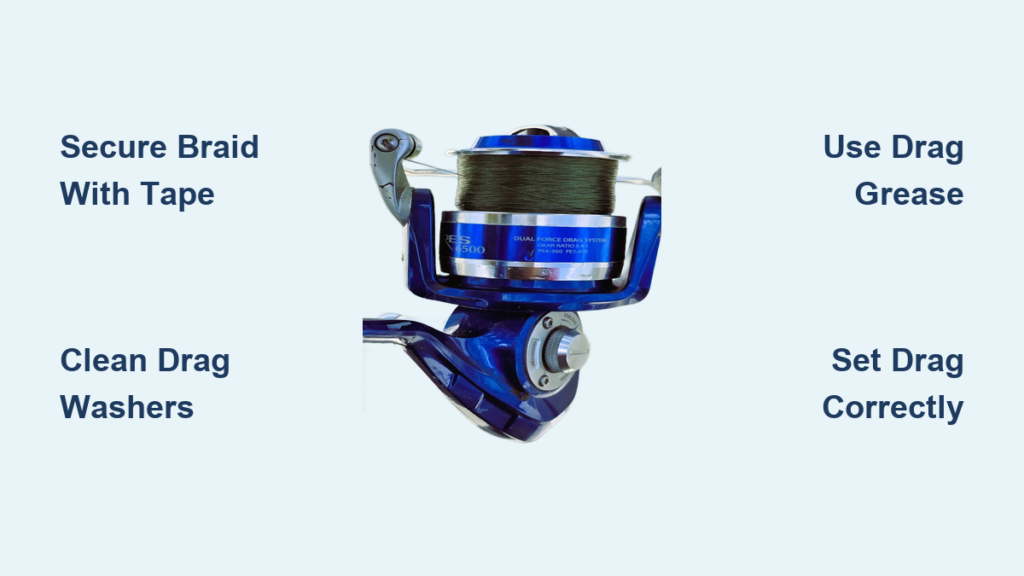
Apply electrical tape in two to three layers around the spool arbor before spooling your braid. This creates a high-friction base that grips the line effectively. Extend the tape from near the spool base to just below the lip.
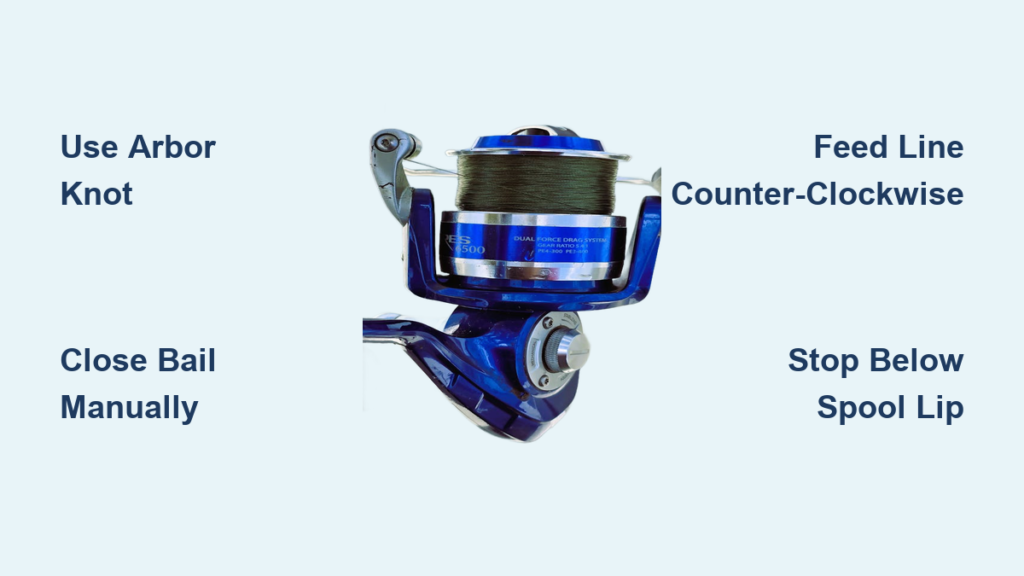
Alternatively, tie ten to fifteen yards of ten to fifteen pound monofilament to the spool using an arbor knot. Connect the braid to the mono with a double uni knot or albright knot. The monofilament grips the spool better and acts as a slip-resistant foundation.
Even on reels labeled braid-ready, using tape or backing adds security, especially for heavy-duty fishing applications.
Clean and Service Drag Washers
Dirty or degraded washers are the second most common drag failure cause. Regular servicing restores smooth, consistent performance.
Remove the Spool Safely
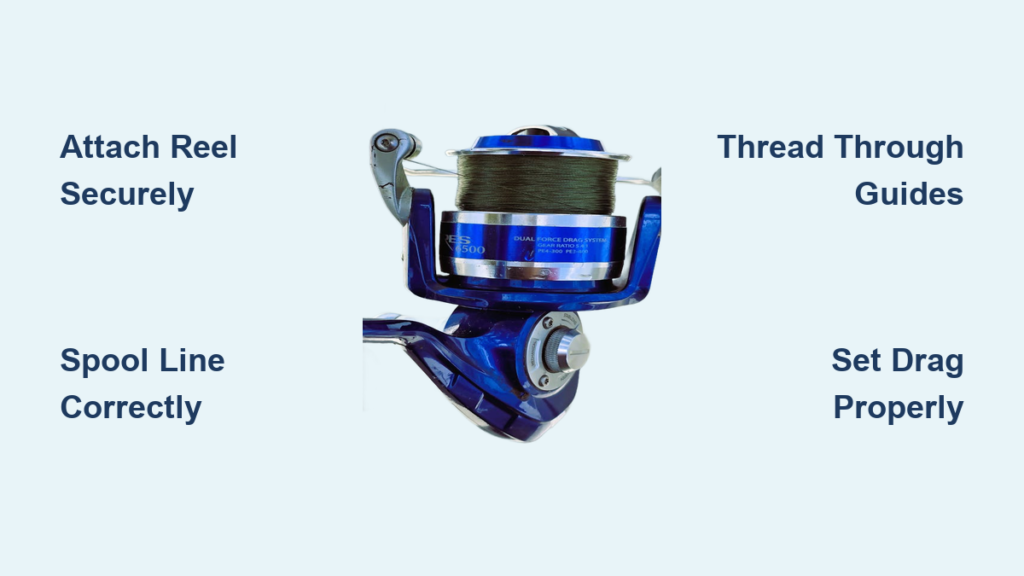
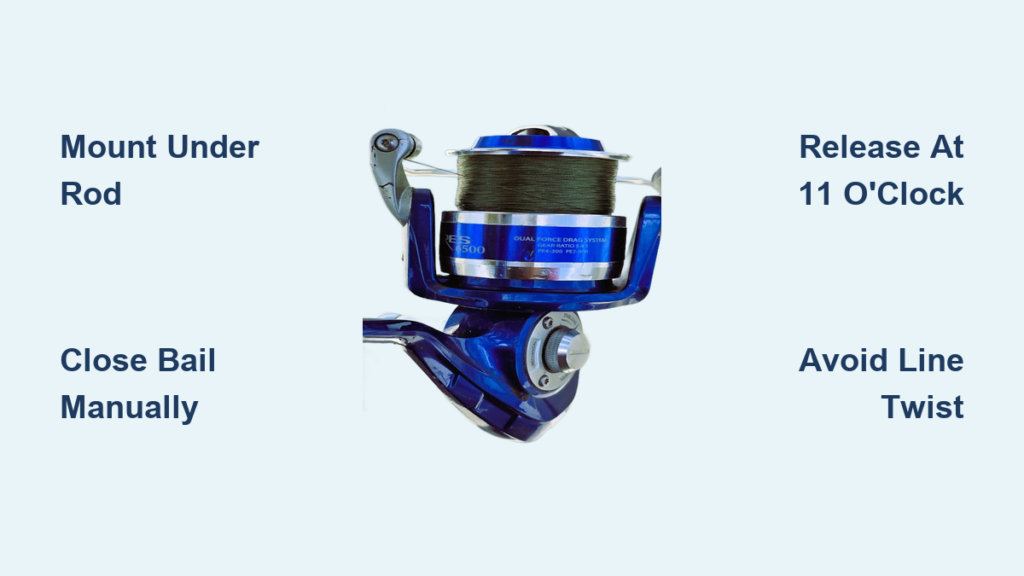
For spinning reels with front drag, turn the drag knob counter-clockwise until it unscrews. Lift the spool straight off the reel shaft. Locate the retaining clip inside the spool hub.
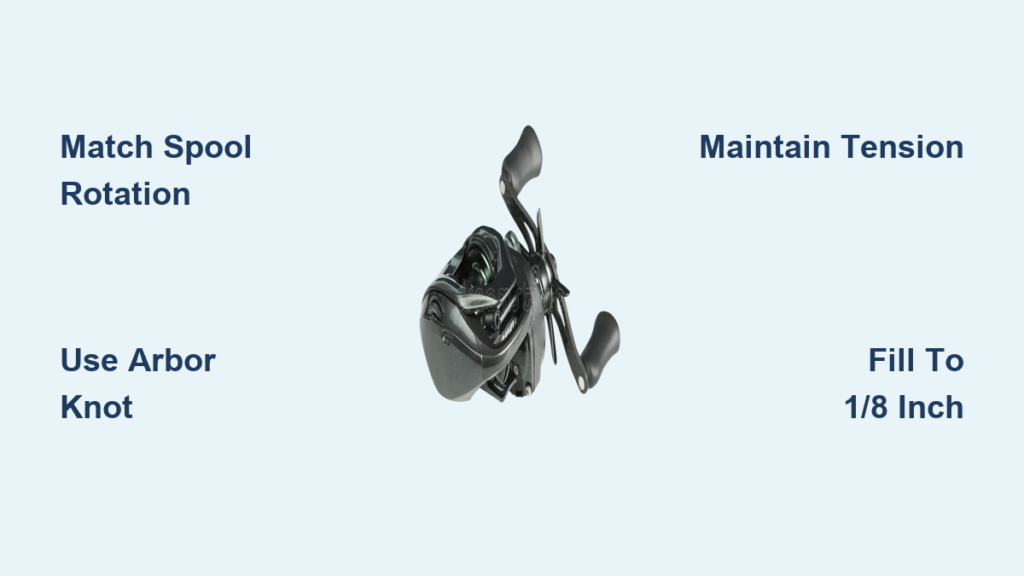
For baitcasting and conventional reels with star drag, loosen the star drag completely. Remove the side plate or spool to access the drag stack. Some models require removing the handle or rotor first.
Never force parts. Refer to your reel manual if anything seems stuck.
Extract and Inspect Washers
Use a small flathead screwdriver to gently pry out the retaining clip. Tip the spool to let washers fall out. Keep them in original order and orientation. Mark the top washer with a dot if needed to ensure proper reassembly.
Carbon washers show cracks, warping, or a shiny glazed surface when worn. Felt washers become brittle, dry, or frayed. Cork washers swell, become mushy, or crack. Metal washers show pitting, corrosion, or warping.
Replace any washers showing visible degradation.
Clean Washers Properly
Wipe each washer with a lint-free cloth. For stubborn grime, use isopropyl alcohol at seventy percent or higher. Do not soak carbon washers. Brief wiping is sufficient. Let all washers dry completely before re-lubricating.
Re-lubricate with Drag Grease
Never use WD-40, motor oil, or household grease. These attract dirt or cause slippage. Use dedicated drag grease such as Cal’s Drag Grease, Shimano I, or Penn Precision.
Apply a pea-sized amount to your fingertip. Work the grease evenly into both sides of each washer until absorbed. Avoid pooling visible grease on the surface.
For saltwater fishing, use waterproof high-temperature grease designed for offshore conditions.
Reassemble the Drag Stack
Restack washers in the original order. The typical arrangement is black washer, metal washer, black washer, metal washer, then top washer. Ensure all washers are flat and properly aligned.
Reinstall the retaining clip by snapping one end into the groove, then pressing or levering the other end until it clicks into place. Reattach the spool and test rotation. The spool should spin freely when drag is loose.
Set Drag Correctly by Line Strength
Even a perfect drag system fails if set incorrectly. Over-tightening breaks line while under-tightening lets fish escape.
Know Your Reel Adjustment Type
Spinning reels use a knob on the top or back of the spool. Tighten clockwise. Spincast reels use a small wheel on the spool. Push right to tighten. Baitcasting reels use a star wheel near the handle. Direction varies by model, so test incrementally.
Some baitcasting reels reverse direction from what you expect. Always test in small increments before committing to a setting.
Use a Scale to Set Drag Accurately
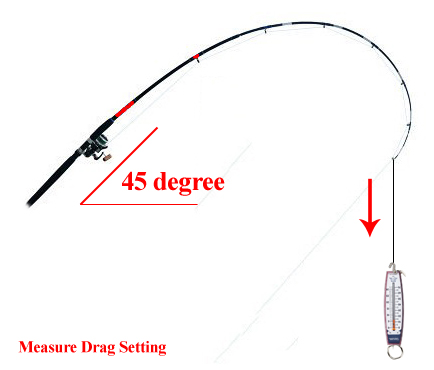
Tie a loop knot in the line end. Attach to a digital luggage scale or fish scale. Have a helper hold the scale twenty to thirty feet away. Bend the rod to simulate a fighting posture.
Pull steadily at a forty-five degree angle until the line slips. Adjust the drag until slip occurs at twenty to thirty percent of the line’s breaking strength.
For eight pound test line, set drag between one point six and two point four pounds. For twelve pound line, set between two point four and three point six pounds. For twenty pound line, set between four and six pounds.
Always test with the rod bent. Rod flex affects line tension significantly.
Adjust Drag for Fishing Conditions
For heavy cover including weeds and rocks, increase drag to forty to fifty percent to steer fish away from snags. For open water fishing, use twenty to thirty percent for smoother runs and less break-off risk.
In cold weather, grease thickens and drag feels tighter. Recheck your settings. In hot weather, grease softens and may slip. Use high-temperature grease for tropical conditions.
Inspect for Mechanical Damage

If cleaning and re-spooling do not fix the drag, check for internal damage.
Check the Retaining Clip
A bent, cracked, or missing clip cannot hold the washer stack under pressure. Replacement clips are often available from the manufacturer. Ensure it snaps securely into the groove.
Verify Spool and Shaft Alignment
A warped spool shaft or damaged housing misaligns the drag stack. Symptoms include a wobbly spool, uneven drag, or the spool not seating fully. Inspect for corrosion, especially in saltwater-exposed reels.
Look for Missing or Damaged Parts
A missing washer reduces total friction. Stripped drag knob threads prevent full compression. A cracked spool lip affects pressure distribution.
If gears, shafts, or housings are corroded or stripped, consult a professional reel technician. Brands like Shimano, Daiwa, and Penn offer OEM repair kits.
Fix Silent Drag on Spinning Reels
No clicking noise does not mean the drag is broken. The anti-reverse clicker may simply be damaged.
Locate and Test the Clicker Mechanism
Remove the spool and inspect the underside. Find the small metal tab with a spring that engages a gear on the shaft to create the clicking sound.
Move the tab to test. If it snaps back into place, the spring is intact. If it stays loose, the spring is broken or missing.
Some high-end reels like the Shimano Stella are designed to be silent. Check your model specifications before assuming something is wrong.
Prevent Drag Problems with Maintenance
A well-maintained drag lasts for years. Follow these routines to avoid failures.
Routine Maintenance Schedule
After every saltwater use, rinse the reel with freshwater. Avoid high-pressure sprays. Dry thoroughly before storage.
Every three to six months, disassemble and clean drag washers. Re-lube with proper grease. Inspect all parts for wear.
Before each season, recheck the line-to-spool connection. Replace frayed backing or old braid. Test drag with a scale.
Avoid Common Drag Mistakes
Many anglers set drag too tight, believing tighter means better control. However, over-tightening breaks light line during sudden fish runs. The drag is designed to slip. Let it do its job.
Knots reduce line strength by twenty to fifty percent. A ten pound line with a weak knot may break at only six pounds. Set drag below knot strength, not line rating.
Testing drag with bare hands is dangerous. Braided line can cut skin under tension. Always use pliers, gloves, or a scale when testing.
Drag settings drift due to temperature, vibration, and moisture. Always test before each fishing trip.
Pro Tips for Better Drag Performance
Use Finger Pressure During Fights
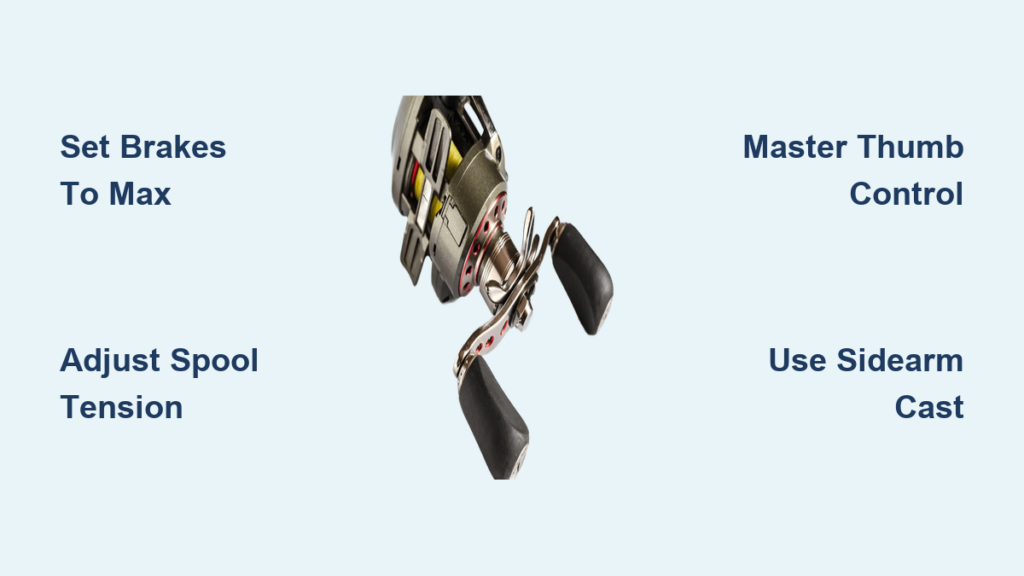
On spinning reels, lightly press the spool edge with your index finger to add instant resistance. On baitcasters, palm the spool with your thumb to control run speed. This gives real-time drag adjustment without touching the knob.
Listen to the Sound
A healthy drag produces a smooth whirring or rhythmic clicking. Grinding indicates metal contact or debris. Stuttering indicates dirty or glazed washers. Silence on a clicker-equipped reel indicates spring failure.
Match Drag to Technique
For crankbaits, use looser drag around twenty to twenty-five percent to prevent hook pulls. For jigs and soft plastics, use moderate drag around thirty percent for solid hooksets. For topwater lures, set drag to allow quick slack pickup while maintaining enough tension to set hooks.
When to Replace Parts or the Reel
Replace drag washers if they are cracked, glazed, or compressed. Replace if drag remains inconsistent after cleaning. Saltwater anglers should replace washers every two to three years.
Consider a new reel if the drag cannot be disassembled or serviced. If internal gears or shafts are corroded or stripped, or if max drag is below fifteen to twenty percent of your line strength even when fully tightened, replacement is more cost-effective than repair.
For reels under fifty dollars, replacement is often more economical than repair.
Frequently Asked Questions About Fishing Reel Drag
Why does my drag slip even when the knob is fully tightened?
This typically occurs because braided line is not anchored to the spool arbor. Braided line is extremely slick and will spin freely on a smooth spool. Add electrical tape or monofilament backing under the braid to create grip.
How often should I clean my drag washers?
Clean and re-lube drag washers every three to six months with regular use. After every heavy saltwater trip, service the system immediately to prevent corrosion and degradation.
What is the correct drag setting for my line strength?
Set drag to slip at twenty to thirty percent of your line’s breaking strength. For example, with twelve pound test line, set drag to slip between two point four and three point six pounds. In heavy cover, you can increase to forty to fifty percent.
Can I use regular grease on drag washers?
Never use household grease, WD-40, or motor oil. These attract dirt and cause slippage. Use only dedicated drag grease designed for fishing reel washers.
Why is my spinning reel drag silent?
A silent drag usually means the anti-reverse clicker mechanism is damaged. The spring under the spool may be broken or the metal tab may not be engaging the gear. Some high-end reels are designed to be silent, so check your model first.
Should I replace my reel or repair the drag?
Replace drag washers if they show wear. Consider a new reel if internal components are corroded, if the drag system cannot be serviced, or if max drag falls below fifteen to twenty percent of your line strength even when fully tightened.
Key Takeaways for Fixing Fishing Reel Drag
Most drag problems stem from two simple causes. First, braided line slippage occurs when the line is not anchored to the spool. Second, neglected maintenance leaves washers dirty, dry, or worn. Both issues are easily fixed at home with basic tools.
Always secure braid with electrical tape or monofilament backing before spooling. Clean and re-lube drag washers every three to six months. Set drag using a scale at twenty to thirty percent of your line’s breaking strength.
A properly functioning drag is your best tool for landing big fish. Treat it as a precision component, not just a knob, and you’ll lose fewer fish to break-offs while protecting your gear from unnecessary damage.