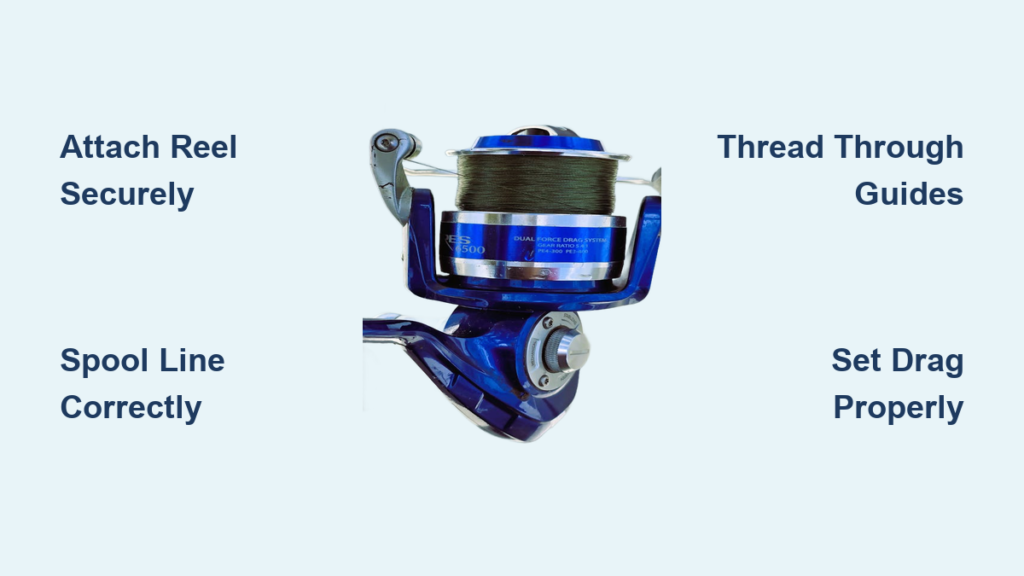
If you’ve just picked up a Shakespeare fishing reel, you’re holding one of the most reliable, beginner-friendly tools in modern angling. Known for durability, smooth performance, and affordability, Shakespeare reels are ideal for everything from panfish in a backyard pond to saltwater strikes off the pier. This guide walks you through every essential step to set up, cast, and maintain your reel like a pro.
You’ll learn how to spool your reel without tangles, cast with accuracy and distance, fight fish effectively, and keep your gear running smoothly season after season, all tailored specifically to Shakespeare spinning and spincast reels.
Choose the Right Shakespeare Reel Type
Before diving into setup, confirm which type of Shakespeare reel you’re using, as each operates differently.
Spinning Reels for Beginners
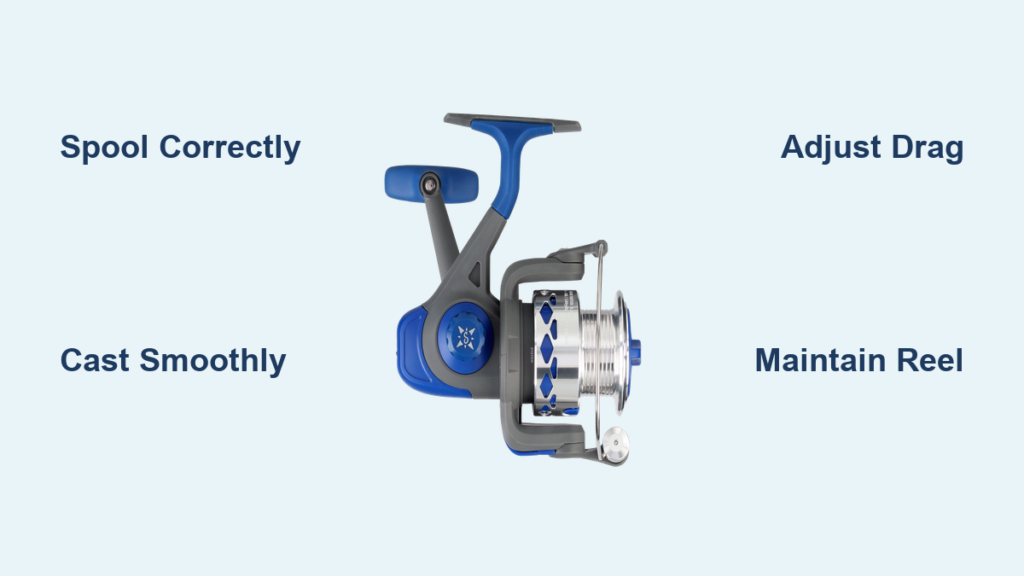
Models like the Excursion, Contender, Synergy, and Summit are perfect for freshwater bass, panfish, trout, and light saltwater use. These reels offer easy casting, tangle-resistant operation, and work well with 6 to 15 pound test line. They are ideal for kids and novice anglers who want reliable performance without a steep learning curve.
Spincast Reels for Foolproof Casting
The Synergy Spincast, Excursion Spincast, and Agility models feature an enclosed nose cone that prevents backlash entirely. With one-button casting and a minimal learning curve, these reels are the best choice for first-time anglers and children. The enclosed design means virtually no tangles, making fishing more enjoyable for beginners.
When to Consider Other Reel Types
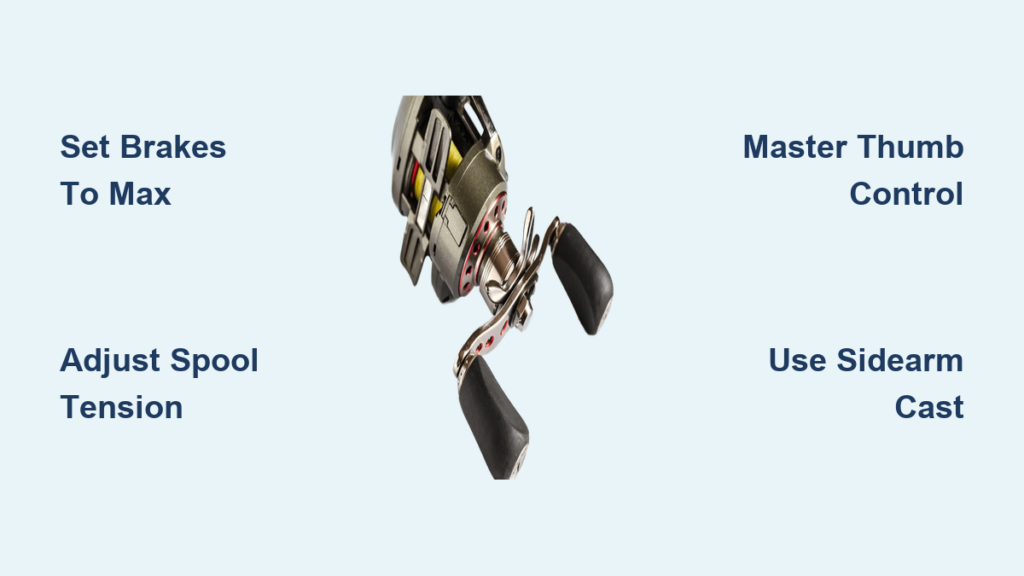
Baitcast and conventional reels require more skill and are better suited for heavy lures or offshore trolling. These advanced options offer superior casting accuracy but come with a steeper learning curve and higher risk of backlash if not operated correctly.
Spool Your Reel Correctly to Prevent Tangles
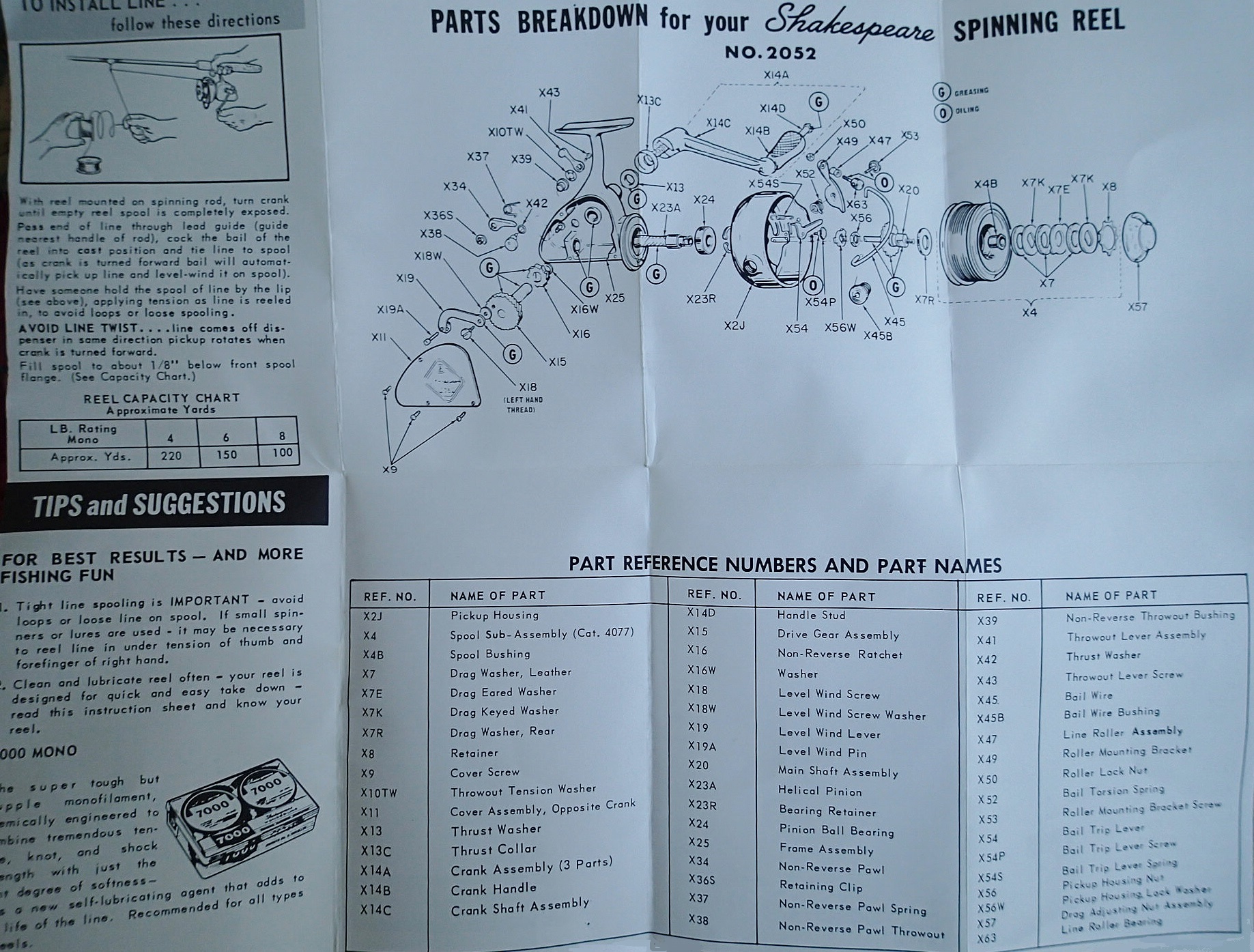
A poorly spooled reel leads to wind knots, tangles, and lost fish. Follow these steps to load line like a pro.
Remove the Spool Safely
Flip open the bail first. Then unscrew or slide off the spool, depending on your model design. Keep any washers, O-rings, or spacers organized, as losing these small parts affects reel performance.
Select the Right Fishing Line
Match your line to the reel’s rating. The Contender Spinning Reel performs best with 6 to 10 pound test line. For most freshwater applications, 8 pound test with 200 yards provides an ideal balance of casting distance and strength. Avoid using overly heavy line like 20 pound test unless targeting large species in heavy cover, as this reduces casting distance and increases tangle risk.
Attach Backing for Braided Line
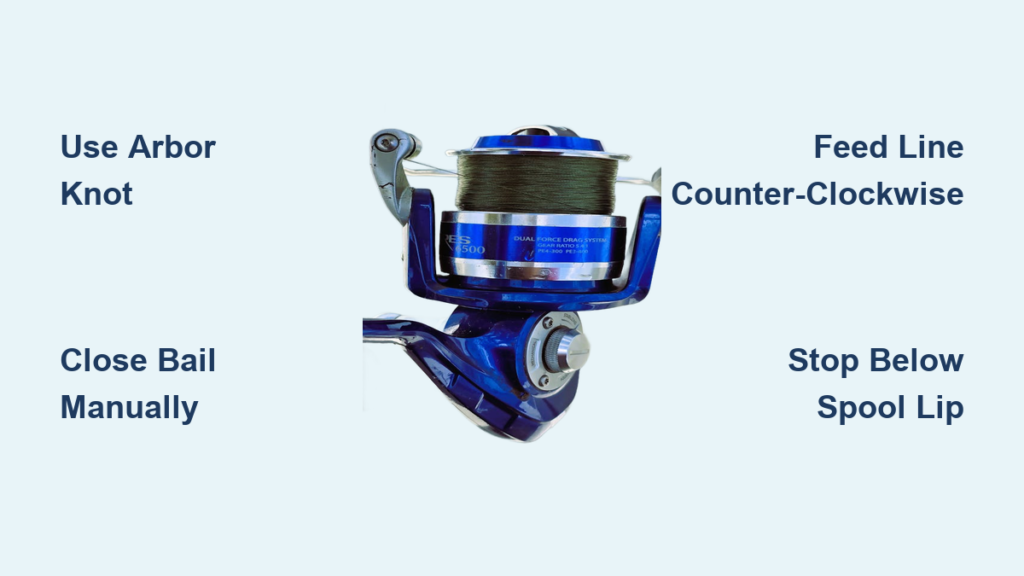
Even on braid-ready spools, backing helps fill the spool to optimal diameter, saves expensive braided line, and prevents slippage. Use an arbor knot by wrapping line around the spool hub, tying an overhand knot around the standing line, and tightening when moistened. Alternatively, use an improved clinch knot by threading through the hole, wrapping 6 to 7 times, and passing the tag end through the loops before pulling tight.
Tie Main Line with a Uni Knot
For braid-to-backing or leader connections, overlap the two lines by 6 to 8 inches. Wrap the tag end around both lines 6 to 8 times, then pass it through the loop near the standing line. Pull both ends to tighten. The uni knot is stronger than basic clinch knots and works across different line types and diameters.
Reinstall and Begin Spooling
Slide the spool back onto the reel shaft and open the bail fully. Run line through the first rod guide, which is closest to the reel. Place the line spool on the ground so it rotates like a wheel, ensuring the line feeds from the front rather than the back. This prevents line twist during spooling.
Apply Steady Tension While Winding
Use your thumb and index finger to apply firm, consistent pressure while guiding the line by hand to lay it evenly across the spool. Wear gloves when handling braided line to prevent line burn. Never let line wind loosely, as this causes tangles and wind knots.
Stop at the Correct Fill Level
Fill the spool to 1/16 inch to 1/8 inch below the spool rim. Overfilling causes line to jump off during casting, while underfilling reduces capacity and performance. A little space is always better than too much.
Cast Without Tangles Using Proper Technique
Now that your reel is spooled correctly, it’s time to cast accurately and cleanly.
Grip and Prepare the Rod
Hold the rod handle with your dominant hand, resting your index finger on the underside of the handle for line control. With your non-dominant hand, flip the bail open and confirm the spool spins freely.
Engage Free-Spool for Longer Casts
If your model has a free-spool lever, flip it to disengage for extra distance, especially with light lures. This allows line to free-spool off the spool during flight. You must re-engage the lever after casting to restore drag control.
Execute the Cast
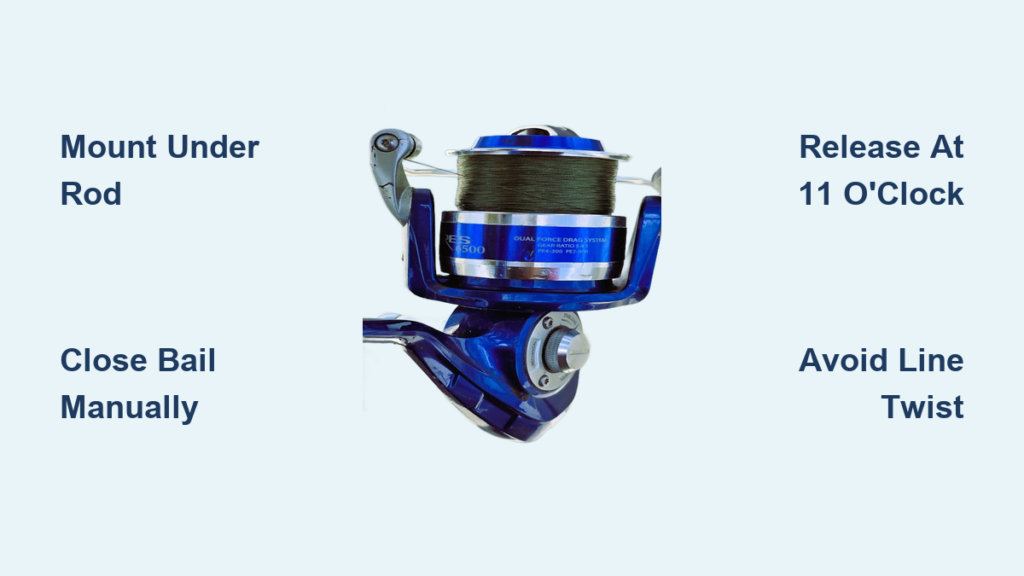
Pinch the line against the rod handle with your index finger to prevent premature release. Bring the rod tip back in a smooth arc, then swing forward while accelerating toward your target. Stop the rod at the 10 to 11 o’clock position and lift your finger to release the line. Let the lure’s momentum pull line off the spool.
After the Cast
Re-engage the free-spool lever if you used it. Close the bail either manually or by turning the handle, as most Shakespeare models auto-close during the initial crank. Begin retrieval immediately after.
Retrieve Smoothly and Efficiently
Good retrieval keeps you in control and protects your gear from damage.
Close the Bail First
If the bail didn’t close automatically, close it manually before cranking. An open bail during retrieval causes line to pile up and create tangles.
Use the Oversized Handle
Shakespeare reels feature an oversized handle that provides more leverage. This helps tire out strong fish without causing hand fatigue during extended fights.
Crank at a Steady Pace
Avoid jerky or uneven turns when retrieving. Consistent cranking prevents line twist and drag stutter, ensuring smooth operation throughout your retrieve.
Adjust Drag for Better Fish Control

The drag system is your secret weapon when fighting fish.
Locate and Use the Drag Knob
On most Shakespeare reels, the drag knob sits on top of the spool, known as front drag. Some models have rear drag systems inside the body. Turn clockwise to tighten the drag and increase resistance. Turn counter-clockwise to loosen the drag and decrease resistance.
Match Drag to Your Situation
Increase drag when fighting large fish in open water. Use slightly looser drag when fishing near logs or rocks to prevent break-off if a fish runs into structure. For light lures or finesse fishing, use softer drag to allow natural action. In clear water with spooky fish, use light tension to avoid tearing hooks.
Test Drag Before Every Outing
Pull the line with a gloved hand to test the drag setting. It should slip smoothly under pressure, not lock completely or spin freely. Never over-tighten drag near structure, as line can snap at full strength.
Tie Strong, Reliable Knots for Secure Connections
Weak knots mean lost fish. Use these two essential knots for your Shakespeare reel.
Improved Clinch Knot for Hooks and Lures
Thread the line through the hook eye, then wrap the tag end around the standing line 6 to 7 times. Pass the tag end through the small loop above the eye, then through the large loop. Moisten the knot with saliva or water, pull tight, and trim the tag end. This knot is strong, proven, and easy to tie, making it ideal for small hooks and lightweight lures.
Uni Knot for Line Connections
Overlap two lines by 6 to 8 inches. Wrap the tag end around both lines 6 to 8 times, then pass it through the loop near the standing line. Pull both ends to tighten and seat the knot, then trim tag ends. Use this knot when joining braid to backing, attaching a leader, or connecting lines of different thickness.
Maintain Your Reel for Long Life
A little care goes a long way, especially after saltwater use.
Rinse After Every Use
Rinse your reel with fresh water after every fishing trip, particularly in saltwater or dirty conditions. Use a damp cloth to wipe down the spool, bail, handle, and body. Avoid soaking or submerging the reel, as small parts like springs and rivets may fall out during cleaning.
Lubricate Key Points
Apply light reel oil to the bail roller, handle shaft, and rotor pivot points. Use reel grease on gears only as needed. Never over-lubricate, as excess oil attracts dirt and grime.
Store It Right
Keep your reel in a cool, dry place. Loosen the drag completely to protect internal springs and washers. Remove the line if storing longer than a few months. Avoid direct sunlight and extreme heat, as these conditions degrade materials.
Pick the Best Shakespeare Model for Your Needs
Not all Shakespeare reels are the same. Choose based on your specific needs and fishing style.
Best for Beginners
The Shakespeare Synergy Spincast Reel offers one-button casting and an enclosed design that prevents tangles. It’s great for kids and first-time anglers who want a hassle-free experience.
Best Value Spinning Reel
The Contender Spinning Reel, priced between $46.99 and $54.99, delivers durable performance for freshwater and light saltwater use. Its smooth bail system makes it ideal for bass, panfish, and family fishing trips.
Best Budget Option
The Excursion Spinning Reel at $36.99 provides an affordable entry point with corrosion-resistant construction. It’s reliable for pier fishing and casual angling without breaking the bank.
Best for Trout and Finesse Fishing
The Alpha Spinning Reel features a lightweight design suited for finesse techniques and light tackle. It’s perfect for anglers who prioritize delicate presentations.
Real-World Applications for Shakespeare Reels
See how Shakespeare reels perform in actual fishing scenarios.
Panfishing from a Kayak
Use a Contender or Micro reel with 4 to 8 pound test line and small jigs or soft plastics. The lightweight reels reduce fatigue during long trips on the water.
Family Fishing Days
A Shakespeare combo including both rod and reel offers durability, simplicity, and affordability. Kids can learn casting and retrieval quickly, making family outings more enjoyable for everyone.
Saltwater Pier Fishing
The Excursion Spinning Reel handles saltwater conditions well thanks to its corrosion-resistant materials. Use 10 to 15 pound test line to target sea bass, flounder, and bluefish from piers.
Warranty and Support for Your Investment
Shakespeare backs its products with solid consumer protection.
Coverage Details
The 1-year limited warranty covers defects in materials and workmanship. A 30-day hassle-free return policy lets you return products without questions. Free standard shipping applies to U.S. orders over $50.
Frequently Asked Questions About Shakespeare Fishing Reels
How do I prevent my Shakespeare reel from tangling?
Spool your reel correctly by applying steady tension while winding line. Always feed line from the front of the spool, not the back. Close the bail before cranking, and avoid overlfilling the spool beyond 1/8 inch from the rim.
What pound test line should I use for my Shakespeare spinning reel?
Most Shakespeare spinning reels work best with 6 to 15 pound test line. The Contender performs optimally with 6 to 10 pound test. For general freshwater fishing, 8 pound test provides the best balance of distance and strength.
How often should I lubricate my Shakespeare reel?
Lubricate key points like the bail roller, handle shaft, and rotor pivot points after every few trips, especially if fishing in sandy or muddy conditions. Apply light reel oil for rollers and pivots, and use reel grease on gears only when needed.
Can I use braided line on my Shakespeare spinning reel?
Yes, modern Shakespeare spinning reels feature braid-ready spools that prevent braided line from slipping. Using backing is recommended when using expensive braided line to fill the spool optimally and protect your investment.
How do I adjust the drag on my Shakespeare reel?
Turn the drag knob clockwise to increase resistance and tighten the drag. Turn counter-clockwise to decrease resistance and loosen the drag. Adjust based on target species, line strength, and whether you’re fishing near structure.
What should I do if my bail isn’t closing automatically?
Manually close the bail by flipping it down before cranking the handle. If automatic closure consistently fails, inspect the bail mechanism for debris or damage. Clean the area thoroughly and apply light oil to the pivot points.
Key Takeaways for Using Your Shakespeare Fishing Reel
Mastering your Shakespeare reel starts with proper spooling using steady tension and leaving a 1/8 inch gap from the spool rim. Practice casting technique by releasing the line at the 10 to 11 o’clock position, and always re-engage the free-spool lever after casting. Adjust your drag based on target species and fishing conditions, then test drag settings before every outing.
Regular maintenance extends your reel’s life significantly. Rinse with fresh water after saltwater exposure, lubricate key points sparingly, and store with drag loosened in a cool, dry place. Shakespeare has built a reputation for quality, simplicity, and value, and by following these steps, you’re not just using a reel, you’re mastering it.
Now get out there, make a clean cast, and land your next big one.