You’re on the water, hooked into a hard-pulling fish, and just as it makes a blistering run, snap. The line goes limp. Chances are, your drag was set wrong. Setting drag on a fishing reel is one of the most overlooked yet critical skills in angling. It is not just about tightening a knob. It is about creating a balanced system where your rod, line, and reel work together to land fish without breaking off.
The drag system controls how much resistance the spool offers when a fish pulls line. Too tight, and your line snaps under pressure. Too loose, and the fish dives into cover and escapes. This guide breaks down everything you need to know, from reel-specific adjustments to exact settings by line type, so you can set drag like a pro and stop losing fish to preventable errors.
Know Your Reel Type Before Adjusting
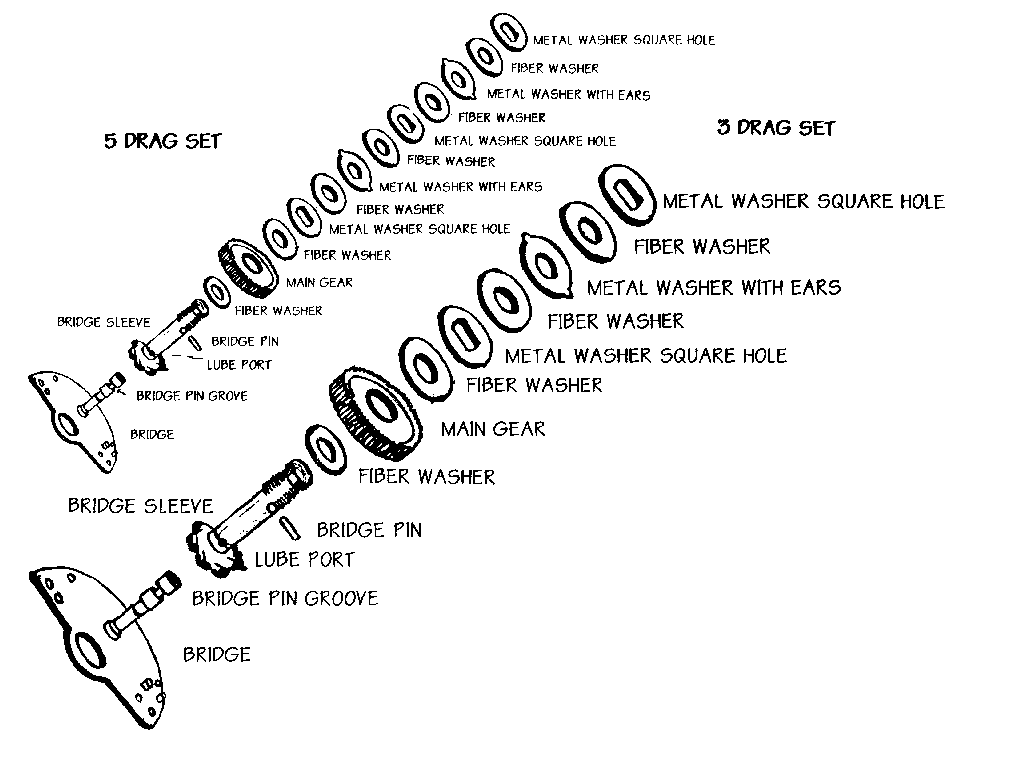
Different reels have different drag systems, locations, and adjustment methods. Using the wrong approach can lead to poor performance or gear damage.
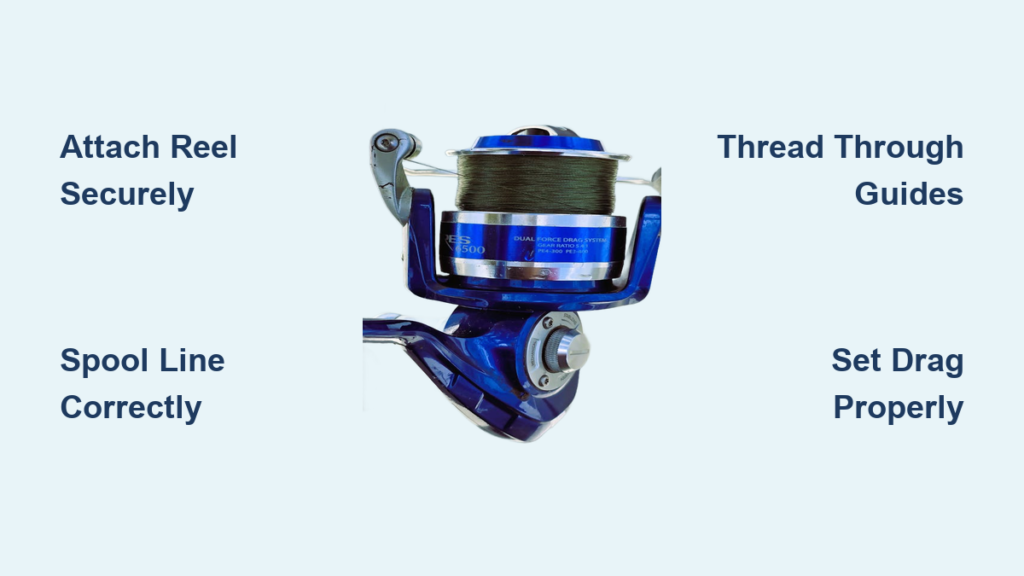
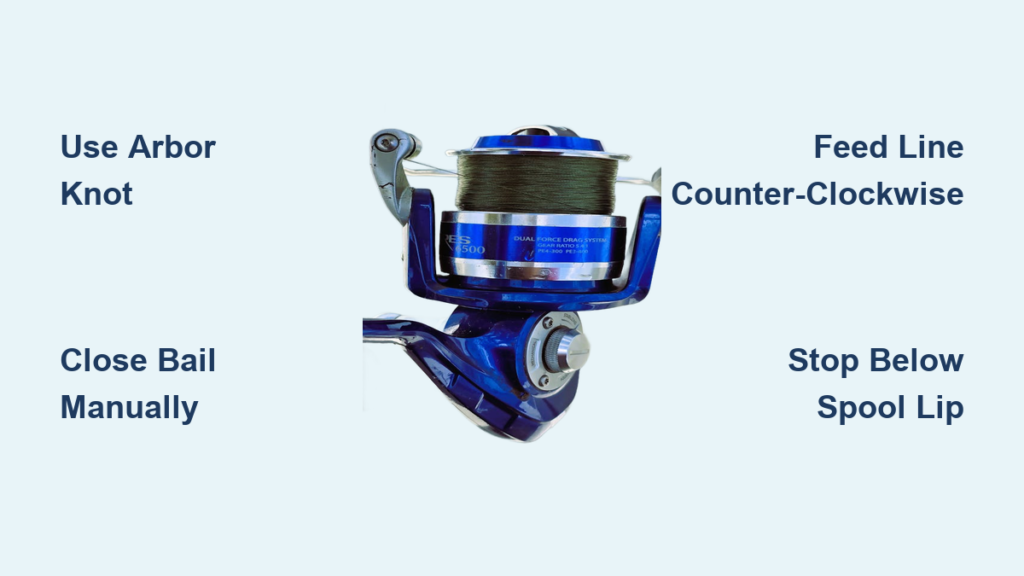
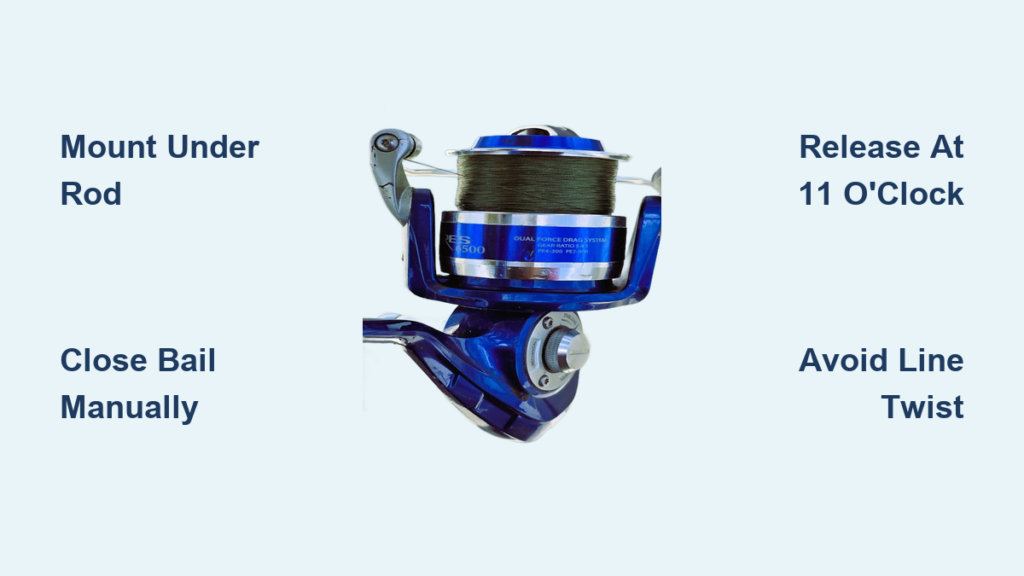
Spinning Reels: Top-Knob Control
Most modern spinning reels feature a top-mounted drag knob. Turn it clockwise to tighten and counter-clockwise to loosen. This placement allows quick mid-fight adjustments. Just twist with your index finger while reeling.
• Older models may have bottom-mounted knobs, but these are rare today
• Brands like Okuma, Shimano, and Daiwa use top-adjust systems for real-time control
• Always test after adjustment by pinching the line and pulling hard to check the slip point
Pro Tip: If fighting a strong fish, apply finger pressure on the spool to add instant resistance without changing the drag setting.
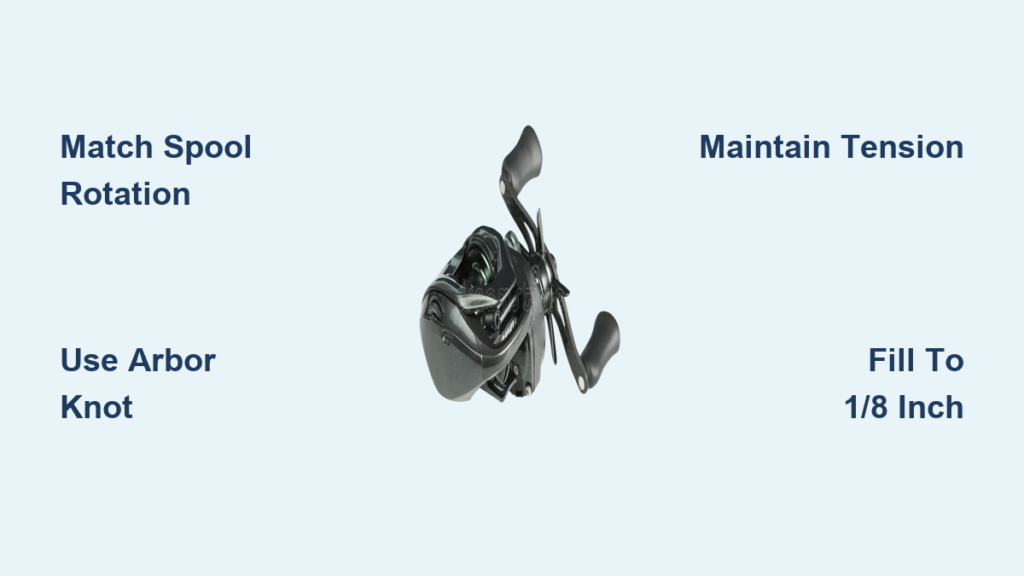
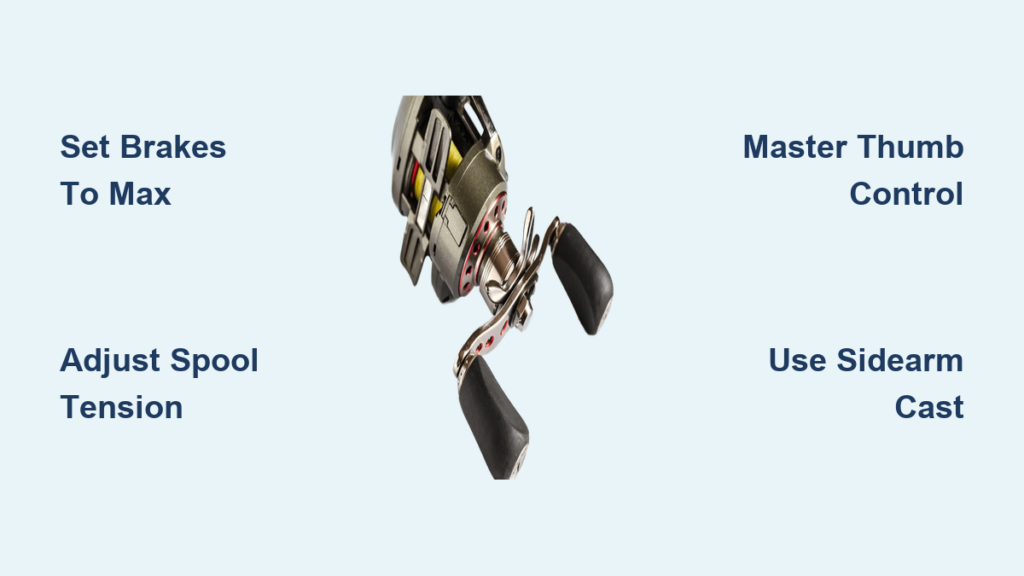
Baitcasters: Star Drag System
Baitcasting reels use a star-shaped drag knob at the base of the handle. Most tighten counter-clockwise and loosen clockwise, but always verify your model since some reverse this convention.
• Use the thumb control technique to feather the spool during runs, especially effective with braided line
• Set tighter for heavy cover, then ease off once the fish is in open water
• Never rely solely on drag. Your thumb is your finest tuning tool
Warning: Over-tightening can cause hook pullouts or rod breakage. Test before every trip.
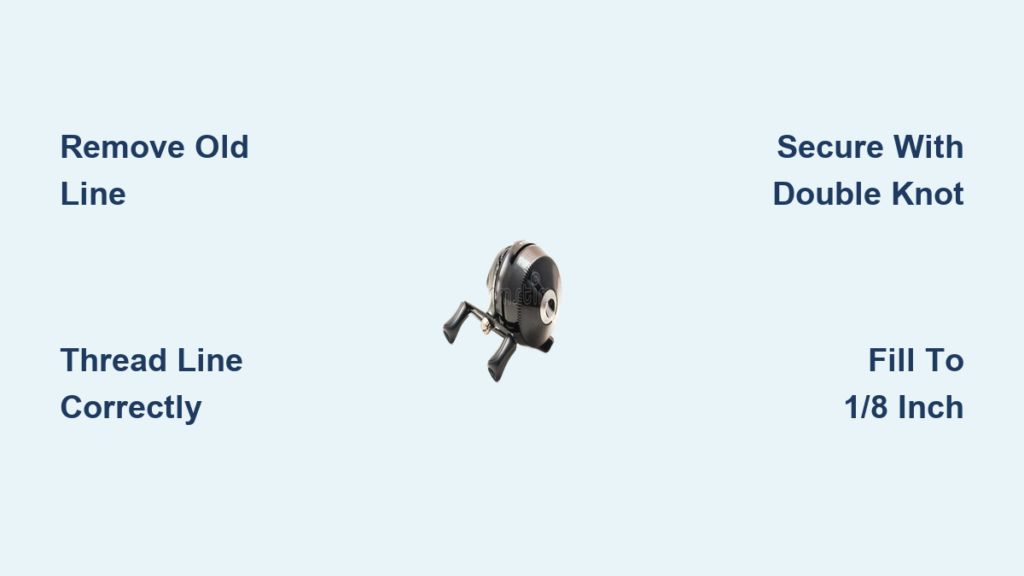
Spincast Reels: Limited Adjustability
Spincast reels have a small drag dial on top. Push right to tighten and left to loosen. These systems lack precision and work best for light-duty fishing.
• Not ideal for big fish or heavy cover
• Avoid using in snag-prone areas where adjustability matters
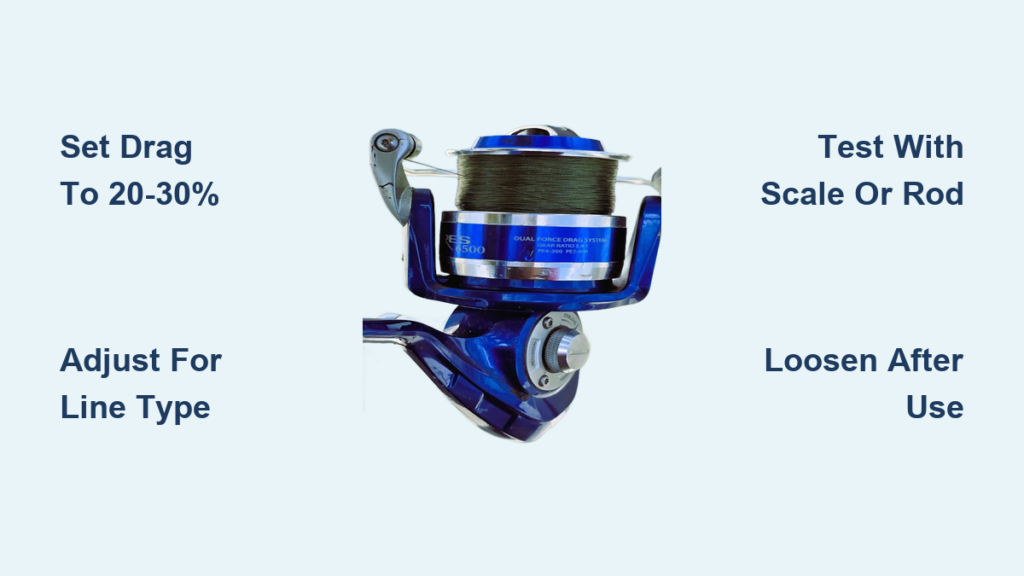
Set Drag to 20–30% of Line Strength
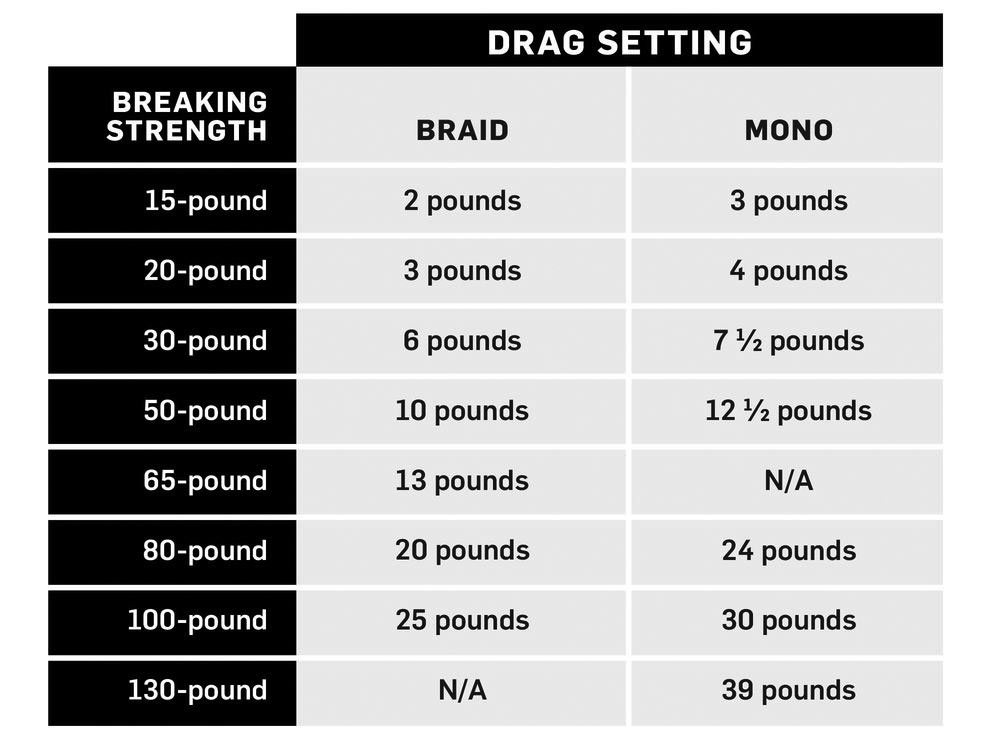
Your drag should never match your line is breaking strength. That is a recipe for break-offs. Instead, aim for 20–30% of breaking strength, adjusted for line type and conditions.
Monofilament vs. Braid: Different Rules Apply
Monofilament has natural stretch, which provides built-in shock absorption. Braided line has zero stretch, meaning force transfers instantly. This difference matters when setting drag.
• Monofilament: Set drag at 20–30% of line test strength
• Braided line: Reduce by approximately 5% compared to mono to prevent bent hooks or broken leaders
• Example: With 10-lb mono, target 2–3 lb of drag. With 10-lb braid, target 1.5–2.5 lb
Real-World Example: An angler using 15-lb braid sets drag to 2.25 lb, which is 15% rather than the standard 20% for extra safety with zero-stretch line.
Adjust for Fishing Conditions
Open water fishing works best with lower drag settings around 20%. This allows long runs and uses rod flex for shock absorption. Heavy cover situations like weeds, rocks, or pilings benefit from increased drag at 30–40% to prevent fish from reaching snags. When fishing lily pads or brush, some anglers lock the drag temporarily to winch fish through cover, but this only works with heavy-duty gear.
Four Ways to Test and Set Your Drag
Using a Digital Scale
This method removes guesswork and gives repeatable, accurate results.
- Spool your reel with the line you will use
- Tie a perfection loop on the end of the line
- Clip the loop to a digital fishing scale
- Run the line through all rod guides
- Pull straight back until the drag slips and read the peak weight
- Adjust and retest until you hit your target percentage
Target: 2–3 lb for 10-lb mono, 1.5–2.25 lb for 10-lb braid.
Rod Bend Method
No scale available? Use the rod itself as a gauge. Run the line through all guides, then pull until the rod is fully bent, like during a hard fight. At peak flex, the drag should just begin to slip. This method accounts for rod action, line stretch, and real-world load, making it highly effective in the field.
Hand Pull Technique
Experienced anglers often rely on touch. Wrap the line 2–3 times around your index and middle fingers. Pull steadily, not in jerks. Too tight feels like lifting a full milk jug. Too loose and line slips before any resistance builds. Ideal drag slips smoothly just before you feel significant strain.
Listen and Watch for Cues
Your ears and eyes can tell you plenty about drag health. Smooth clicking indicates healthy, consistent drag. Jerky spool movement suggests stick-slip from dry or dirty washers. Sudden lockup means worn or warped drag stack. Free-spinning indicates too loose or failed washers.
Warning: Gritty or sticky drag means clean and service the system before your next trip.
Six Common Drag Mistakes to Avoid
Even experienced anglers make these errors. Do not lose fish because of them.
Setting Drag Equal to Line Test
This is the most common mistake. When drag matches line strength, sudden runs snap the line immediately. Always stay at 20–30% maximum.
Reeling While Drag Is Slipping
Reeling against a slipping drag causes line twists, tangles, and lost fish. Wait for the fish to stop running, then reel. Never back-reel against a running fish.
Over-Tightening for Security
Many anglers think tighter means better. Too much drag removes all shock absorption. Hooks pull out, and rods break under sudden pressure. Use rod flex and line stretch as your buffers.
Ignoring Line Type Differences
Braid users who set drag the same as mono users risk bent hooks or snapped leaders. Remember to reduce drag by approximately 5% when switching to braided line.
Leaving Drag Tight in Storage
Constant pressure deforms drag washers permanently. Always loosen the drag knob after each trip, especially in extreme temperatures.
Skipping Pre-Trip Checks
Temperature changes and storage conditions affect drag tension. Test drag before every outing to avoid mid-fight surprises.
Maintain Your Drag System
A smooth drag is a healthy drag. Keep it working properly with simple maintenance.
Clean and Lubricate Regularly
Saltwater anglers should rinse the reel after every use. Freshwater users should clean every 10–15 trips. Remove the spool and inspect drag washers for wear or warping. Apply only manufacturer-recommended grease. Too much oil causes slippage, and too little causes stickiness.
Store with Drag Loosened
Leaving drag tight compresses washers permanently, leading to loss of smoothness, reduced range, and premature failure. Always loosen the drag knob during off-season storage.
Check Operation Before Each Trip
Spin the spool. It should rotate freely. Engage the drag. It should slip evenly, not jerk. Listen for grinding or scraping sounds. If anything feels off, service the reel before your next outing.
Pro Techniques for Real Success
Lock Drag for Heavy Cover Fishing
When fishing frogs, punch rigs, or skipping under docks, some anglers lock the drag to winch fish out. This works only with heavy braid and strong rods. The risk is high. If the fish makes a hard run, rod or reel can fail. Once clear of cover, switch to thumb control rather than adjusting the drag knob.
Use Finger Control Mid-Fight
Instead of fiddling with the drag knob during a fight, use physical control. On spinning reels, press a finger lightly on the spool for instant resistance. On baitcasters, feather the spool with your thumb to release line smoothly. This is faster and more precise than adjusting the drag dial.
Match Drag to Rod Action
Fast, stiff rods transmit more shock. Use slightly looser drag with these rods. Moderate or slow rods absorb more force and can handle slightly higher drag settings.
Quick Reference: Drag Settings by Reel Type
• Spinning reel tighten: Clockwise (top knob)
• Spinning reel loosen: Counter-clockwise
• Baitcaster tighten: Counter-clockwise (star knob)
• Baitcaster loosen: Clockwise
• Spincast tighten: Push right
• Spincast loosen: Push left
• Best test method: Scale or rod bend
• Target drag: 20–30% of line test
• Braid adjustment: Reduce by approximately 5%
Frequently Asked Questions About Setting Drag on a Fishing Reel
What is the 20–30% rule for drag setting?
The 20–30% rule means setting your drag pressure to approximately 20–30% of your line is breaking strength. For example, with 10-lb test line, your drag should slip at 2–3 lb of pressure. This provides enough resistance to control fish without breaking the line during sudden runs.
How do I know if my drag is set too tight?
If your drag is too tight, the line will snap during sudden fish movements or powerful runs. You might also notice the rod bending excessively without the drag slipping, or hooks pulling straight. Test by pinching the line and pulling. If the line breaks before the drag slips, it is too tight.
Should drag be set differently for braided line?
Yes. Braided line has zero stretch, so it transmits force instantly. Reduce your drag setting by approximately 5% compared to monofilament. With 10-lb braid, aim for 1.5–2.5 lb instead of the 2–3 lb you would use with 10-lb mono.
How often should I check my drag settings?
Check drag before every fishing trip. Temperature changes, storage conditions, and general use all affect drag tension. A quick test takes seconds and prevents mid-fight surprises.
Can I adjust drag while fighting a fish?
Yes, especially on spinning reels with top-mounted knobs. However, experienced anglers often use finger or thumb pressure on the spool for instant, precise adjustments without fiddling with the dial. This provides faster control during critical moments.
Key Takeaways for Setting Drag Correctly
Setting drag on a fishing reel is about precision, not power. The 20–30% rule is your foundation. Monofilament handles slightly higher settings than braided line due to natural stretch. Always test drag before every trip using a scale, rod bend method, or hand pull technique. Match your settings to fishing conditions, using lower drag in open water and higher drag in heavy cover. Maintain your drag system by cleaning washers, lubricating properly, and loosening the drag knob during storage.
Now that you understand how to set drag on a fishing reel, take a few minutes to check your settings before your next outing. Your next trophy fish depends on getting this right.