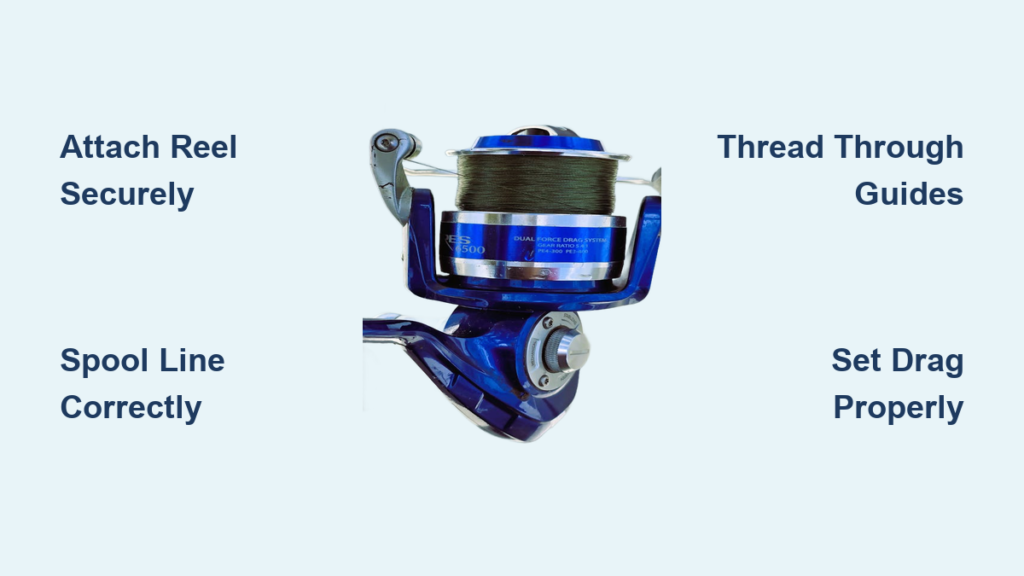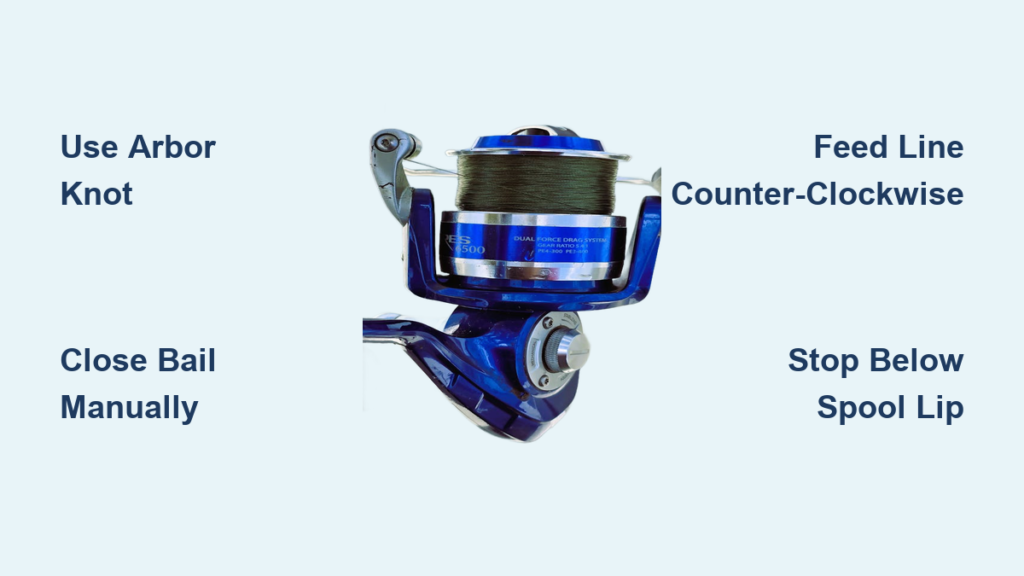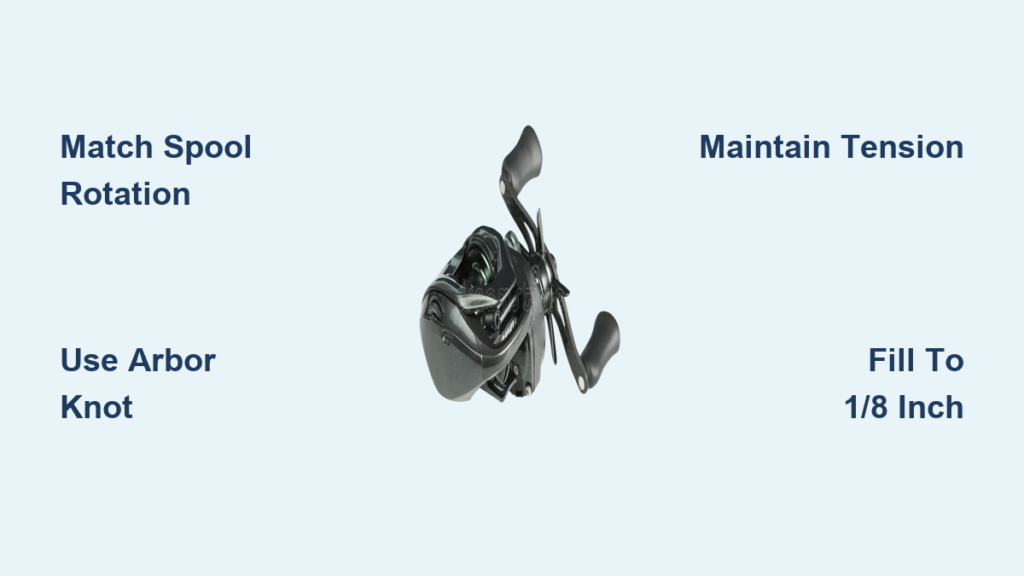
Nothing ruins a promising fishing trip faster than a slack line. Whether you’re missing subtle bites, dealing with frustrating tangles, or losing fish because your hookset fails, loose fishing line is often the culprit. The good news? How to tighten fishing line isn’t complicated. It combines proper spooling techniques, correct reel adjustments, and smart on-water tactics. Most anglers overlook one or more of these three critical phases. Get any one wrong, and your line won’t perform. This guide breaks down exactly how to tighten fishing line at every stage so you can cast farther, detect bites instantly, and land more fish.
The process starts before you even hit the water. Proper tension begins with how you load line onto your reel, continues through mechanical adjustments, and finishes with in-water management. Each phase builds on the last. Skip any step and you’ll fight slack regardless of your gear quality. This article covers spooling tension standards, reel settings, sinker selection, leader length, and troubleshooting common problems.
Spool Line With Proper Tension
The foundation of a tight line starts before you even cast. If your line isn’t spooled with the right tension, no amount of on-water adjustment will fix it. Slack layers, dig-ins, and memory issues all stem from poor spooling technique.
Apply Correct Pressure by Line Type
Not all lines need the same tension during spooling. Braided line cuts into itself if wound too loosely, while monofilament can stretch or coil if over-tightened.
• Braided Line: Use 2–4 lbs of hand pressure when spooling. The line should feel hard when pressed down on the spool. This prevents dig-ins where upper layers bury into lower ones under load.
• Monofilament and Fluorocarbon: Spool with moderate, consistent tension—taut but not stretched. These lines benefit from soaking in warm water for 15–20 minutes before spooling to relax memory and help the line lay flat.
• Universal Rule: The line should be slightly taut. It must lay neatly without sagging, but not so tight that it pulls hard enough to bury loops or stretch excessively.
Use a Spooling Jig or Manual Control
You don’t need expensive gear, but consistency is key to learning how to tighten fishing line effectively.
• Hand-Tensioning Method: Hold the source spool with one hand and pull the line with the other using steady pressure. Match the line’s direction—off the top for spinning reels, off the bottom for baitcasters—to avoid introducing twist.
• Spooling Stand or Jig: These tools hold the line spool and let you apply even drag. Some have spring-loaded tensioners that maintain consistent pressure throughout the spooling process.
• Simple Aid: A rubber band around the source spool prevents slippage and maintains friction during winding.
Wind Evenly and Check Your Work
How you lay the line matters as much as the tension applied.
• Keep the line guide moving side to side manually or use a reel with an oscillating spool to distribute line evenly across the width.
• Stop 1/8 to 1/4 inch from the spool’s edge. Overfilling causes line to jump off during casting, creating slack and tangles.
• Test by tugging the line gently after spooling. It should feel solid with no shifting or soft spots. If it moves, re-spool with more tension.
Set Reel Drag and Tension Knobs Correctly
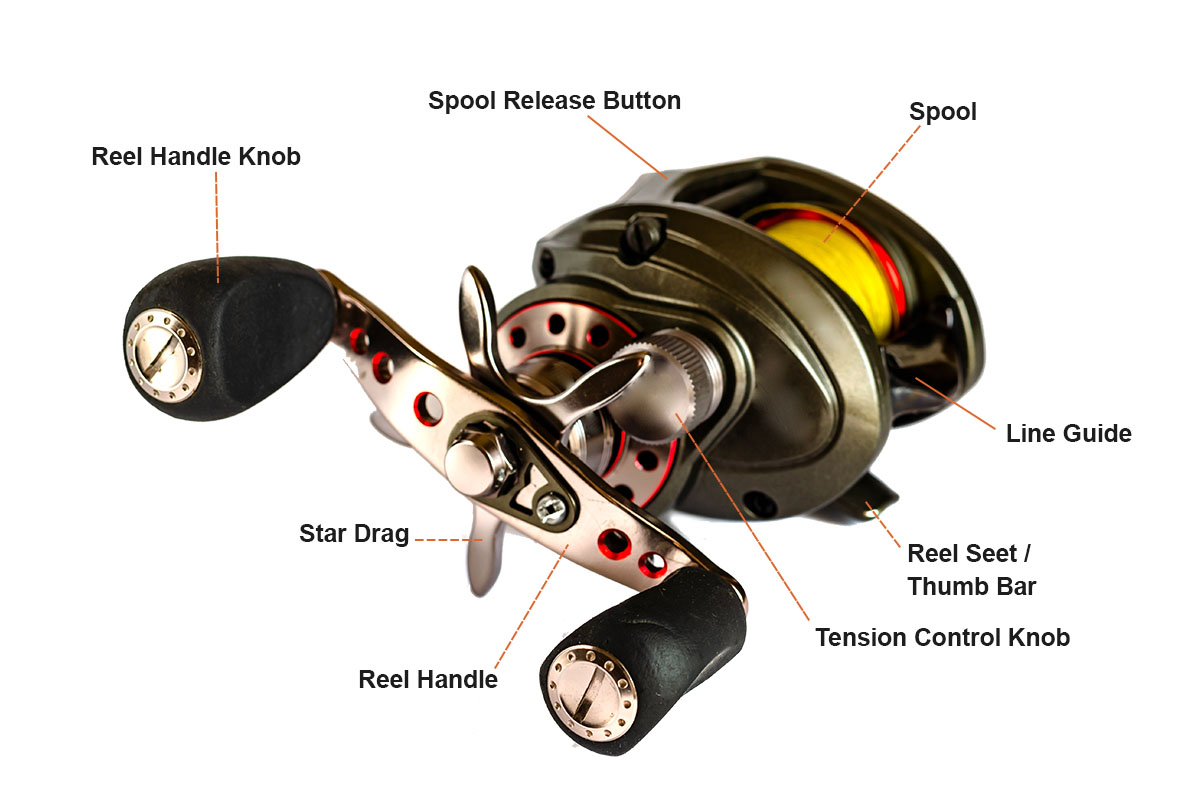
Once the line is on your reel, mechanical adjustments take over. Two key components control tension: the drag system and the spool tension knob on baitcasters. Misadjusting either leads to slack or break-offs.
Calibrate the Drag System
The drag controls how much resistance the spool offers when a fish pulls line.
• Start with a medium-light setting—tight enough to resist light pulls but not so tight it locks up completely.
• Test by pulling the line off the spool by hand. It should give smoothly without snapping or squealing excessively.
• Anti-reverse must be engaged. If the reel spins backward when you pull, flip the anti-reverse switch to the on position.
Pro Tip: For trout or panfish, set drag to about 2–3 lbs. For larger species, match it to 25–30% of your line’s breaking strength.
Tune the Spool Tension Knob (Baitcasters)
This knob controls spool spin, not drag. It’s crucial for preventing backlash and maintaining tension during casting.
• Turn clockwise to increase tension, counter-clockwise to loosen.
• Test by casting: After a few casts, the line should feed smoothly without overspinning.
• If the line unwinds freely when you turn the handle, tension is too low.
• If the handle feels stiff or the line snaps, it’s too tight.
⚠️ Warning: Over-tightening damages drag washers and increases break-off risk. Adjust in small increments and test frequently.
Maintain Reel for Smooth Operation
Dirt, salt, and old grease interfere with tension control.
• Clean reels after saltwater use. Rinse with fresh water and lubricate moving parts.
• Check tension settings after heavy fishing. Line stretch and wear can loosen your adjustments.
• Replace worn drag washers if they slip or stick during operation.
Maintain Tension While Fishing
Even perfectly spooled and adjusted reels fail if you don’t manage line tension in the water. This is where most anglers lose bites.
Use Heavier Sinkers in Deep Water
A 1/4 oz sinker might work in shallow water, but in 15–20 feet of depth, it’s often too light.
• Upgrade to 1 oz or more to pull the line straight down to the bottom.
• A properly weighted rig keeps the line taut from rod tip to sinker, eliminating surface slack.
• Visual cue: The rod tip should bend slightly when resting vertically. If it’s straight, your line is slack.
Real-World Example: Anglers fishing piers often miss bites because their line floats on the surface. A heavier sinker pulls it down, turning invisible bites into detectable taps.
Shorten Your Leader to 2–3 Feet
Long leaders create unnecessary slack between the main line and hook.
• Use 2–3 ft leaders for better tension transmission.
• Shorter leaders reduce stretch and improve hookset power, especially when using braided line.
• Avoid 5+ ft leaders unless targeting spooky fish in clear water.
Follow the Cast-Settle-Lift Routine
Establish tension immediately after casting using this four-step process.
-
Let the sinker hit bottom.
-
Wait 3–5 seconds for the line to settle and stop drifting.
-
Lift the rod tip gently to create a slight bend.
-
Rest the rod on a holder with the tip elevated.
This setup keeps constant tension so the first twitch of a fish moves the rod tip immediately.
Choose the Right Line for Your Setup
Small tweaks to your gear can make a big difference in maintaining tension.
Match Line Type to Fishing Conditions
• Braided line has zero stretch and transmits bites instantly. It’s ideal for deep water or heavy current where you need instant feedback.
• Fluorocarbon sinks and is nearly invisible underwater. It can be stiff though, so spool carefully to avoid memory issues.
• Monofilament stretches, which masks bites. Compensate with shorter leaders and heavier sinkers when using mono.
Pair Rod and Reel Properly
• A 6.9 ft medium-power light-action rod works well for trout, but only if paired with the right line weight and sinker.
• Heavy cover or deep water requires a baitcaster with high-tension braid and a 1 oz or heavier sinker.
• The right combination ensures your equipment works together to maintain tension rather than fighting against it.
Fix Common Tension Problems

Even experienced anglers make mistakes. Here’s how to diagnose and fix them fast.
Line Feels Loose or Slacks Off
• Cause: Light sinker, long leader, or low spool tension.
• Fix: Increase sinker weight, shorten leader, or re-spool with more tension.
• Check: Is the rod tip bending? If not, your line isn’t tight.
Line Snaps or Reel Binds
• Cause: Over-tightened spool knob or drag setting.
• Fix: Loosen the spool tension knob slightly. Test drag by hand-pulling the line.
• Prevent: Never crank the knob all the way. Use the turn-and-test method with small adjustments.
Uneven Spooling or Backlash (Baitcasters)
• Cause: Inconsistent tension during spooling or casting.
• Fix: Re-spool with steady, consistent pressure. Use a spooling jig for even winding.
• Prevent: Match spool tension to lure weight. Light lures need less tension than heavy ones.
Line Coils or Twists After Casting
• Cause: Line memory or improper spooling direction.
• Fix: Soak mono or fluoro in warm water before spooling. Ensure line comes off the source spool correctly.
• Prevent: Use high-quality line and avoid over-tightening during the spooling process.
Professional Tips for Reliable Tension
Mastering how to tighten fishing line requires attention to细节.
• Test before you cast: Pull the line by hand. It should resist but not lock up completely.
• Re-check after each cast: Especially in current, the line can drift and create slack between casts.
• Replace old or coiled line: Stiff, memory-prone line won’t stay tight no matter what adjustments you make.
• Keep it simple: You don’t need a $200 spooling machine. Consistent hand tension works if done properly every time.
Frequently Asked Questions About How to Tighten Fishing Line
How much tension should I use when spooling braided line?
Apply 2–4 lbs of hand pressure when spooling braided line. The line should feel hard when pressed down on the spool. This high tension prevents dig-ins where the braid cuts into lower layers during heavy loads.
Why does my fishing line feel loose even after tightening?
The most common cause is insufficient sinker weight. If you’re fishing in 15–20 feet of water with a 1/4 oz sinker, the line will float on the surface. Upgrade to a 1 oz or heavier sinker to pull the line taut.
What happens if I over-tighten the spool tension knob?
Over-tightening damages the drag washers, causes the reel to bind, and increases the risk of line snaps. Adjust in small increments and test by pulling the line or casting. The handle should feel firm but still turn smoothly.
Should I soak monofilament line before spooling?
Yes, soaking monofilament and fluorocarbon in warm water for 15–20 minutes before spooling helps relax memory and helps the line lay flat. However, this doesn’t replace the need for proper mechanical tension during winding.
How do I know if my drag is set correctly?
Pull the line off the spool by hand. It should resist pulling but give smoothly without snapping or causing the reel to squeal excessively. For trout or panfish, aim for 2–3 lbs of drag. For larger fish, set it to 25–30% of your line’s breaking strength.
Does leader length affect line tension?
Yes, longer leaders create more slack between the main line and hook. Use 2–3 ft leaders for better tension transmission. Avoid 5+ ft leaders unless targeting spooky fish in clear water.
Key Takeaways for Tightening Fishing Line

Learning how to tighten fishing line isn’t one step. It’s a complete system that spans three phases. First, spool your line with proper tension. Use 2–4 lbs of pressure for braided line and moderate tension for monofilament. Second, set your reel drag and spool tension knobs correctly. Start with medium-light drag and adjust the spool knob in small increments. Third, manage tension while fishing by using heavier sinkers in deep water, keeping leaders short, and following the cast-settle-lift routine.
Do all three phases correctly and you’ll feel every nibble, set every hook, and land more fish. Whether you’re using a spinning reel for panfish or a baitcaster for bass, proper tension turns guesswork into control. Start with the spool, fine-tune the drag, and finish with the right sinker. Your line will stay tight from cast to catch.