You’re hiking near a river, stuck without gear, or want to fish during a spontaneous trip. A well-built fishing kit turns opportunity into dinner. Whether you need food in a survival situation, want to fish while traveling, or are teaching kids the basics, knowing how to make a fishing kit gives you control, confidence, and capability. This guide walks you through building custom kits for every scenario, from ultralight pocket versions to full survival systems, using field-tested components and expert strategies.
From selecting the right line and hooks to organizing your gear and mastering passive fishing techniques, you’ll learn how to create a compact, durable, and highly effective fishing kit. No fluff, no guesswork, just actionable steps based on decades of angling insight and military survival standards.
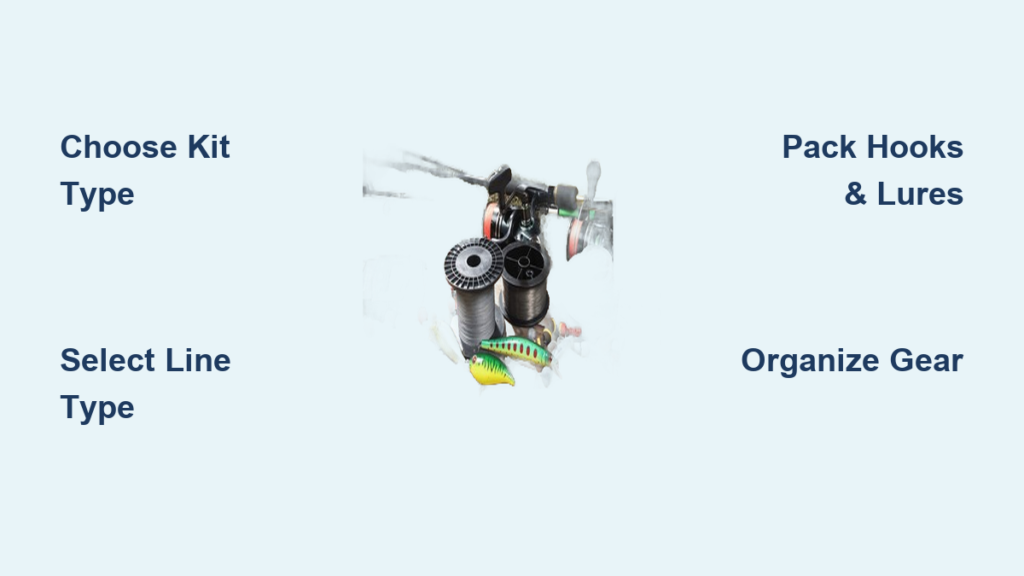
Choose Your Fishing Kit Type Based on Your Needs
Before adding any gear, define your purpose. The best fishing kits are designed around specific use cases, not generic assumptions.
Survival Fishing Kit
Built for long-term food procurement when resources are scarce. Ideal for bug-out bags, wilderness trips, or emergency preparedness. These kits prioritize redundancy with extra hooks, line, and sinkers, plus passive fishing tools like trotlines and hand reels. Heavy-duty 65 lb braid line handles toothy fish and abrasion. No reliance on batteries or complex parts makes these dependable when it matters most.
Travel Fishing Kit
Compact but complete, designed to fit in carry-ons or backpacks for spontaneous fishing during trips. These kits catch bass, bluegill, snapper, and barracuda. The core advantage is being ready to fish in minutes with minimal setup. Travelers, business visitors, and outdoor enthusiasts benefit most from this configuration.
Pocket Fishing Kit
Fits in your wallet, glove box, or survival bracelet. Not for trophy fishing, but perfect as a last-resort food source. The limitation is effectiveness only for small panfish like crappie and perch. The strength is being nearly invisible yet always with you. Use this as a backup even if you carry a larger kit.
Select the Right Fishing Line for Your Kit

Your line is the backbone of any fishing kit. Choose based on strength, durability, and environment.
Monofilament vs. Braided Line
Monofilament at 6 lb test works well for beginners and educational kits. The stretch absorbs shock and makes knot-tying easier, though it degrades in UV exposure. Braided line at 10 to 20 lb suits travel and survival use with high strength-to-diameter ratio and no stretch for better sensitivity. Heavy 65 lb braid handles trotlines and toothy fish but proves overkill for small catches.
Recommendation by kit type:
- Travel kit needs 20 lb braid main line plus 10 to 20 lb fluorocarbon leader
- Survival kit requires 500m spool of 10 lb braid plus 65 lb braid for heavy leaders
- Pocket kit uses 6 lb mono with 100 ft wrapped on a tube
Always include a backup spool of 25 lb mono on a Cuban yoyo to prevent hand injuries from braid cuts.
Pack Essential Hooks in Multiple Sizes and Types

Carry multiple sizes and types because fish vary widely by location and bait.
Hook Sizes and Target Fish
Size #6 hooks catch panfish like bluegill and crappie. Size #4 targets sunfish and perch. Size 1/0 lands bass, walleye, and catfish. Size 2/0 handles large bass and pike. Size 5/0 works for big game fish and passive lines in survival situations.
Must-Have Hook Styles
Bait holder hooks keep worms or insects in place with secondary barbs. Gamakatsu Octopus hooks in sizes 6 to 2/0 feature thin, sharp wire ideal for live bait. Circle hooks in size 5/0 hook fish in the mouth corner, are rarely swallowed, and deliver high catch rates. Treble hooks in size 1/0 have three points increasing retention, great for lures. Weedless hooks with wire guards prevent snags in vegetation.
Carry at least 24 hooks across 5 sizes. Include circle, octopus, and bait-holder styles. Survival hack: paint circle hooks red because some fish attack the color even without bait.
Add Sinkers, Floats, and Swivels for Better Fishing
These small components make a big difference in effectiveness.
Sinkers for Depth Control
BB sinkers work in shallow water. Size 3/0 serves as the all-purpose best single choice. Size #7 handles deep or fast-moving water. Egg sinkers from 1/4 to 1 oz suit Carolina rigs. Washers improvise heavy weights in survival kits. Store sinkers in sealed ziplock bags because they get lost easily.
Floats and Bobbers
One-inch foam bobbers serve general use. Three-quarter-inch bobbers work for finesse fishing. Corks serve in trotlines or improvised rigs. Carry at least 3 floats because bobbers get cut off during snags.
Swivels for Line Management
Swivels prevent line twist when using spinning lures. Use 12 swivels minimum between main line and leader when mixing braid with fluorocarbon. Optional in kids’ kits but essential in travel and survival setups.
Choose Effective Lures and Baits for Any Environment
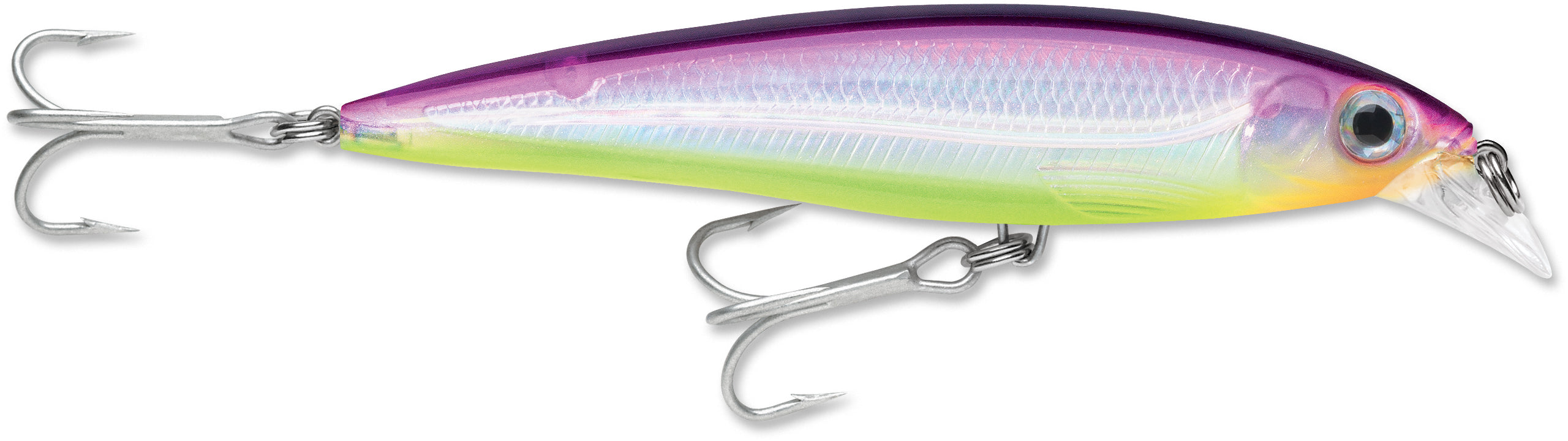
A few smart lure choices beat a cluttered box.
Top Lures That Work Everywhere
The Krocodile in 3/8 to 3/4 oz is a topwater plug that works on jack crevalle, snapper, and barracuda. The Kastmaster in 1/4 to 1/2 oz is a metal jig that casts far and works in current and deep water. Soft plastics in 3 to 4 inches match local forage like shad and perch. Saltwater jerkbaits like the Rapala X-Rap resist corrosion. Bucktail jigs in pink and white attract pompano, redfish, and stripers.
One angler caught fish in Cabo, Grand Cayman, and Colorado River using only a Krocodile lure, proving that simplicity often outperforms quantity.
Natural vs. Artificial Bait
Artificial bait suits stocked ponds and travel kits with long shelf life and reusability. Natural bait works best in survival and remote areas where worms, insects, and minnows are free and effective. Berkley Gulp! Shrimp attracts fish when real bait is unavailable. Pork rind lasts for years and was used in WWII Navy survival kits. Pack a freezer bag to store collected bait like crayfish or baitfish.
Include Must-Have Tools and Accessories
Even the best kit fails without tools to cut, tie, and retrieve.
Essential Tools for Every Kit
Pliers or hemostats safely remove hooks without using fingers. Line cutters or braid scissors built into pliers save space. Nail clippers serve as a safe alternative for kids’ kits. A multi-tool like the Leatherman Sidekick combines pliers, cutter, and screwdriver. Avoid blades in children’s kits because many programs prohibit them.
Warning: Leatherman tools corrode in saltwater. Use dedicated fishing tools instead for kit longevity.
Survival Knife and Nets
A survival knife handles filleting, gutting, and bushcraft. The SIGMORA! Full Tang Scandi Grind comes recommended. A retrieving net made from old netting stays compact and foldable. Anchor nets double as canoe anchors or trotline stabilizers.
Organize Your Kit With Proper Storage
A disorganized kit leads to lost gear and frustration.
Best Containers by Use Case
An Altoids tin suits survival and ultralight needs as a durable metal pocket option. The Best Glide ASE Box provides waterproof rugged protection for survival. The Plano 3700 works as an affordable entry-level travel container. The Flambeau Deep Box offers more space with rust inhibitors for upgraded travel. A plastic bead tube in 1 by 6 inches holds line and tools, fitting on a keychain for pocket kits.
Wrap paracord or rubber bands around containers for lanyard function and extra grip.
Internal Organization Tips
Use small ziplock bags to separate hooks by size, sinkers, swivels, and lures. Label bags for quick access. Four-mil plastic bags in 2 by 3 inches work well in educational kits. Keep a waterproof knots card inside the lid for instant reference.
Build an Ultralight Pocket Fishing Kit in Under 30 Minutes
Make a functional pocket-sized reel using common materials.
Materials Needed
Gather a bicycle inner tube at least 3/8 inch diameter, #36 braided paracord at 12 ft, a 1 by 6 inch plastic bead storage tube, 6 lb monofilament line at 100 ft, and 2 ft of bright-orange paracord for the lanyard.
Step-by-Step Build
Prepare the handle sleeve: Cut a straight slit in the bicycle tube and slide over the plastic tube. Pinch to identify the taper point and cut the sleeve there.
Wrap the handle: Cut 12 ft of paracord and form a loop at one end. Place over the sleeve and wrap tightly from base to 3/4 inch from the top. Pass the free end through the loop and pull tight with pliers. Trim and melt the ends.
Attach the lanyard: Fold the 2-ft orange paracord in half over the tube. Tie a snake knot by passing the left strand under itself, then the right strand through the loop, over the left, and back down. Pull tight. Six inches down, tie a two-strand Matthew Walker knot to form a secure X-shaped stopper that prevents slippage.
Secure the line: Wrap the 6 lb mono around the handle junction. Cut a small sliver of rubber sleeve and slide over the wrapped line to lock it in place.
The result is a rugged, instant-deploy reel that fits in your pocket.
Master Passive Fishing Systems for Maximum Yield
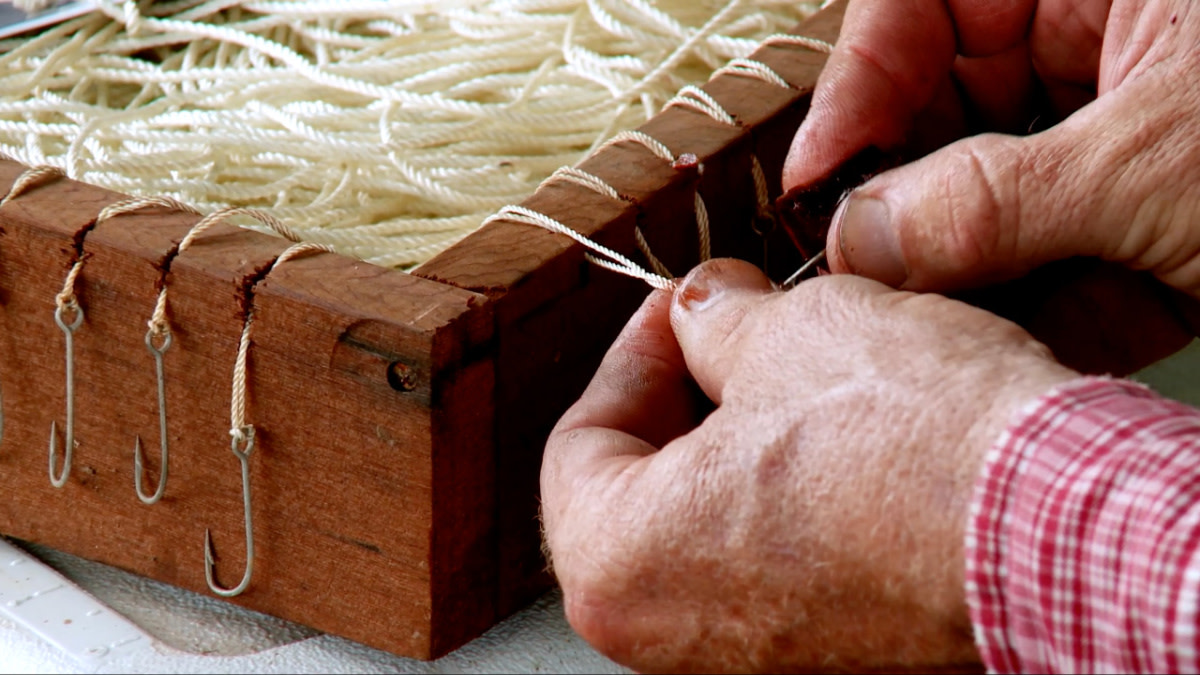
Fish while sleeping, walking, or working by maximizing yield with minimal effort.
Trotlines and Limb Lines
Stretch mainline between two anchor points like trees or rocks. Attach droplines with hooks at intervals using floats to suspend the line in the water column. Use 65 lb braid mainline with circle hooks on snare wire leaders and foam corks or wine bottles as floats. Anchor with rocks using an anchor net. More hooks in water equals higher catch chance.
Yo-Yo Fishing Traps
Set and forget these automatic reels that handle fish under 5 lbs. The Yoyito brand comes recommended. These can meet full protein needs in survival scenarios. SIGMA 3 instructors use 4 per person. Not for large fish, but excellent for passive feeding while performing other tasks.
Speedhook for Military-Grade Reliability
This automatically sets the hook when fish bite. Used in ice fishing, handlining, and limb lines. Simple, reliable, and issued to pilots and soldiers worldwide.
Final Checklist by Kit Type

Use these lists to build or verify your custom kit.
Pocket Fishing Kit Essentials
Bicycle tube sleeve, plastic bead tube, #36 paracord wrap, orange paracord lanyard, 6 lb mono line, snake and Matthew Walker knots, and rubber sliver to secure the line.
Travel Fishing Kit Essentials
A 3-piece rod at 7 feet with medium power and fast action, a 2500-size spinning reel like the Daiwa BG, 20 lb braid line with 10 to 20 lb fluorocarbon leaders, lures including Krocodile and Kastmaster, hooks in octopus and circle styles, sinkers in multiple sizes, floats, and tools including pliers with cutter and a multi-tool.
Survival Fishing Kit Essentials
Waterproof container, 500m 10 lb braid plus 65 lb heavy braid, 24 plus assorted hooks, 12 swivels, 12 split-shot sinkers, 3 bobbers, 6 plus lures, 4 hand reels, 1 pack rod like the Emmrod, 1 gill net, 4 Yo-Yo traps, multi-tool, survival knife, waterproof knots card, snare wire, washers, and corks.
Key Takeaways for Building the Right Fishing Kit
Redundancy saves lives in any kit. Always carry extra hooks, line, and sinkers. Natural bait wins in survival situations, so learn local forage including worms, insects, and minnows. Portability enables opportunity because a pocket kit is better than no kit. Passive systems multiply success through trotlines and Yo-Yo traps that fish for you. Organization prevents loss when you use ziplocks, labels, and dividers. Minimalism beats clutter because the right 10 items outperform 50 random ones. Test before you need it by field-trialing your kit rather than waiting for an emergency.
Knowing how to make a fishing kit isn’t just about gear. It’s about self-reliance. Whether you’re on vacation, in the wild, or preparing for the unexpected, a well-built kit puts food on the line when it matters most. Start small, test often, and refine based on real experience.
Frequently Asked Questions About Making a Fishing Kit
What is the minimum gear needed for a basic fishing kit?
A basic fishing kit needs fishing line, hooks, sinkers, and a way to present the bait. Add a bobber for float fishing and basic tools like pliers for hook removal. Even a pocket kit with 100 feet of line and a few hooks can catch panfish in an emergency.
Which fishing line is best for a DIY kit?
Braided line offers better sensitivity and strength for its diameter, making it ideal for travel and survival kits. Monofilament works well for beginners and pocket kits due to its stretch and ease of knot-tying. Carry backup line because fishing line gets lost or damaged easily.
How do I choose the right hooks for my kit?
Pack multiple sizes from small #6 hooks for panfish up to 5/0 hooks for large fish. Include different styles like bait holders for worms, octopus hooks for live bait, and circle hooks for passive fishing. Having 24 or more hooks across various sizes ensures you’re prepared for any situation.
Can I make a fishing kit that fits in my pocket?
Yes, an ultralight pocket kit fits in a 1 by 6 inch plastic tube with wrapped line, a few hooks, and sinkers. Use a bicycle tube for the handle and paracord for a lanyard. This kit won’t land trophy fish but works for catching small panfish as a backup food source.
What passive fishing methods work best for survival situations?
Trotlines with multiple hooks catch fish while you sleep or perform other tasks. Yo-Yo automatic reels set hooks and reel in fish under 5 pounds automatically. Limb lines tied to overhanging branches work similarly. These systems multiply your catch chance without requiring constant attention.
How do I organize a fishing kit to prevent losing gear?
Use small ziplock bags to separate hooks by size, sinkers, swivels, and lures. Label each bag for quick access. Store the entire kit in a waterproof container like an Altoids tin or dedicated tackle box. Keep a knots reference card inside the lid for field reference.