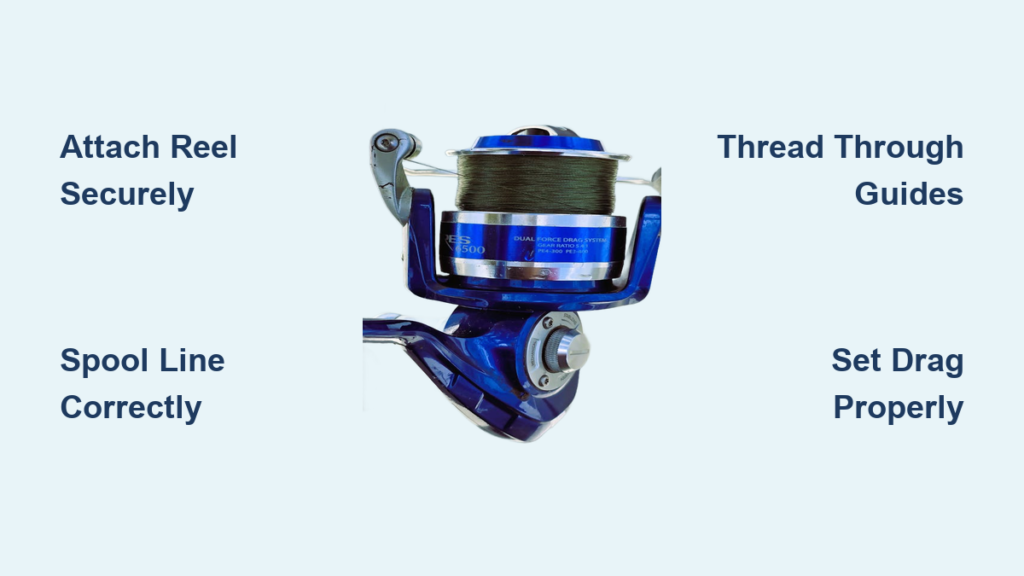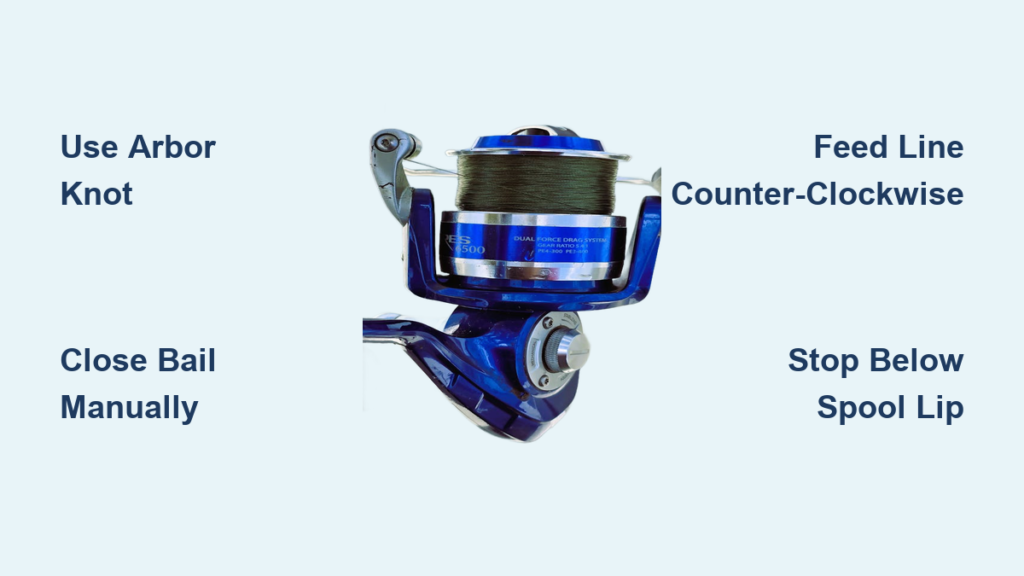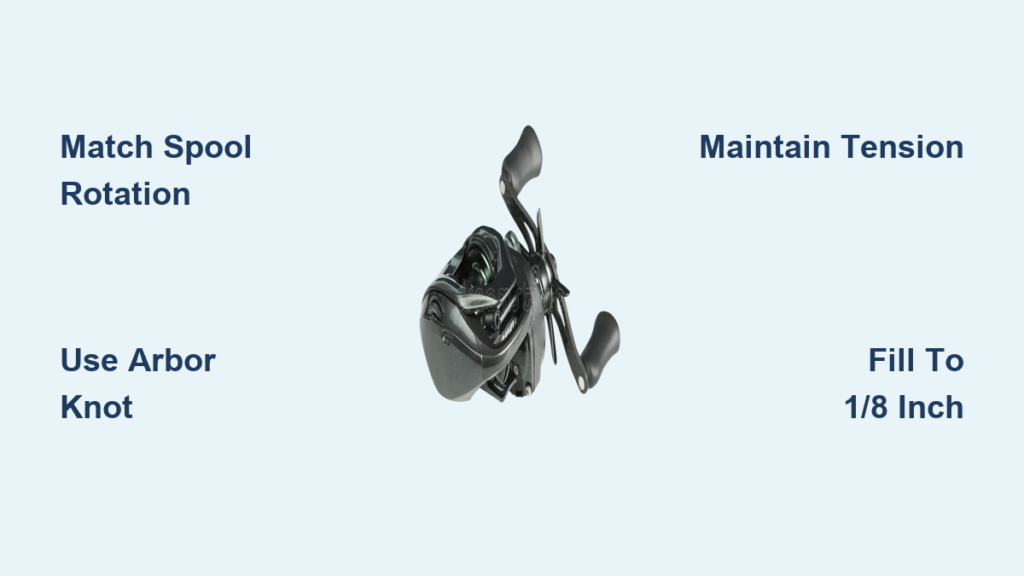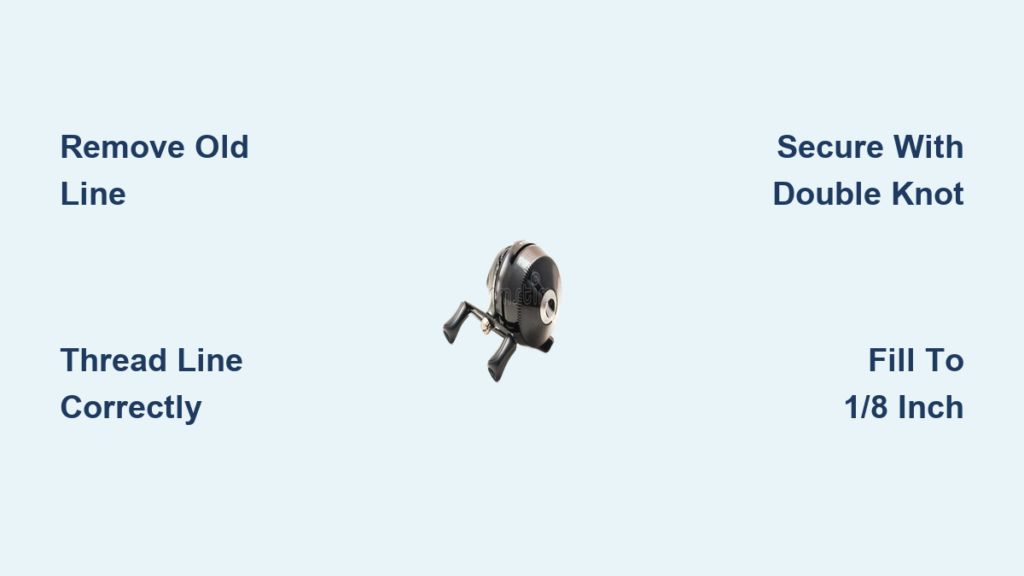
There’s something magical about stepping onto a frozen lake, drill in hand, ready to drop a line through the ice. How to go ice fishing isn’t just about catching fish. It is about preparation, safety, and mastering a unique form of angling that rewards patience and precision. With the right gear, knowledge, and mindset, anyone can enjoy this winter tradition. Whether you are a beginner hoping to catch your first panfish or an experienced angler chasing trophy pike, this guide walks you through every step. From checking ice thickness to reeling in your prize, you will learn how to stay safe, choose the best location, use the right equipment, and apply proven techniques that work when the temperature drops.
Test Ice Thickness Before You Step Onto the Lake

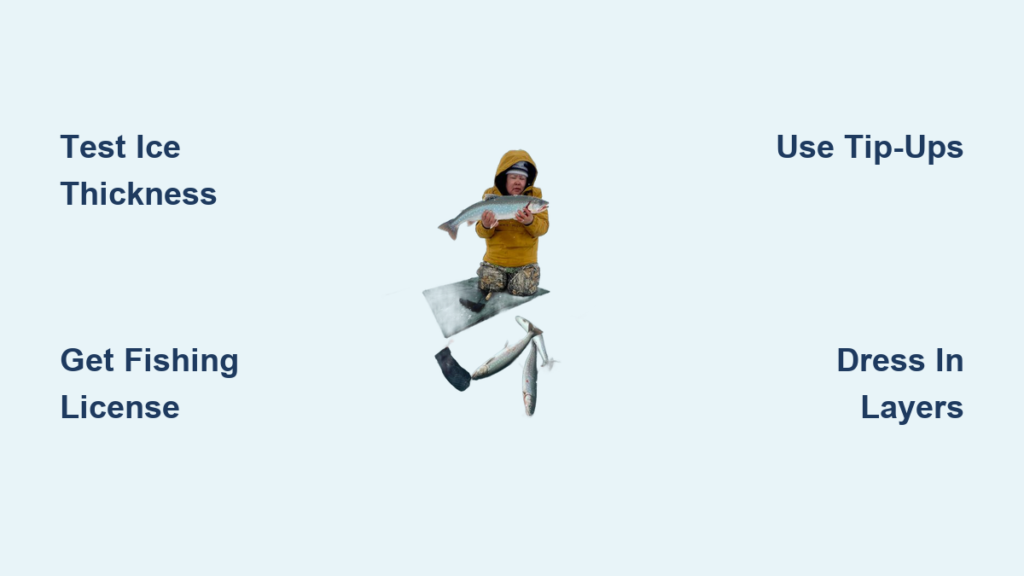
Before setting foot on frozen water, you must confirm the ice is safe. Not all ice is created equal. Thickness and type determine whether it can support your weight.
Minimum Safe Ice Thickness
Clear, solid black ice is the strongest type. You need at least 4 inches for walking or ice fishing on foot. Five inches supports snowmobiles or ATVs. Eight to twelve inches holds cars or small pickups. Twelve to fifteen inches works for medium trucks. Many experienced anglers recommend 15 inches before driving a pickup onto the ice.
Ice Type and Quality Matter
White or snow ice is approximately 50 percent weaker than clear ice. You need double the thickness for equivalent strength. Slush ice is also about 50 percent weaker. Clear ice over running water is roughly 20 percent weaker than still water ice. Avoid any ice that looks bubbly, slushy, or discolored.
How to Test Ice While Moving
Use a spud bar or ice chisel to tap ahead every 10 to 20 yards. Drill test holes near shore and as you move outward. Listen for hollow or cracking sounds. They signal danger. Never cross pressure cracks or open water leads. Carry ice picks and wear them around your neck. Always bring a float coat or life jacket and a 50 to 100 foot throw rope. The buddy system saves lives when things go wrong.
Get Licensed and Know the Local Rules
Fishing through the ice still requires legal compliance. Ignoring regulations can lead to fines or lost gear.
License Requirements
A valid fishing license is mandatory in all U.S. states and Canadian provinces. You can buy licenses online through state wildlife agencies or at local bait shops. Keep a printed or digital copy with you while fishing.
Regulations You Must Follow
Season dates vary by species and region. Do not fish too early or late. Bag limits tell you how many fish you can keep per day. Possession limits cover your total catch. Size restrictions may require releasing undersized fish. Most states allow 1 to 3 lines per angler. Some lakes ban live minnows to prevent invasive species. Use mobile apps like LakeFinder Mobile, MI DNR, or NY DEC Fish to access real-time rules and lake maps.
Pick the Right Fishing Spot
Location makes or breaks your success. Even with perfect gear, fishing in the wrong place means going home empty-handed.
Best Depths for Target Species
Panfish including bluegill, crappie, and perch are often found in 8 to 15 feet of water. Walleye and pike prefer 10 to 20 feet, especially near drop-offs. Trout and salmon may suspend below the ice in deeper water. Drill multiple holes at different depths to find where fish are active.
Where Fish Gather Under Ice
Fish congregate at transition zones between shallow and deep water. Look for drop-offs and underwater points. Weed beds hold baitfish early and late winter. Rock piles, logs, and old creek channels attract predators. Inlets and outlets draw fish because of higher oxygen levels. Start within 100 to 150 yards of shore and look for other anglers. Where they fish, fish are biting.
Check Local Ice Conditions Before You Go
Shallow ponds freeze faster than deep lakes. South-facing shores get more sun and ice forms slower. Wind and snow cover insulate the ice and slow growth. Average growth is about one-half inch per day in sustained freezing temperatures. Call bait shops or check fish and wildlife agency reports before heading out.
Bring Essential Ice Fishing Gear
Having the right tools ensures you can drill holes, detect bites, and land fish efficiently.
Core Equipment Checklist
You need an ice auger with 6 to 8 inch diameter to drill clean holes fast. An ice chisel or spud bar tests thickness and reopens frozen holes. A hole skimmer removes slush and ice chips. A sled or cart hauls gear across the ice. A depth sounder or flasher locates fish and structure. A tackle bucket stores gear and doubles as a seat.
Fishing Tools You Will Need
Tip-ups allow passive fishing with visual flags. Jigging rods should be 20 to 28 inches long for active lure work. Rod holders manage multiple lines. A bait container with aerator keeps live minnows alive. A portable shelter blocks wind and provides warmth. Pop-up tents work well for solo anglers. Hub-style tents offer better insulation. Heated fish houses make extended stays comfortable. Rent first if you want to try the sport without big investment.
Drill a Proper Ice Fishing Hole
A clean, well-maintained hole improves your chances and prevents gear damage.
Step-by-Step Drilling Process
Choose your spot based on depth and underwater structure. Test the ice with your chisel before drilling. Start drilling your hole. For hand augers, turn clockwise with steady pressure and pump 3 to 4 times to eject slush. For power augers, start the engine and apply downward pressure until you break through. Use a skimmer to remove ice chips and slush. Lower the scoop slowly, pause, then lift gently to avoid splashing. Cover the auger blade with a guard to prevent accidents. Skim the hole regularly to prevent it from freezing over.
Ideal Hole Sizes
Six to 8 inches works for most species. Eight inches accommodates pike or muskie. Eighteen to 30 inches is only for darkhouse spearing. An 8 inch hole removes nearly twice as much ice as a 6 inch hole. Drill larger only when necessary.
Use Tip-Ups for Passive Fishing
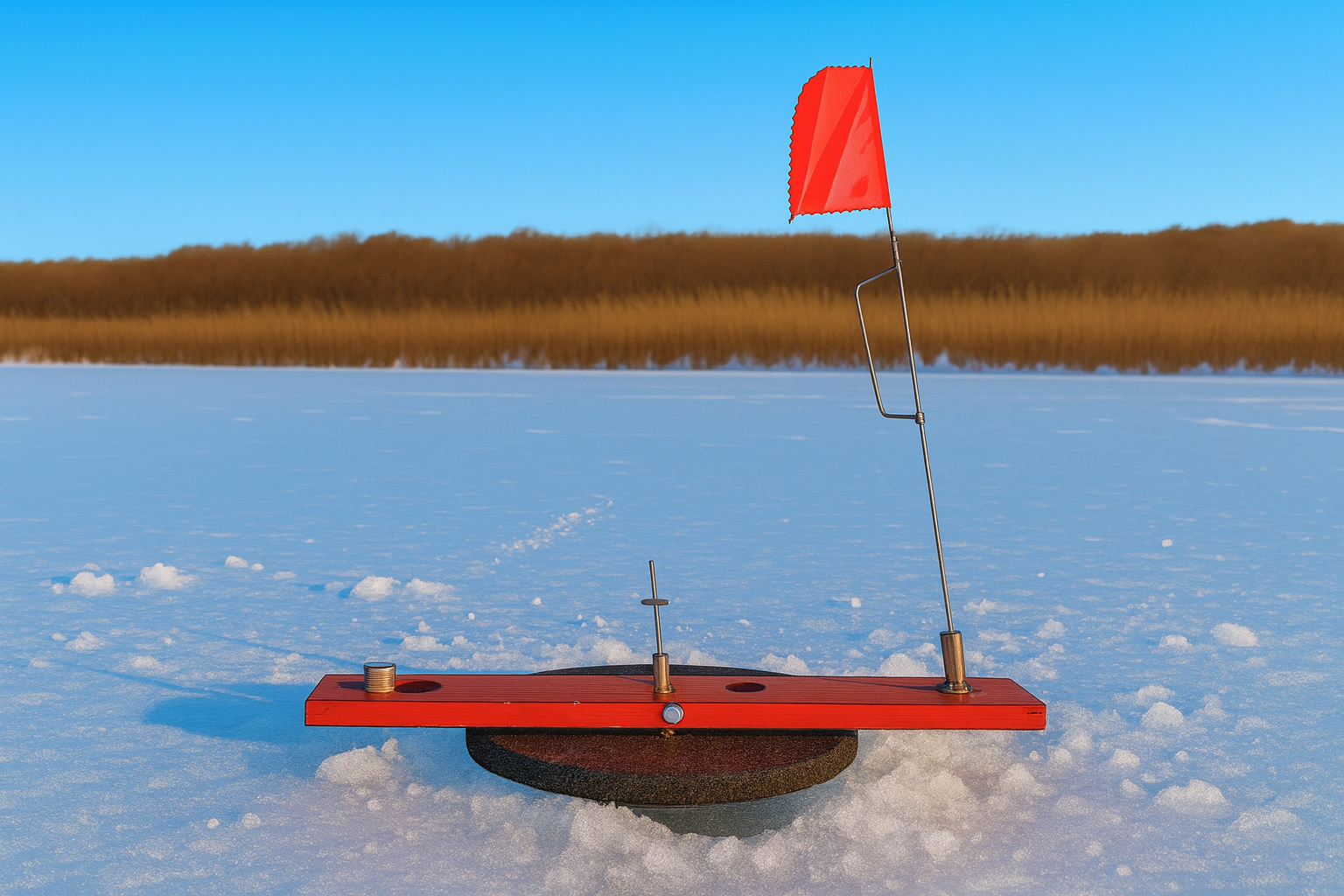
Tip-ups let you monitor several lines at once. They are perfect for catching wary or slow-moving fish.
How to Set a Tip-Up
Spool with 10 to 15 pound test line, either monofilament or braid. Attach an 18 to 24 inch fluorocarbon leader. Add a split shot weight above the hook to sink the bait. Hook a live minnow just below the dorsal fin for natural movement. Lower to the bottom, then reel up 18 to 24 inches. Secure the trigger and flag and stake down the tip-up.
Responding to a Flag-Up
Watch the spool. If it spins fast, the fish is running. Remove the tip-up carefully. Grab the line and set the hook with a sharp upward snap. Reel in by hand or with a hand reel. For big fish, allow some line to avoid break-offs. Use high-visibility tip-ups like Frabill Arctic Fire in snow or low light.
Master Jigging Techniques
Jigging puts you in direct control. You move your lure to trigger strikes from inactive fish.
Basic Jigging Setup
Use a 20 to 28 inch ice rod with a spinning reel. Line should be 4 to 8 pound test fluorocarbon or monofilament. Start with a one-eighth ounce leadhead jig tipped with live bait.
Effective Jigging Moves
The lift-and-drop works well. Raise the rod 4 to 6 inches, let the lure fall, then pause 2 to 6 seconds. The soft jiggle uses subtle shakes. This is ideal for finicky fish. Aggressive jigging uses fast, erratic motion to trigger reaction bites. Bottom tap involves bouncing the lure on the lake floor to stir up scent and sediment. Change your rhythm often because fish respond differently each day.
When to Set the Hook
Feel for a tap-tap or slight resistance. Let the fish take the bait slightly, then snap up 3 to 4 inches. Keep the line tight during retrieval. For light bites, use a light-action rod. It increases sensitivity and makes small fish feel like trophies.
Choose the Right Bait and Lures
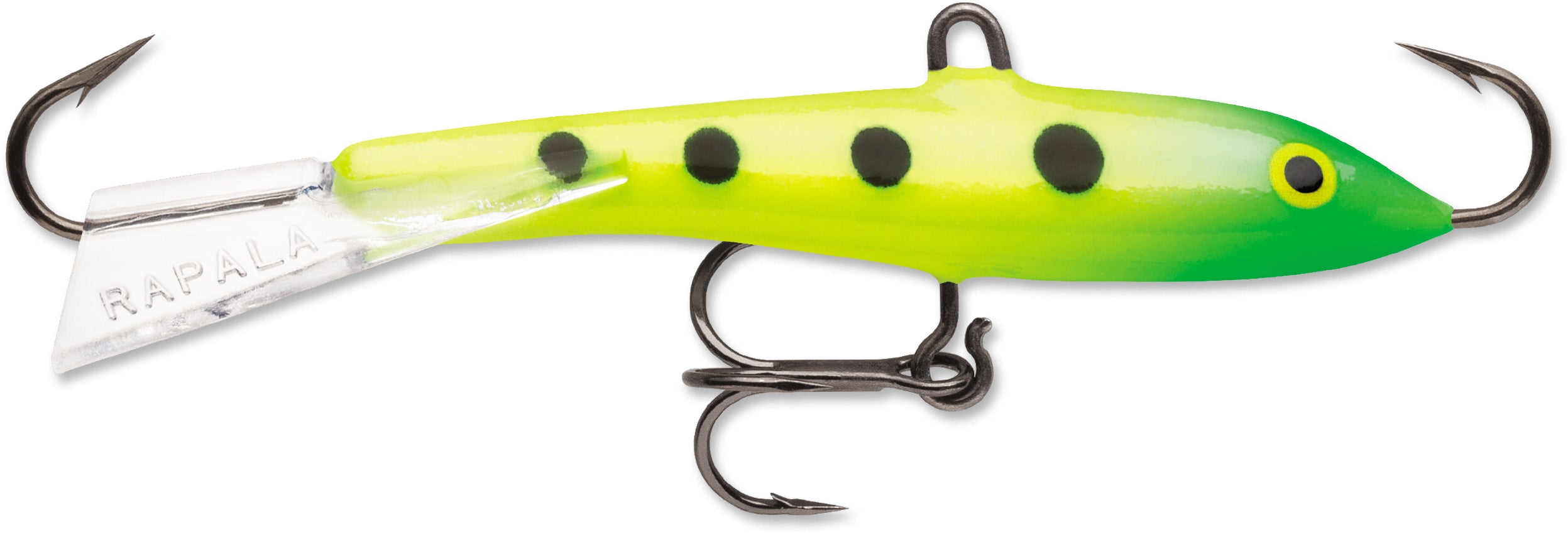
Match your presentation to what fish are feeding on. Live bait often wins, but artificials can be deadly effective.
Top Live Baits
Fathead minnows work best for walleye, crappie, and perch. Hook them under the dorsal fin for natural swimming. Shiners are better for pike and bass. Use larger sizes for predators. Leeches excel for walleye and perch when fished slowly near bottom. Wax worms are excellent for panfish. They sweeten tiny jigs. Nightcrawlers work for trout and bass. Cut them into chunks. Spikes or maggots tip nicely onto micro jigs for perch.
Best Artificial Lures
The Swedish Pimple is a classic tungsten jig that sinks fast, great for deep water. The Rapala Jigging Rap mimics injured baitfish and works excellently for walleye. The Acme Hyper Glide is a flutter spoon that triggers aggressive strikes. VMC Bucktail Jigs imitate leeches. Jigging spoons target lake trout, pike, and walleye. Tiny ice flies catch panfish. Soft plastics like mini tubes on jig heads also produce.
Boost any lure with wax worms, mealworms, fish eyes, or nightcrawler pieces. The “pu-pu platter” strategy means trying multiple baits to see what works today.
Find Fish with Depth and Electronics

Knowing where fish are gives you a major edge. Understanding why they are there improves your success.
Depth Strategies by Season
Early ice, meaning the first 4 to 6 weeks, puts fish near fall feeding zones. They are aggressive and shallow. Mid-winter fish move deeper and become lethargic. Late ice brings fish shallow to spawn. This is peak activity time.
How to Locate the Bottom
Drop your jig until it taps the bottom. Reel up 1 to 2 feet for most species. For suspended fish like trout, start 5 to 10 feet below the ice and work downward. Use flashers like Vexilar or Marcum for real-time sonar. Underwater cameras like Aqua-Vu let you see fish and your lure in action. GPS apps mark honey holes for future trips.
Dress for Success and Comfort
Staying warm and dry keeps you on the ice longer. It also keeps you focused on fishing.
Layering System
Your base layer must wick moisture. Use polyester or merino wool. Never wear cotton, which loses insulation when wet. Your mid layer provides fleece or down insulation. Your outer shell blocks wind and water with Gore-Tex or similar material. Adjust layers. Remove inside heated shelters and add when moving.
Footwear and Accessories
Wear insulated, waterproof boots. Your feet will get wet from slush. Add ice cleats for traction on slick ice. Carry disposable toe warmers and hand warmers. Bring extra gloves because wet hands lose dexterity fast. Wear a balaclava or face mask to prevent frostbite. Carry a thermos with hot drink to boost morale and warmth.
Follow Best Practices for Success
Small details make big differences when ice fishing.
Proven Tips from Experts
Keep bait lively. A swimming minnow beats a dead one. Check holes every 30 minutes to prevent freezing and tangles. Stay mobile and move every 30 to 60 minutes if you are not getting bites. Fish during low-light periods. Dawn and dusk are peak feeding times. Monitor weather because cold fronts suppress bites while warming trends trigger feeding. Be quiet because ice transmits sound efficiently. Avoid loud noises.
Group Fishing Etiquette
Share space and knowledge. Ice anglers are usually friendly. Pull up your lines when someone is landing a big fish. Communicate when running to a flag-up to avoid collisions.
Practice Conservation and Safety
Enjoy the sport responsibly so future generations can too.
Catch-and-Release Tips
Minimize time out of water. Use pliers or forceps for quick hook removal. Revive fish by holding them tail-first in the water until they swim away. Pack out all trash including line, bait containers, and wrappers.
Carbon Monoxide Safety
Never use propane heaters in unventilated shelters. Install a CO detector in enclosed fish houses. Ensure adequate ventilation when using any combustion heating source.
Start Simple and Learn Fast
You do not need expensive gear to begin. Start smart and build experience.
Beginner Recommendations
Start basic with a spud bar, jigging rod, and live bait. Rent gear first to try shelters, augers, or electronics before buying. Fish with experts to learn local tricks and techniques firsthand. Watch free videos from NY DEC or MI DNR on YouTube. Use LakeFinder tools to research fish populations. Organize tackle with compartmentalized boxes for jigs, hooks, and baits. Maintain gear by cleaning augers, drying rods, and storing electronics properly after each trip.
Frequently Asked Questions About Ice Fishing
What is the minimum ice thickness safe for ice fishing?
Four inches of clear, solid black ice is the minimum safe thickness for walking and ice fishing on foot. Always test the ice yourself rather than relying on conditions reported by others.
Do I need a license for ice fishing?
Yes, a valid fishing license is required in all U.S. states and Canadian provinces. You can purchase licenses online through state wildlife agencies or at local bait shops.
What is the best bait for ice fishing?
Fathead minnows work well for walleye, crappie, and perch. Shiners are best for pike and bass. Wax worms excel for panfish. Live bait generally outperforms artificial lures, especially for beginners.
How do I know if fish are under the ice?
Use a depth sounder or flasher to locate fish. Look for underwater structure like drop-offs, weed beds, and rock piles. Drill multiple holes at different depths to find where fish are active.
What should I wear ice fishing?
Layer your clothing with moisture-wicking base, insulating mid, and wind-resistant outer. Wear waterproof insulated boots and ice cleats. Bring extra gloves, hand warmers, and a face mask or balaclava.
Can I use a regular fishing rod for ice fishing?
You can start with a regular rod, but ice fishing rods are shorter, typically 20 to 28 inches, and more sensitive. They are designed specifically for detecting light bites through the ice.
Key Takeaways for Your First Ice Fishing Adventure
Ice fishing is more than catching fish. It is about connection, quiet, and tradition. From sunrise over a frozen lake to the thrill of a flag-up, every trip offers something unique. Start with safety. Always test ice thickness and never go alone. Get licensed and know your local regulations. Choose the right spot by targeting structure and appropriate depths for your target species. Dress in warm layers and bring essential gear including an auger, jigging rod, tip-ups, and live bait. Master both passive fishing with tip-ups and active jigging techniques. Stay mobile, keep bait lively, and fish during low-light periods. Bundle up, check the ice, grab your auger, and step onto the frozen frontier. Your next great fishing adventure is waiting.