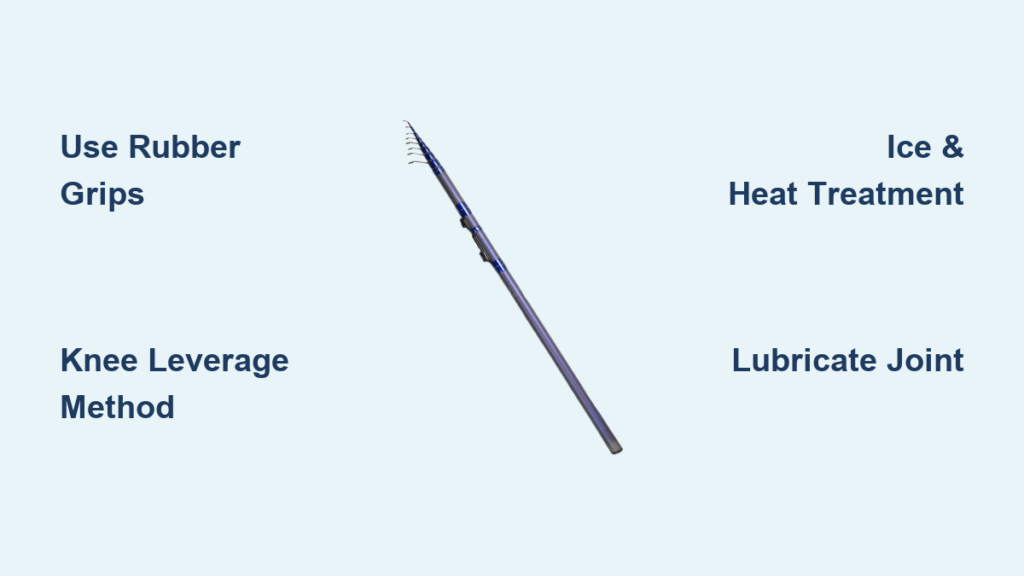
You’re ready to pack up after a long day of fishing, but your telescopic rod won’t collapse. One section is jammed, and no amount of gentle wiggling or pulling helps. You’re not alone. A stuck telescopic fishing pole is one of the most common frustrations anglers face, whether it happened during disassembly, after improper storage, or due to dirt and moisture buildup.
The good news is that most stuck sections can be freed without damaging your gear. This guide covers every proven method, from household tricks to professional techniques, plus essential prevention tips to keep your rod working smoothly for years to come.
Improve Your Grip for Safe Separation
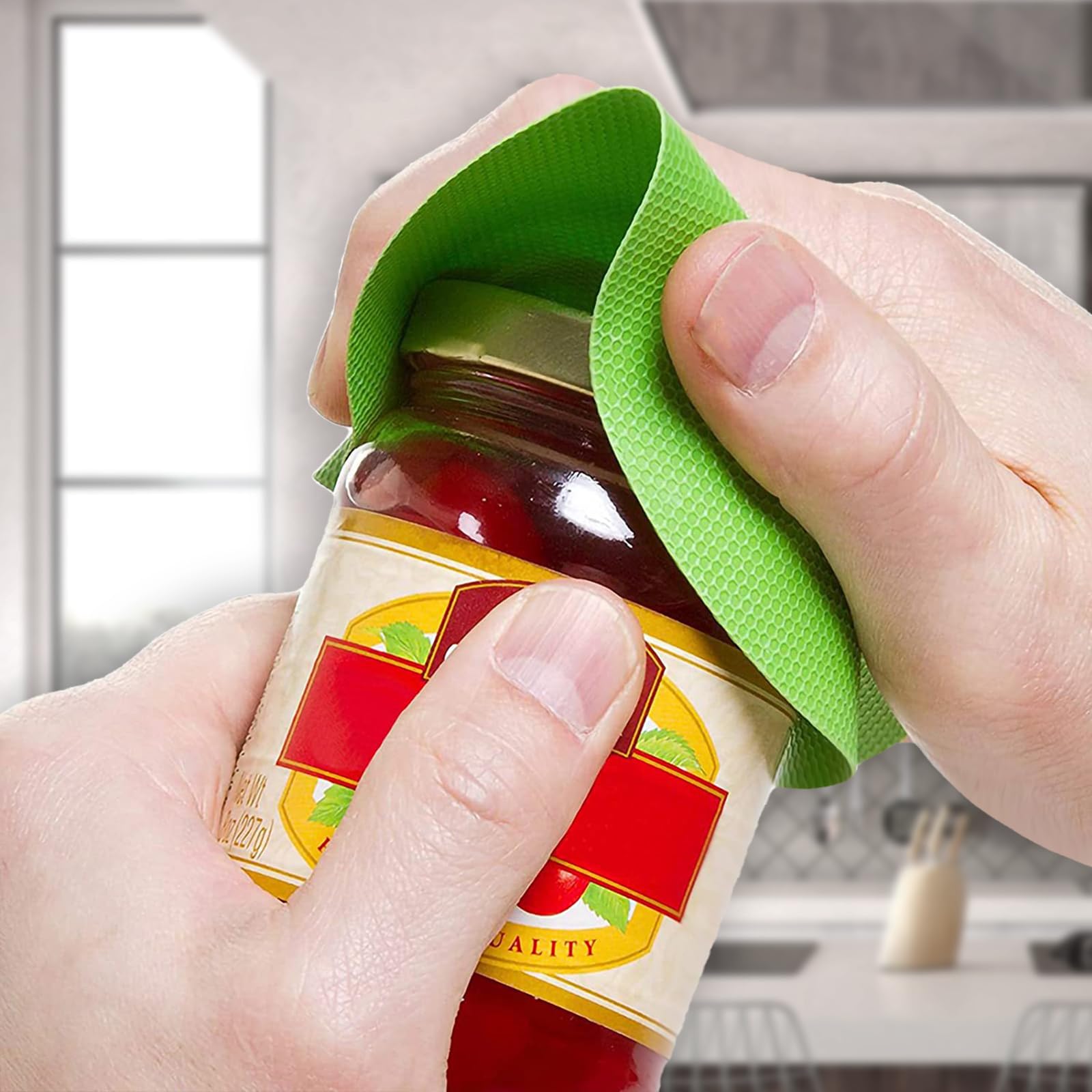
Slippery hands are often why separation attempts fail. Without solid traction, you risk twisting or crushing the rod while trying to pull it apart.
Use Rubber Grips or Traction Aids
Wrap the section you’re pulling with high-friction materials to gain better control.
• Rubber kitchen jar opener pads
• Textured rubber gloves
• Strips from an old bicycle inner tube (ideal due to stretch and grip)
• Non-slip shelf liner
Apply steady, straight-line pressure. Never jerk or yank the rod, and keep your hands aligned with the rod axis to prevent bending stress.
Pro Tip: Avoid bracing against line guides. Pressure on guides can bend or break them, especially on lightweight rods.
Apply Controlled Leverage with the Knee Method
Using leg strength instead of arm power reduces strain and increases your control over the separation force.
Standing Knee Technique
- Position the stuck joint between your knees.
- Grip each section firmly just outside your legs.
- Push outward with your knees while pulling with your arms.
- Use smooth, even force and avoid sudden jerks.
Seated Version for Extra Control
- Sit on the ground with knees bent and feet flat.
- Place the rod between your thighs, just above the knee joint.
- Press outward with your legs while pulling the sections apart.
- This version works well for longer rods or when standing balance is an issue.
Why it works: Legs are stronger than arms and allow sustained pressure without fatigue or hand slippage.
Use Temperature to Loosen Stuck Joints

Heat expands materials while cold contracts them. You can exploit this property to free fused sections.
Cool the Inner Section First
Wrap the male (inner) section with crushed ice in a plastic bag. Let it sit for 15 to 30 minutes to contract the material slightly.
Warm the Outer Section
Use a hair dryer on low heat or warm (not hot) water on the female (outer) section. The heat causes expansion, creating a tiny gap between the sections.
Warning: Never use boiling water, open flames, or excessive heat. Carbon fiber can delaminate and epoxy joints may weaken under high temperatures.
After treatment, try separating with rubber grips. Repeat the process if needed.
Success Note: This method works best when moisture or thermal locking caused the jam.
Lubricate the Joint to Reduce Friction

Dry or dirty ferrules stick easily. A little lubrication can make all the difference in freeing a stubborn joint.
Choose the Right Lubricant
| Lubricant | Best For | Caution |
|---|---|---|
| Ferrule wax | Long-term dry lubrication | Does not attract dirt |
| Sewing machine oil | Light, fast-acting lubrication | Use sparingly |
| Tri-Flow (Teflon) | Stiff or corroded joints | Resists grime buildup |
| WD-40 | Emergency freeing | Wipe off after use, as it can gum up |
Apply Correctly
- Put a tiny drop where the sections meet.
- Let it wick into the joint for 5 to 10 minutes.
- Gently rotate (no more than 10 degrees) and pull straight.
- Reapply if needed.
Avoid: Oily lubricants that attract sand and dust, as these worsen sticking over time.
Protect Retaining Rings During Retraction
Sometimes the rod won’t collapse because the retaining ring is jammed or under pressure from forced retraction.
Use the Pencil Stopper Method
- Cut two wooden pencils or dowels to act as spacers.
- Place them just before the retaining ring on the section being pushed down.
- Tape them securely in place with electrical tape.
- Apply steady downward pressure. The pencils absorb force and protect the ring.
- Once nested, move stoppers to the next joint and repeat.
Why it matters: This prevents ring damage and blank cracking during retraction.
Avoid Dangerous or Ineffective Methods
Some popular hacks do more harm than good. Steer clear of these approaches.
Never Use These Techniques
• Pliers or wrenches (high risk of crushing carbon fiber)
• Forceful twisting (can misalign guides or crack the blank)
• Two-person tug-of-war (uneven force leads to breakage)
• Hammering or impact tools (guarantees damage)
Humor aside: One angler admitted trying tears and Harry Potter spells. They did not work. Stick to science.
Clean and Maintain Joints Regularly
Prevention beats repair every time. A little maintenance goes a long way toward keeping your rod in top condition.
Rinse After Every Use
Especially after saltwater fishing, rinse each section with freshwater. Swab the inside of female ferrules with a cotton swab or soft cloth to remove debris.
Dry Thoroughly Before Storage
Moisture causes swelling and corrosion. Leave sections disassembled and air-dry in a shaded area before putting them away.
Pro Tip: Store rods vertically in a padded case to prevent dust buildup and warping.
Store Your Rod Properly
How you store your rod determines its lifespan. Proper storage prevents the conditions that cause sticking in the first place.
Best Storage Practices
• Always disassemble the rod after use.
• Store in a padded rod sleeve or hard case.
• Use wall-mounted, ceiling, or rack-style holders.
• Keep away from heat sources like car trunks and damp areas like garages.
Critical: Never leave a telescopic rod assembled between trips. Temperature changes and moisture can fuse joints permanently.
Transport Safely to Prevent Damage
Improper transport is a leading cause of stuck rods. Treating your rod carefully during transit prevents many common problems.
Safe Transport Options
• In-cab rod tubes
• Truck cap rod holders
• Roof rack systems (with protective tubes)
Never Do This
• Secure rods under windshield wipers (they can catch branches and bend or jam the rod)
• Lean rods against walls where they can be stepped on or crushed
Real-World Example: An angler jammed a 10-foot fly rod after driving with it under a wiper. A tree branch hit it mid-drive, compressing the ferrules. No DIY method worked, and only professional repair saved the rod.
Know When to Seek Professional Help

If gentle methods fail, stop. Forcing it further risks total loss of your rod.
Signs You Need a Pro
• Sections remain stuck after multiple attempts
• Guides are 90 degrees off alignment
• Visible cracks or splits in the blank
• Retaining ring is damaged or missing
Where to Get Help
• Manufacturer service centers (Shimano, Daiwa, Echo)
• Local fly shops with repair technicians
• Specialized rod repair services using ultrasonic cleaning or precision tools
Expert Advice: Professionals can use controlled heat, vacuum systems, or micro-tools to free joints without damage.
Frequently Asked Questions About Stuck Telescopic Fishing Poles
Why does my telescopic fishing pole get stuck?
Stuck sections typically result from moisture buildup, dirt and debris in the ferrules, improper storage, or lack of lubrication. Temperature fluctuations can also cause materials to expand or contract at different rates, creating a tight fit.
Can I use pliers to grip the rod and pull it apart?
No. Using pliers or similar tools risks crushing or marring the carbon fiber blank. The pressure points concentrate force in small areas, which can crack or permanently damage the rod.
Does the ice and warm water method really work?
This temperature differential method works best when moisture or thermal locking caused the jam. The cold contracts the inner section while heat expands the outer section, creating a small gap that allows separation. Results vary, but it is worth trying before more invasive methods.
How often should I lubricate my telescopic rod?
Apply a light lubricant like ferrule wax or sewing machine oil every few uses, or whenever retraction starts to feel stiff. Avoid over-lubricating, as excess oil attracts dirt and sand.
Is it normal for a new telescopic rod to be slightly stiff?
Yes. New rods may have tighter joints until the materials break in. Use a small amount of ferrule wax during break-in, and avoid forcing sections if they feel snug.
When should I give up and take my rod to a professional?
If you have tried multiple gentle methods (grips, leverage, temperature, lubrication) without success, stop forcing the rod. Visible damage like cracked blanks, misaligned guides, or a damaged retaining ring means it is time to consult a professional.
Key Takeaways for Fixing Your Stuck Telescopic Fishing Pole
Fixing a stuck telescopic fishing pole is not about strength. It is about patience and technique. Start with the gentlest method and progress carefully. Most jams resolve with rubber grips, a little temperature treatment, and proper lubrication.
The real win, however, is prevention. Clean your rod after every trip, store it disassembled in a padded case, and handle it with care. A well-maintained telescopic pole can last decades, giving you reliable performance trip after trip.
If nothing works, do not destroy it trying. Take it to a professional. Your rod might be worth more than the risk of permanent damage.