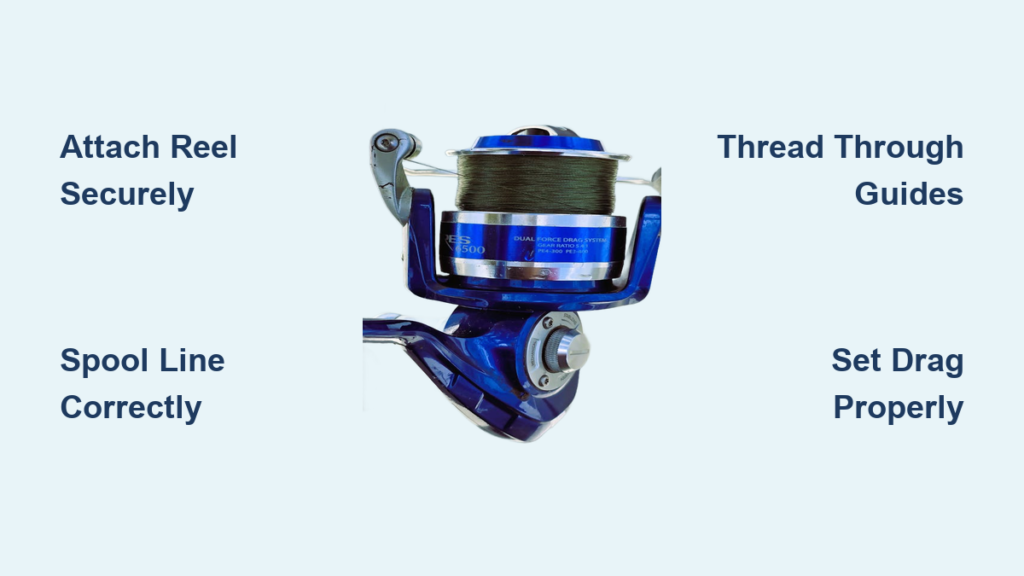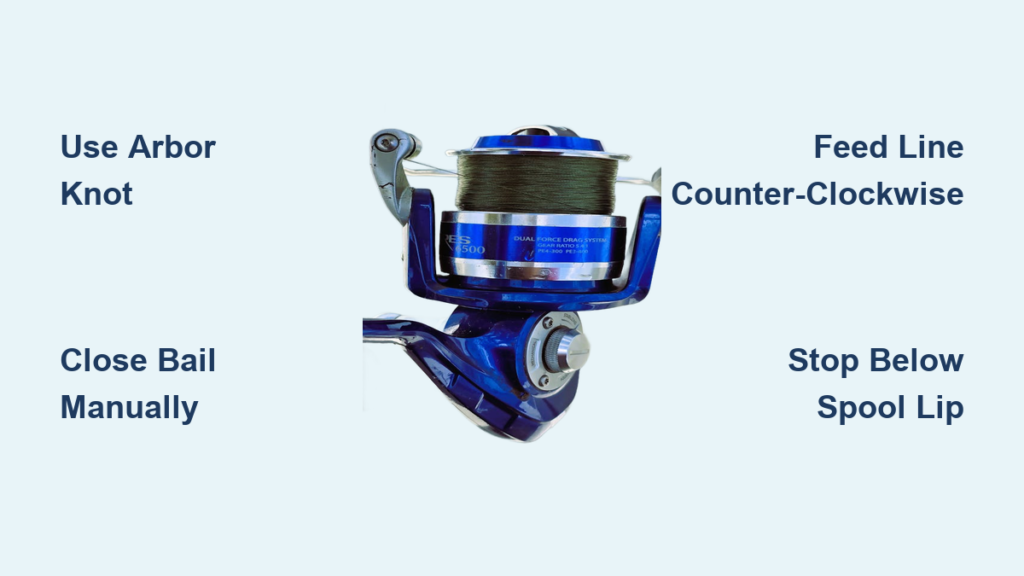

If you have ever unspooled fresh monofilament or fluorocarbon line only to battle stubborn coils and tangles, you are not alone. The answer often lies in a simple, overlooked step: soaking your fishing line before spooling. This quick practice can make the difference between smooth casts and constant wind knots. But how long to soak fishing line? Most anglers agree that 30 minutes in warm water is ideal for standard spools, while larger or stiffer lines may need several hours. Below, you will find exact soak times, water temperature guidelines, line-specific tips, and proven alternatives so you can spool with confidence.
This article covers everything you need to know about soaking fishing line, including step-by-step procedures, expert consensus, and common misconceptions. Whether you use monofilament, fluorocarbon, or hybrid lines, you will learn how to optimize your spooling routine for better performance on the water.
Soak Time Guidelines for Different Spools

Standard Soak Duration
For most spools ranging from 200 to 300 yards, soaking in warm water for 20 to 60 minutes is sufficient. A 30-minute soak is widely accepted as the sweet spot for eliminating line memory and ensuring smooth spooling. This timeframe allows enough warmth to penetrate the inner layers of the coil, softening the line temporarily and reducing kinks.
• Minimum: 15 to 20 minutes for small spools or warm conditions
• Optimal: 30 to 60 minutes for standard spools
• Extended: Several hours for 1 pound or larger spools or stiff fluorocarbon
Pro Tip: Start timing only after the spool is fully submerged and water has soaked into the core. Floating spools delay penetration, so press down gently to help water reach the center.
Large Spool Soaking Tips
Big spools containing 500 yards or more or 1 pound spools trap more tension and require longer soaking. The outer layers may feel relaxed while the inner core remains coiled. To ensure full conditioning, soak large spools for 2 to 4 hours in warm water and rotate the spool halfway through to promote even water exposure. Some anglers split large spools into smaller batches for more effective soaking, but this is not necessary if given enough time.
When Soaking Is Not Needed
Not every line or situation requires soaking. You can skip soaking when using braided line because it has no memory and does not absorb water. High-humidity environments also keep line supple naturally, so soaking is optional. Additionally, reverse spooling with consistent tension can reduce the need for soaking. Even in these cases, a quick 15-minute warm soak can still improve lay and reduce initial coiling.
Ideal Water Temperature for Soaking
Warm Water vs. Cold Water
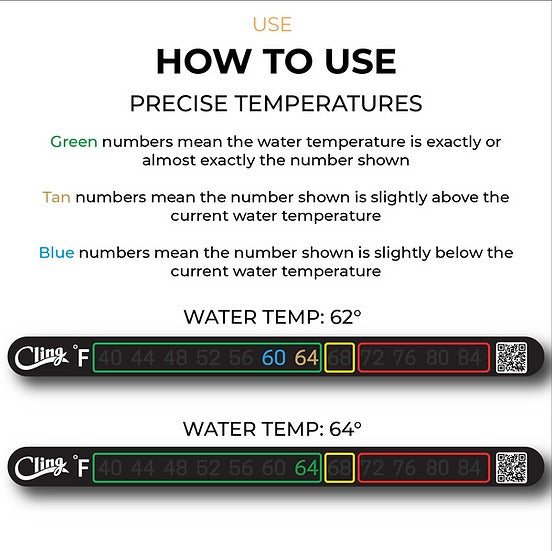
Warm water between 90 and 120 degrees Fahrenheit is far more effective than cold water for soaking fishing line. Heat temporarily increases polymer flexibility in monofilament and fluorocarbon, making the line more pliable during spooling. Cold water does little to relax line memory and may require 60 minutes or longer to achieve similar results.
• Room temperature water at 70 degrees Fahrenheit is acceptable but requires longer soaking
• Warm tap water is ideal because it is safe and accessible
• Boiling water should never be used because it can melt or weaken fluorocarbon and degrade nylon
Expert Insight: The only advantage of soaking is that the line becomes a bit softer when you put it on, but it returns to original stiffness when it cools. This temporary softness is the goal, because once spooled and cooled, the line returns to its designed performance.
Safe Heating Methods
To achieve optimal warmth without risk, use hot tap water mixed with cold to reach approximately 100 degrees Fahrenheit. Test with a thermometer or your hand. The water should feel warm but not scalding. Avoid microwaving or boiling containers directly. Water naturally caps at 212 degrees Fahrenheit, making it a self-regulating medium. Unlike direct heat sources such as heat guns or hair dryers, warm water cannot overheat and damage the line.
Line Type Specific Soaking Recommendations

Monofilament Line
Monofilament absorbs water and benefits significantly from soaking. As a hygroscopic material, nylon-based monofilament performs better when conditioned with moisture. The recommended soak time is 20 to 60 minutes in warm water. The key benefit is reducing coiling and preventing micro-fractures from tight spooling. Dry storage risk is real, because long-term dry storage can make monofilament brittle. Soaking helps restore suppleness and maintain line strength.
Anecdotal evidence shows that nylon auto parts shipped from humid Indiana to dry El Paso cracked due to moisture loss, highlighting how environmental conditions affect nylon integrity. Soaking mimics natural conditioning and helps maintain the line is performance and longevity.
Fluorocarbon Line
Fluorocarbon is nearly waterproof and does not absorb water like monofilament. Soaking fluorocarbon is not for hydration but rather for warming and relaxing stiffness from coiling. The recommended soak time is 30 to 60 minutes. The primary benefit is easier spooling and reduced line memory. Repeated warm water soaks do not weaken fluorocarbon, and even premium brands like Seaguar and Yo-Zuri recommend warm water soaking before spooling.
User concern about multiple hot water dunks breaking down the line over time has been addressed by community consensus. No evidence supports this claim. Normal warm-water soaking is safe and effective for fluorocarbon line.
Hybrid Lines
Hybrid lines such as Yo-Zuri Hybrid blend monofilament and fluorocarbon traits. They are stiffer than monofilament but slightly more flexible than pure fluorocarbon. Treat hybrid lines like fluorocarbon, soaking in warm water for 30 or more minutes. The focus should be on temperature rather than absorption. Standard warm-water guidelines apply, and there are no special heat tolerance warnings for hybrid lines.
Why Soak Fishing Line Before Spooling
Eliminate Line Memory
Fresh spools retain their coiled shape from manufacturing and storage. This line memory causes loops, wind knots, and poor casting, especially on baitcasting reels. Soaking relaxes the polymer structure and allows the line to lay flat on the spool. The result is fewer tangles and smoother retrieves. This is critical for long casts, finesse techniques, and heavy cover fishing.
Prevent Wind Knots and Backlash
Stiff, unsoaked line resists even tension during spooling, leading to loose spots and overwinds. These create wind knots, which are a major issue on baitcasting reels. Soaked line accepts consistent pressure and reduces backlash risk. Combine soaking with finger tension or a spooling tool for best results.
Improve Spooling Consistency
Warm, supple line conforms better to the spool is diameter. This ensures even layering, maximum line capacity, and reduced friction during retrieval. Uneven spooling from dry, stiff line can cause premature wear and casting issues. Taking time to soak ensures your line performs at its best.
Detect Weak Spots Early
While soaking, inspect the line for cloudy or white stress marks, abrasions or weak sections, and diameter inconsistencies. Catching flaws before spooling saves time and prevents mid-fight break-offs. This simple inspection can prevent lost fish and frustration on the water.
Alternative Methods to Soaking
Reverse Spooling Technique
Instead of soaking, some anglers use reverse spooling to reduce coiling. Mount the line spool upside down so the line peels off the top, opposite the reel rotation. Apply light, consistent tension with a rag or spooling tool and spool slowly to minimize twists. This method works best with pre-soaked or conditioned line but can reduce memory on its own. Note that reverse spooling is not a full substitute for soaking and works best in combination with it.
Use Line Conditioners
Products like KVD Line Sauce or Reel Magic lubricate and relax line after spooling. Apply these products post-spooling by running the line through a treated cloth. Line conditioners help settle the line on the spool and reduce friction, which improves casting distance. These products do not replace soaking but enhance its effects, especially for fluorocarbon line.
Post-Spool Soaking
After spooling, you can submerge the entire spooled reel in warm water for 15 to 30 minutes. This allows the line to reset under tension and helps it conform to the spool shape. This technique is supported by experienced anglers who report that it helps settle the line and improve performance. Post-spool soaking is especially useful for large spools or when pre-soaking time was limited.
Common Misconceptions About Soaking
Fishing Line Gets Wet Anyway
While line contacts water during use, initial spooling conditions matter. Dry, stiff line spooled tightly can develop permanent memory or internal stress points. Soaking ensures optimal lay from the start and prevents future problems.
Cold Water Works Just as Well
Cold water does not relax polymer chains like warm water does. It may hydrate monofilament slightly but does little to reduce stiffness or memory. Warm water is significantly more effective for achieving the desired results.
Only Cheap Lines Need Soaking
Even high-end lines from Seaguar, Berkley, or Daiwa benefit from soaking. Manufacturing and storage coiling affect all spooled lines regardless of price. Every line can benefit from this simple preparation step.
Soaking Weakens the Line
No evidence supports this misconception. Repeated warm-water soaks do not degrade monofilament or fluorocarbon under normal conditions. The temporary softness disappears once the line cools, returning it to its original state without damage.
Step-by-Step Soaking Procedure
1. Prepare a Soaking Container
Use a bucket, bowl, or sink large enough to fully submerge the spool. Ensure the container is clean and avoid chemical residues that could contaminate the line.
2. Fill With Warm Water
Mix hot and cold tap water to reach 90 to 120 degrees Fahrenheit. Use a thermometer or test with your hand. The water should feel warm but not painful.
3. Submerge the Spool
Place the spool in water with the core-side down to help water penetrate the center. Press down gently if the spool floats. Bubbles rising from the center indicate water entering the coil.
4. Soak for the Appropriate Time
Set a timer for 30 to 60 minutes. For large spools, extend to 2 or more hours. Rotate halfway through if needed to ensure even soaking.
5. Dry the Spool Exterior
Remove the spool and wipe the cardboard or plastic spool dry. Do not dry the line itself. It should remain warm and supple for best spooling results.
6. Spool Immediately
Transfer the line to the reel right after soaking. Delaying reduces benefits as the line begins to cool and stiffen.
7. Apply Consistent Tension
Use a spooling tool or wrap a rag around the line for light, even pressure. Avoid over-tightening, which can cause other problems.
8. Optional Post-Spool Soak
Submerge the spooled reel in warm water for 15 minutes to reset the line under tension. Let it dry completely before use.
Expert Consensus and Best Practices
Is Soaking Necessary
Soaking is not strictly necessary but is highly recommended. Proper reverse spooling with tension can eliminate the need for soaking. However, most experts agree that soaking improves results, especially for beginners. The practice is a low-risk insurance policy that ensures better line performance.
Repeated Soaking
Multiple warm-water soaks do not damage monofilament or fluorocarbon. No degradation has been observed in real-world use or testing. Soaking is safe for pre-season prep, line swaps, and storage recovery. The only limitation is to avoid boiling or chemical exposure.
Temperature Control Is Key
Water is boiling point at 212 degrees Fahrenheit acts as a natural safety cap. Unlike heat guns or hair dryers, warm water cannot overheat the line, making it the safest heating method for this purpose.
Frequently Asked Questions About Soaking Fishing Line
How long should I soak monofilament fishing line?
Soak monofilament line in warm water for 20 to 60 minutes. Thirty minutes is the optimal time for standard spools. Monofilament absorbs water and benefits significantly from soaking, which reduces coiling and prevents micro-fractures.
Can I soak fluorocarbon line, and for how long?
Yes, you can soak fluorocarbon line. Soak it in warm water for 30 to 60 minutes. Fluorocarbon does not absorb water like monofilament, so soaking is primarily for warming and relaxing stiffness rather than hydration. Multiple warm-water soaks do not damage fluorocarbon.
What water temperature is best for soaking fishing line?
The ideal water temperature is warm, between 90 and 120 degrees Fahrenheit. Room temperature water at 70 degrees Fahrenheit is acceptable but requires longer soaking. Never use boiling water, as excessive heat can degrade polymer integrity.
Do I need to soak braided fishing line?
No, braided line does not need soaking because it has no memory and does not absorb water. Braided line is naturally supple and spools well without pre-treatment. You can skip soaking for braided line.
Does soaking weaken or damage fishing line?
No, soaking does not weaken or damage fishing line. Repeated warm-water soaks do not degrade monofilament or fluorocarbon under normal conditions. The temporary softness disappears once the line cools, returning it to its original state.
What is the best alternative to soaking fishing line?
The best alternative is reverse spooling with consistent tension. Mount the line spool upside down so line peels off the top, opposite reel rotation. Apply light tension and spool slowly. This method works best when combined with a short pre-soak or used in high-humidity environments.
Key Takeaways for Soaking Your Fishing Line

Soaking fishing line is a simple, science-backed step that enhances performance and longevity. The recommended soak time is 30 to 60 minutes in warm water between 90 and 120 degrees Fahrenheit. Monofilament benefits most from soaking due to its hygroscopic nature, while fluorocarbon benefits from warmth to reduce stiffness. Large spools may require 2 to 4 hours of soaking, or you can use post-spool soaking as an alternative. Braided line does not require soaking because it has no memory. Combine soaking with proper spooling technique and consider using line conditioners for best results. Making soaking a standard part of your reel-maintenance routine will deliver smoother casts, fewer tangles, and greater confidence in your setup. Your line will perform better, and you will spend less time dealing with frustrating tangles on the water.