If you have ever reeled in a hard-fighting bass, muscled a redfish from heavy cover, or trolled for tuna offshore, you have likely relied on braided fishing line. Known for its incredible strength, thin diameter, and sensitivity, braid is a go-to choice for anglers across freshwater and saltwater environments. But one question keeps coming up: how long does fishing braid last?
The short answer is that braided line can last from 6 months to over 20 years, depending on how it is used and cared for. Unlike monofilament, which degrades over time due to UV exposure and water absorption, braid does not go bad with age. Instead, its lifespan is determined almost entirely by physical wear, maintenance habits, and storage conditions.
Factors That Determine Braid Lifespan
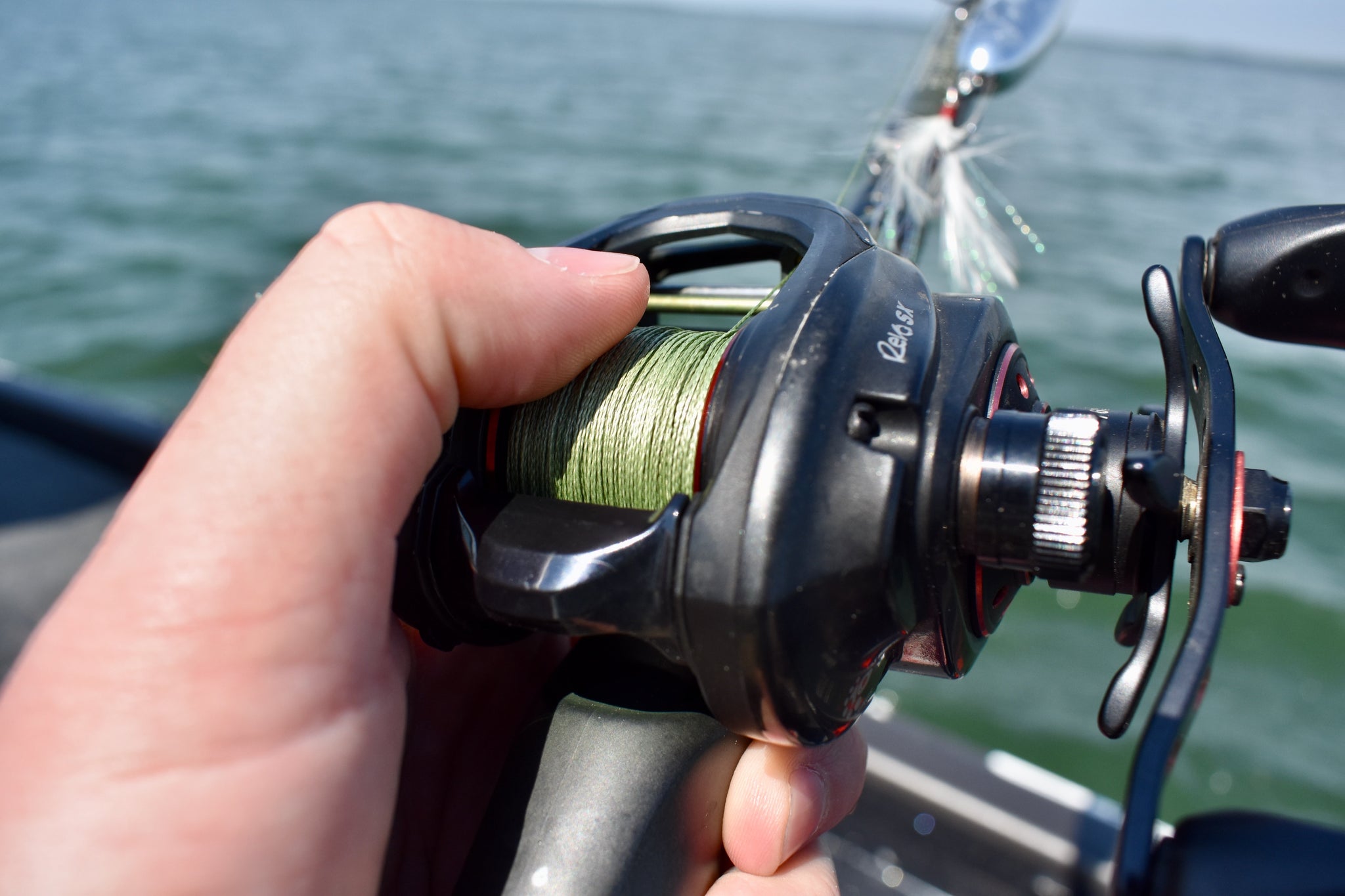
Several key factors influence how long your braided line will last. Understanding these variables helps you set realistic expectations and take proper care of your investment.
Frequency of Use and Fishing Style
How often and how hard you fish directly impacts braid longevity. Occasional weekend anglers using finesse techniques will see far less wear than tournament pros or heavy-cover specialists.
Light to moderate use such as spinning rods, drop-shotting, and light casting can yield 2 to 5 years or more of service. Heavy use including flipping, frogging, jigging in thick weeds or rocks typically provides 1 to 3 years before significant wear sets in. Tournament or high-stress fishing with constant rig changes, snags, and line trimming can reduce usable life to 6 months to 1 year.
Even high-quality braids like SpiderWire, PowerPro, or Izorline accumulate micro-damage over time. Each time you cut off a few feet to retie, you are shortening the clock on your spool.
Abrasion from Structure and Cover
One of the biggest threats to braid is abrasion. While braid is strong, it is not immune to fraying when dragged over rocks, docks, submerged logs, or sharp shells.
Anglers fishing rocky shorelines, oyster beds, or heavy timber often report cutting off 10 to 20 feet per season due to nicks and fraying. Repeated contact with abrasive surfaces weakens fibers, creating hidden weak spots that can lead to sudden break-offs. Even premium 8-strand braids like Sufix 832 or PLine TCB 8 will eventually show wear under constant friction.
Pro tip: If you fish abrasive environments regularly, consider using a fluorocarbon leader to absorb the brunt of the damage while protecting your main braid.
UV Exposure and Sunlight Effects
Unlike monofilament, braided line is highly resistant to UV degradation. The Spectra or Dyneema fibers used in most braids do not break down under sunlight the way nylon-based lines do.
Color fading is common, especially with bright hues like neon green or yellow, but this is purely cosmetic. Core strength remains intact even after years of sun exposure. Some offshore anglers have used the same braid for 5 to 10 years with no loss in performance despite constant sun exposure on deck.
However, extreme prolonged UV exposure such as leaving a rod on a boat all summer can dry out the line is coating and accelerate surface wear. One angler reported noticeable degradation in as little as 3 months under harsh conditions.
Bottom line: Sunlight will not kill your braid, but storing rods out of direct light helps preserve coatings and flexibility.
Saltwater Use and Corrosion Risks
Saltwater does not destroy braided line, but salt residue can. If left unchecked, dried salt crystals can make braid stiff, brittle, and prone to wind knots.
Spectra and Dyneema fibers are salt-resistant, but the wax or gel coatings on some braids can break down over time. Offshore anglers often soak reels in freshwater annually or rinse them after every trip to remove corrosive salts. Failure to rinse can lead to a crusty, dry texture, a sign the coating is failing and the line is nearing end of life.
Best practice: After saltwater use, rinse your reel and line with fresh water for 30 to 60 seconds. Let it dry before storing.
Storage Conditions That Affect Longevity
How and where you store your rods and reels plays a big role in braid longevity. Proper storage can mean the difference between a spool that lasts decades and one that degrades prematurely.
Avoid hot trunks, damp sheds, or boat decks exposed to sun and moisture. Heat and humidity can accelerate coating breakdown and cause fiber fatigue. Reels stored in tackle boxes, rod racks, or climate-controlled spaces show no degradation even after decades.
One angler confirmed that SpiderWire spooled in 2000 was still functional in 2020 thanks to proper storage. Another reused 30-year-old braid from vintage Abu Garcia reels with no issues.
Key takeaway: Unused braid stored correctly has no expiration date. The fibers do not degrade over time.
Signs It Is Time to Replace Braided Line
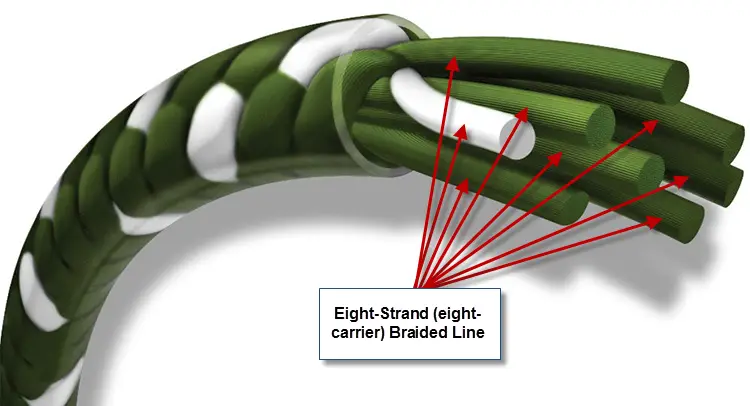
Even the toughest braid will not last forever. You should replace it when you notice any of these warning signs.
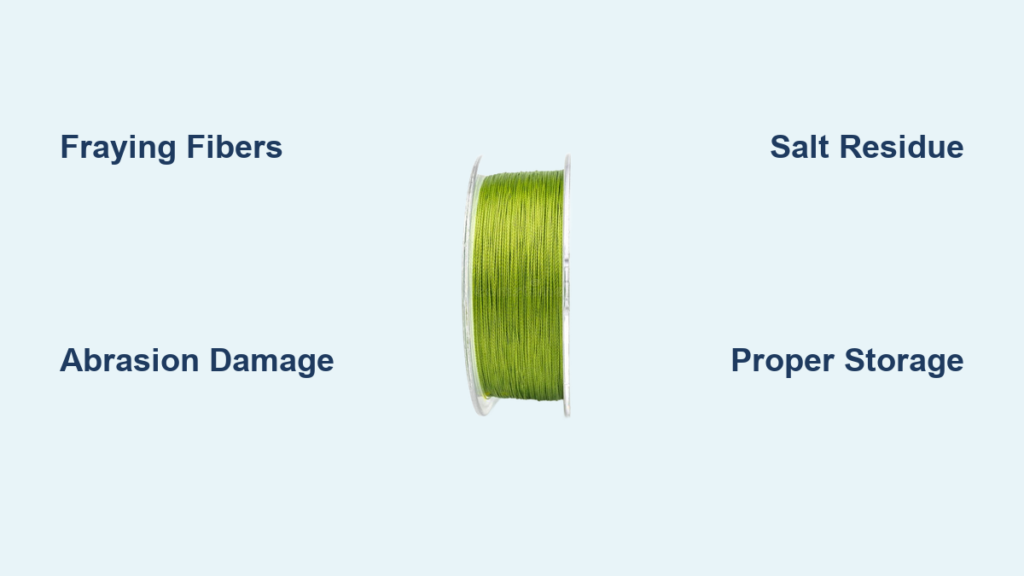
Fraying or Splitting Fibers
Loose strands or visible unraveling mean the line is structural integrity is compromised. This often happens near the first guide or at knots.
Brittle or Stiff Line
Braid should feel smooth and flexible. If it is stiff or does not flow freely off the spool, it may be damaged or coated with salt residue.
Nicks and Abrasions
Run your fingers along the line during inspection. Any rough spots, thin sections, or cuts are weak points waiting to fail.
Dry, Crusty Texture
Especially common after saltwater use, this indicates coating failure. While the core may still be strong, performance suffers.
Excessive Wind Knots or Memory
Frequent tangles or loops that do not straighten out may signal internal damage from repeated stress.
Unexplained Break-Offs
If your line snaps under normal pressure, especially without visible damage, it is time for a fresh spool.
Expected Lifespan by Fishing Style

Different fishing scenarios produce dramatically different lifespans for braided line. Understanding your typical usage helps you anticipate when replacement might be needed.
Finesse fishing with spinning gear typically lasts 2 to 5 years with minimal abrasion, often replaced due to low spool level rather than damage. Heavy cover fishing involving flipping, frogging, and punching provides 1 to 3 years, with frequent cutting and retying leading users to flip spool annually. Offshore trolling or deep sea applications last 5 or more years, used as backing and reversed yearly with minimal wear. Tournament fishing endures 6 months to 1 year due to high stress, constant rig changes, and frequent snags. Surf casting can last 3 to 7 or more years with low snag rates preserving line, though fading is common. Stored unused braid can last indefinitely, with 20 or more years possible when there is no UV or physical stress.
Proven Ways to Extend Braid Life
Taking care of your braided line does not require expensive products or complicated routines. Simple habits significantly extend usable life.
Regular line inspection involves stripping off about 100 yards and running the line through your fingers every few months. Look for rough spots, stiffness, fraying, and discoloration. This helps catch damage early before it leads to break-offs.
Cut and retie damaged sections instead of replacing the whole spool. Cut off the last 10 to 20 feet when it shows wear. This preserves the rest of the line and saves money.
Flip the spool annually in high-use scenarios. Reverse the line on your reel once a year. This puts fresh line at the front and exposes the previously buried section to casting wear, effectively doubling usable life.
Rinse after every use, especially in saltwater. Rinse your reel and line with fresh water. A quick 30-second flush removes salt, sand, and debris that can degrade performance.
Store reels properly by keeping rods in a cool, dry, dark place. Avoid direct sunlight, high heat such as car trunks, and humid environments. Use rod racks or tackle boxes with ventilation.
Use a mono underlayer to save braid and fill large spools. Many anglers spool 15 to 20 lb monofilament first, then add braid on top. This reduces the amount of expensive braid needed while maintaining performance.
Braid vs. Monofilament: Which Lasts Longer

When comparing braided line to monofilament, braid wins decisively in longevity. Monofilament breaks down chemically and physically over time, while braid only fails due to physical damage.
Braided line offers excellent UV resistance with no strength loss, indefinite shelf life if stored well, and zero water absorption. Monofilament has poor UV resistance that degrades over time, a typical shelf life of 2 to 3 years max, and absorbs water which weakens it over time.
Braided line has moderate to high abrasion resistance while monofilament has low to moderate. The typical replacement interval for braid is 1 to 5 plus years compared to 1 to 2 years for mono. While braid has a higher upfront cost, its longevity makes it more cost-efficient over time.
Cost and Practicality: Is Braid Worth It
Braided line costs more per yard than mono or fluorocarbon, but its longevity makes it more cost-effective over time.
Many anglers only replace braid when the spool runs low from repeated cuts. Some transfer the same spool between reels, flipping it each season. With rotation and maintenance, a single spool can serve 5 to 10 years across multiple rods.
Smart tip: Buy larger spools such as 1000 plus yards to reduce cost per yard and extend time between replacements.
Shelf Life: Can Old Braid Still Work
Yes, unused braid can last decades if stored properly. Spectra and Dyneema fibers do not degrade over time without UV, abrasion, or chemical exposure.
The wax or gel coatings may dry out, but the core remains strong. Real-world cases include SpiderWire from 2000 still functional in 2020, Fins Original PRC Braid from 1990 used on offshore reels with no issues, and Fenwick IronThread in use since the 1990s.
As long as it is not brittle or frayed, old braid is still good braid.
Frequently Asked Questions About Fishing Braid Lifespan
Does braided line go bad sitting on a shelf
Unused braided line does not go bad when stored properly. Spectra and Dyneema fibers do not degrade over time without UV exposure, abrasion, or chemical contact. Store your spare spools in a cool, dry, dark place and they will remain strong for decades.
How often should I replace my braided fishing line
Replace braid when you notice fraying, nicks, stiffness, or unexplained break-offs. For average recreational anglers, this typically means every 2 to 5 years. Heavy use anglers fishing in structure may need to replace every 1 to 2 years. Tournament anglers often replace every 6 months to 1 year due to high stress and frequent rig changes.
Does color fading mean my braid is weak
No, color fading is purely cosmetic and does not affect line strength. The core fibers of Spectra and Dyneema-based braids remain strong even after years of sun exposure. You can continue using faded braid as long as it passes your visual and tactile inspection.
Can I use braid that has been on my reel for multiple years
Yes, you can use braid that has been on your reel for several years if it shows no signs of damage. Run your fingers along the entire length to check for nicks, stiffness, or fraying. If it feels smooth and flexible with no visible damage, it is still serviceable. Many anglers successfully use the same braid for 5 to 10 years with proper maintenance.
Should I rinse my braid after freshwater fishing
While not strictly necessary, rinsing after any fishing helps remove debris and contaminants that can affect performance. After freshwater use, a quick rinse removes dirt and organic matter. After saltwater use, rinsing is essential to remove corrosive salt residue that can degrade coatings and cause stiffness.
What is the best way to store braided line for long-term use
Store braided line in a cool, dry, dark location away from direct sunlight and humidity. Keep spare spools in their original packaging or in sealed tackle boxes. Avoid storing rods and reels in hot vehicles, on boat decks exposed to sun, or in damp garages. Proper storage is the single biggest factor in achieving maximum shelf life.
Key Takeaways for Maximizing Your Braid Investment
Braided fishing line does not wear out it runs out. With proper care, your braid can last years, even decades, outperforming mono and fluorocarbon in both strength and longevity.
The most important factors affecting braid lifespan are the frequency and intensity of use, exposure to abrasive structure, and maintenance habits. Light anglers may get 5 or more years from a spool, while heavy-cover specialists might replace it annually. UV exposure and saltwater are less of a concern compared to monofilament, but proper rinsing and storage still matter.
Focus on maintenance, regular inspection, and proper storage to get every ounce of value from your investment. Cut off damaged sections rather than replacing the whole spool, flip your spool annually to distribute wear, and rinse after every saltwater trip. By following these simple practices, you will maximize the return on every spool of braid you buy.