Rain transforms fishing conditions in powerful ways, often turning a slow day into one of the most productive on the water. While many anglers retreat at the first sign of clouds, experienced fishermen know that light to moderate rain frequently triggers aggressive feeding, improves oxygen levels, and opens up prime shallow zones. Understanding how rain affects fishing means recognizing the changes in barometric pressure, water clarity, temperature, and food availability that drive fish behavior.
This guide breaks down the science and strategy behind rainy day fishing, revealing when fish bite best, which lures work, and how to stay safe and effective in wet conditions.
Barometric Pressure Triggers Feeding Frenzy
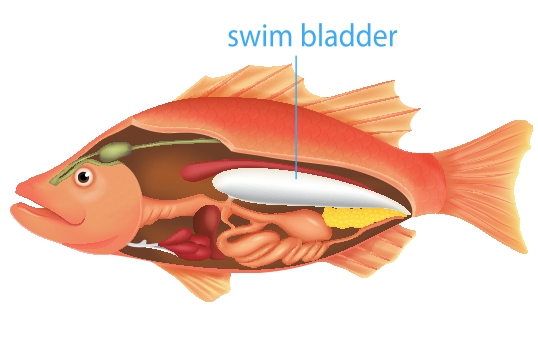
Before rain arrives, fish sense the approaching storm through their swim bladders, which act as internal barometers. As atmospheric pressure drops, typically 2 to 4 hours before rain begins, many species enter a pre-storm feeding window.
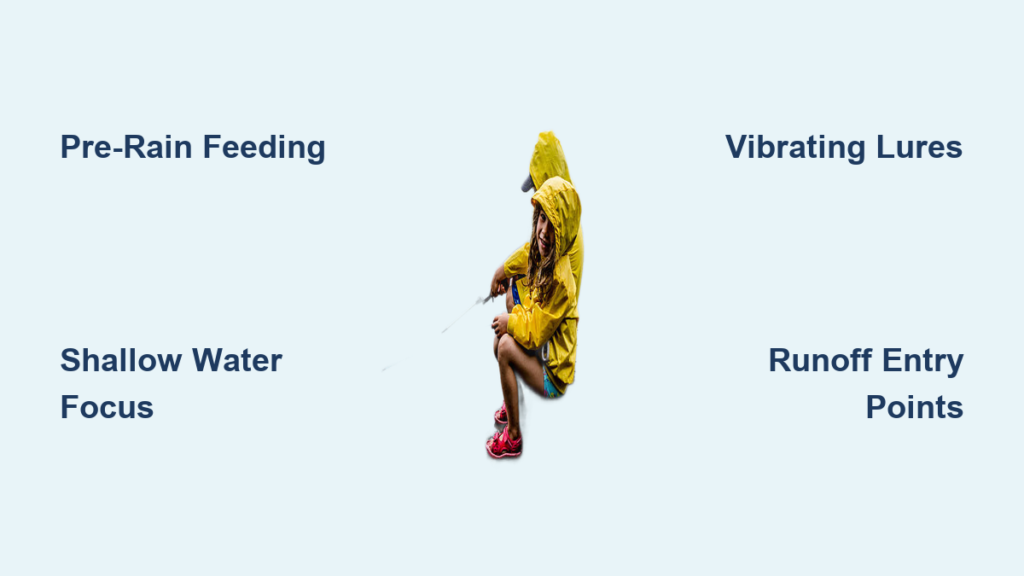
Fish Bite More Before Rain
Largemouth bass, trout, panfish, and inshore saltwater species often go on a feeding frenzy as pressure falls. This is one of the best times to fish, with higher strike rates and more aggressive takes.
Use fast-moving lures like crankbaits, spinnerbaits, or topwaters to cover water and trigger reaction bites. Many anglers report increased fish activity right before a weather front moves in, as fish sense that a storm is approaching and feed heavily while conditions are still manageable.
Target Shallow Zones Early
Fish move shallow in anticipation of rain, especially along points, weed edges, and rocky banks. Low light and falling pressure make them bolder, so they leave deep cover to hunt.
Focus on areas where runoff will soon enter, as these become future hotspots. The combination of falling pressure and approaching storm systems creates ideal conditions for finding active fish in surprisingly shallow water.
Rain Changes Water Clarity and Visibility
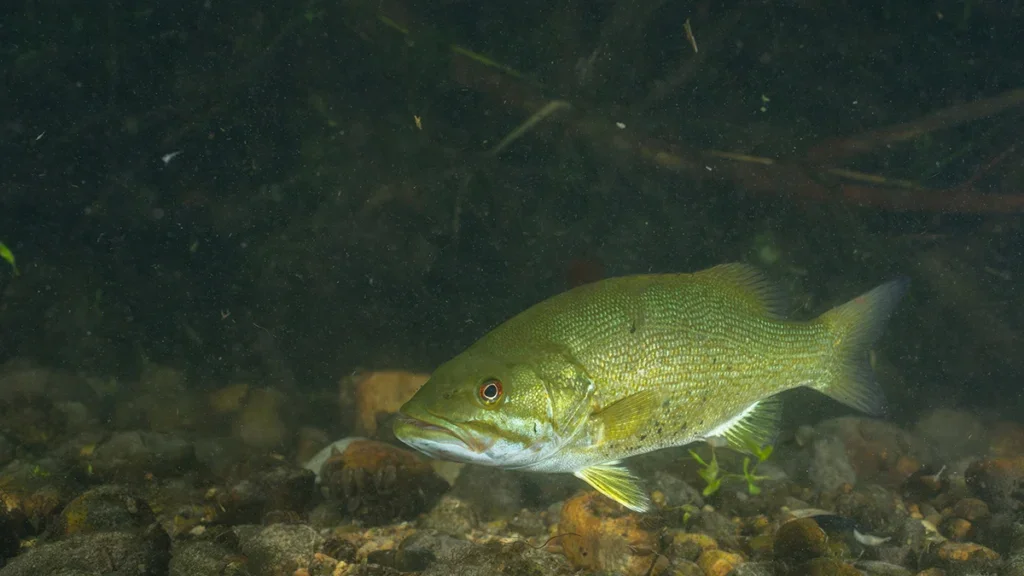
Once rain starts, runoff carries sediment, debris, and organic matter into lakes, rivers, and estuaries. This alters water clarity and creates new feeding edges that smart anglers exploit.
Murky Water Means Less Wary Fish
Rain stirs up silt and mud, reducing visibility and making fish less likely to spot anglers or boats. You can approach closer without spooking them, which is especially effective in clear lakes or flats where fish are normally skittish.
Find the Transition Zone
The edge between murky inflow and clear main water is a prime ambush point. Predators like bass, pike, and redfish hold along this line, waiting for disoriented prey.
Cast parallel to the edge and use lures with strong vibration. Fish often hold along this edge, using it as an ambush point for baitfish swept in by current.
Surface Disturbance Masks Angler Noise
Raindrops hitting the water create constant ripples and surface noise, which works to your advantage when understanding how rain affects fishing success.
Rain Reduces Fish Wariness
The sound and visual disruption from rain hide casting splashes, boat motors, and angler movement. Fish cannot see your silhouette clearly, so they are less likely to flee.
This allows you to fish tighter to cover like docks, laydowns, and weed beds. The surface noise creates a natural camouflage that many fish instinctively associate with feeding opportunities.
Fish Move Into Shallow Flats
With reduced light penetration, 40 to 60 percent dimmer, fish feel safer from birds and other predators. Species like smallmouth bass, walleye, snook, and redfish move onto shallow flats, oyster bars, and grassy shores they avoid on sunny days.
My most productive days are always when the weather is wet and dreary. I have had some monster days throwing a buzzbait or a crawler in the pouring rain.
Rain Boosts Oxygen and Cools Water
One of the biggest benefits of rain is its effect on dissolved oxygen, especially during hot summer months when fishing can otherwise be slow.
Oxygen Levels Spike After Rain
Each raindrop aerates the surface, increasing dissolved oxygen by 2 to 4 parts per million, a 15 to 30 percent boost. Higher oxygen means fish are more active, especially species like trout, smallmouth bass, and catfish.
In stagnant ponds or warm lakes, rain ends the midday slump and reignites feeding that would otherwise be suppressed by low oxygen conditions.
Summer Rain Reverses Heat Stress
Hot water holds less oxygen, forcing fish deep during the day. A summer thunderstorm cools shallow areas and re-oxygenates them, allowing fish to return to productive zones.
Target shorelines, flats, and flooded cover immediately after the rain starts. Summer thunderstorms cool overheated shallows and inject oxygen, allowing warm-stressed fish to move back into shallow feeding areas.
Runoff Brings a Food Bonanza
Rain washes insects, worms, grasshoppers, and even small animals into the water, creating a sudden influx of easy prey that triggers aggressive feeding.
Terrestrial Prey Fuels Feeding Spikes
Crickets, beetles, caterpillars, and nightcrawlers are swept into the water from banks and fields. Fish congregate near creek mouths, storm drains, culverts, and flooded shorelines to feed.
This dinner bell effect can trigger bites even in otherwise inactive fish. The sudden abundance of natural bait draws fish to mouths of creeks, culverts, or shallow banks where food collects.
Match Lures to Washed-In Prey
In fields and lawns, grasshoppers and crickets wash in, so use topwater bugs, frog lures, or hopper flies. Near wooded banks where worms and caterpillars enter, try plastic worms, grub tails, or wooly buggers. In urban areas where crustaceans and debris appear, use shad imitations, jerkbaits, or crawfish plastics.
Use larger, more visible dry flies when fly fishing, as rain masks presentation flaws and increases surface feeding activity.
Water Levels Rise and Expand Habitat
Rain increases water levels, flooding new areas and opening up previously inaccessible cover that holds both baitfish and predators.
Rising Water Creates New Feeding Grounds
Flooded bushes, grass, logs, and docks become hotspots for baitfish and predators. Fish roam these zones aggressively, especially bass and panfish looking for easy meals.
Use topwater lures, frogs, and weedless soft plastics to fish heavy cover without getting snagged. The newly flooded vegetation holds enormous potential for catching fish that have not yet seen many anglers.
Falling Water Creates Migration Paths
As levels drop, fish retreat to deeper channels, holes, or main lake basins. They stage along drop-offs, channel bends, and funnel points where they can ambush prey moving with the current.
This creates another bite window worth targeting with jigs, crankbaits, or slow-sinking plastics worked along these migration routes.
Species React Differently to Rain
Not all fish respond the same way to rainy conditions. Understanding species-specific patterns helps you choose the right tactics for the species you are targeting.
Largemouth Bass
Bass love stained water and flooded cover. They hit buzzbaits, poppers, and spinnerbaits hard during and after rain. Patrol edges of flooded brush rather than casting directly into it.
Smallmouth Bass
These fish move onto rocky points and shoals when light is low. Use rattle traps, craws, and topwater walkers to trigger strikes in shallow rock areas.
Panfish
Bluegill and crappie feed more in low light conditions. Target flooded bushes, docks, and brush piles with small jigs or live worms fished near the bottom.
Catfish
Channel and flathead catfish bite better after heavy rain, especially near inflows and current breaks. Use cut bait, stink baits, or live worms to catch these bottom feeders.
Trout
Trout benefit from pre-rain pressure drops and oxygen boost but avoid heavy runoff because siltation makes streams unfishable. Use nymphs or streamers near tributary mouths where food enters.
Redfish and Snook
These species exploit low visibility to hunt over grass flats, oyster bars, and docks. Target salinity gradients where freshwater meets salt water.
Adjust Tactics for Each Rain Phase
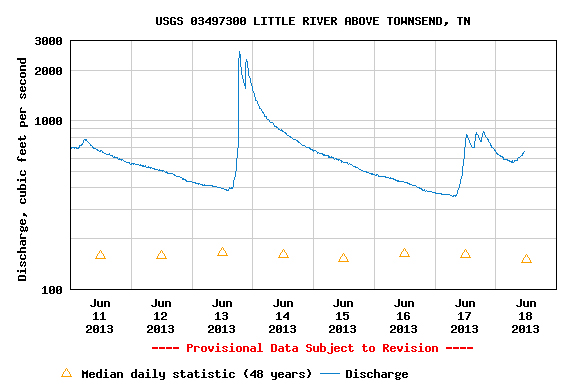
Fishing success depends on timing your efforts with the correct phase of the rain event. Each phase calls for a different strategy.
Pre-Rain
During pre-rain conditions, you have dark skies, falling pressure, and light wind. Fish are aggressive and wide-ranging.
Use crankbaits, spinnerbaits, and topwaters to find active fish quickly. This is when you should cover water fast and search for congregations of feeding fish.
During Light to Moderate Rain
With low light, surface disturbance, and rising water, fish become active, shallow, and less wary. Target creek mouths, flooded banks, and current breaks with vibrating lures and topwaters.
During Heavy Rain or Thunderstorm
Lightning, strong current, and poor visibility make fish retreat temporarily. If you hear thunder or see lightning, you should immediately stop fishing and seek shelter, as water is a powerful conductor of electricity.
Wait 30 minutes after the last thunderclap before resuming. Safety must always come first.
Immediately After Rain
Stabilizing pressure, cooling temperatures, and murky water mean fish are emerging from cover and feeding on runoff prey.
Use medium-diving crankbaits, jigs, and soft plastics along clean and muddy water edges. This transition period often produces excellent catches.
Post-Front Rising Pressure
With clear skies, calm winds, and high pressure, fish become lethargic and stick tight to deep cover. Switch to finesse tactics using drop shot, small jigs, or live bait with precise casts.
Choose the Right Lures for Rainy Conditions
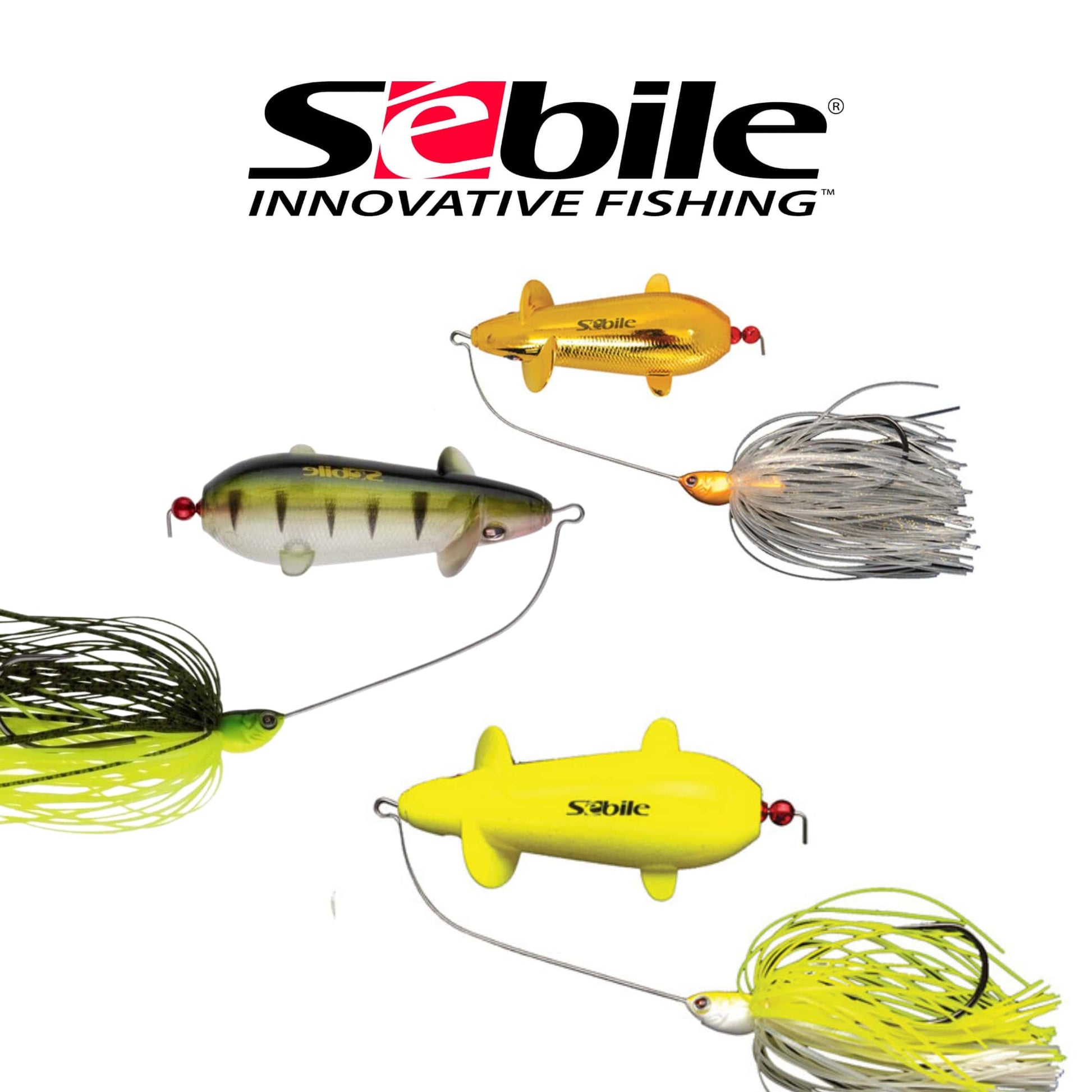
When visibility drops, fish rely more on vibration, sound, and scent than sight. This changes what lures work best.
Best Lure Types for Rain
When surface disturbance is high, use buzzbaits, poppers, or walking baits because rain masks noise and fish expect struggling prey on the surface. In low visibility conditions, spinnerbaits, chatterbaits, and lipless crankbaits work because vibration is detected via the lateral line.
For murky water, choose black, blue, or purple lures that create better silhouettes against the lighter surface. In stained water, shad or perch colors remain visible if clarity allows. When fishing heavy cover, soft plastics like worms and creature baits imitate worms and crayfish washed in by runoff.
Live Bait Works Year-Round
Nightcrawlers are highly effective because rain naturally washes worms into water. Minnows mimic baitfish swept in by current, while crayfish imitations work well near rocky or weedy inflow zones.
Avoid Common Rain Fishing Mistakes
Even experienced anglers make errors when fishing in the rain. Knowing what to avoid improves your success rate.
Fishing Too Deep
Most active fish move shallow during rain. Focus on 2 to 8 feet of water, especially near inflows and flooded cover. Deep fishing is rarely productive during active rain phases.
Using Subtle Presentations
Fish are in aggressive mode during rain, so do not use tiny jigs or light line. Upsize lures and add vibration to trigger reaction strikes. This is not the time for finesse tactics.
Quitting Too Soon
It can take 30 to 60 minutes for fish to adjust and start feeding. Stay patient as peak action often begins after the first hour. Many anglers leave too early and miss the best bite.
Ignoring Runoff Entry Points
Creek mouths, storm drains, and ditches are primary food delivery zones. Always check these areas first before fishing other locations.
Stay Safe and Comfortable on Wet Days
Fishing in the rain requires preparation for both fish and your own safety and comfort.
Lightning Safety Is Non-Negotiable
Follow the 30-30 Rule: if thunder follows lightning within 30 seconds, the storm is within 6 miles. Exit the water immediately and seek enclosed shelter or a hard-topped vehicle.
Wait 30 minutes after the last thunderclap before resuming. Never fish during electrical storms regardless of how good the bite might be.
Prevent Hypothermia
Wet clothes combined with wind cause rapid heat loss. Wear waterproof, breathable layers including a base layer, insulating mid-layer, and shell.
Carry extra gloves and a dry change of clothes in a dry bag. Plan ahead and keep rain gear accessible because weather shifts fast.
Watch for Flash Flooding
Heavy rain can cause sudden rises in river levels and dangerous currents. Never cross flowing water deeper than ankle level. Check river gauges before launching your boat.
Gear Up for Wet Conditions
Wear rainwear with sealed seams and hoods. Use non-slip, waterproof boots with aggressive tread. Keep a tarp for shelter and gear cover. Store phones and wallets in sealed compartments.
Rain Fishing by Season

The impact of rain varies throughout the year, changing your strategy depending on the season.
Spring Rain
Cold rain can cool surface water quickly, pushing warm-water species deeper. Use slower presentations and target 6 to 12 feet of water.
Summer Rain
This is the most productive season for rainy day fishing. Rain cools overheated shallows and boosts oxygen. Use topwaters and fast lures in shallow zones.
Fall Rain
Rain washes leaves, seeds, and insects into water, triggering pre-winter feeding. Focus on inflow zones and use slightly slower retrieves.
Winter Rain
Rain has minimal impact unless it brings warmth. Fish very slow in deep water and look for slight temperature rise.
Rain overrides normal light-based patterns, making fishing good at any time. Dawn and dusk during rain are exceptionally productive, but midday rain often beats midday sun.
Key Takeaways for Fishing in the Rain
Rain creates some of the most productive fishing conditions of the year when you understand how fish respond to meteorological changes. The combination of falling barometric pressure, reduced light, surface disturbance, increased oxygen, and food influx triggers aggressive feeding across numerous species.
Fish before and during light rain for the best bite windows. Target shallow water near runoff points where food concentrates. Use loud, vibrating, or surface lures because fish rely on their lateral line more than sight in low visibility. Match your lures to what rain washes in, whether worms, insects, or baitfish. Stay safe by never fishing during lightning and following the 30-30 rule. Be patient and give fish 30 to 60 minutes to adjust after rain begins.
With the right gear, safety precautions, and a bit of knowledge, fishing in the rain can turn a dreary day into one of the most productive on the water.
Frequently Asked Questions About How Rain Affects Fishing
Is fishing better before or during rain?
Fishing is often best before rain, 2 to 4 hours prior, due to falling barometric pressure triggering a feeding frenzy. During light to moderate rain also produces excellent results because of oxygen boost, food influx, and low light. Heavy thunderstorms may briefly suppress activity, but fishing rebounds quickly once rain lightens.
What is the best bait for fishing in the rain?
Topwater lures like buzzbaits and poppers work well because rain masks surface noise. Vibrating lures including spinnerbaits, chatterbaits, and lipless crankbaits trigger strikes through lateral line detection. Live bait such as nightcrawlers and minnows proves effective since rain naturally washes these into the water.
Does rain increase or decrease fish activity?
Rain increases fish activity through higher oxygen levels, reduced light, food influx, and favorable barometric pressure. Fish become more active and aggressive during and after rain in nearly all conditions, making wet weather often better than sunny days.
What time of day is best for fishing in the rain?
Rain overrides normal light-based patterns, making fishing good at any time. Dawn and dusk during rain are exceptionally productive because they combine natural feeding times with rain-enhanced conditions. Midday rain often outperforms midday sun.
Should you fish shallow or deep in the rain?
Focus on shallow water, 2 to 8 feet deep, where reduced light allows fish to feed safely. Target transitions, points, and runoff entry points where food concentrates. Some fish remain deep, but the most active feeders are typically shallow during rain.
How long after rain stops should you fish?
Two to 4 hours post-rain remains highly productive. Benefits persist as elevated oxygen continues, drifting food remains available, and gradual clarity improvement occurs. The transition period immediately after rain often produces excellent catches.