
You’ve likely heard anglers swear by barometric pressure like it’s some secret fishing dial. “The bite’s off because the pressure’s too high,” they say, or “Fish are feeding hard—barometer’s dropping.” But what’s actually happening beneath the surface? The truth might surprise you. Air pressure doesn’t directly control fish activity, but it does signal major weather shifts that trigger very real behavioral changes. Understanding the difference between what pressure indicates versus what actually causes fish to bite can transform your fishing strategy.
This guide cuts through the myths and reveals what really drives fish behavior when weather systems change. You’ll learn what actually matters when the barometer moves, how different species respond, and most importantly, how to adjust your tactics for better catches in any conditions.
How Barometric Pressure Works for Anglers
Barometric pressure measures the weight of air pressing down on the water’s surface. At sea level, standard pressure sits around 29.9 inches of mercury, 760 mm Hg, or 101.3 kPa. High-pressure systems bring clear skies and stable weather, while low-pressure systems mean clouds, wind, and storms. These shifts press down on lakes and rivers, creating the environmental changes that fish actually respond to.
What the Numbers Mean for Fishing
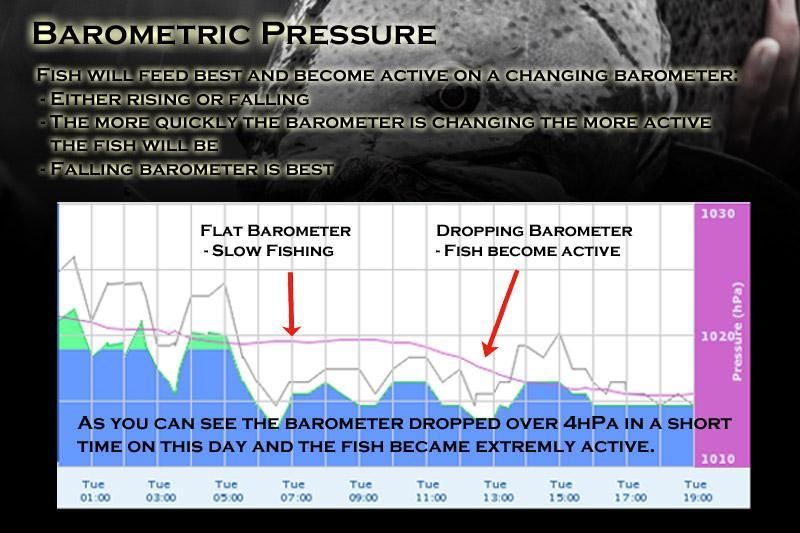
Daily solar heating causes minor pressure peaks around 10 a.m. and 10 p.m., with lows at 4 a.m. and 4 p.m. But the big fishing-relevant changes come with weather fronts. Tracking pressure trends matters more than watching a single number. A steady drop signals an incoming storm, while a sharp rise means clear skies ahead.
Tools for Monitoring Pressure
You don’t need expensive equipment to track pressure. Handheld digital barometers work well, or use smartphone apps like My AcuRite or Weather Underground. Fishing-specific tools like the AcuRite Fishing Activity Meter combine pressure, moon phase, and temperature data to predict bite windows. The key is watching whether pressure is rising, falling, or steady.
Can Fish Feel Pressure Changes
Water is 800 times denser than air, and depth creates far more pressure than weather ever does. Every 33 feet of depth adds one atmosphere of pressure. A one-foot change in depth equals roughly one inch of mercury—the same magnitude as a major storm’s pressure drop. When a storm lowers air pressure by 0.5 in Hg, it’s like a fish rising just six inches in the water column. Fish do that constantly when chasing food.
The Swimbladder Myth Debunked
Many believe falling pressure makes fish bloated because their swimbladders expand. Let’s look at the math. A two-pound bass has a swimbladder of about 25 to 30 mL. A one-inch mercury drop causes roughly 10% expansion, or about 3 mL, which is less than half a teaspoon. That’s smaller than the space a full stomach takes up. Fish adjust by moving down a few feet over hours. Their bodies handle this slowly with no discomfort or panic.
Why Fish Don’t Read Barometers
Fish lack dedicated barometers and cannot distinguish between pressure changes from depth versus atmosphere. Their lateral line detects vibrations and movement but not sustained atmospheric trends. Even rapid vertical movement of just inches produces larger pressure shifts than weather systems create. Fish are already adapted to these variations through normal behavior.
The Real Triggers Behind Fish Activity
Fish don’t care about the barometer, but they absolutely respond to what comes with pressure changes. Light levels change first when pressure falls, and that’s the number one trigger for fish activity. Cloud cover reduces light penetration, and fish feed more aggressively at dawn, dusk, and under overcast skies. Bright sun makes fish cautious because predators are more visible. Cloud cover lets fish move shallow and hunt boldly.
Wind and Oxygen Matter More
Low pressure brings wind, and wind creates waves that aerate the water. More oxygen means more active fish. Choppy water breaks up light and surface glare, while baitfish scatter and trigger predator strikes. Even when pressure slightly reduces oxygen solubility, wind more than compensates. The bite often picks up before pressure drops much because the clouds arrive first.
Temperature Swings Have Bigger Impact
Cold fronts after high pressure can drop water temperatures fast. In spring, a cold front shuts down bass, and they retreat deep. In late summer, that same cold front cools hot water and walleye or pike wake up. Sudden temperature changes shock fish metabolism far more than pressure ever could. Temperature, not pressure, often decides whether fish eat or sulk.
Fishing Strategies by Pressure Phase
Falling Pressure Brings the Best Bite

When pressure falls between 29.6 and 29.9 inches of mercury, expect cloudy skies, wind, and approaching rain. Fish become aggressive, move shallow, and feed actively. Dim light, rising wind, and disoriented prey create perfect conditions.
Best tactics during falling pressure include using topwater lures like poppers and walkers, crankbaits and jerkbaits, fast retrieves, and noisy baits. Target weed edges, points, and shallow flats. Fish the six to 12 hours before rain hits—that’s peak bite time.
Low Pressure Means Continued Action
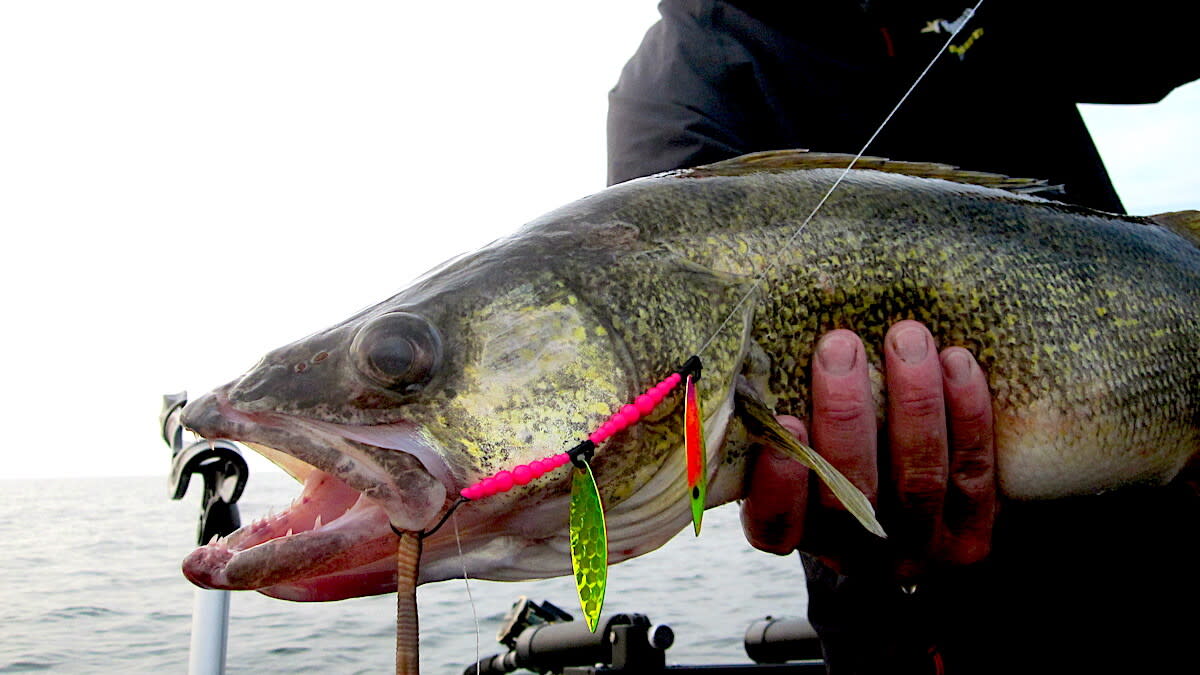
When pressure drops below 29.6 inches, expect overcast, rainy, rough water. Fish remain active, especially ambush predators. Low visibility helps predators while baitfish become disoriented.
During low pressure, use spinnerbaits and chatterbaits, swim jigs in stained water, and focus on drop-offs and channel edges. Dark, flashy lures work well in lower visibility. Heavy rain can muddy the water, so adjust lure colors to black, blue, or chartreuse.
Rising Pressure Slows the Bite

After a front passes and pressure rises, skies clear, temperatures drop, and conditions calm. Fish become lethargic, move deeper, and get cautious. Light increases, water cools, and stability returns.
When pressure rises, switch to slow presentations like drop shots, Ned rigs, and live bait. Use natural colors like green pumpkin, brown, or gray. Fish deeper structure including ledges, humps, and rock piles. This is when finesse wins. Don’t rush.
High Pressure Creates Tough Conditions
When pressure exceeds 30.5 inches with sunny, calm, clear skies, fish become least active. They hide, go deep, or stay under cover. Bright light means high predator risk.
During high pressure, fish early morning or late evening only. Use stealthy approaches with light line and long casts. Target shaded banks, docks, and submerged timber. Try suspending jerkbaits or small jigs. Even a slight breeze helps.
Species-Specific Reactions to Pressure

Largemouth Bass
Bass react strongly to pressure changes but mainly through light and cover. During falling pressure, they hunt shallow and hit topwater aggressively. During high pressure, they hug heavy cover or go deep. The key trigger is light, not pressure. On sunny days, flip soft plastics into thick weeds.
Walleye
Walleye prefer low light and show peak activity at dawn, dusk, and during overcast conditions. Spring cold fronts stop shallow spawning bites. Late summer cold fronts that cool surface water improve surface feeding. Use jig-and-minnow or crawler harness on rising water.
Crappie and Panfish
These fish school tightly and follow plankton movements. They perform best during falling or stable pressure. After cold fronts, they leave shallow flats fast. Target deep brush piles or bridge pilings post-front.
Northern Pike
Pike are ambush predators that love stained, choppy water. They’re less affected by pressure due to their deep-ranging behavior. Wind-blown points are prime real estate. Use large spoons or bucktails in low visibility.
Trout
Trout are cold-water lovers that hate warm, bright days. During high pressure and sun, they stay deep or under cover. During overcast and windy conditions, they rise to surface for dry flies. Best times are mornings and evenings during stable or falling pressure.
Using Pressure Data to Your Advantage
Time Your Trip Right
The best fishing happens six to 12 hours before a storm when pressure is falling. The worst fishing comes on the first day after a high-pressure system settles with clear skies. Plan weekend trips around weather forecasts, not just pressure numbers. Focus on clouds, wind, and temperature trends.
Match Your Lure to Conditions
During falling pressure, use topwater lures and crankbaits with fast, erratic retrieves. During low pressure, use spinnerbaits and swimbaits with medium to fast retrieves. During rising pressure, use drop shots and jigs with slow, subtle movement. During high pressure, use Ned rigs and live bait with ultra-slow presentations. On high-pressure days, go smaller. A two-inch finesse worm beats a six-inch stick bait.
Pick the Right Spot
Shallow fish like bass and crappie react more to pressure shifts than deep fish like lake trout or deep walleye. Focus on transition zones where fish gather during changeovers. Weed edges, points, and creek channels hold fish during weather shifts.
Combine Pressure with Other Tools
Don’t rely on pressure alone. Use it alongside moon phase apps, water temperature gauges, wind forecasts, and fishing logs. Track what works locally. Devices like the AcuRite Fishing Activity Meter blend multiple factors to predict bite windows.
Debunking Common Pressure Myths
Myth: High Pressure Makes Fish Nauseous
This common myth has no scientific basis. Fish aren’t humans. They don’t get the bends from pressure changes. Their swimbladders adjust slowly over hours. There’s no evidence showing discomfort from normal weather shifts.
Myth: Fish Feed Before Storms Because They Sense Pressure
Fish can’t distinguish atmospheric pressure from depth changes. Their lateral line detects vibration, not barometric trends. They’re not predicting storms. They’re reacting to clouds and wind that arrive before the pressure drops much.
Myth: You Need Perfect Pressure to Catch Fish
Great fishing happens in all conditions. The key is adapting your approach, not waiting for ideal numbers. Some of the best days happen during falling pressure, but solid catches occur during high pressure too if you adjust tactics.
Key Takeaways for Fishing in Any Weather
Watch the sky, not just the gauge. Clouds and wind tell you more than pressure alone. Fish before the storm, not during. Peak activity comes six to 12 hours before rain hits. Slow down after the front. Finesse beats flash when pressure rises.
Keep a fishing log recording pressure, weather, time, and catches to spot local patterns. Don’t blame pressure for bad days. More often, it’s your lure choice, location, or timing that needs adjustment.
Air pressure is a useful indicator, not a cause. It’s the clouds, wind, light, and temperature that drive fish behavior. By understanding the real triggers, you’ll stop guessing and start catching, rain or shine, high or low.
Frequently Asked Questions About Air Pressure and Fishing
Does falling pressure actually make fish feed more?
Falling pressure does correlate with increased feeding activity, but not because fish feel the pressure change. The real trigger is reduced light from cloud cover that arrives with approaching storms. Fish become more aggressive in dim conditions because they feel safer from predators.
What is the best barometric pressure for fishing?
Falling pressure between 29.6 and 29.9 inches of mercury typically produces the best fishing. This pre-storm condition brings clouds, wind, and active fish. However, fish still bite during high pressure if you use the right tactics.
Why do fish stop biting when pressure rises?
When pressure rises, skies clear, light increases, and water temperature often drops. Fish become more cautious and retreat to deeper water or heavy cover. Switch to slower, more subtle presentations to trigger bites during this period.
Can fish feel barometric pressure in their swimbladders?
Fish swimbladders do expand slightly when pressure drops, but the change is minimal. For a typical bass, a major pressure drop causes about 10% expansion, which is smaller than a full stomach. Fish adjust easily by moving a few feet deeper. There’s no evidence this causes discomfort.
How long does it take for fish to adjust to pressure changes?
Fish adjust to pressure changes over several hours through gradual vertical movement. They’re constantly moving in the water column anyway, so atmospheric pressure shifts are well within their normal adaptation range. The adjustment happens naturally without any impact on feeding behavior.