
You’re standing in the tackle shop, surrounded by dozens of fishing rods, each with different lengths, colors, and labels like “fast action” or “medium-heavy.” How do you know which one is right for you? Picking the right fishing rod isn’t about guessing or grabbing the shiniest model. It’s about matching the rod to your target fish, fishing style, and environment. The wrong rod can turn a fun day on the water into frustration with poor casts, broken lines, and missed bites. But the right rod makes casting smoother, detecting strikes easier, and landing fish more rewarding.
The key is understanding four core factors: length, material, action, and power, plus how they work together with your reel and technique. Whether you’re a beginner casting from shore or an experienced angler chasing bass in heavy cover, this guide breaks down exactly how to pick a fishing rod that fits your needs. No fluff, no guesswork, just clear, actionable insights to help you make the right choice.
Match Rod Length to Your Fishing Environment

Rod length directly affects casting distance, leverage, and control. The right length depends on where you fish and what you’re trying to catch.
Short Rods for Tight Spaces and Power
A 4-foot to 6’6″ rod gives you maximum control in confined areas. Use it when fishing from a kayak, small boat, or shoreline packed with trees and brush. These rods excel at precision casting and delivering strong hook sets because their shorter length increases leverage. They’re ideal for techniques like flipping and pitching into thick cover where you need to yank a fish out fast before it buries itself.
But do not assume short rods are best for beginners. They can be harder to cast properly, especially for kids or new anglers, because the short lever makes timing more critical. Poor form can cause the hook to swing dangerously close to your body. If using a short rod, practice casting safely away from people and obstacles.
Medium Rods for All-Around Use
A 6’6″ to 7’3″ rod strikes the perfect balance between casting distance and accuracy. This range is ideal for most freshwater fishing including walleye, trout, panfish, and small salmon. Anglers who want one rod that does everything should start with a 7-foot model, widely considered the best all-around choice.
This length works well from shore, wading, or a boat. It loads easily with light lures, casts accurately, and provides enough reach to manage fish without sacrificing sensitivity. Pair it with a spinning reel, and you have a setup that is beginner-friendly but still effective for experienced anglers.
Long Rods for Distance and Line Control
Rods over 7’3″ up to 14 feet are built for covering water and maximizing casting distance. The longer the rod, the more line you pick up with each crank of the reel, which is crucial when trolling or fighting big fish in open water. These rods shine in surf fishing, pier fishing, or wading in wide rivers where you need to reach far beyond the shoreline.
Long rods also help keep your line high during retrieves, reducing drag and improving lure action. However, they are harder to maneuver in tight spots and can feel tiring over long sessions. Choose a long rod only if your fishing environment demands reach and power, not just because it looks impressive.
Choose the Right Rod Material

The construction material dictates the rod’s weight, sensitivity, durability, and cost. Your choice should match your experience level and fishing conditions.
Graphite for Sensitivity and Speed
Graphite rods are lightweight, stiff, and highly sensitive, perfect for detecting subtle bites and setting hooks quickly. They transmit vibrations from your lure to your hand, so you can feel every bump, tick, or nibble. That makes them ideal for finesse fishing, twitching jerkbaits, or targeting species like bass and trout that strike lightly.
Higher modulus graphite like IM7 or IM8 means stiffer fibers, allowing manufacturers to build lighter, more responsive rods. But graphite is brittle. Drop it on concrete or jam it in a car door, and it might crack. Handle with care, especially around hard surfaces. Graphite rods cost more, but serious anglers appreciate the performance edge.
Fiberglass for Durability and Forgiveness
Fiberglass rods are heavier and less sensitive than graphite, but they are nearly indestructible. They flex deeply under pressure, absorbing shocks that would snap a graphite blank. That makes them great for trolling, fishing around rocks, or targeting aggressive fish like pike and muskie.
They are also the best choice for beginners and kids. A fiberglass rod will not break from a dropped rod or a bad cast, and its forgiving nature helps new anglers learn without constant frustration. While you will not feel every tiny bite, you will know when a fish is on, often with a strong tug you cannot miss.
Composite for Balanced Performance
Composite rods blend graphite and fiberglass to deliver the best of both worlds. Typically, they have a graphite tip for sensitivity and a fiberglass lower section for strength. The result is a rod that is lighter than pure fiberglass but tougher than full graphite.
These rods are excellent for anglers who fish in varied conditions, switching between light lures and heavy cover, and want one rod that handles multiple roles. They are often more expensive due to complex construction, but the versatility justifies the cost for many.
Understand Rod Action: Where It Bends
Action defines where the rod bends under load. This influences casting style, hook-setting speed, and fish-fighting dynamics.
Fast Action for Quick Hook Sets
A fast action rod bends only in the top third, creating a stiff backbone with a flexible tip that delivers instant power when you set the hook. It is ideal for single-hook lures like soft plastics, jigs, and jerkbaits where a sharp, fast set is critical.
Fast action rods also provide crisp, energetic movements to your lure, perfect for twitching or popping topwater baits. They are favored by bass and saltwater anglers fishing in heavy cover where you need to pull fish out fast before they wrap your line around a log or rock.
Medium Action for Versatility and Shock Absorption
Medium action rods bend in the top half, giving them a smoother, more forgiving feel that absorbs sudden head shakes and lunges. That reduces the chance of pulling hooks out of a fish’s mouth, especially when using treble hooks on crankbaits or spoons.
These rods cast farther than fast action models because they load deeper during the cast. They are excellent all-around choices for walleye, salmon, and general freshwater fishing. If you are unsure what action to pick, start with medium. It is the most adaptable.
Slow Action for Light Tackle and Finesse
Slow action rods bend all the way to the handle, creating a full parabolic curve. This makes them extremely forgiving, protecting light lines from breaking under sudden pressure. They are perfect for small lures, live bait, and ultra-light setups used for panfish and trout.
While they offer smooth casting and excellent line protection, slow action rods require more time and effort to set the hook. The deep bend delays power transfer, so they are not ideal for large fish or heavy cover. Use them when delicacy matters more than brute strength.
Select the Correct Power Rating

Power refers to how much force it takes to bend the rod. It determines what size lures and line you can use and what kind of fish you can handle.
Match Power to Target Species
Power classifications help you match the rod to your target fish. Ultra Light works for panfish and small trout using 2 to 6 pound test line and tiny lures. Light power is good for finesse fishing and small species, handling 4 to 8 pound line. Medium is the most versatile, working for walleye, bass, and trout with 6 to 12 pound line. Medium Heavy is best for bass fishing with bigger lures, using 10 to 20 pound line. Heavy power handles pike, muskie, or saltwater fish with 15 to 30 pound line. Ultra Heavy is built for tuna, marlin, and deep-sea giants, requiring 30 plus pound line.
Pick the power based on your target fish. A medium-heavy rod is ideal for bass, while a light rod would struggle with anything over 3 pounds.
Avoid Line and Lure Mismatches
Every rod lists a recommended line weight and lure weight range. Follow it. Using line heavier than the rod’s rating increases stress on the blank and can cause breakage. Too light, and the rod will not perform well.
The same goes for lures. Underweight lures will not load the rod during casting, leading to short, inaccurate throws. Overweight lures can snap the tip or damage the blank. For example, if your rod says “1/4 to 3/4 ounce,” do not throw a 1-ounce weight. Stay within the printed specs for safety and performance.
Pair Your Rod with the Right Reel

The rod type must match the reel mechanism and your intended fishing style. Getting this pairing wrong affects everything from casting ease to hook-setting power.
Spinning Rods for Easy Casting
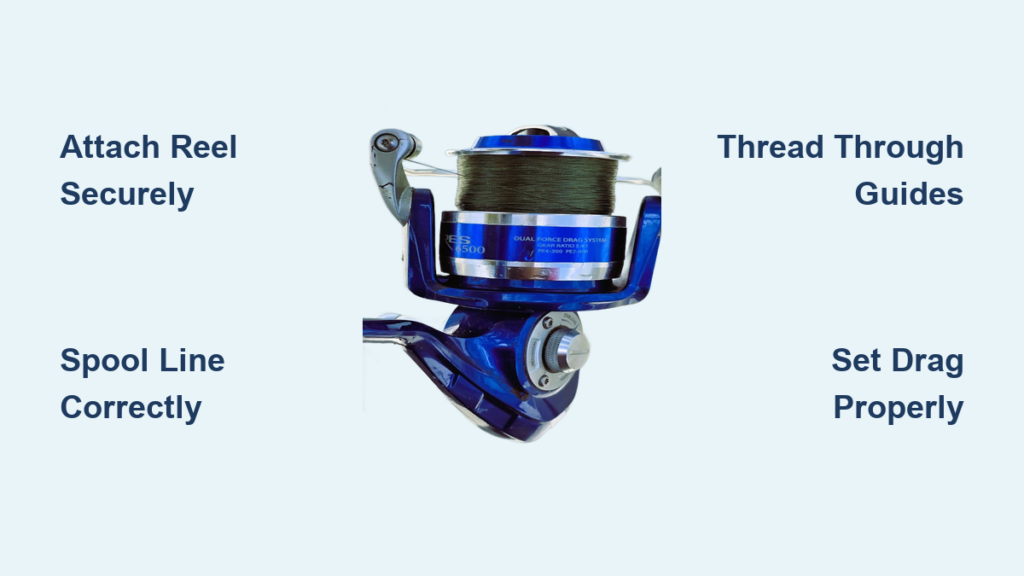
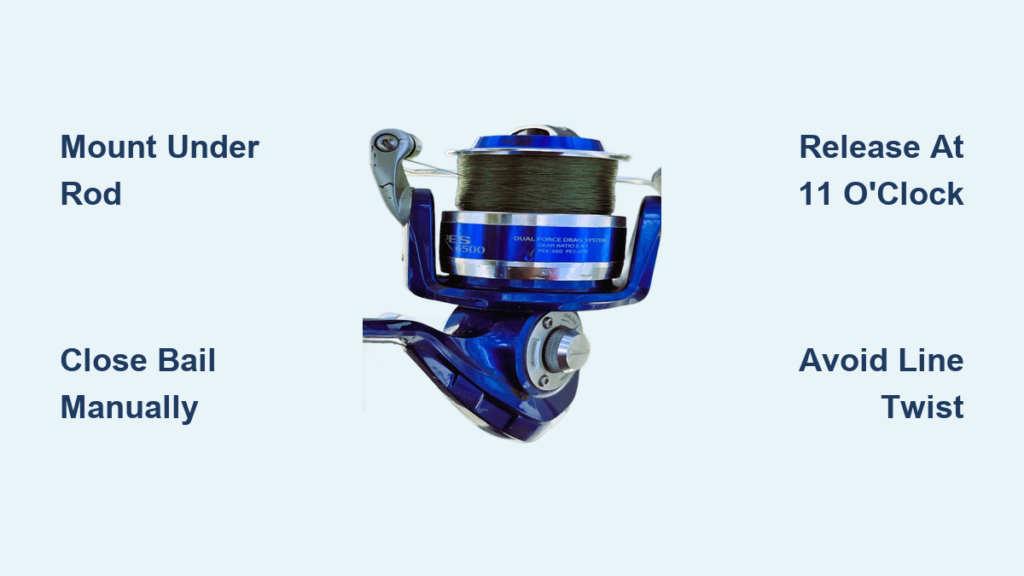
Spinning rods have the reel mounted underneath with guides facing down. They are the easiest to use, perfect for beginners. The large first guide prevents line tangles and allows smooth casting even with light lures.
Use spinning rods for finesse techniques, live bait, vertical jigging, and general freshwater fishing. They are less prone to backlash than baitcasting reels, making them ideal for learning. Just ensure your reel size matches the rod’s length and power, typically a 2000 to 3000 size for medium rods.
Baitcasting Rods for Precision and Power
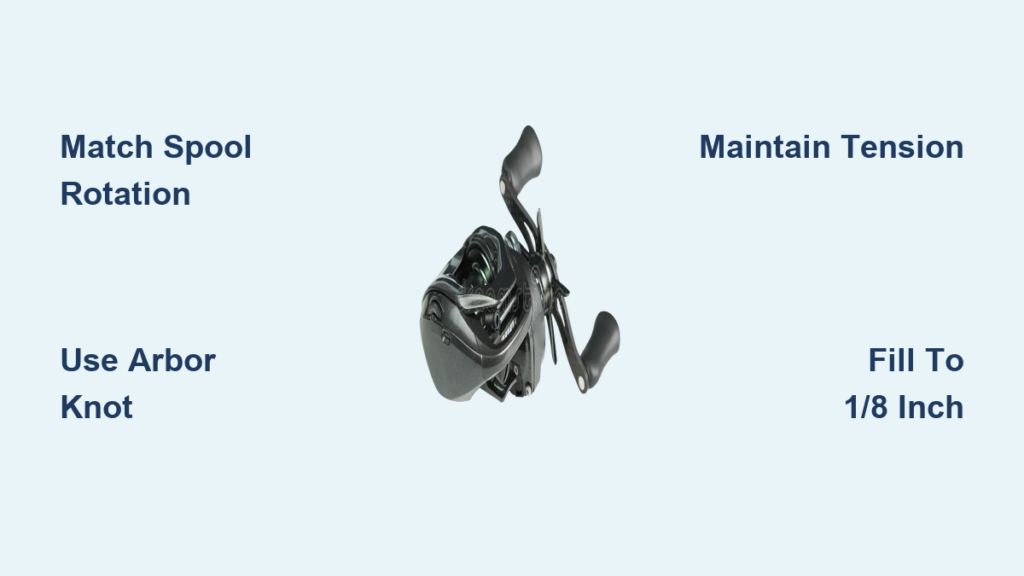
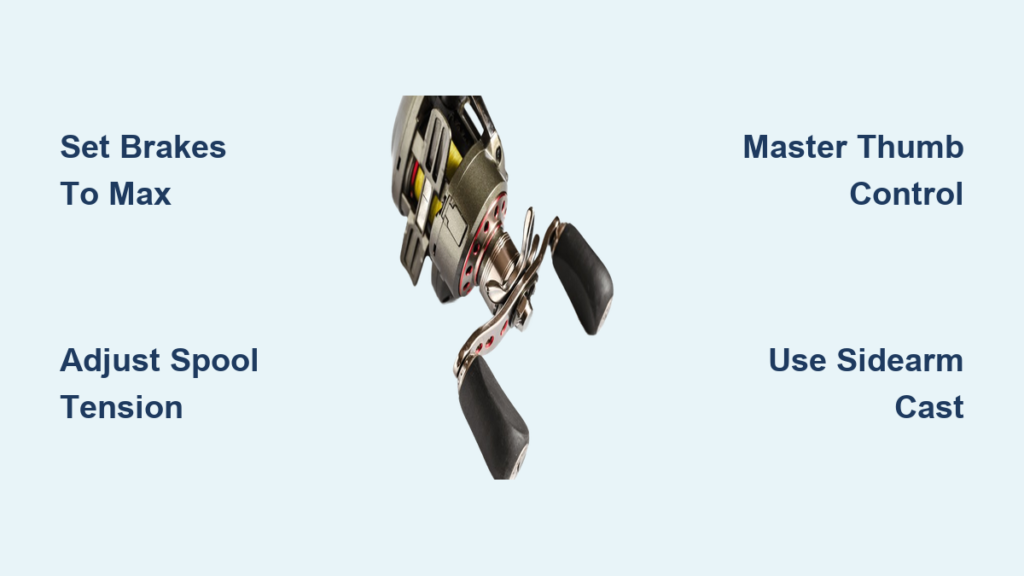
Baitcasting rods have the reel on top with guides facing up. They offer superior accuracy, control, and power, ideal for heavy lures, flipping into cover, and targeting big fish. Many have a trigger grip for fingertip control during casting.
But baitcasting reels have a learning curve. Improper thumb pressure causes bird’s nests, tangled line that takes time to fix. Only choose this setup if you are willing to practice. Pair with a medium-heavy or heavy rod for bass, pike, or saltwater species.
Spincasting Rods for Kids and Simplicity
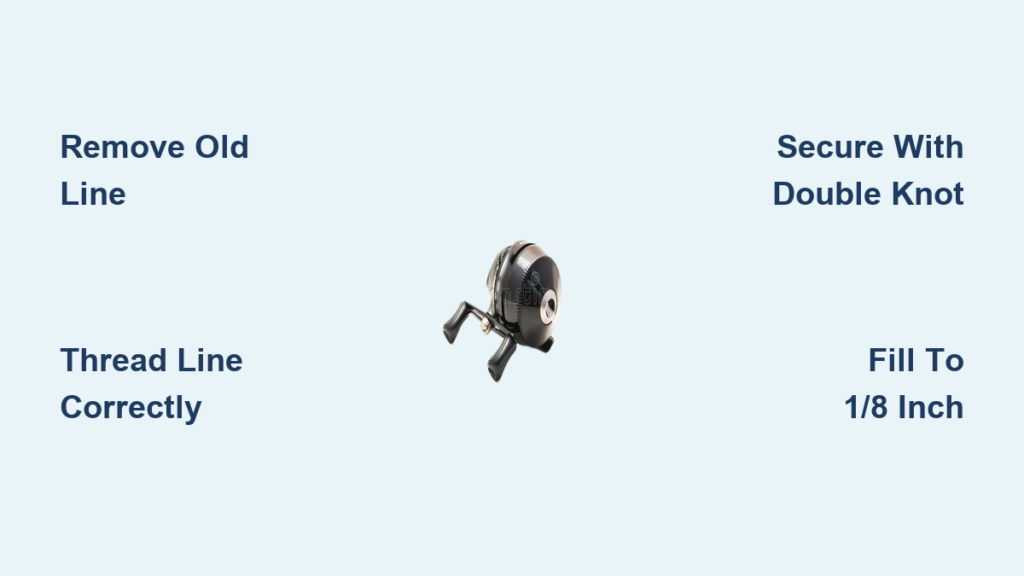
Spincasting rods use a push-button reel mounted on top. They are the simplest to operate, great for young children or first-time anglers. Just press the button and cast.
However, the bulky reel can be hard for small hands to manage, and drag systems are often weak. Use them for light fishing in ponds or calm lakes, but upgrade to a spinning setup as skills improve.
Optimize Handle, Guides, and Joints
Component quality affects comfort, sensitivity, and long-term durability. Do not overlook these details when making your selection.
Choose Handle Material for Feel and Durability
Your grip affects comfort, sensitivity, and control. Cork is lightweight, warm to the touch, and highly sensitive, preferred by serious anglers, but it absorbs water and odors and needs occasional cleaning. EVA foam is durable, easy to clean, and affordable, feeling less premium than cork but holding up better in rough conditions. Carbon fiber is a high-end option that is light, stiff, and extremely sensitive, found on premium rods.
Split grips reduce weight and improve balance. Full grips allow two-handed casting for extra power when fighting large fish.
Check Guide Quality and Alignment
Guides direct the line and reduce friction. Look for ceramic-coated guides. They are smooth, reduce heat, and protect your line. Avoid rods with plain metal guides. They wear down line quickly.
On multi-piece rods, ensure guides align in a straight line when assembled. Misaligned guides cause line drag and reduce casting distance.
One-Piece vs. Multi-Piece Rods
One-piece rods offer the best sensitivity and action continuity. But they are hard to transport. Multi-piece rods with 2 to 5 sections trade a small amount of performance for portability. For travel or tight spaces, a 2-piece rod is a smart compromise.
Pick the Right Rod for Your Skill Level

Your experience level significantly impacts which rod will help you succeed versus frustrate you.
Best Setup for Beginners
Start with a 7-foot, medium power, fast action spinning rod. It is versatile enough for bass, panfish, and trout, casts easily, and teaches good technique. Pair it with a 2000-size spinning reel and 8-pound monofilament.
Avoid ultra-light, slow-action rods. They are hard to cast and lead to frustration. A slightly stiffer rod helps beginners learn timing and control without constant tangles.
Rods for Kids: Safety and Growth
For children, pick a rod 1 to 1.5 feet longer than their height, up to 5 feet tall. A 6 to 7 foot rod gives better leverage and keeps hooks away from their body.
Use a spinning reel, not spincasting, for better control and smaller size. Fiberglass rods are ideal because they are durable, forgiving, and affordable. Kids outgrow rods quickly, so focus on durability and fun, not high-end specs.
Specialized Rods for Specific Techniques
Different fishing techniques require different rod characteristics. Matching your rod to your technique dramatically improves your success.
Jerkbait and Twitching Rods
Use a 6’10” medium-fast action rod. The shorter length keeps the tip from hitting the water during rod-down retrieves. The fast tip delivers sharp twitches to make your bait dart erratically, triggering reaction strikes.
Lipless Crankbait and ChatterBait Rods
Go with a 7’5″ medium-heavy moderate-fast action rod. The extra length increases casting distance and helps lift heavy lures from thick weeds. The moderate flex absorbs shock during aggressive retrieves, preventing hook pulls.
Topwater Fishing Rods
Longer rods of 8 feet or more are best. They maximize casting distance and keep your line off the water’s surface, reducing drag and improving lure action. Pair with a medium-heavy power for explosive strikes.
Finesse and Trout Rods
For delicate presentations, use a 7 to 8 foot light power slow action rod. It casts small baits accurately and protects light line. Great for small streams or clear lakes where fish are easily spooked.
Saltwater vs. Freshwater: Know the Difference
Saltwater rods are built tougher with corrosion-resistant guides, reel seats, and hardware. Even if you plan to fish both, only use a rod rated for saltwater in the ocean. Freshwater rods will rust quickly and fail under pressure.
If you want one rod for both, buy a saltwater-rated model and rinse it thoroughly after each use. Never assume a freshwater rod can handle salt.
Final Tips for Choosing and Caring for Your Rod
Follow the Five-Step Selection Process
Start by defining your target species, which determines power and line weight. Next, consider your fishing environment, which dictates length. Then match your technique and lure to the action. Assess your skill level to choose between medium power and spinning reels or more advanced setups. Finally, verify compatibility by ensuring your reel and line match the rod’s printed specifications.
Avoid Common Mistakes
Do not buy a rod based on looks alone. Never exceed the lure or line weight rating. Check guides for cracks because damaged guides shred line. Rinse saltwater rods immediately after use.
Invest Wisely
For occasional fishing, a mid-range rod costing $50 to $100 is sufficient. Serious anglers benefit from high-end models with better sensitivity and balance. For kids, prioritize durability over performance. Replaceable tips and fiberglass blanks save money in the long run.
Frequently Asked Questions About Picking a Fishing Rod
What is the best fishing rod length for beginners?
A 7-foot rod is widely considered the best all-around length for beginners. It offers a balance between casting distance and accuracy that works for most freshwater species. This length is easy to control from shore or a boat and pairs well with spinning reels, which are the most beginner-friendly reel type.
How do I match my rod to my reel?
Match the reel type to the rod design. Spinning rods have guides facing down and mount the reel underneath. Baitcasting rods have guides facing up with the reel on top. Also ensure the reel size matches the rod length and power. A 2000 to 3000 size spinning reel works well with a 7-foot medium power rod.
What rod action is best for bass fishing?
Fast action rods are preferred for bass fishing, especially when using single-hook lures like soft plastics, jigs, and jerkbaits. The stiff backbone allows quick hook sets, critical when fishing in heavy cover where you need to pull fish out fast before they escape.
Can I use a freshwater rod in saltwater?
Only if the rod is explicitly rated for saltwater use. Freshwater rods lack corrosion-resistant components and will rust quickly when exposed to salt. Using a freshwater rod in saltwater can cause catastrophic failure mid-fight with a fish.
What does rod power mean?
Power refers to how much force it takes to bend the rod. It determines what line weight and lure weight the rod can handle. Ultra Light power works for small panfish while Ultra Heavy power handles giant game fish. Match the power to your target species for the best performance.
Key Takeaways for Picking Your Perfect Fishing Rod
The best fishing rod is not the most expensive or the longest one. It is the one that matches your fishing style, target species, and skill level. Focus on length first by choosing short rods for tight spaces, medium rods for all-around use, and long rods for distance. Next, consider material. Graphite offers sensitivity, fiberglass provides durability, and composite gives you both. Then match action and power to your target fish and technique. Finally, ensure your reel is compatible with your rod type. By following this systematic approach, you will make a confident, informed choice that turns more casts into catches.