
Choosing the right fishing line isn’t just a detail, it’s a game-changer. The line you spool directly affects how far you cast, how well you feel bites, how solid your hook sets are, and whether you land the fish or lose it to a break-off. With three main types, monofilament, fluorocarbon, and braided line, the best choice depends on water clarity, target species, cover type, and technique. There’s no universal winner. Success comes from matching the line’s strengths to your specific fishing scenario.
This guide breaks down exactly how to pick fishing line by comparing performance, cost, durability, and ideal uses, so you can make confident, informed decisions every time you re-spool.
Match Line to Water Clarity

Clear Water Demands Stealth
In crystal-clear lakes or shallow flats, fish see everything, including your line. That’s where fluorocarbon shines. With a refractive index nearly identical to water, it’s virtually invisible underwater. This makes it the top pick for pressured bass, wary trout, or any finicky species in high-visibility conditions.
Use fluorocarbon as a 3 to 6 foot leader when spooling braid, or as a main line for finesse tactics like drop shots, Ned rigs, or shaky heads. Even a slight reduction in visibility can mean more bites.
Murky Water Allows Bold Lines
When visibility drops due to runoff, algae, or deep water, line stealth matters less. Here, braided line becomes a powerful option. Its high visibility doesn’t spook fish in stained or muddy water, and its sensitivity lets you feel bites through the murk.
Green or gray braid blends well in dirty water. Pair it with soft plastics or jigs fished on the bottom. Monofilament also works well here, especially for topwater lures where buoyancy and stretch are more important than invisibility.
Blue Line for Deep or Offshore Water
In deep freshwater or offshore saltwater, light filters out reds and yellows, leaving a blue hue. Blue-colored lines, especially braid or mono, blend into this environment. Offshore anglers often use blue braid for trolling or deep jigging because it disappears at depth.
Choose Line Based on Cover Type
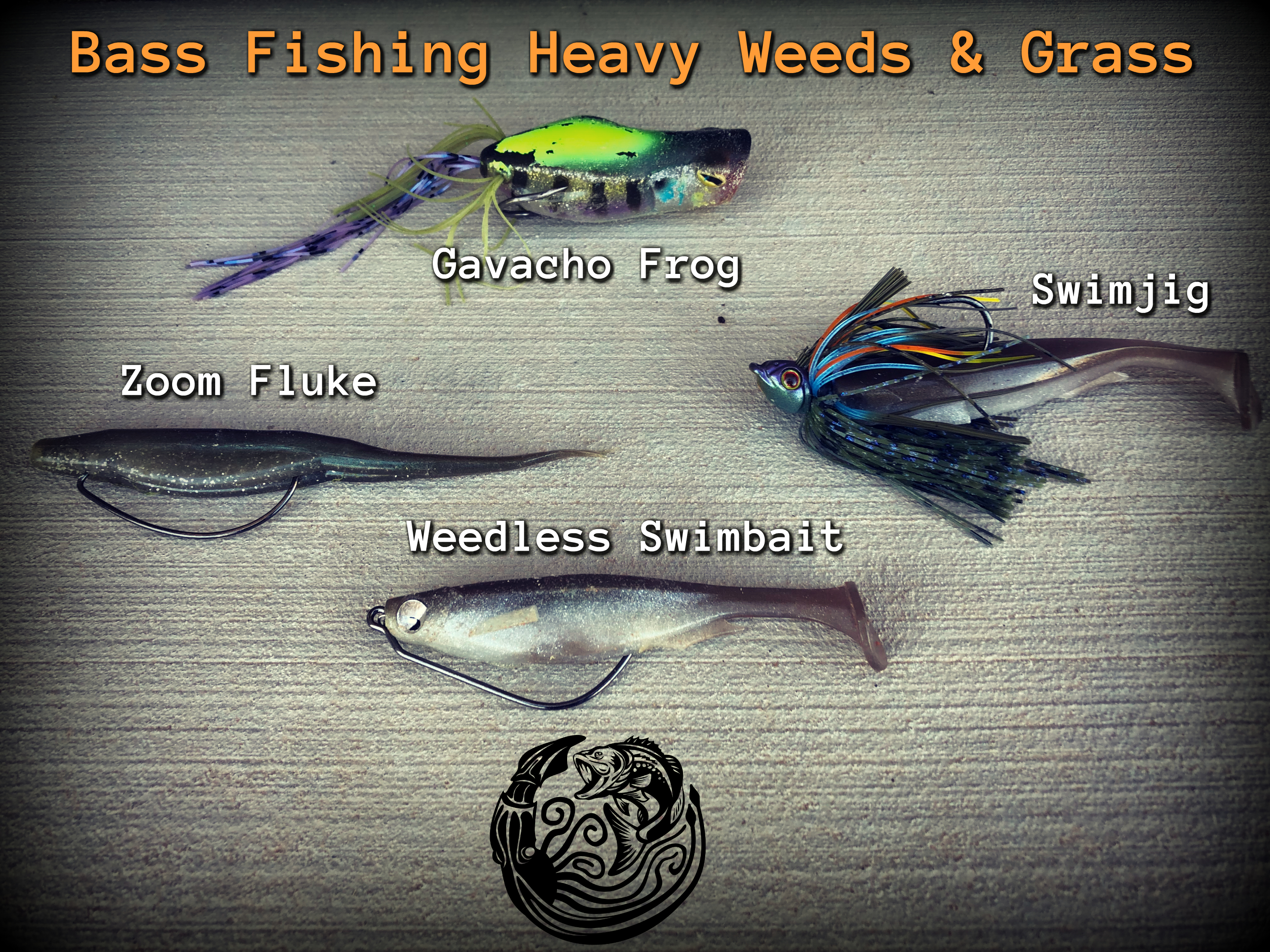
Heavy Vegetation? Use Braid
Thick weeds, lily pads, or flooded timber demand muscle and precision. Braided line cuts through vegetation like a hot knife through butter. Its thin diameter and zero stretch let you drive hooks home and pull fish out fast before they bury up.
For frog fishing, flipping, or pitching into matted grass, 50 to 80 lb braid is standard. Always tie on a fluorocarbon leader, 15 to 25 lb, to reduce visibility and add abrasion resistance against stems and roots.
Rocky or Woody Structure Favors Fluorocarbon
Sharp rocks, zebra mussels, or submerged logs shred lines fast. Fluorocarbon is harder and more abrasion-resistant than mono or braid, making it ideal for rocky shorelines, bridge pilings, or timber-filled reservoirs.
Use it as a main line or leader when jigging, crankbaiting, or casting Texas rigs around structure. Just avoid freezing temps, fluorocarbon turns brittle below 32°F.
Open Water or Topwater: Mono or Braid
When fishing open water or surface lures, buoyancy matters. Monofilament floats or sinks slowly, keeping topwater baits like poppers, buzzbaits, and walking lures riding high. Its stretch also cushions hard strikes from aggressive fish, reducing hook pullouts on treble hooks.
Braided line also floats and offers superior sensitivity, letting you feel every twitch of a walking bait. Many topwater specialists use braid with a short mono or fluoro leader to balance visibility and performance.
Pick Line by Target Species and Technique

Bass: Mix Lines for Maximum Coverage
Largemouth and smallmouth bass respond to different presentations, and each calls for a different line.
• Topwater and crankbaits: Use monofilament, 10 to 17 lb. Its stretch absorbs violent strikes and keeps shallow crankbaits in the strike zone.
• Finesse fishing: Go with fluorocarbon, 6 to 12 lb. Its invisibility and sensitivity are perfect for drop shots, wacky rigs, and light jigs.
• Heavy cover: Spool up braided line, 30 to 65 lb, with a fluorocarbon leader, 15 to 25 lb. You’ll get power, casting distance, and stealth.
Many serious bass anglers use braid as their main line across multiple rods, switching leaders based on conditions.
Panfish and Trout: Light and Lethal
For bluegill, crappie, or trout, finesse is key. Use 4 to 10 lb monofilament for its stretch and forgiveness, especially on ultralight gear. It’s affordable and casts small jigs and worms beautifully.
In clear, technical trout streams, upgrade to 6 to 8 lb fluorocarbon. It sinks slightly, improves depth control, and stays hidden from educated fish. Pair it with dry flies using a tippet or use it for nymph rigs.
Offshore and Big Game: Power and Capacity
When battling tuna, marlin, or large grouper, you need line that won’t quit. Heavy monofilament, 50 to 100 lb, is still used for trolling because its stretch absorbs the shock of high-speed strikes.
But most offshore anglers now prefer braided line, 80 to 150 lb. Its thin diameter means you can spool double the length of mono on the same reel, critical for deep-dropping or long runs. Pair it with a monofilament or wire leader depending on the species.
Understand Key Line Properties
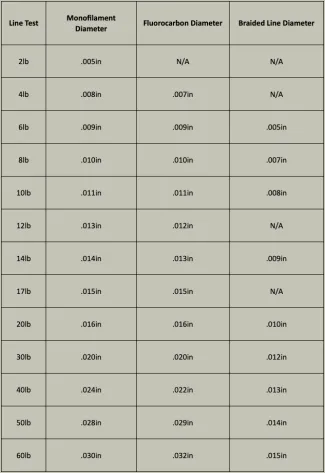
Stretch: Shock Absorption vs Sensitivity
Monofilament stretches 10 to 25 percent, acting like a built-in shock absorber. This prevents break-offs when fish jump or make sudden runs. Ideal for treble-hooked lures or cold-water fishing when fish bite short.
Fluorocarbon has low stretch, giving you better bottom feel and faster hook sets. Great for detecting light bites but less forgiving on hard strikes.
Braided line has zero stretch, delivering instant feedback. You’ll feel every pebble and vibration, but also every missed hook set. Use a rod with a softer tip to compensate.
Diameter: Thin Wins for Distance and Capacity
Thinner lines fly farther and fit more on your reel.
• Braided line is 1/3 to 1/4 the diameter of mono or fluoro at the same strength. Example: 30 lb braid is as thin as 8 to 10 lb mono.
• Fluorocarbon is slightly thinner than mono of the same test.
• Monofilament is the bulkiest, limiting casting distance and reel capacity.
Use thin braid to cast farther in windy conditions or spool more line for deep-water applications.
Abrasion Resistance: Survive the Scrapes
Fluorocarbon wins for abrasion resistance, ideal for rocky bottoms or timber.
Braided line cuts through weeds but frays easily on sharp edges. A single nick can cut strength in half.
Monofilament holds up decently but degrades faster from UV and water absorption.
Always inspect your line after fishing around rough cover.
UV and Water Resistance: Lifespan Matters
Monofilament absorbs water and breaks down quickly in sunlight. Replace it at least once a year.
Fluorocarbon and braid don’t absorb water and resist UV. They can last 2 to 3 years with proper care.
Store all lines in a cool, dark place to extend life.
Spooling and Maintenance Tips
Spool Your Reel Correctly
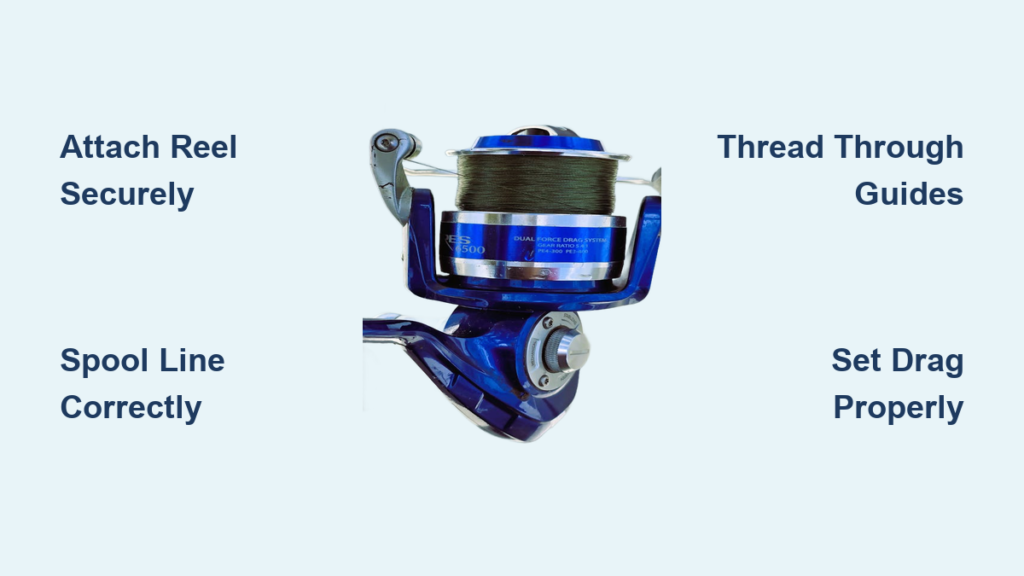
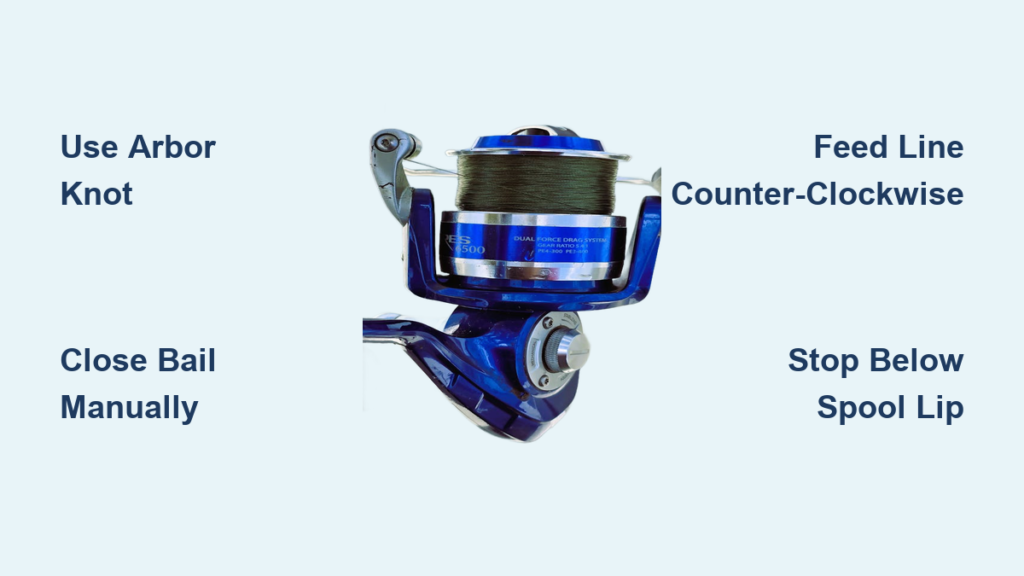
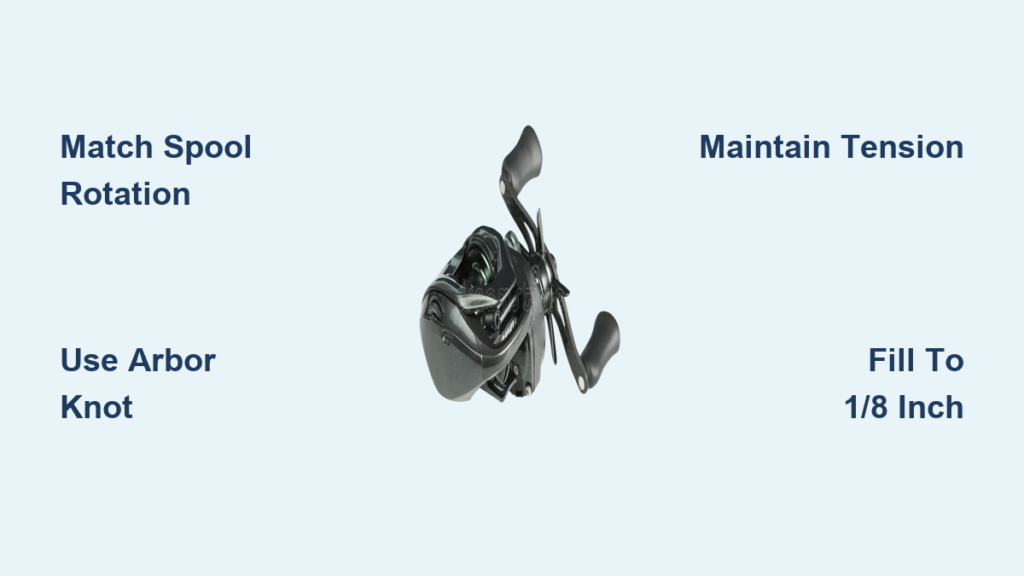
Match line direction. Let the filler spool rotate freely so the line comes off in the same direction it winds onto your reel. This prevents twist.
Apply light tension. Use your fingers to keep slight pressure on the line as it spools. Don’t over-tighten, this can damage mono.
Fill to 1/8 inch from the rim. Under-filling reduces casting distance. Over-filling causes line to jump off in coils.
Secure with the right knot. Use a Palomar knot to tie braid or mono to the spool arbor. For braid, double the line through the knot for extra grip.
Prevent and Fix Line Memory
Monofilament and fluorocarbon often coil right off the spool, causing tangles.
Fix memory in mono by removing the spool from the reel and holding it under warm running water while rotating. The heat relaxes the nylon, removing coils.
Prevent fluoro memory by buying high-quality fluorocarbon. It’s less stiff. Stretch new line by pulling it through a damp rag before spooling.
Check and Replace Regularly
Inspect before every trip. Look for nicks, frays, discoloration, or stiffness.
Test knot strength. Tie a knot and pull hard. If it breaks easily, replace the line.
Replace on schedule. Mono annually or sooner if used heavily. Fluoro and braid every 2 to 3 years or immediately if damaged.
Knots That Won’t Slip
Mono: Easy and Reliable
Monofilament is forgiving. Most standard knots work well.
Improved Clinch Knot: Best for hooks, lures, swivels.
Palomar Knot: Strong, simple, works with most line types.
Tie slowly and wet the line before tightening to prevent friction burns.
Fluorocarbon: Tighten with Care
Fluoro is stiff and slippery. It must be cinched down slowly and firmly.
Double Surgeon’s Knot: Great for joining lines or leaders.
Improved Clinch Knot: Use extra turns, 5 to 6, for security.
Always wet the knot and pull it tight gradually.
Braid: No Slack Allowed
Braided line’s slick surface demands high-friction knots.
Palomar Knot: Double the line and make 5 to 6 wraps through the hook eye.
Uni-Knot: Works well for braid-to-hook connections.
Double Uni-Knot: Best for joining braid to fluorocarbon leader.
Alb
right Knot: Sleek, strong connection for braid-to-leader.
Never use a standard clinch knot with braid. It will slip.
Hybrid Setups: Best of Both Worlds

Braid with Fluorocarbon Leader
This combo dominates modern fishing. Spool your reel with braid, 20 to 50 lb, for casting distance, sensitivity, and strength. Then tie on a fluorocarbon leader, 3 to 6 feet, 12 to 25 lb, for invisibility and abrasion resistance.
Use it for crankbaits in clear water, soft plastics around rocks, and flipping in stained water with a clear leader.
Knot tip: Use a Double Uni-Knot or Albright knot to connect braid to fluoro. Trim the braid tag end short to prevent it from wrapping around the main line.
When to Skip the Leader
In dirty water, heavy cover, or low light, you can run braid straight to the lure. The fish won’t see it, and you gain maximum sensitivity and strength. Common for frog fishing over mats, pitching jigs into thick grass, and trolling in stained reservoirs.
Cost vs Value: What’s Worth It?
Monofilament: Cheap and Forgiving
Cost: $10 to $15 for 150 yards.
Best for beginners, topwater, crankbaits, and light tackle.
Value is high for entry-level use. Replace often.
Fluorocarbon: Premium Price, Premium Performance
Cost: $20 to $30 for 150 yards, twice the price of mono.
Best for clear water, finesse, and leaders.
Value is justified when stealth matters. Lasts longer than mono.
Braided Line: High Upfront, Low Long-Term Cost
Cost: $25 to $40 for 300 yards.
Best for heavy cover, deep water, and long casts.
Value is exceptional. One spool can last 3 or more seasons with care.
Final Decision Checklist

Ask yourself these three questions to pick the right line.
How clear is the water? Clear demands fluorocarbon. Stained or murky allows braid or mono.
What kind of cover am I fishing? Weeds or grass calls for braid. Rocks or timber favor fluorocarbon. Open water works with mono or braid.
What’s the target species and technique? Topwater needs mono or braid. Finesse calls for fluorocarbon. Heavy cover requires braid with fluoro leader. Offshore needs braid or heavy mono.
Frequently Asked Questions About How to Pick Fishing Line
What is the best fishing line for beginners?
Monofilament is the best starting point for beginners. It’s affordable, forgiving due to its stretch, easy to tie, and casts well on any reel type. A 6 to 17 lb test monofilament covers most freshwater situations for new anglers.
How often should I replace my fishing line?
Replace monofilament at least once a year since it absorbs water and degrades from UV exposure. Fluorocarbon and braided line can last 2 to 3 years with proper care, but inspect both before every trip for nicks, frays, or stiffness.
Can I use the same line for freshwater and saltwater?
You can, but it’s not ideal. Saltwater is harsher on gear and accelerates degradation. If sharing line between fresh and salt, inspect thoroughly and replace more frequently. Many anglers dedicated to saltwater use heavier lines specifically designed for that environment.
Is braided line better than monofilament?
Neither is universally better. Braided line offers superior sensitivity, strength, and casting distance, but it’s highly visible in clear water and requires special knots. Monofilament provides stretch for shock absorption, floats for topwater, and is more forgiving. Choose based on your specific conditions and technique.
Do I need a leader with braided line?
In clear water or when targeting line-shy fish, a 3 to 6 foot fluorocarbon leader is essential. In dirty water, heavy cover, or low-light conditions, you can run braid straight to your lure without a leader and gain maximum sensitivity and strength.
Key Takeaways for Picking Fishing Line
The best fishing line isn’t the strongest or thinnest. It’s the one that matches your conditions. Start with monofilament if you’re new, as it provides forgiveness and affordability. As you advance, experiment with braid for power and sensitivity and fluorocarbon for stealth in clear water. Master the hybrid setup by spooling braid and attaching a fluorocarbon leader to get the best of both worlds. Always tie strong knots appropriate for each line type, inspect your line before every trip, and replace mono annually while extending fluoro and braid for several seasons. When you align line properties with water clarity, cover type, and target species, you’ll feel more bites, set more hooks, and land more fish.