If you’re chasing bream, snapper, carp, or flathead, one bait consistently outperforms the rest: the humble prawn. When rigged correctly, a prawn becomes a scent-emitting, lifelike meal that predatory fish cannot resist. But simply stabbing it on a hook will not cut it—how to hook a prawn for fishing the right way determines whether you get a solid hook-up or watch your bait vanish with no bite.
Prawns work because they release natural oils and fluids that create an invisible scent trail in the water, drawing fish from afar. Their movement, especially when live, mimics injured prey, triggering aggressive strikes. Whether you are fishing in estuaries, surf, or offshore, mastering prawn rigging boosts your catch rate dramatically. This guide breaks down every proven method, from hook selection to species-specific techniques, so you can present your prawn like a pro and stop losing bait to nibblers.
Choose the Right Prawn for Your Target Species
Match Prawn Size to Target Species
Small prawns measuring 2 to 3 inches suit whiting, bream, and roach. Pair these with size 6 to 10 hooks and finesse rigs for best results. Medium prawns at 3 to 4 inches work well for luderick, flathead, and carp. Large prawns exceeding 4 inches are ideal for snapper, grouper, salmon, and mulloway, and these require larger hooks ranging from 1/0 to 7/0.
Select Fresh and Properly Stored Bait
Avoid soft, mushy supermarket prawns because they fall apart fast during casting. Opt for firm, fresh-frozen prawns like Tesco large frozen varieties or purchase live prawns from a bait shop. Tinned shrimps such as John West products also work effectively for carp and estuary species.
Remove the Head for Cautious Feeders
For bream, luderick, and whiting, cut off the head just behind the carapace. This removes digestive odors that can spook wary fish and prevents them from stealing just the head. Keep the head on for aggressive species like tailor, redfish, or snook where full scent dispersion provides an advantage.
Select the Correct Hook Type and Size
Pick the Right Hook Style
J-style hooks deliver the best results for general prawn fishing because they provide reliable penetration and a secure hold. Wide gape hooks prove ideal for carp, perch, and tench where the broader gap improves hooking efficiency. Hair rigs suit carp fishing specifically, as they present the prawn away from the hook point, reducing deep hooking incidents. Prawn pins, which are long barbed pins, work best for offshore salmon or game fishing where you need to keep bait aligned during long drifts.
Match Hook Size to Prawn Size
Small prawns require hooks sized 4 to 6. Medium prawns need sizes 6 to 10. Large prawns call for sizes 1 to 2 or 8 to 12 wide gape. Offshore species may require hooks up to 7/0, but always check local regulations before using larger sizes. Ensure the shank does not extend beyond the prawn’s body to maintain a natural look, and always use sharp hooks because dull points mean missed strikes.
Standard Method: Tail-to-Belly Hooking

Insert the Hook Under the Tail
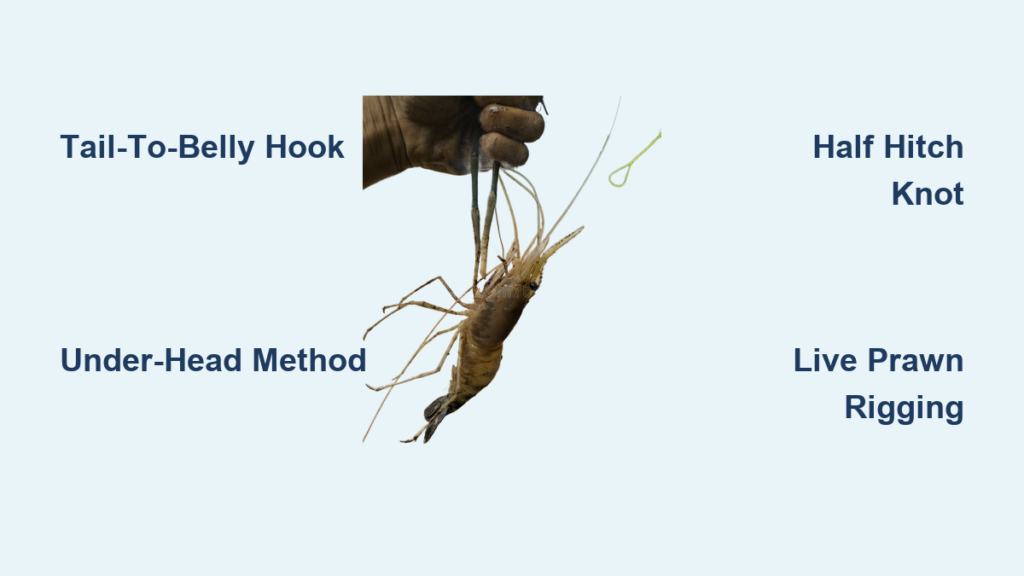
Hold the prawn upside down with the belly facing you. Push the hook point into the underside of the last abdominal segment, which is the tail section. Drive the hook upward so the point emerges through the top of the tail.
Guide the Hook Through the Body
Feed the hook forward along the belly, letting it roll around the shank naturally. Guide the point to exit at the mid-belly section, just above the legs or swimmerets. The prawn should lie flat along the hook shank in a natural position.
Secure With a Half Hitch Knot
The half hitch knot prevents slippage during casting and ensures the prawn stays in place. Fold the line over to form a small loop above the hook eye. Pass the loop over the tail section of the prawn and slide it down to the base of the tail. Pull tight to cinch the knot firmly around the prawn.
This method works because it prevents slippage during casting, maintains natural posture in the water, and increases hook-up success. The entire process takes seconds and holds securely even in strong currents.
Live Prawn Rigging for Saltwater Predators
Under-Head Method for Redfish and Snook
Hold the prawn upside down and insert the hook under the jaw, exiting through the horn at the top of the head. Avoid piercing the dark spot, which is the brain, because this kills the prawn instantly and eliminates all movement. This method keeps the prawn alive and swimming naturally, which triggers strikes from big predators.
Tail Hook for Flicking Motion
Insert the hook just under the tail fan and bring it out through the top of the back near the tail. This creates a darting escape action that triggers strikes from snapper and grouper. The motion mimics a prawn trying to escape, which aggressive predators cannot resist.
Side Hook Through the Horn
Pass the hook through one side of the horn and out the opposite side. This keeps the prawn alive and mobile but provides less security. This method works best for fish that swallow bait whole rather than nibbling.
Tail-Knuckle Hook Technique
Hook through one side of the tail knuckle and exit on the opposite side. This offers a secure hold while preserving movement, making it ideal for use in strong currents or around structure.
Self-Weedless Rigging for Snag-Prone Areas
Thread the hook through the tail with the point facing inward or slightly tucked. This prevents fouling on rocks or weeds while still allowing fish to ingest the bait fully.
Rigging Dead, Frozen, or Preserved Prawns
Body Threading Method
Insert the hook through the center of the body, covering the entire shank. Keep the pincers intact for a natural shape. This method ensures the bait stays on the hook during casting and retrieval.
Head and Tail Removal Technique
Remove both the head and tail ends of the prawn. Thread the middle body section onto the hook. This exposes more flesh, increases scent release, and improves bite detection, which works great for bream and luderick.
Tear in Half for Snapper
Cut a fresh prawn in half and use the lower half consisting of the tail and body. Thread onto the hook to expose the hook point slightly. This boosts the hook-up ratio significantly for snapper, sheepshead, and mulloway.
Jig Tipping Method
Cut the prawn into shank-length pieces and attach them to a jig head or hook bend. This combines lure action with natural scent, making it effective in deep water or fast currents.
Freshwater Carp Fishing Techniques
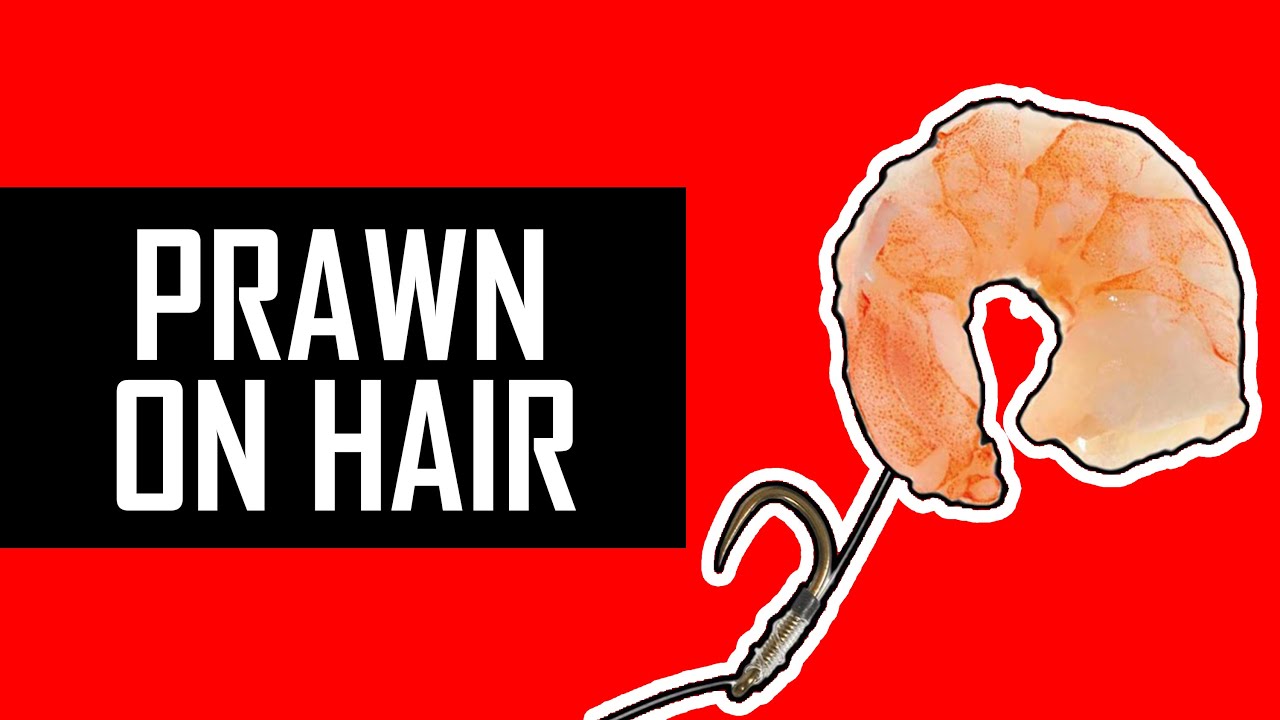
Hair Rig With Stopper
Thread the prawn lengthwise on a hair rig from the thin tail end to the thicker head end. Place a stopper on the thicker head end to secure it in place. This keeps the hook point exposed, reduces deep hooking, and improves catch rates dramatically.
Direct Hooking With Wide Gape Hooks
Use a size 8 to 12 wide gape hook. Push the hook into the fat head end and turn it so the point exits the back, facing away from the tail. This prevents the hook from being masked by bait and keeps the prawn intact.
Line Twists Over Tail Method
After hooking the prawn, apply 2 to 3 twists of main line over the tail. On strike, the line releases easily, which prevents fish from ejecting the bait during the fight.
Bait Bands and Lasso Systems
Use elastic bait bands or lasso rigs for pole fishing. These keep soft bait on the hook during repeated casts, which is ideal for carp, roach, and chub.
Boost Scent and Bait Durability
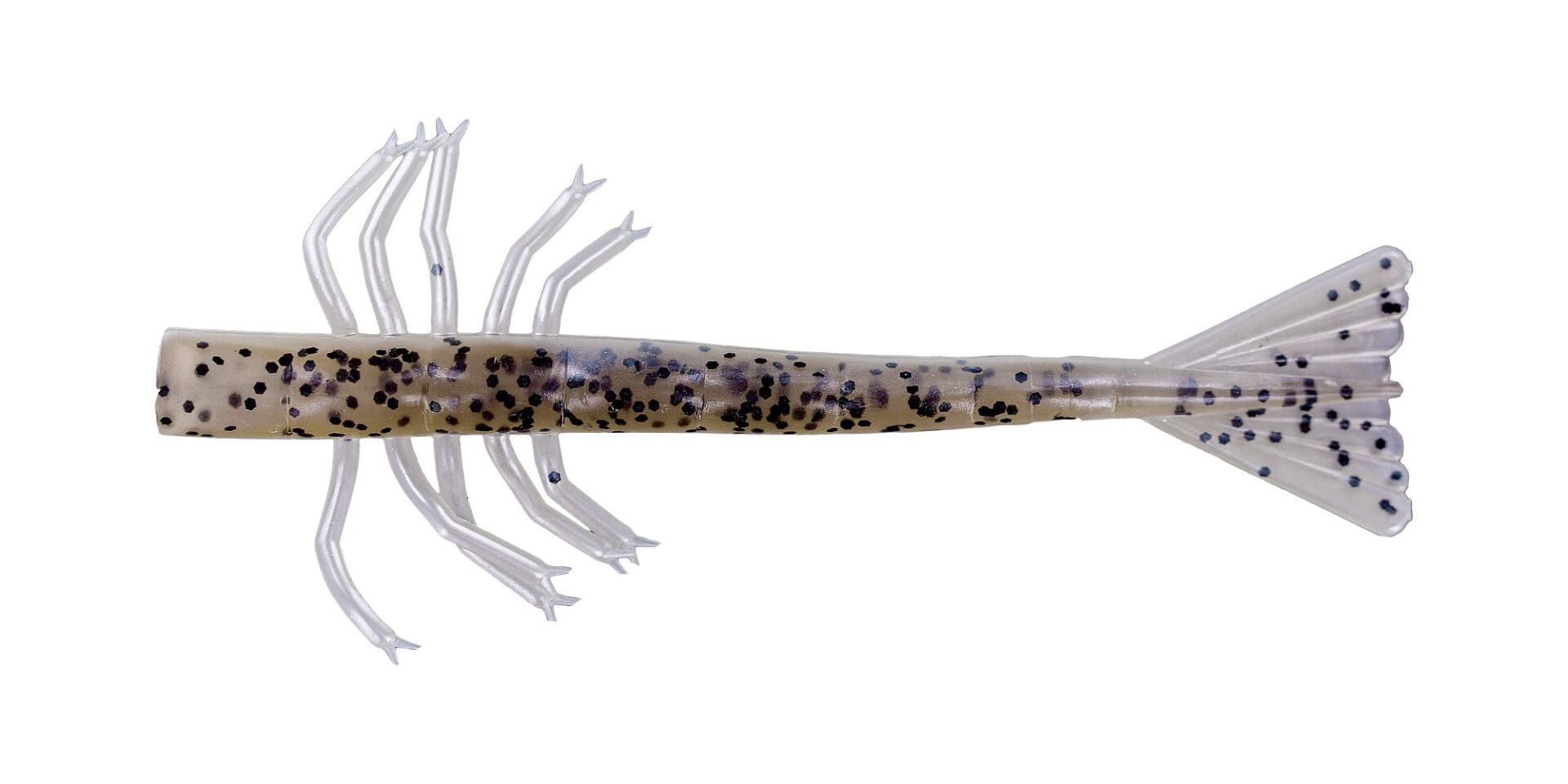
Cut the Tail Tip for Enhanced Scent
Snip off the tail tip to increase fluid release and create a stronger scent trail in current or murky water. This also improves casting balance by concentrating weight toward the rear of the bait.
Soak in Attractants
Soak dead or frozen prawns in fish oils, amino acid blends, or commercial dips. This compensates for lack of movement and extends the detection range significantly.
Microwave for Tougher Flesh
Microwave prawns for approximately 20 seconds to firm up the flesh and improve hook retention. This prevents premature shedding during casting. Do not overcook because it removes flavor and makes the bait less appealing.
Preserve in Salt
Store unused prawns in dry salt to draw out moisture, firm the flesh, and delay decay. Rinse thoroughly before use.
Best Rigs by Fishing Style
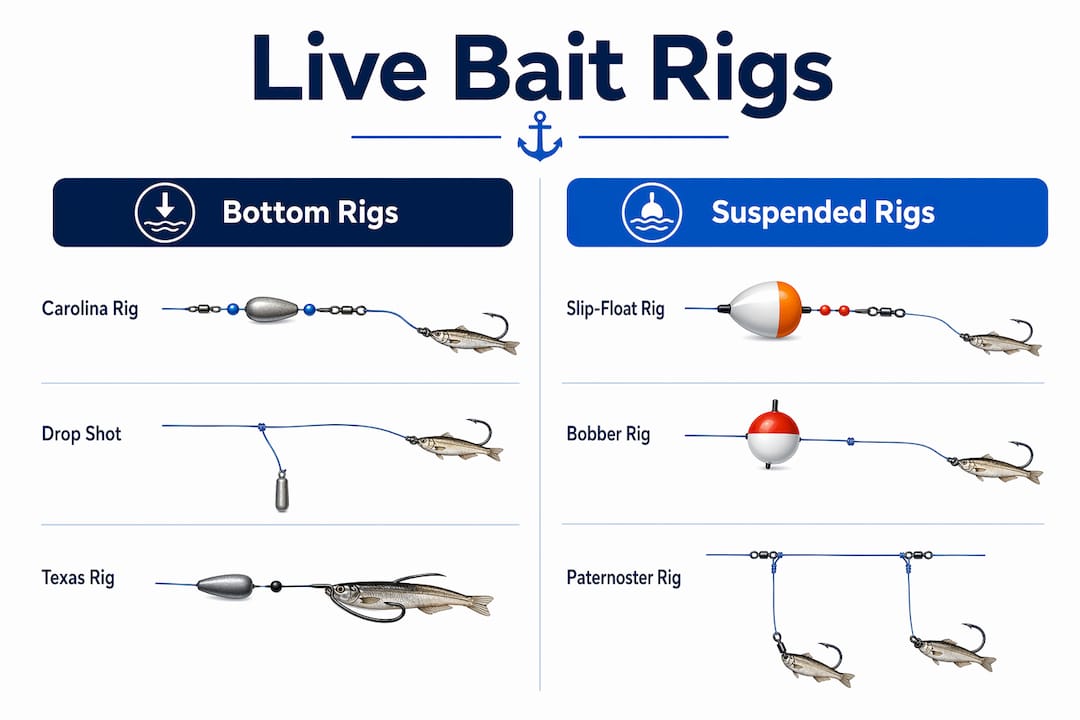
Feeder Fishing
Use a secured prawn with a half hitch knot. This withstands feeder weight and long casts, making it ideal for bream and carp in rivers or estuaries.
Float Fishing
Use light rigging with shallow hook placement. This allows slight drift and natural movement, which works best for whiting and school bream in calm water.
Bottom Fishing
Hook through the head and let the tail hang down naturally. This mimics a natural sinking posture and is effective for carp, luderick, and flathead.
Pole Fishing
Use bait bands or lasso systems to handle frequent casting without losing bait. This works great for roach, chub, and carp in match fishing scenarios.
Offshore Drifting
Use prawn pins or tail hooks to maintain bait integrity over long periods. This method is preferred for salmon, mulloway, and grouper.
Jigging
Use jig tipping with prawn pieces to combine lure action with natural scent. This works effectively in deep or fast-moving water for snapper and kingfish.
Species-Specific Prawn Fishing Tips
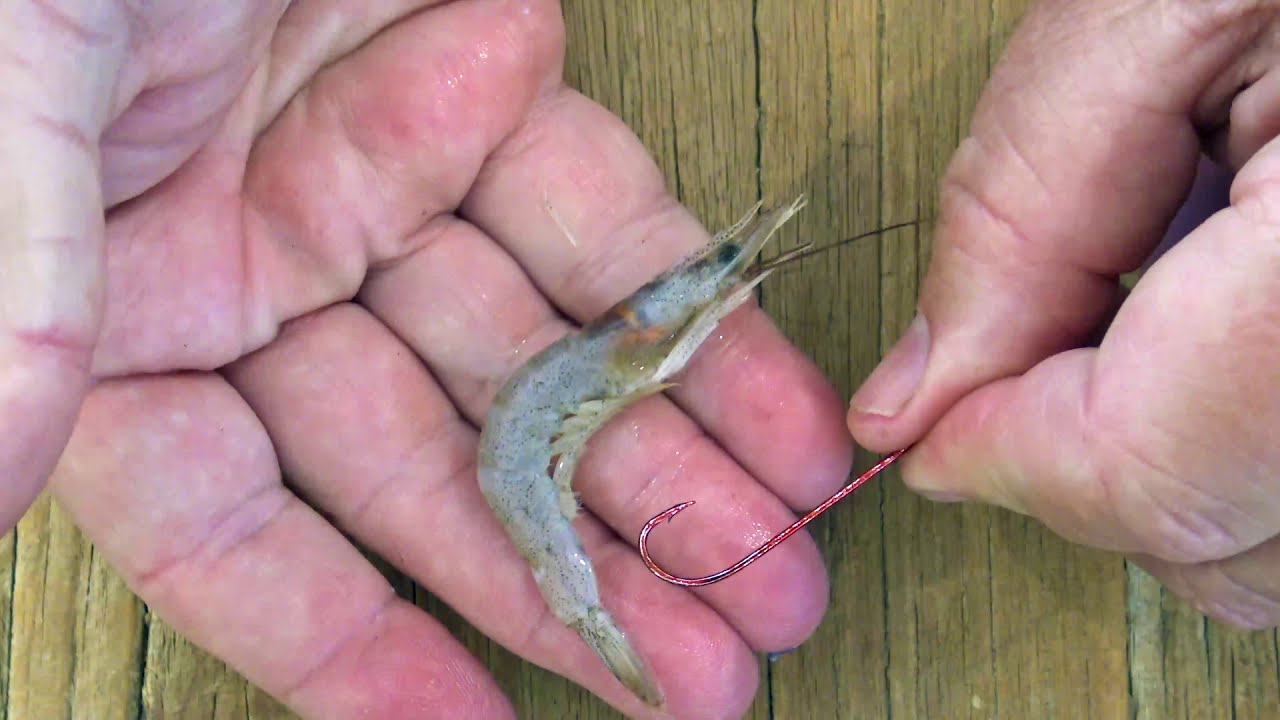
Bream
Remove the head and use tail-to-belly hooking with a half hitch. Use size 6 to 10 hooks. This prevents bait theft and avoids off-odors that wary bream detect easily.
Luderick
Remove the head and use mid-body hooking with size 6 to 10 hooks. Cautious feeders require a clean bait presentation free from strong odors.
Flathead
Use whole or half prawns with size 1/0 to 2/0 hooks. Natural presentation with slight movement triggers aggressive strikes from these ambush predators.
Whiting
Use tail-only or small whole prawns with size 6 to 10 hooks. A finesse approach with light line and small hooks produces the best results.
Carp
Use hair rigs with stoppers or direct wide gape hooking with size 8 to 12 hooks. John West tinned shrimps work exceptionally well for carp.
Redfish and Snook
Use live prawns with under-jaw or tail hook methods. Use size 1/0 to 3/0 hooks and keep the prawn alive for maximum action and attraction.
Snapper and Sheepshead
Tear the prawn in half and use the lower portion. Use size 2/0 to 4/0 hooks. The exposed hook point significantly increases hook-up success.
Salmon
Use prawn pins with size 3/0 to 6/0 hooks. This keeps bait secure during long offshore drifts, which is essential for salmon fishing.
Mulloway
Use large whole or half prawns with size 4/0 to 7/0 hooks. Fresh, strong-scented bait is essential for these large predators.
Keep Prawns Alive and Fresh
Store Live Prawns Properly
Use a minnow bucket with an aerator to keep live prawns healthy. Maintain water temperature between 65 and 75 degrees Fahrenheit. Never add ice directly because it shocks and kills prawns. Change water regularly to prevent stagnation and oxygen depletion.
Preserve Dead Prawns
Freeze prawns in airtight bags and thaw in cool water before use. Store unused prawns in salt to firm the flesh and delay decay. Discard any prawns that become mushy, discolored, or develop an off smell.
Avoid Common Prawn Hooking Mistakes
Piercing the brain, which appears as a dark spot, kills live prawns instantly and eliminates the movement that attracts fish. Using oversized hooks makes the bait look unnatural and causes fish to shy away. Poor storage in warm, oxygen-poor water kills live prawns quickly. Over-handling damages delicate flesh and reduces appeal. Ignoring local regulations regarding hook size or bait types can result in fines or confiscated gear.
Frequently Asked Questions About Hooking Prawns for Fishing
What is the best hook for prawn fishing?
A J-style hook provides the most reliable penetration and secure hold for general prawn fishing. Wide gape hooks work better for carp and freshwater species. Match your hook size to the prawn size, typically ranging from size 4 to 7/0 depending on target species.
Can I use frozen prawns for fishing?
Yes, frozen prawns work effectively if you thaw them completely in cool water and ensure they remain firm. Microwave prawns for 20 seconds to toughen the flesh and improve hook retention. Avoid prawns that feel mushy or have an off smell because they will fall apart easily.
How do I keep live prawns alive?
Store live prawns in an aerated container with water maintained at 65 to 75 degrees Fahrenheit. Use a minnow bucket with an aerator or oxygen tablets. Change the water regularly and never add ice directly to the container.
How can I improve the scent of dead prawns?
Cut off the tail tip to increase fluid release and create a stronger scent trail. Soak or inject dead prawns with fish attractants, amino acid blends, or commercial dips. This compensates for the lack of movement and extends the detection range in the water.
What is the best method for hooking live prawns?
The under-head method works best for keeping prawns alive. Insert the hook under the jaw and exit through the horn, avoiding the dark brain spot. This keeps the prawn swimming naturally and triggers strikes from predatory fish.
Can I use tinned prawns for fishing?
Yes, tinned shrimps like John West products stay on the hook well and are effective for carp and estuary species. They provide good scent dispersion and are convenient for anglers who cannot access fresh bait.
Key Takeaways for Mastering Prawn Hooking Techniques
Mastering how to hook a prawn for fishing involves understanding that proper rigging maximizes scent, movement, and durability. Whether targeting cautious luderick or aggressive snapper, the right technique makes the difference between lost bait and landed fish. Use the half hitch method for estuary fishing to prevent slippage, employ live under-head hooking for saltwater predators to maintain natural movement, and apply hair rigs with stoppers for carp to reduce deep hooking.
Toughen frozen prawns with a brief microwave zap, enhance scent with tail cuts or commercial attractants, and always match your gear to the target species. Store live prawns properly in aerated containers at correct temperatures, and remove heads from bait when targeting wary estuary species. With these techniques practiced consistently, your prawn bait will stay on longer, attract more fish, and convert more bites into successful catches.