
There’s nothing quite like the explosive surface strike of a largemouth bass inhaling a live frog. For anglers chasing trophy fish in weedy, overgrown waters, knowing how to hook a frog for fishing the right way can mean the difference between a heart-stopping battle and a wasted bait. Live frogs are among the most effective natural lures for big bass, pike, and catfish, especially in thick cover where artificial frogs sometimes fall short.
But simply impaling a frog will not cut it. Poor hooking kills the bait fast, ruins its action, and leads to missed hookups. The key is using a method that keeps the frog alive, swimming naturally, and securely attached, even during long casts into heavy cover. Here’s how to hook a frog the right way.
Choose the Right Hook for Frog Fishing
The foundation of successful frog fishing starts with the hook. Wide-gap hooks in sizes 3/0 to 5/0 are ideal because they offer ample space between the shank and point to accommodate the frog’s body while ensuring deep penetration during a strike.
• Use high-carbon or stainless steel for strength and rust resistance
• A razor-sharp point is non-negotiable since predators strike fast
• For casting into matted weeds, use offset shank hooks with wire guards to reduce snags
• Avoid small hooks below 3/0 since they lack the holding power needed for large fish
Match your hook type to your target species. Bass and pike work best with wide-gap or weedless hooks for topwater action. Catfish benefit from circle hooks in the 4/0 to 6/0 range, which promote mouth hookups and improve survival in catch-and-release situations.
Prepare Your Fishing Setup for Frog Fishing
You are not just casting a frog, you are fighting big fish in snags. Your setup needs to handle both the bait and the aggressive predators that chase it.
Rod and Reel Requirements
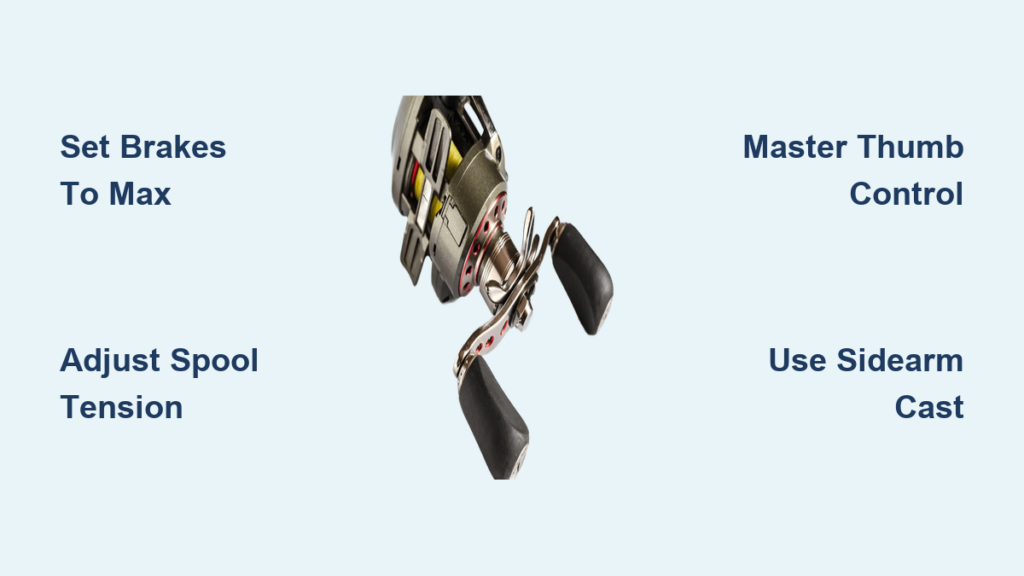
Use a 7 to 7.5 foot rod with medium-heavy to heavy power and a fast or extra-fast tip. Pair this with a baitcasting reel that has strong drag and a gear ratio of 6.3:1 to 7.1:1. This combo delivers the backbone to yank fish from thick cover and the sensitivity to feel subtle takes.
Line Selection
Braided line in 50 to 65 pound test is essential for frog fishing. It has zero stretch for instant hooksets, abrasion resistance to cut through weeds, and high strength to handle eight-plus pound bass in heavy grass. In clear water, add a 20 to 30 pound fluorocarbon leader to reduce visibility. In stained or weedy water, tie braid directly to the hook.
Lip Hooking: The Best Method for Natural Movement
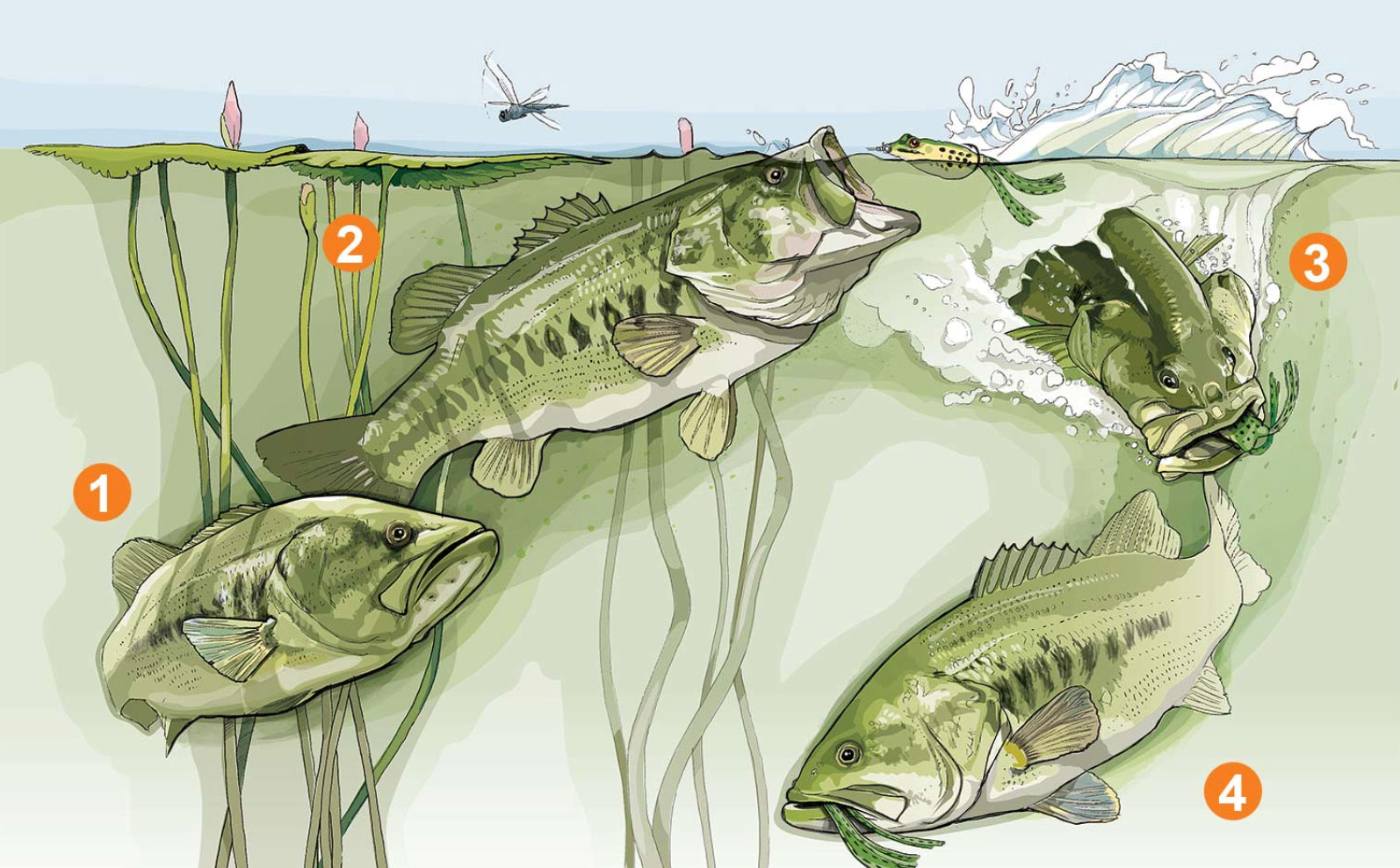
Lip hooking is the most effective and humane way to hook a frog. It preserves mobility, allows breathing, and keeps the bait alive longer, sometimes for over an hour.
Step-by-Step Lip Hooking
- Hold the frog gently behind the front legs using wet hands to avoid damaging the mucus layer. Never squeeze the belly since this can rupture lungs.
- Locate the soft tissue just below the nostrils on the bottom lip.
- Push the hook upward through the lower lip, angling the point so it exits through the top of the snout just under the nose. Avoid bone or cartilage.
- Center the hook along the head so the shank runs straight down the midline. A crooked hook causes spinning and erratic drift.
Why Lip Hooking Works
The frog stays alive and active up to an hour, swims straight with minimal wobble, and the mouth stays closed preventing drowning. This method is ideal for targeting bass in lily pads or pike near weed edges. It also allows the frog to survive repeated casts into heavy cover.
Leg Hooking: Maximize Kicking Action
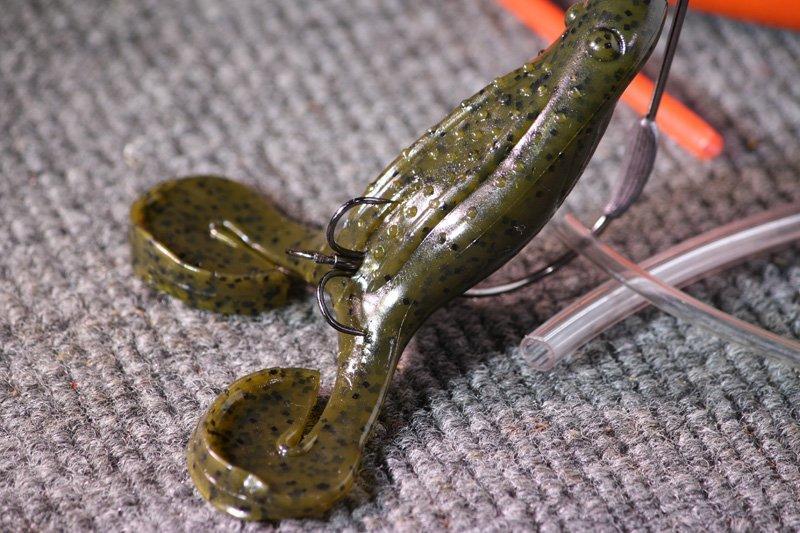
If you want maximum surface disturbance, hook the frog in the upper hind leg. This engages the powerful leg muscles, creating violent kicks that mimic a struggling amphibian.
How to Hook the Leg
- Pick one hind leg and focus on the fleshy thigh area, not the joint or bone.
- Insert the hook horizontally through the side of the leg, keeping it parallel to the body. The point should face away from the frog.
- Avoid deep penetration. Just enough to secure the bait since too deep risks tearing during casting.
When to Use Leg Hooking
Leg hooking works best for still-fishing under a bobber, fishing near undercut banks, and triggering inactive fish with vibration. It is best for catfish or bass in calm, shallow pockets. This method is not recommended for long casts. Use a gentle underhand flip instead.
Back Hooking: Stealthy and Subtle Presentation
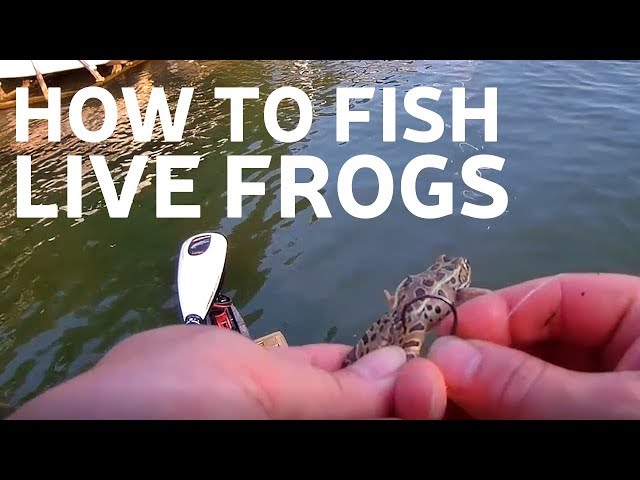
For a more natural, low-profile presentation, try dorsal or back hooking. This method hides the hook under the skin and lets the frog kick freely.
Steps for Back Hooking
- Find loose skin behind the head between the shoulders where there are fewer vital organs.
- Tent the skin and insert the hook horizontally just beneath the surface, creating a skin tent over the shank.
- Check that the frog can still kick and swim naturally.
Best Uses for Back Hooking
Back hooking works well for dead-sticking in open holes in weed mats, fishing in tight spaces where snags are likely, and mimicking an injured or resting frog. Combine this method with a weedless rig for best results in thick cover.
Avoid Common Hooking Mistakes
Several mistakes can ruin your frog fishing success. Here is what to avoid.
Do Not Hook Too Deep
Driving the hook into the body cavity kills the frog quickly and eliminates movement. Stick to lips, legs, or skin, never the abdomen.
Never Squeeze the Frog
Frogs breathe through their skin and absorb oxygen through their belly. Squeezing can collapse lungs, cause internal bleeding, or force air into the stomach making the frog float upside down. Handle with wet, gentle hands and limit air exposure to under 30 seconds.
Do Not Use Small Hooks
Hooks smaller than 3/0 lack the gape and strength needed for large fish. Upgrade to 4/0 or 5/0 for bullfrogs or big pike.
Avoid Open Water Presentations
Frogs are cover-oriented bait. Fish them near lily pads, hyacinth mats, overhanging branches, or shallow weed beds. Open water rarely produces strikes.
Present the Frog Like a Pro
How you present the frog determines how many fish you catch.
Active Retrieve
Cast past your target and retrieve with short twitches. The twitch-pause-twitch retrieve imitates escape behavior. Let the frog sit five to ten seconds between moves since many strikes happen on the pause. Use lip-hooked frogs for the best swimming action.
Dead-Stick Technique
Cast into a hole in the weeds and let the frog sit motionless for 30 to 60 seconds. Often the most aggressive strikes come when the bait is not moving. This technique works best with dorsal-hooked frogs or when fish are wary.
Under a Bobber
Use a slip bobber to suspend the frog just below the surface. This is effective near drop-offs or deep weed edges, enhances vibration with leg-hooked frogs, and works great for catfish and inactive bass.
Skip Under Overhangs
With a lip-hooked frog, skip it under docks or branches like a bass popper. Use a sidearm cast and low trajectory to trigger explosive ambush strikes from hidden fish.
Keep Frogs Alive and Active
Keeping your bait healthy means more strikes.
Storage Tips
Use a mesh bait bag or plastic bucket with air holes. Line with damp moss, burlap, or wet newspaper. Keep in shade and never in direct sun. Mist occasionally to maintain moisture. Do not submerge frogs in water since they will drown.
What Not to Do
Do not refrigerate frogs. They are cold-blooded and cold temps slow them down, making them ineffective as bait.
Feeding
Frogs do not need food for one to two day trips. For longer storage, offer crickets, mealworms, or small insects. Avoid overcrowding since stress kills frogs.
Catch Your Own Frogs Legally
Best Time and Locations
Frogs are most active at night, especially on warm, humid evenings after rain. Prime locations include shallow coves with plants, lily pad edges, areas near docks or overhanging trees, and marshy shorelines.
Collection Methods
Use a hand grab behind front legs, a scoop net in shallow water, or a flashlight at night to freeze them in place.
Legal Considerations
Check local regulations since some states require a bait license. Harvest limits may apply, such as 25 frogs per day in some jurisdictions. Certain species are protected, so avoid rare or endangered frogs. Never collect in protected wetlands or parks.
Upgrade with a Weedless Rig
In impenetrable cover, use a weedless frog rig to avoid constant snagging.
How to Set Up a Weedless Rig
- Use an offset shank hook with a wire guard
- Hook through the lips or back
- Tuck the point into the skin or muscle so it is barely exposed
The rig slides over thick vegetation, reduces hang-ups in matted weeds, and still sets on hard strikes. Test by dragging through grass. It should glide without snagging.
Maintain Gear Before Each Trip
Prepare your equipment before peak frog season.
Pre-Season Checklist
Inspect rod guides for chips that fray braid. Clean and lubricate the reel for smooth drag. Pre-spool with 50 to 65 pound braid. Carry spare hooks and pre-tied rigs. Pack pliers and a dehooker for safe fish handling.
A well-prepared setup means fewer breakdowns and more fish.
Ethical Handling: Respect the Bait
Treating live frogs humanely improves fishing results since healthier, more active frogs attract more strikes.
Handling Guidelines
Wet your hands before touching frogs since dry hands strip the protective slime layer, increasing infection risk. Minimize air exposure and keep frogs moist and out of the sun. Limit handling to under 30 seconds.
Humane Disposal
If a frog is too damaged to use, use a swift strike to the brain with a blunt tool. Alternatively, use a benzocaine solution approved for veterinary use. Never leave injured bait to suffer.
Final Thoughts on How to Hook a Frog for Fishing
Mastering how to hook a frog for fishing is not just about threading a hook. It requires understanding biology, presentation, and predator psychology. The lip-hooking method remains the gold standard, offering the best balance of longevity, action, and reliability. Pair it with heavy tackle, braided line, and smart presentation, and you will unlock some of the most explosive topwater action in freshwater fishing. Whether you are targeting a seven-pound bass in a farm pond or a monster pike in a northern marsh, a properly rigged live frog is a game-changer. Stay ethical, stay prepared, and let the frogs do the work.
Frequently Asked Questions About How to Hook a Frog for Fishing
What size hook should I use for frog fishing?
Use a 3/0 to 5/0 wide-gap or weedless hook. Larger 6/0 hooks may be used for giant bullfrogs or targeting massive pike.
How long does a live frog stay alive on the hook?
A properly lip-hooked frog can remain alive and active for 30 minutes to over an hour, depending on water temperature and handling.
Can I reuse a frog after a missed strike?
Yes, if the frog is unharmed. Return it to a damp container and let it rest before reusing.
Do I need a leader when frog fishing?
In stained water or heavy cover, braid directly to the hook works fine. In clear water, add a 20 to 30 pound fluorocarbon leader to reduce visibility.
Are there legal restrictions on using live frogs as bait?
Yes. Some states prohibit the use of live amphibians or require a special permit. Always check local fisheries regulations before collecting or using live frogs.
What kind of frogs are best for bait?
Bullfrogs and green frogs are preferred due to their size, strength, and availability. Avoid small tree frogs or protected species.