You’ve decided to try fishing. Whether you’re looking to relax by the water, teach your kids a new outdoor skill, or land your first catch, fishing for beginners is easier than you think. With the right gear, basic knowledge, and a few simple techniques, you can be casting your line confidently in less than a day.
This guide gives you exactly what you need: a clear, actionable plan to go fishing successfully as a beginner. From choosing your first rod to landing your first catch, we’ll walk you through every step. You’ll learn how to pick beginner-friendly equipment, rig your line, cast safely, choose bait, find fish, and release them responsibly.
Get Your Fishing License Before You Cast
A fishing license is required in most places and supports conservation efforts like habitat restoration and fish stocking. In the U.S., all 50 states require licenses for anglers over 16. In the UK, a rod license is required for freshwater fishing if you’re 13 or older. Many states offer free fishing days annually, perfect for trying it out without a license.
Where to Buy Your License
You can purchase licenses online through your state’s Department of Natural Resources, at retailers like Walmart, or using mobile apps. In the UK, buy rod licenses through GOV.UK or the Environment Agency. Sea fishing in the UK does not require a license, but always check local rules.
Choose Your First Rod and Reel

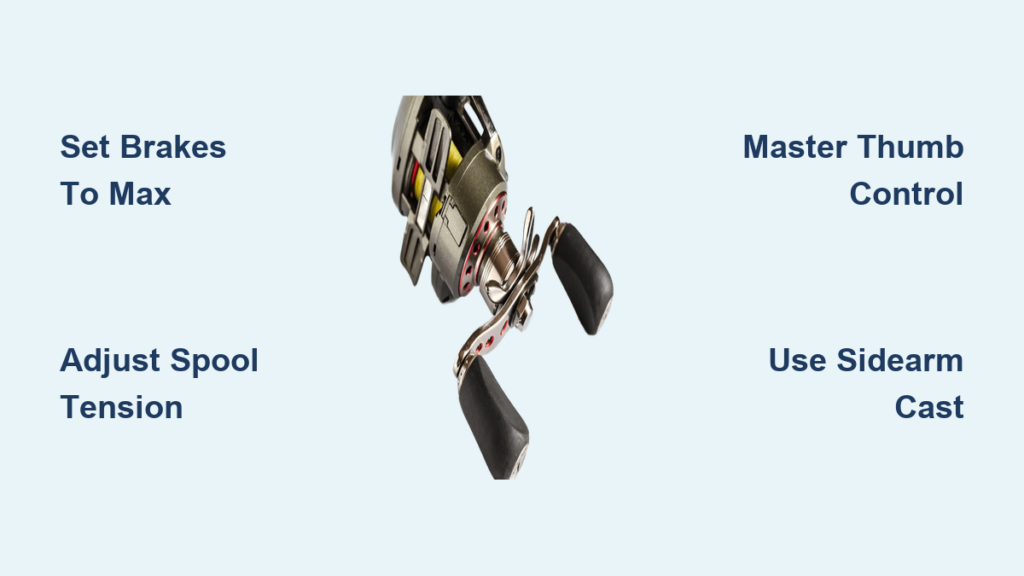
Your first rod and reel should be easy to use, durable, and affordable. Avoid complex baitcasting reels because they tangle easily and frustrate beginners.
Best Options for Beginners
Spin-cast reels work well for kids and casual fishing. They feature push-button casting with no finger control needed. Recommended setup is a 6’6″ spincast combo like Zebco 33.
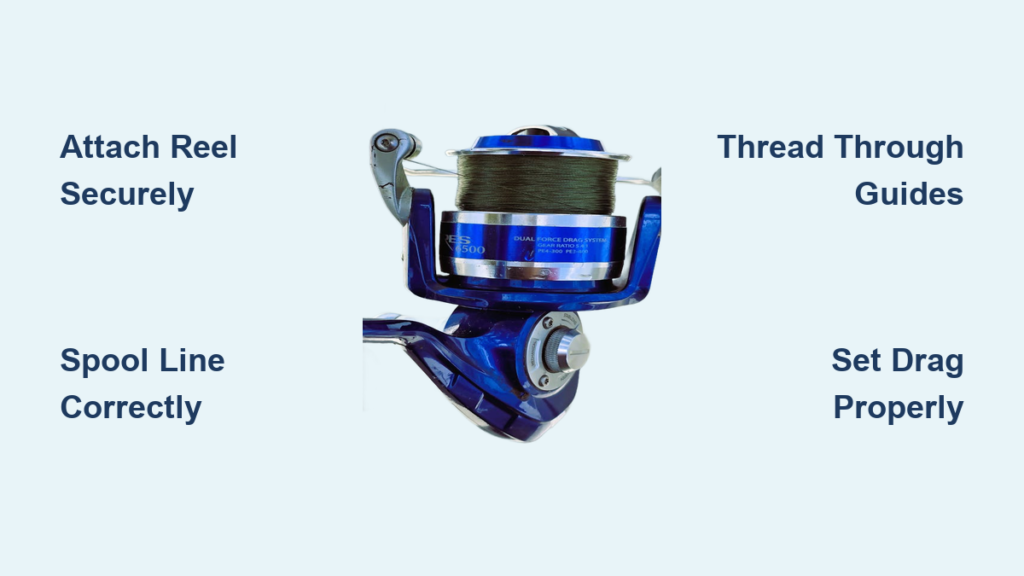
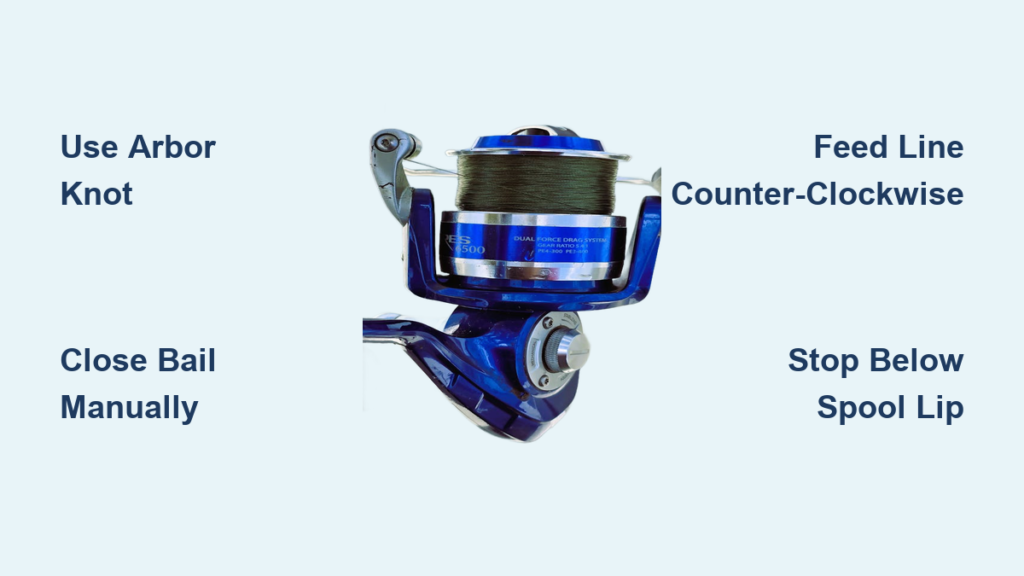
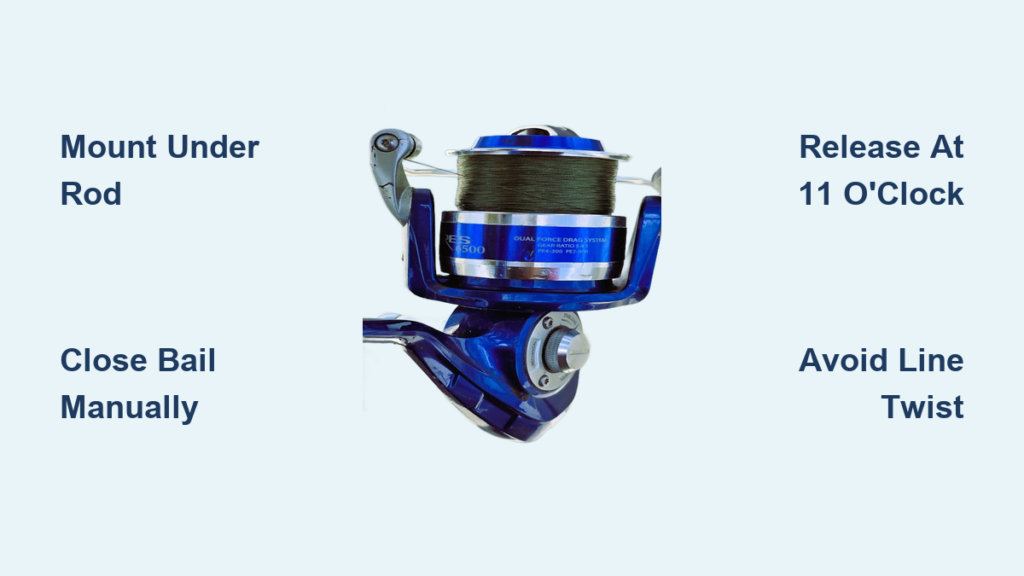
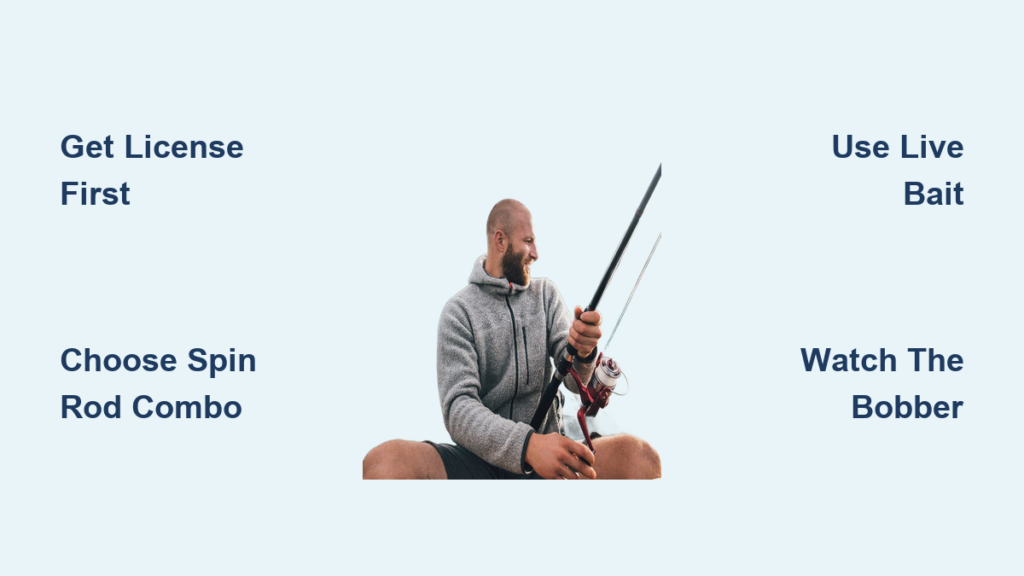
Spinning reels are the best overall choice for beginners. They offer more casting power and work for bass, trout, panfish, and more. Recommended setup is a 6’8″ to 7’2″ medium-light spinning rod with a 1000-2500 size reel.
Skip baitcasting reels entirely. They require thumb control and often result in tangled line.
Set Up Your Fishing Line and Tackle
For beginners, monofilament line is the best choice. It’s stretchy and forgiving, easy to tie knots, and affordable. Use 6-8 lb test line for panfish and bass. In the UK, 10 lb is common for coarse fishing.
What Terminal Tackle You Need
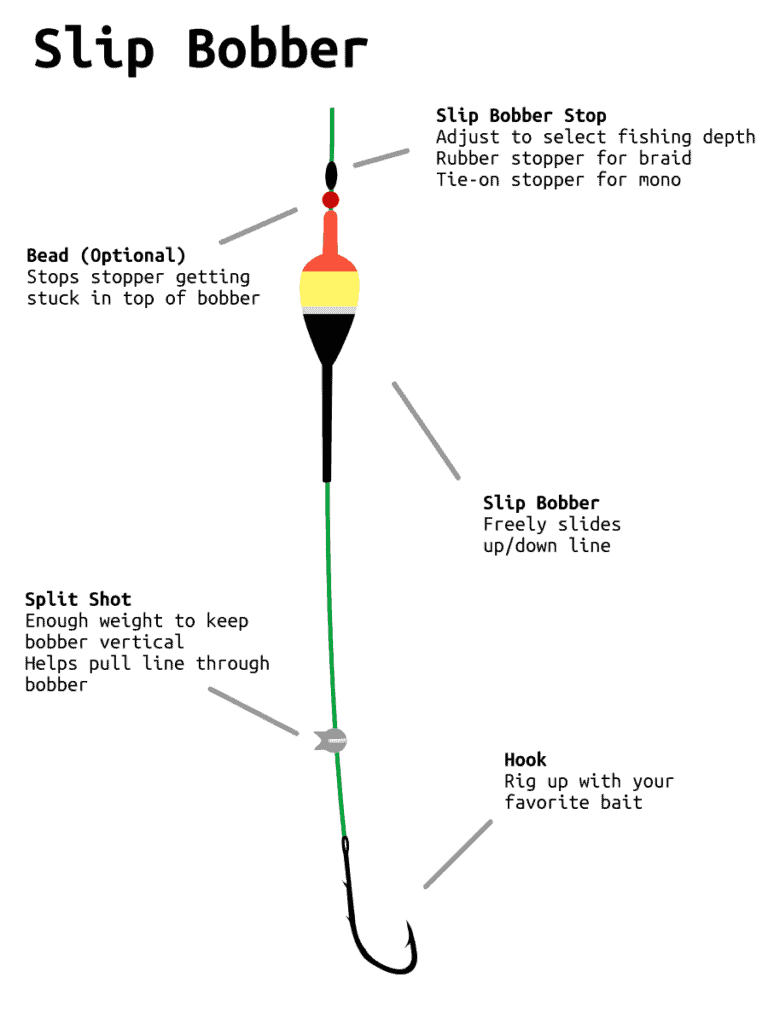
You’ll need three basics: a hook, split shot sinkers, and a bobber. Use hook sizes 6-10 for panfish and sizes 1-3 for bass. Use 1-2 split shot weights placed 6-12 inches above the hook. The bobber helps detect bites by moving or submerging when a fish takes the bait.
How to Rig Your Setup
Tie a hook using the Improved Clinch Knot. Pinch on 1-2 split shot weights above the hook. Clip on a bobber 1.5-3 feet above the hook, then adjust depth based on where fish are feeding.
Tie the Improved Clinch Knot
This knot is strong, reliable, and easy to learn. Thread the line through the hook eye, then wrap the end around the standing line 5 times. Pass the end through the small loop near the eye, then through the big loop. Wet the line, then pull slowly to tighten. Trim excess line and you’re done.
Pick the Right Bait for Faster Success
Live bait catches more fish for beginners than artificial lures. Top choices include worms (nightcrawlers, red worms), minnows for bass and pike, maggots popular in UK coarse fishing, and waxworms effective in cold water. If you don’t want live bait, try bread for roach and rudd or sweet corn for carp and chub.
How to Hook Bait Properly
For worms, thread through the middle or head to keep it wriggling. For maggots, hook at the thick end to avoid bursting. The goal is keeping bait alive and moving to attract fish.
Practice Casting Safely Before Fishing
Never cast with a hook until you’ve practiced. Use a rubber casting plug instead. Practice in an open field with no trees or people nearby.
For Spin-Cast Reels
Hold the rod with your thumb on the button. Turn slightly toward your target. Raise the rod to eye level, then swing forward. Release the button at eye level. If the plug goes up, you released too early. If it lands too close, you released too late.
For Spinning Reels
Open the bail and hold the line with your index finger. Swing the rod back, then forward. Release your finger at eye level.
The Underarm Cast
This is a safer, easier method for beginners. Hold the rod in one hand and the bait in the other. Swing like a pendulum and release at the top of the forward swing.
Find the Best Fishing Spots
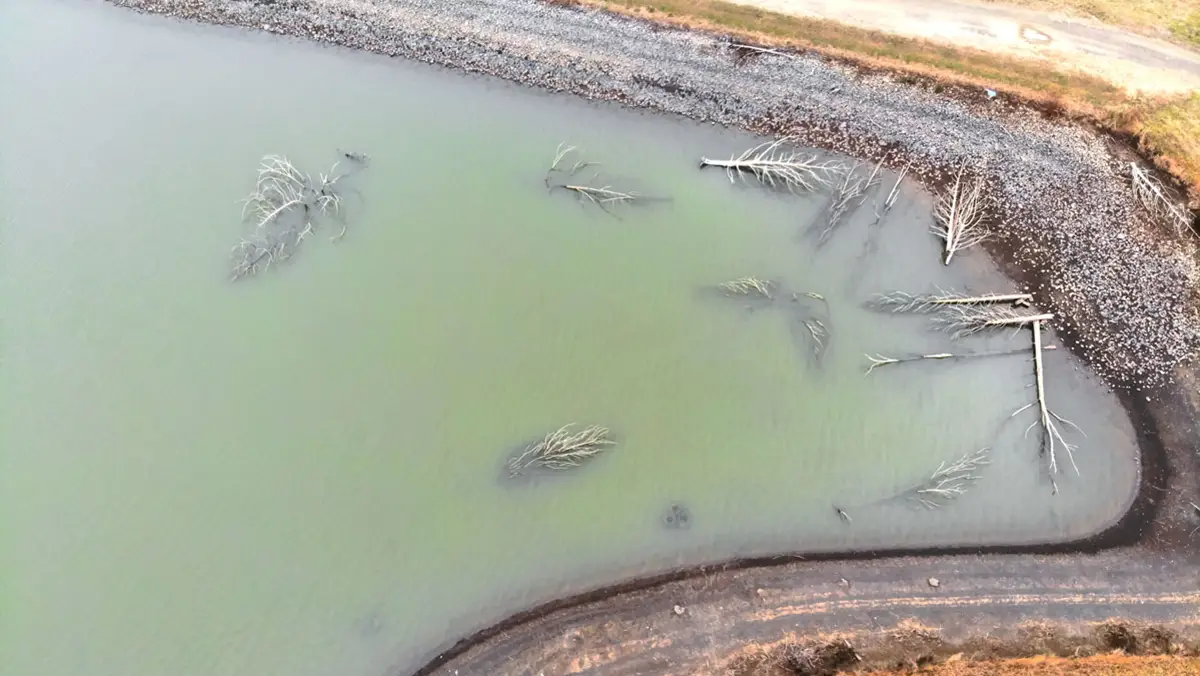
Fish aren’t everywhere. They gather where food and cover exist. Best beginner-friendly locations include ponds and small lakes with easy access and abundant panfish, piers and docks that are elevated and productive, and riverbanks and canals in the UK.
Where Fish Hide
Look for weeds, rocks, logs, and drop-offs. Fish also congregate where water depth changes and in shaded areas during hot days. Stay quiet and avoid splashing because fish hear and feel vibrations.
Fish at the Right Time of Day
Fish feed most actively when light is low. Early morning (dawn) is the top choice, followed by late afternoon to dusk. Cloudy days are better than bright, sunny ones. In winter, fish during the warmest part of the day (afternoon). Avoid midday sun in summer because fish retreat to deeper, cooler water.
Set the Correct Depth with Your Bobber
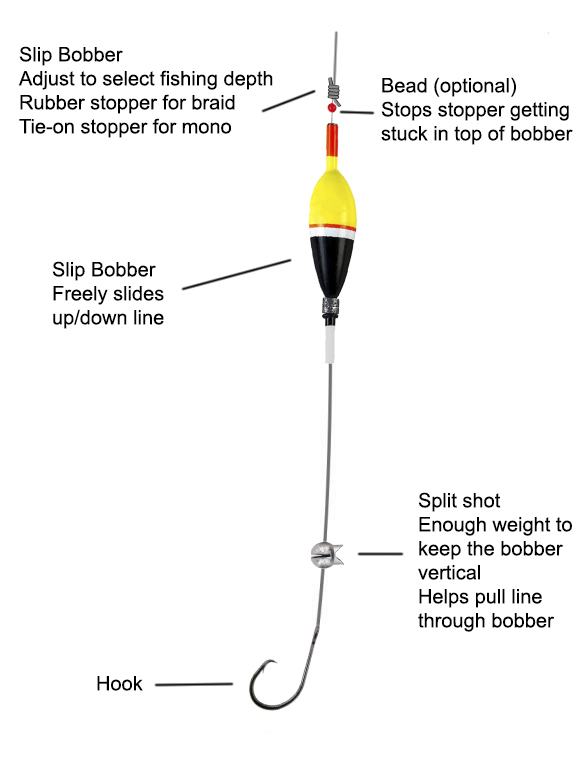
If your hook isn’t at the right depth, fish won’t find it. Cast out with a small weight and watch the bobber. If the float sinks underwater, it’s too shallow so move the bobber up. If the float stays on surface, it’s too deep so move the bobber down. Adjust until the bobber sits just above water, meaning the hook is on the bottom.
Watch for Bites and Set the Hook
Watch your bobber closely because a bite isn’t always a violent tug. Signs include a sudden dip below the surface, jerky side-to-side movement, or a slow steady pull.
How to Set the Hook
Lift the rod quickly but smoothly. Don’t yank. Just a firm upward motion. Start reeling as soon as you feel resistance. If no bite occurs in 5-10 minutes, recast, add fresh bait, or try a new spot.
Land and Handle Fish Safely
A landing net prevents escape and reduces stress on the fish. For small fish like bluegill and roach, wet your hands first to protect the fish’s slime layer. Hold gently, never squeeze or hold vertically by the jaw.
Catch-and-Release Best Practices
Keep fish in water while unhooking. Use pliers or a dehooker tool for deep hooks. Crimp barbs flat for easier release. Revive fish by holding them upright until they swim away strongly.
Dress for Success and Safety
Fishing is outdoor work, so protect yourself. Must-haves include polarized sunglasses to cut glare and see into water, sunscreen and UPF clothing to prevent sunburn, a hat for sun protection, a personal flotation device if wading or boating, and a first-aid kit for cuts and hook injuries.
Respect the Environment While Fishing
Fishing is a privilege. Protect the resource. Follow bag and size limits. Carry out all trash, especially fishing line. Recycle monofilament at tackle shops. Clean, drain, and dry gear to stop invasive species. Never move fish or plants between waters or release live bait into new waters.
Frequently Asked Questions About Fishing for Beginners
What is the best time of day to go fishing?
Dawn and dusk are prime times because fish feed most actively in low light. Early morning is the top choice for most freshwater fishing. Cloudy days improve midday fishing compared to bright sunny days.
Do I need a fishing license as a beginner?
Yes, a fishing license is required in most places. In the U.S., all 50 states require licenses for anglers over 16. In the UK, you need a rod license for freshwater fishing if you’re 13 or older. Many areas offer free fishing days where you can try without a license.
What is the easiest fish to catch as a beginner?
Bluegill and sunfish are the easiest for U.S. beginners. They are abundant, eager biters, and perfect for kids. In the UK, roach and rudd are frequent biters ideal for learning float fishing.
How do I know if I’m using the right fishing line strength?
For panfish and bass, use 6-8 lb test monofilament. This is light enough to be sensitive but strong enough to handle these species. In the UK, 10 lb test is common for coarse fishing.
Can I fish without a boat?
Absolutely. Most beginners start from shore. Ponds, lakes, riverbanks, piers, and docks all offer great fishing opportunities without a boat. Wade fishing in shallow streams is another excellent option.
What should I do if I catch a fish I don’t want to keep?
Practice catch-and-release. Keep the fish in water while unhooking, use barbless hooks or crimp barbs flat, and revive the fish by holding it upright in water until it swims away strongly. This helps sustain fish populations for future anglers.
Key Takeaways for Your First Fishing Adventure
Fishing is simple, rewarding, and accessible to everyone. You don’t need expensive gear or years of experience to catch your first fish. Just a rod, a license, some bait, and a quiet spot by the water. Start with a spinning reel combo, use monofilament line, and practice casting with a rubber plug before your first trip. Focus on live bait like worms to maximize your chances of success. Remember to watch your bobber closely, set the hook firmly, and always handle fish with wet hands.
Start small. Practice casting. Be patient. Watch the bobber. And when it dips, set the hook. You’re not just learning to fish. You’re starting a lifelong adventure. Now go fish.