Fishing is one of the most accessible outdoor activities you can learn. Whether you’re casting from a quiet pond, a rocky riverbank, or a coastal pier, the thrill of feeling that first bite is unforgettable. This guide gives you everything you need to start fishing today, legally, safely, and successfully. From choosing your first rod to landing and releasing your catch, we will walk you through every step using real-world tips from seasoned anglers.
You do not need expensive equipment or years of experience. With under $200, a fishing license, and this guide, you are ready to cast your first line.
Get Your Fishing License First
Before you cast your first line, make sure you are legal. A fishing license is required in most places before you can fish.
United States License Requirements
In the U.S., licenses are issued by state wildlife agencies. Anglers under 16 or 17 (varies by state) usually fish free. One-day licenses cost under $20, while annual ones range from $30 to $150. You can buy online, at tackle shops, or some tax offices. In Texas, 100% of license fees fund conservation through the Texas Parks and Wildlife Department.
England and Wales Rod Licence
In England and Wales, a rod licence is mandatory for anyone 13 or older fishing in freshwater. Sea fishing does not require a licence. It is free for those under 16. You can purchase online, at Post Offices, or by calling the Environment Agency. Salmon and sea trout need an additional permit. Fishing without a license can lead to fines up to £2,500 in the UK.
Free Fishing Opportunities
Some areas offer free fishing days or events. Check with your state or local agencies for free fishing opportunities. Some state parks offer no-cost access on special weekends.
Choose Your First Fishing Spot
Picking the right water makes a huge difference in your success. Even as a beginner, the right spot can mean the difference between catching nothing and catching your first fish.
Best Places for First-Time Anglers
Ponds and small lakes are ideal for beginners. They are calm, easy to access, and often stocked with panfish or bass. Piers offer stable footing and are great along coasts without needing a boat. Rivers and streams are ideal for trout, especially where you find riffles and pools. Wade fishing lets you get close to fish in shallow banks without gear.
Where Fish Actually Hide
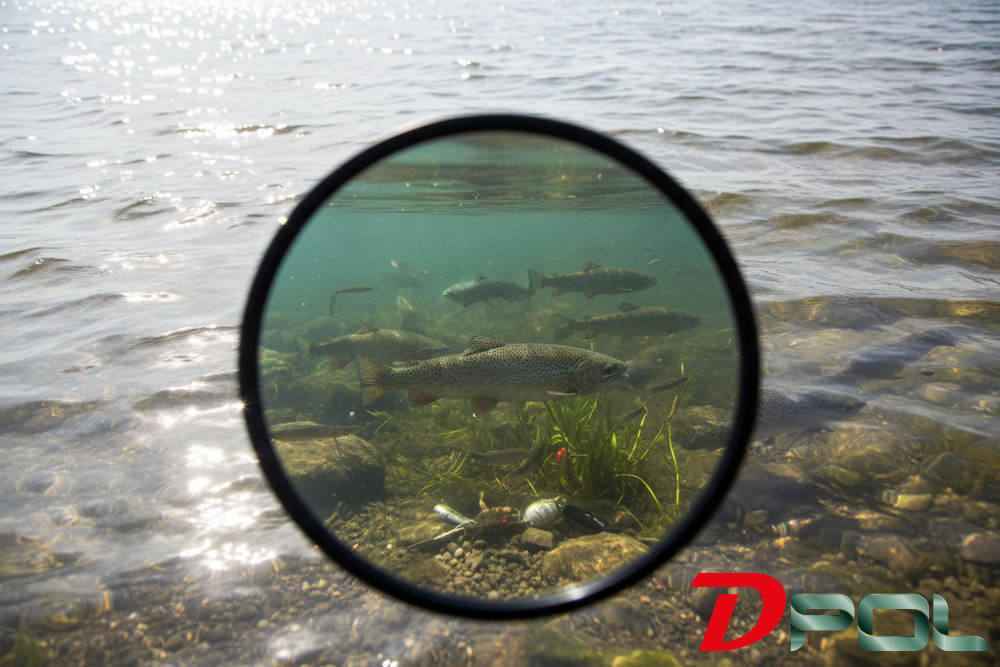
Follow the 90/10 Rule: 90% of fish occupy just 10% of the water. Look for weeds, rocks, and fallen trees. Target drop-offs and depth changes. Look for undercut banks and overhanging branches. Find points extending into water. Locate docks, piers, and lily pads. In rivers, target eddies behind rocks and logjams where fish rest and ambush prey. Wear polarized sunglasses to cut glare and spot fish beneath the surface.
Finding Fishable Water
Use TakeMeFishing.org to find public fishing spots by state. Apps like Fishbrain and FishAngler show real-time catches and hot zones. Talk to staff at local tackle shops. They know where fish are biting right now.
Essential Gear for Your First Fishing Trip
You do not need everything on the market. Start with the essentials and build from there.
Starter Fishing Kit Under $200
A spinning rod and reel combo is easy to use and versatile. Use 8 lb monofilament line, strong enough for most fish. Hooks in sizes 6 to 8 are perfect for panfish and bass. A bobber shows when fish bite. Split shot sinkers keep your bait down. Live bait like worms works on nearly every species. Pliers and a net help you land and release fish safely. A tackle box keeps everything organized.
Choosing Your First Rod
A 6’8″ to 7’2″ rod gives you ideal control and casting ability. Medium-light to medium power handles bass, trout, and bluegill. Medium action bends in the upper half for balanced performance. Avoid ultra-cheap reels. They tangle and break easily. Shimano is a trusted brand known for durability.
UK Coarse Fishing Setup
For UK coarse fishing, try a 10 to 12 foot whip rod. It is great for accuracy and distance. Use a fixed spool reel in the 4000 to 5500 range.
Pick the Right Fishing Line and Bait
Your line connects you to the fish. Choose wisely, and your bait will do the rest.
Fishing Line Types
Monofilament is best for beginners and general use. It is stretchy, forgiving, and cheap. Fluorocarbon works well in clear water. It is nearly invisible and sinks fast. Braided line is best for heavy cover and deep water. It is strong, sensitive, and casts far. Use 8 lb test monofilament to start. It is strong enough for most fish and easy to tie.
Natural Bait That Works
Earthworms are the universal favorite. They work on bass, catfish, and trout. Maggots are the top choice in the UK for chub and roach. Minnows work for bigger predators like pike. Crickets, grubs, and leeches are great for trout.
Artificial Lures for Beginners
A Wacky Worm is highly effective. Hook a soft plastic stick worm through the middle, cast, let it sink, then twitch. Bass love it. Spinnerbaits create flash and vibration that attract fish near weeds. Crankbaits dive and wobble like injured fish. Jigs and Ned Rigs bounce along the bottom for bass and walleye. Use simple colors: white, silver, chartreuse, red, and green.
Rig Your Fishing Rod in 7 Simple Steps
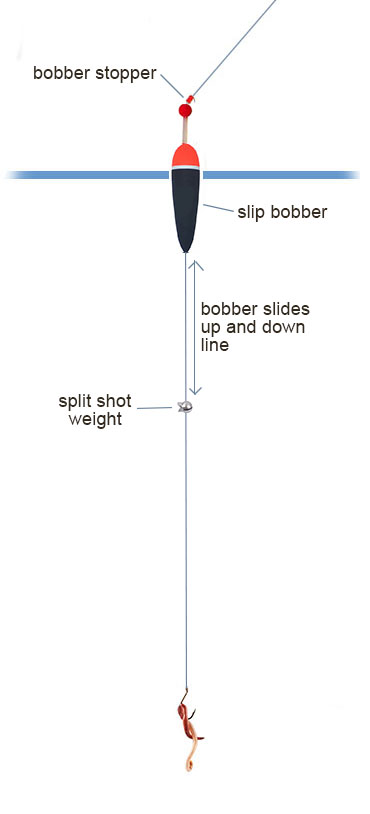
Follow this step-by-step setup to get fishing fast.
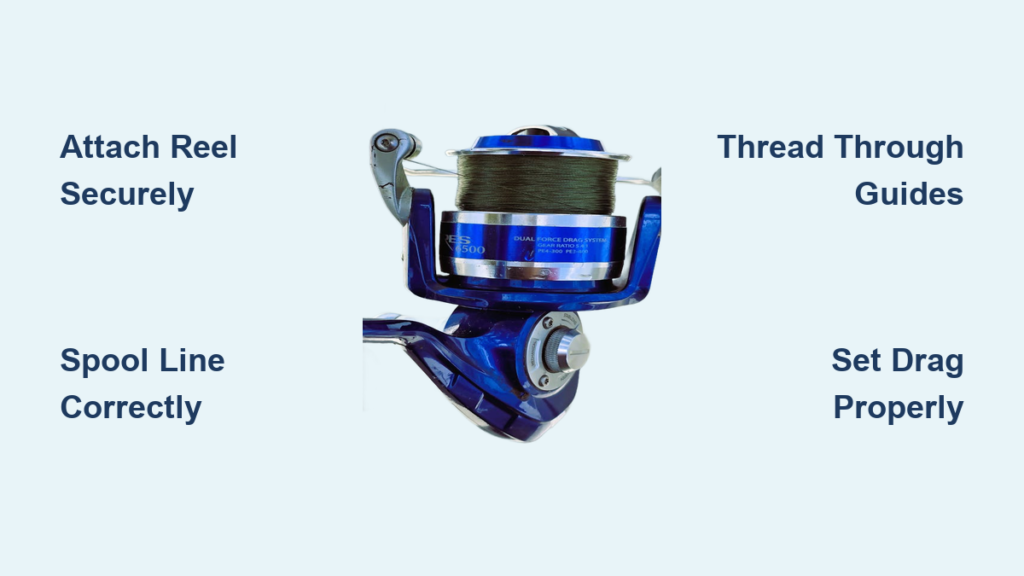
Step 1: Attach the Reel
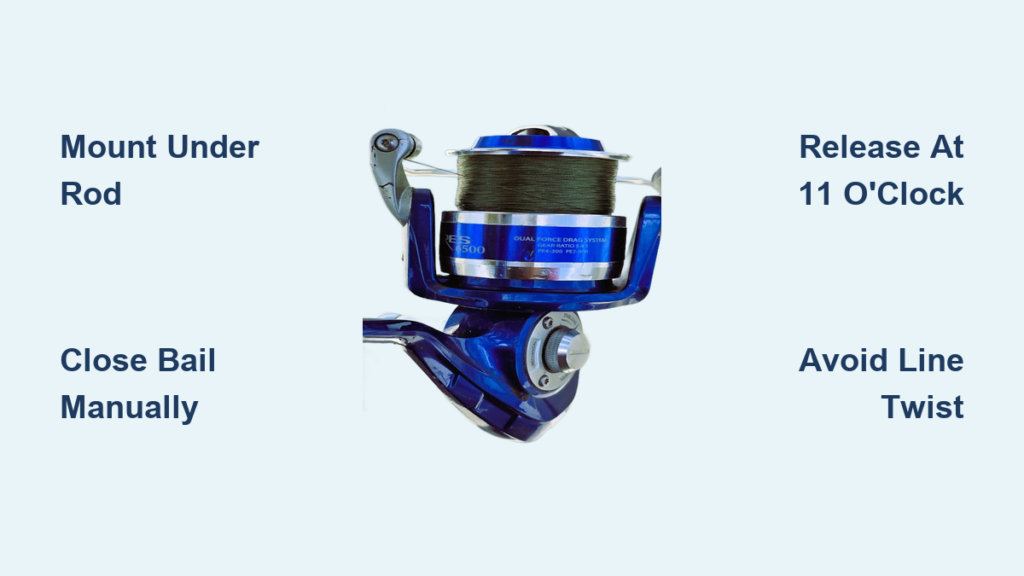
Slide the spinning reel onto the rod handle. Tighten the locking ring. Make sure the bail opens and closes smoothly.
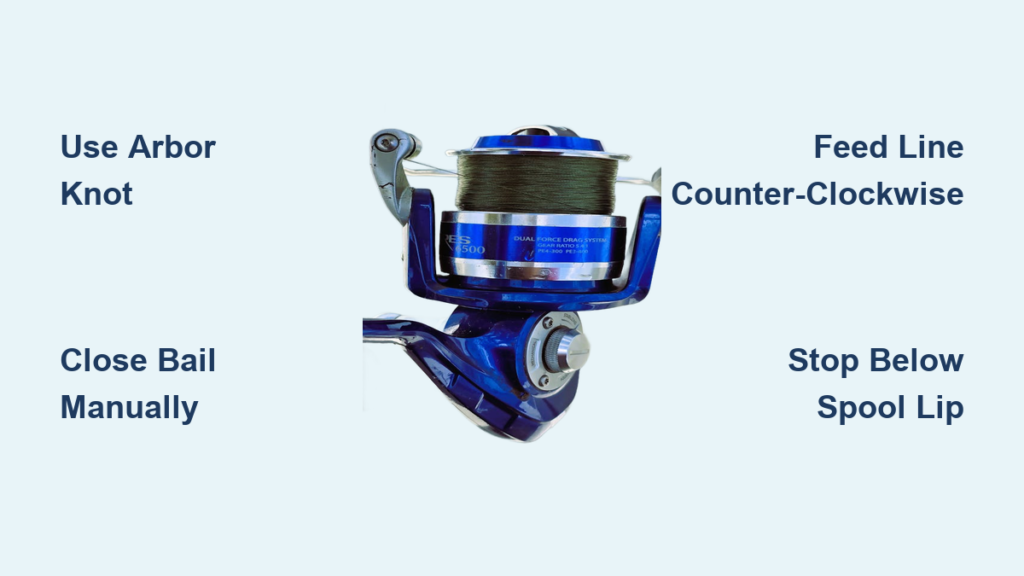
Step 2: Spool the Line
Tie the line to the spool with an arbor knot. Place the spool on the ground with the label facing up. This prevents twists. Feed line through the first guide. Reel until the spool is 1/8 inch from the rim. Close the bail.
Step 3: Thread the Guides
Pull line through each guide from bottom to top. Leave 12 to 18 inches past the tip.
Step 4: Add the Float
Slide a bobber onto the line. Use split shot sinkers above and below to hold it in place.
Step 5: Add Weight
Place 1 to 2 split shot sinkers 6 to 12 inches above the hook. Use enough weight to sink the bait, but not so much that it pulls the float under.
Step 6: Tie the Hook
Use the improved clinch knot. Thread line through the hook eye with 5 to 6 inches of slack. Wrap the tag end around the standing line 5 to 6 times. Pass the tag end through the small loop near the eye. Then pass it through the big loop. Wet the line, pull tight, and trim excess.
Step 7: Final Check
Check for line twists. Make sure the drag setting is loose enough to let fish run. Confirm the hook is sharp and secure. You are ready to fish.
Master Basic Casting Techniques
Casting takes practice. Do not expect perfection on your first try.
Overhead Cast with Spinning Reel
Open the bail with your non-dominant hand. Pinch the line with your index finger. Bring the rod back, then forward in one smooth motion. At the top of the swing, release your finger to let the line fly. Close the bail after the cast.
Troubleshooting Common Casting Problems
If your line tangles, you released too early. If the plug lands short, you released too late. Use a rubber casting plug to practice in an open field before fishing.
Underarm Cast for Tight Spots
This technique is common in UK coarse fishing. Hold the rod low. Swing up and forward like a pendulum. Release at peak momentum. This helps you avoid trees and overhanging branches.
Find Fish: Read the Water Like a Pro
Fish follow patterns. Learn them, and you will catch more.
In Lakes
Focus on weed beds, rocky points, and sunken logs. Cast near drop-offs. Fish move up and down with temperature changes throughout the day.
In Rivers
Fish face upstream. Cast slightly above them and let your bait drift naturally. This mimics real prey. Target undercut banks and eddies behind rocks. Fish use these areas to rest and ambush food.
Watch for Clues
Birds diving indicate baitfish below and predators are feeding. Splashes or swirls mean fish are active. Ripples could be feeding carp or trout. Polarized sunglasses help you see into the water and spot fish, structure, and shadows.
Hook, Play, and Land Your First Fish
This is the moment you have been waiting for.
Detect the Bite
With a bobber, watch for dips, twitches, or disappearance. With a lure, feel for a tap, thump, or sudden weight. With live bait, watch for line movement or rod tip vibration. Wait one second before setting the hook. This gives the fish time to take the bait.
Set the Hook Properly
Point the rod tip upward. Pull back firmly but smoothly. Lift 3 to 4 feet and add a slight sideways tug to embed the hook. Do not yank too hard. You will tear the mouth.
Play the Fish
Keep the rod tip up to maintain tension. Let the fish run when it pulls hard. Do not reel against it. Use the drag system to release line under pressure. Tire the fish by reeling when it slows, giving line when it surges. Never crank the fish in fast or you will break the line.
Land the Fish Safely
Bring the fish close. Use a rubber net. It is gentler on scales and slime than nylon. Scoop from behind the head or under the belly. Keep the fish in the water as much as possible. This is where most fish are lost. Stay calm and patient.
Handle and Release Fish Properly

If you are not keeping your catch, release it right.
Safe Handling Tips
Wet your hands before touching the fish. This preserves the protective slime layer. Never squeeze the belly or touch gills. Hold the fish head down with fins flat. Use damp gloves or a wet towel for better grip.
Unhooking Tools and Techniques
Needle-nose pliers work best for shallow hooks. A dehooker tool reaches deep without harm. Side cutters let you cut the line if the hook is swallowed. Push the hook along the shank to remove it. For barbed hooks, push through slightly, then reverse.
Catch-and-Release Best Practices
Minimize air exposure. The rule is simple: hold your breath. When you need air, the fish needs air too. Use a damp mat or soft grass if placing the fish on land. Pour water over gills on hot days. If weighing, keep the fish in a keep net until ready.
The Release Process
Lower the fish into the water horizontally. Support it under the belly. Point the head into the current if present. Hold until it swims away on its own. Gently release when it fights to escape.
Fish Responsibly and Stay Safe
Fishing is fun, but safety and ethics come first.
Conservation Rules to Follow
Follow size and bag limits in your area. Avoid spawning seasons. Use barbless hooks for catch-and-release. Never move live bait between waters. This spreads invasive species. Clean, drain, and dry your gear after each trip.
Safety Tips for Every Trip
Fish with a buddy whenever possible. Wear a life jacket when wading or boating. Check the weather and avoid storms and high winds. Apply sunscreen and wear a hat. Carry a first-aid kit for hook pricks and cuts. Always look behind you before casting. Never cast near other anglers.
Frequently Asked Questions About How to Go Fishing
Do I need a license to go fishing?
Yes, a fishing license is required in most places. In the U.S., licenses are issued by state wildlife agencies. In England and Wales, a rod licence is mandatory for freshwater fishing for anyone 13 or older. Sea fishing in the UK does not require a licence.
What is the cheapest way to start fishing?
You can start fishing with decent gear for under $200. Buy a spinning rod and reel combo, 8 lb monofilament line, basic hooks, a bobber, split shot sinkers, and live bait. A fishing license typically costs under $20 for a one-day pass.
What is the easiest fish to catch as a beginner?
Bluegill, sunfish, and panfish are easiest for beginners. They are plentiful in ponds and lakes and will bite on simple bait like worms. Bass are also beginner-friendly once you master basic casting and retrieval.
What is the 90/10 rule in fishing?
The 90/10 rule means 90% of fish occupy only 10% of the water. Fish congregate in specific areas with food, shelter, and ambush points. Focus on structure like weed beds, rocks, drop-offs, and underwater logs.
How do I know if a fish is biting?
With a bobber, watch for sudden movement, dipping, or disappearance. With a lure, feel for taps or sudden resistance. With live bait, watch for line twitching or rod tip vibration. Wait one second after the bite before setting the hook.
What should I do if I catch a fish?
First, set the hook firmly. Play the fish by keeping tension and using the drag. Land it with a net. If releasing, wet your hands, support the fish in water, remove the hook carefully, and hold until it swims away strongly.
Key Takeaways for Starting Your Fishing Journey
Fishing is one of the most rewarding outdoor activities you can learn. With this guide, you now know how to get licensed, choose the right spot, gear up for under $200, rig your rod, cast properly, find fish, and handle your catch safely. The most important things to remember are to be patient, respect the water, and practice catch-and-release whenever possible. Even experienced anglers have slow days. The peace and tranquility of fishing is just as rewarding as the catch itself. Get your license, grab your gear, and head to the water. Your first cast is waiting.