
Rust can turn a prized fishing lure into forgotten tackle, but it does not have to be the end of its story. Whether you have pulled an old lure from the back of a damp tackle box or found one after a rainy season, knowing how to get rust off fishing lures is a skill every angler needs. The good news is that most rusty lures and their hardware can be restored with simple household items and proven techniques.
Rust forms when metal components like hooks and split rings are exposed to moisture, especially in saltwater environments or humid storage conditions. Left untreated, rust weakens metal, dulls hook points, and can damage lure finishes during cleaning. With the right approach, you can safely remove rust, revive appearance, and extend the life of your gear without spending money on replacements.
Remove Hooks and Split Rings Before Cleaning
Before cleaning the lure body, detach all metal components to prevent scratches and allow focused treatment of rusted parts.
Use side cutters or pliers to remove hooks and split rings, even if they look salvageable. Rust often penetrates beneath the surface, weakening the metal and increasing the risk of breakage during a fight. Removing hardware also prevents scratches to the lure paint during scrubbing.
Replacement is fast, cheap, and ensures reliability. Upgrading to chemically sharpened or stainless steel hooks can improve performance. If you plan to restore the old hardware, set it aside for separate treatment.
Rinse the Lure Body with Warm Water
Start by rinsing the lure under warm running water to remove loose dirt, salt, algae, and sand that could scratch the finish during cleaning.
Use a kitchen sprayer or garden hose nozzle to blast away debris from eyelets, joints, and crevices without touching the surface. Avoid rubbing at this stage because abrasive particles can cause micro-scratches if dragged across the paint.
Watch for cloudy water, which indicates dissolved grime is being removed effectively.
Clean the Lure with Dish Soap
Apply a few drops of Dawn dish soap to a damp paper towel or soft cloth and gently wipe the entire lure surface using light pressure.
Focus on stained or hazy areas, reapplying soap as needed. For tight spaces like bill cracks or hinge joints, use a soft-bristled toothbrush. Dish soap breaks down oils, biofilm, and residue without harming paint or clear coats.
Never use paper towels dry because they can scratch the finish. Always moisten first.
Treat Stubborn Stains with Toilet Bowl Cleaner
For stubborn rust stains or mineral buildup, use a non-alcohol toilet bowl cleaner. Spray directly on affected areas, especially around metal eyelets where rust often spreads.
Let sit for 10 to 15 seconds, then scrub with a soft toothbrush using circular motions. Rinse every 20 seconds to monitor progress and prevent overexposure.
Never use alcohol-based cleaners because they can cloud or peel clear finishes. Use non-abrasive, gel-type cleaners compatible with waxed surfaces.
Dry Thoroughly and Lubricate Joints
After cleaning, rinse thoroughly with warm water to remove all residue. Use a garden hose outdoors for complete removal.
Dry immediately with a microfiber cloth, wiping gently but completely including joints and recessed areas. Moisture trapped in hinges or screw holes leads to future corrosion.
For glide baits, swimbaits, or any jointed lure, apply a drop of Lucas Tool Box Buddy or similar multi-purpose lubricant to each hinge point. Work the body back and forth repeatedly; motion often returns within 20 seconds.
Let lures air-dry for 10 minutes post-wipe to ensure no hidden damp spots remain.
Restore Shine with Automotive Wax
Revive faded finishes with automotive or marine wax. Spray Lucas Slick Mist Speed Wax evenly over the lure, wait 5 to 10 seconds, then buff with a clean microfiber cloth.
Follow with a second dry cloth for maximum gloss. Wax seals the surface, repels water, and enhances color depth. After treatment, lures look nearly factory-fresh.
Waxing also reduces future grime buildup and makes cleaning easier next time.
Soak Rusty Hooks in Coca-Cola

For light to moderate rust on hooks and split rings, Coca-Cola is a proven and accessible solution. Submerge hooks in Coke for 24 hours.
The phosphoric acid in the soda dissolves rust naturally. After soaking, rinse and wipe; rust often comes off with minimal scrubbing.
This method is inexpensive, safe, and effective for batches of hardware.
Use White Vinegar for Light Rust

Distilled white vinegar is a mild acid ideal for surface rust. Soak hooks for 1 to 2 hours, then rinse and scrub with a toothbrush if needed.
Vinegar is safer than stronger chemicals and widely available. It is less effective on heavy pitting or deep corrosion but works well for occasional use.
Try Lemon Juice and Salt Paste
Combine lemon juice and table salt for a natural rust remover. The citric acid breaks down rust while salt adds mild abrasion.
Apply the paste to rust spots, let sit for 30 minutes, then scrub with a brush. This method is best for spot treatment on hooks or small hardware and is biodegradable and non-toxic when rinsed properly.
Soak Hardware in Oxalic Acid Solution
Oxalic acid, found in wood bleach, is highly effective against rust stains. Mix 1 to 2 teaspoons per quart of warm water and soak hardware for 1 hour.
This removes rust without damaging nearby paint or finishes at low concentrations. Handle with care and wear gloves and eye protection because oxalic acid is more hazardous than vinegar or Coke.
Apply CLR for Fast Results

CLR (Calcium, Lime and Rust Remover) delivers quick, powerful rust removal. Soak or apply directly to metal parts and it works in minutes on iron oxide.
This method is ideal for heavily corroded hardware. Avoid prolonged contact with non-metal components and rinse thoroughly after use.
Use Naval Jelly for Precision Cleaning
Naval jelly is a gel-based phosphoric acid product for targeted rust removal. Apply directly to rusted spots, especially on treble hooks or split rings.
Leave on for the manufacturer-recommended time, usually 5 to 15 minutes, then rinse. The gel clings to vertical surfaces, minimizing runoff and overexposure.
Test on wooden lures first because naval jelly can affect finishes.
Scrub with Baking Soda Paste
Mix baking soda and water into a thick paste and apply with a stiff-bristled toothbrush or unscented stainless steel pad. Scrub in circular motions to lift rust.
This method is effective after chemical soaks to remove residual corrosion. It is labor-intensive but safe on most metals and time-consuming for large quantities.
Use Barkeepers Friend for Tough Rust
Barkeepers Friend contains oxalic acid and mild abrasives for heavy-duty cleaning. Use as a powder or paste on heavily rusted or tarnished hardware.
This is more aggressive than baking soda and great for restoring old jigheads or vintage tackle. It is difficult to apply in tight spaces like split rings.
Clean with Magic Eraser
Mr. Clean Magic Eraser (melamine foam) lifts surface rust and discoloration with minimal effort. Wet slightly and rub gently on hardware or lure bodies.
This method works best for light oxidation and cosmetic touch-ups. It requires little effort and leaves a clean finish.
Try Jims Sea Foam Rust Treatment
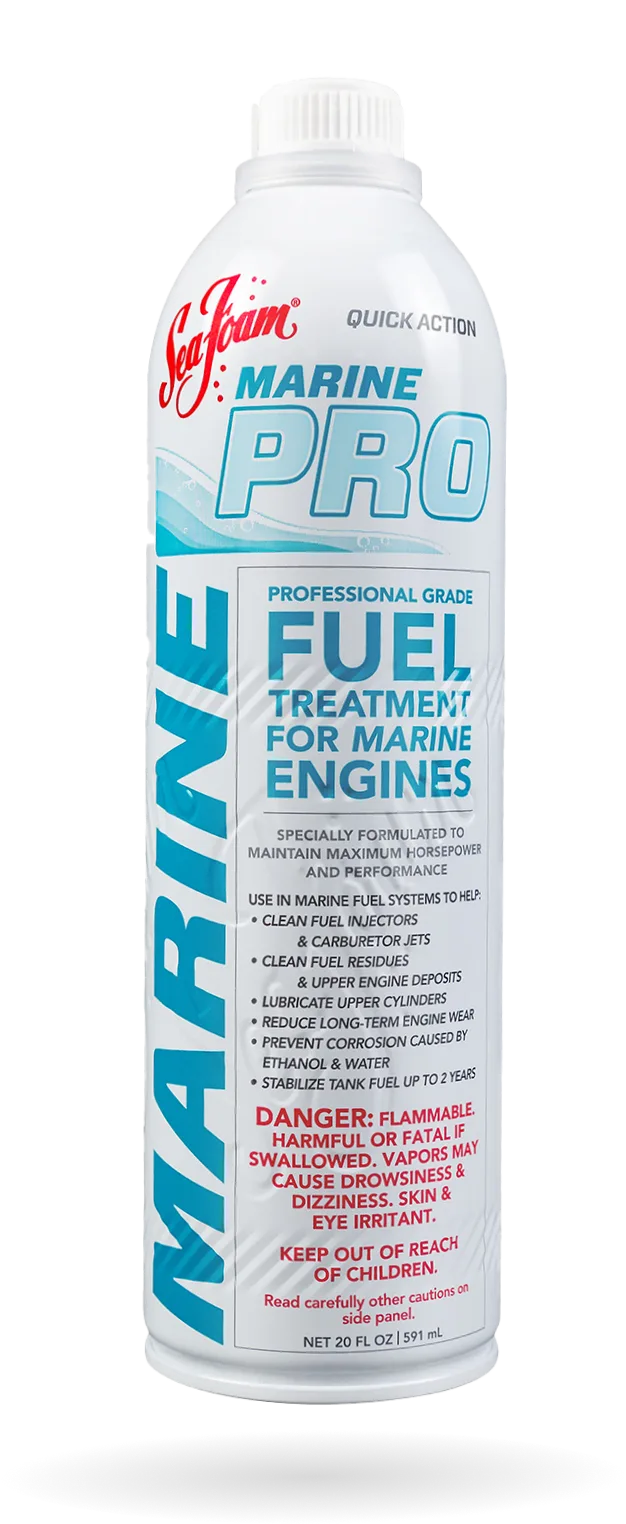
For heavily rusted hardware, Marine Sea Foam delivers exceptional results through deep penetration.
Soak in Sea Foam
Submerge hooks and jigheads in Marine Sea Foam for 5 to 7 days. Rust visibly breaks down into the liquid. Longer soaks up to 10 days work for severe cases.
Sea Foam was originally designed for engine cleaning, making it a powerful degreaser and solvent.
Scrub After Soaking
After soaking, drain and transfer hardware to a tray. Apply baking soda paste or Barkeepers Friend slurry and scrub with a firm toothbrush.
Optional: Add fishing scent to the paste for dual-purpose cleaning and attraction. Wipe clean with a cloth.
Sea Foam does most of the work, so minimal scrubbing is required.
Sharpen All Hooks After Cleaning
After cleaning, sharpen every hook with a file or hook sharpener. Even clean-looking hooks dull over time.
Sharp points ensure better penetration and higher hookup rates. This step is critical for performance.
When to Replace Instead of Restore
Sometimes replacing hardware makes more sense than restoring it.
Replace when time is limited because cleaning takes longer than swapping. Replace when cost is a factor since hooks and split rings are cheap. Replace for performance-critical situations because new hooks are guaranteed sharp and strong.
Replace when rust has compromised structural integrity because severe corrosion may have weakened the metal.
However, restore sentimental lures that have irreplaceable value. Restore when bulk restoration saves hundreds of dollars in tackle. Restore to reduce environmental waste and for the satisfaction of bringing gear back to life.
Final Tips for Preventing Future Rust
After cleaning, prevent future rust with good habits. Rinse lures after every use, especially in saltwater. Dry completely before storage.
Store in a dry tackle box and add silica gel packs to absorb moisture. Inspect hardware monthly for early signs of corrosion.
Wax lures every few months to maintain finish and repel water. Keep a cleaning kit with soap, toothbrush, microfiber cloth, and wax in your garage or shed.
Frequently Asked Questions About Removing Rust from Fishing Lures
Does Rust on Lures Affect Catch Rates?
Rust itself does not necessarily affect catch rates, but dull hooks do. Even minor rust can compromise hook sharpness and structural integrity. After cleaning any lure, always sharpen the hooks to ensure better penetration and higher hookup rates.
What Household Items Remove Rust from Fishing Lures?
Several household items work effectively. Coca-Cola soaks for 24 hours dissolve light to moderate rust. White vinegar soaks for 1 to 2 hours treat surface rust. Lemon juice mixed with salt creates an abrasive paste for spot treatment. Baking soda paste provides gentle mechanical cleaning.
Can You Restore Heavily Rusted Lures?
Yes, heavily rusted lures can be restored using aggressive methods. Sea Foam soaks for 5 to 7 days penetrate deep rust. CLR or naval jelly work quickly on severe corrosion. Oxalic acid solutions remove stubborn stains that other methods miss.
Mechanical scrubbing with Barkeepers Friend after chemical soaks provides the best results for heavily damaged hardware.
Should You Replace Rusty Hooks Instead of Cleaning Them?
Replacing rusty hooks is often faster and more reliable than cleaning them. New hooks are guaranteed sharp and corrosion-free. Hooks and split rings are inexpensive, so replacement costs are minimal. Severely rusted hooks may have compromised structural strength and could break under the pressure of a fish fight.
How Do You Protect Lures from Rust After Cleaning?
Protect lures by rinsing them after every use, especially in saltwater. Dry completely before storage and store in a dry tackle box with silica gel packs. Apply automotive or marine wax every few months to seal the finish and repel moisture. Inspect hardware monthly for early signs of corrosion.
Key Takeaways for Getting Rust Off Fishing Lures
Removing rust from fishing lures is straightforward when you follow a systematic approach. Start by removing all hooks and split rings, then clean the lure body with warm water and dish soap before treating stubborn stains with non-alcohol toilet bowl cleaner.
For hardware, choose your rust removal method based on severity. Light rust responds well to Coca-Cola or vinegar soaks. Heavy rust requires Sea Foam, CLR, or oxalic acid treatments. Always follow chemical soaks with mechanical scrubbing using baking soda or Barkeepers Friend.
Regardless of which method you choose, the final step is critical: sharpen every hook after cleaning. Dull hooks will cost you fish, no matter how clean the lure looks. With the right techniques and a little patience, even the rustiest lures can return to duty looking sharp and performing better than ever.