
Nothing ruins a perfect day on the water faster than a twisted, tangled, or broken fishing line. Whether you’re battling a trophy fish or just casting into calm shallows, line problems can cost you bites, gear, and time. The good news? Most fishing line issues are fixable, often quickly and without replacing your entire setup. Knowing how to fix a fishing line properly means the difference between frustration and success.
The core issues anglers face include line twist, tangles known as bird’s nests, and unexpected breakage. These problems stem from improper spooling, spinning lures, drag slippage, or worn line. Left unchecked, they reduce casting distance, weaken strength, and compromise lure action. This guide walks you through every step to diagnose, repair, and prevent fishing line failures, so you stay ready for the next bite.
Diagnose the Problem Before Fixing
Before grabbing tools or new line, identify what is actually wrong. Different symptoms require different fixes.
Check for Line Twist
If your line coils like a phone cord after casting, you have twist. Other signs include frequent wind knots, lure spinning unnaturally in the water, and reduced casting distance. Twist builds up over time from spinning lures, drag slippage, or incorrect spooling. It weakens the line and increases tangles.
Identify Tangles and Backlashes
A bird’s nest on a spinning reel or a backlash on a baitcaster means the line jumped off the spool. Causes include overfilling the spool, poor casting technique especially on baitcasters, and wind interference during retrieval. Small loops can be fixed without cutting, but full nests may need partial or complete re-spooling.
Spot Weak or Damaged Line
Fraying, discoloration, or stiffness signals wear. Run the line through a damp cloth. If it snags, there is abrasion. If it feels brittle, UV or age has degraded it. Replace any section that shows damage, especially near the lure end where stress is highest.
Fix Line Twist Without Re-Spooling
You do not always need to change the line. Try these field effective methods first.
Tow the Line Behind a Boat
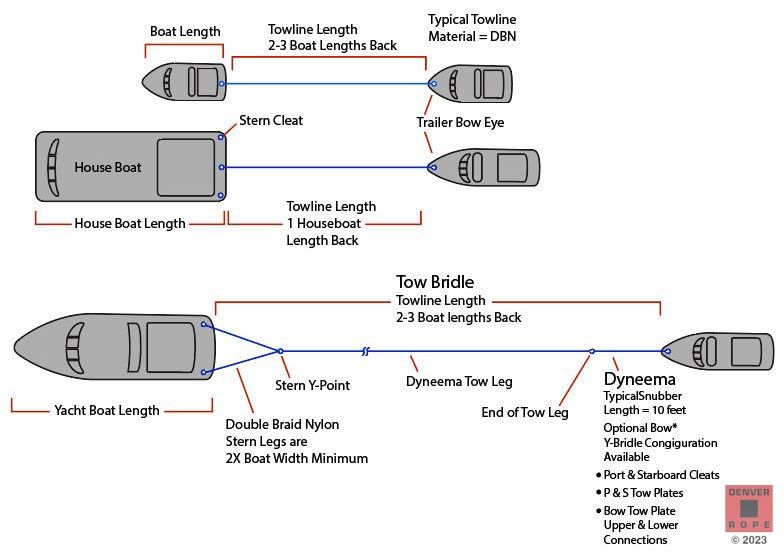
This is one of the fastest ways to remove twist. First, remove the lure and hook. Then let out 50 to 100 feet of line behind a slow moving boat. Finally, reel it back in under light tension. Water resistance naturally untwists the line. This method works best in open, calm areas. Avoid busy channels.
Pro Tip: A strong river current works too. Wade in, let the current pull the line downstream, and slowly reel it in.
Hang and Spin the Rod
No boat? Use gravity and rotation. First, tie the line end to a tree branch or post. Next, walk backward until the line is taut. Then let go of the rod and let it spin freely. The rod weight causes the reel to rotate, releasing stored twist. Repeat until the line hangs straight.
Loosen Drag to Release Coils
For mild twist, use your reel drag system. First, loosen the drag completely. Then pull line off the spool slowly, letting it unwind naturally. Next, feed it through grass or let a breeze catch it to dissipate coils. Finally, reel it back evenly. This prevents adding more twist during retrieval.
Replace Line When Damage Is Severe
If the line is frayed, weak, or twisted beyond repair, it is time for a fresh spool.
Cut Off Old Line Completely
Do not just tie over damaged sections. Old line holds memory and weak spots. First, open the bail arm. Next, cut the line near the rod tip. Then reel in until slack appears and cut again at the spool. Finally, remove all old line. Now clean the spool with a damp cloth to remove dirt and salt residue.
Inspect Reel Before Re-Spooling
Check these parts. The bail arm should flip open and closed smoothly. The line roller must spin freely. Replace if cracked or stiff. The spool bearings must have no grit or corrosion. A dirty or damaged reel will ruin even the best line.
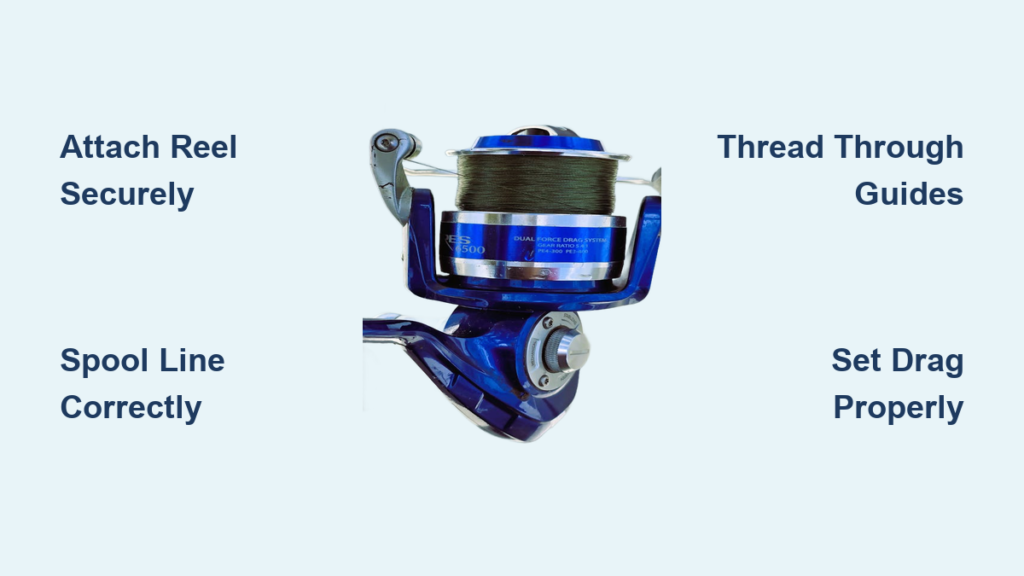
Spool Line the Right Way
Proper spooling prevents 90 percent of future issues. Follow these steps carefully.
Match Line to Reel and Rod
Never exceed your reel line capacity or rod test rating. Use 4 to 8 pound test for light spinning gear. Braided line is stronger and thinner, ideal for long casts. Fluorocarbon is best for clear water and abrasion resistant. Check spool labels. Overfilling causes tangles. Underfilling reduces casting power.
Attach Line with a Secure Knot
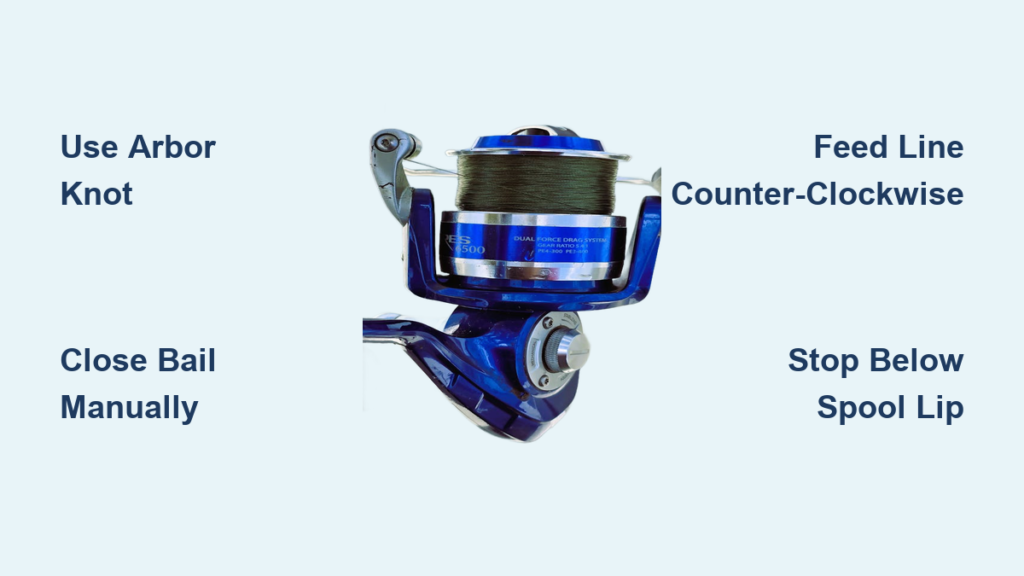
For braided line, use an arbor knot. First, wrap the spool hub with electrical tape to prevent slippage. Next, pass line around the arbor. Then tie an overhand knot with the tag end around the standing line. Tie a second overhand knot in the tag for backup. Pull tight and trim.
For mono or fluoro, use a slip knot. First, form a loop and wrap the line around your fingers twice. Next, pull the main line through to create a slip knot. Place over the spool and tighten. Both knots lock the line in place during winding.
Thread Line Through All Guides
Start at the tip. First, run line through the tip top guide. Continue down through each rod eyelet. End at the line roller in front of the reel. Leave 5 to 6 feet extra beyond the rod tip for testing later.
Align Spool Direction to Prevent Twist
This is critical. If the supply spool feeds backward, it introduces twist. First, turn the reel handle and note spool rotation, usually counter clockwise. Next, position the filler spool so line comes off in the same direction. If line curls upward, flip the spool over.
Visual Cue: Line should lay flat on the reel spool, not coil or jump.
Apply Light, Steady Tension While Winding
Hold the line between thumb and forefinger about 12 inches above the spool. Too loose causes loose, messy wraps. Too tight stretches mono or damages braid. For monofilament, place the filler spool in a bucket of ice water. Cold reduces memory and helps it lay smoothly.
Wind Evenly and Control Fill Level
Start slowly and watch the first few wraps. Move the rod side to side to spread the line. Stop when line is 1/16 inch below the spool rim. Overfilling causes loops to jump off during casting, leading to tangles.
Prevent Tangles and Backlashes
Avoid the most common on water disasters with smart habits.
Stop Bird Nests on Spinning Reels
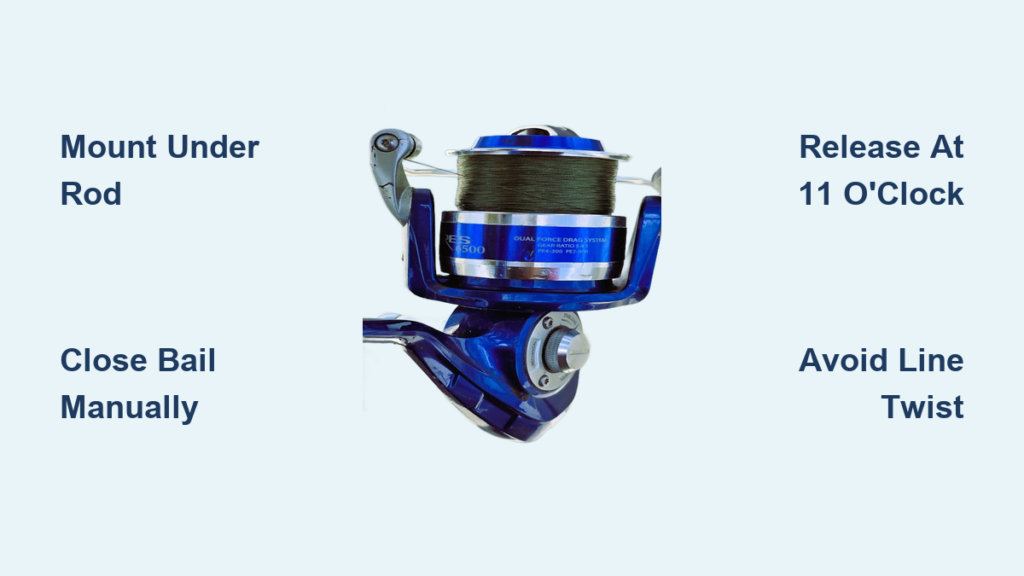
Never open the bail and pull line off after a long cast. Instead, loosen the drag and pull line off slowly by hand. Then reel in normally. This prevents loops from collapsing into a nest.
Avoid Baitcaster Backlashes
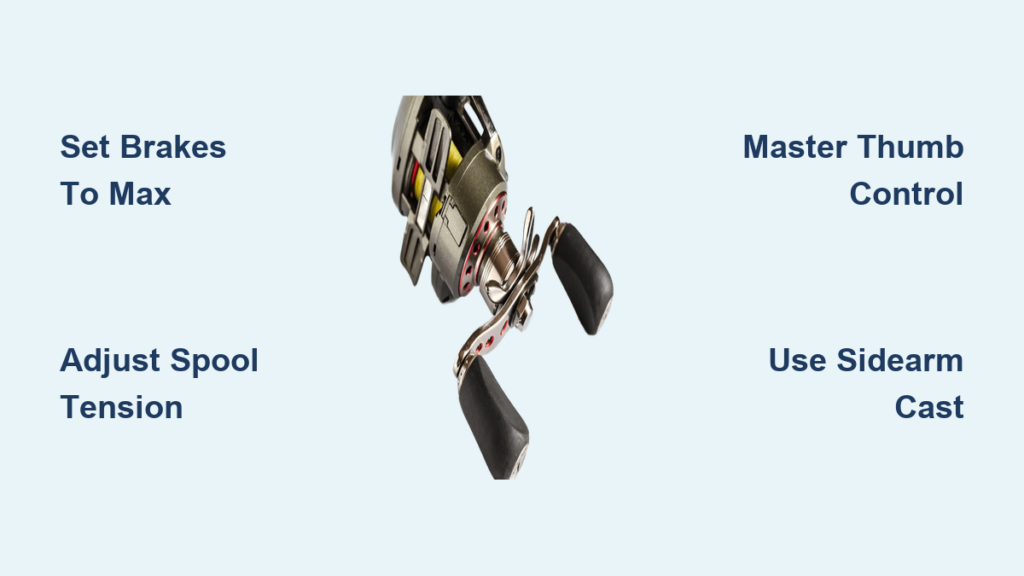
Master these three controls. Use thumb pressure to feather the spool during cast. Adjust the spool tension knob, tighter for light lures and looser for heavy ones. Use the braking system, magnetic or centrifugal brakes for consistency. Practice on land before hitting the water.
Choose the Right Line for Your Setup

Not all lines behave the same. Pick based on your needs.
Monofilament: Affordable and Stretchy
Monofilament is forgiving with good knot strength. It holds memory and degrades in UV. Best for beginners and topwater lures. Replace every 6 to 12 months.
Braided Line: Strong and Sensitive
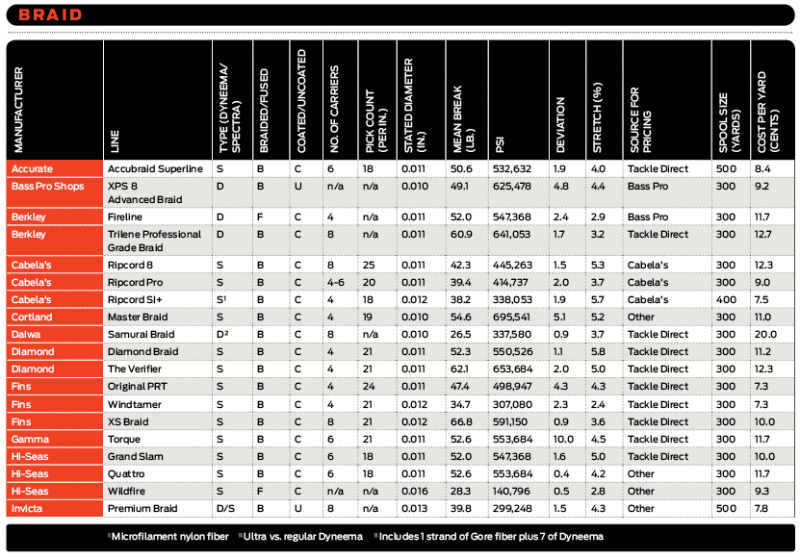
Braided line has no stretch, long casting, and durable. It can slip on spool and is more visible. Best for heavy cover and deep water. Always use a mono or fluoro leader 6 to 12 inches to reduce visibility.
Fluorocarbon: Invisible and Tough
Fluorocarbon has low visibility and is abrasion resistant. It is stiff and harder to tie knots. Best for clear water and rocky bottoms. Replace every 1 to 2 years.
Use Swivels to Stop Twist Buildup
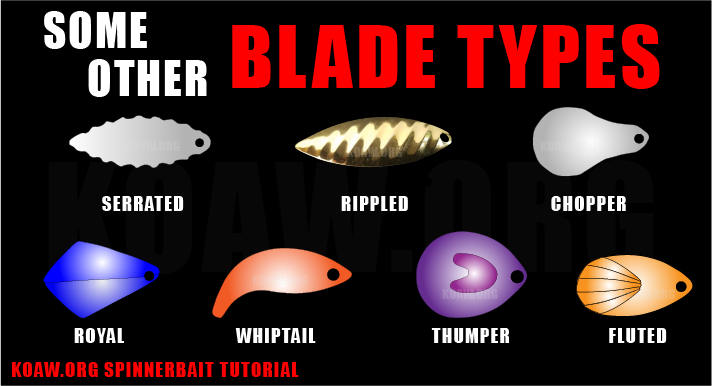
When using spinning lures, a swivel breaks the rotation chain.
Pick the Right Swivel
Use 13 pound test for small spinners and blade baits. Use 30 pound dual lock snap for medium lures and bass fishing. Use 70 pound SPRO Power Swivel for heavy spinnerbaits and saltwater. Always use a swivel rated above your line test.
Install It Correctly
Tie swivel to main line with a clinch knot. Attach leader or lure to the other end. Ensure it spins freely and test with your fingers. Do not use swivels with jigs, soft plastics, or topwater frogs. They ruin action.
Maintain Line and Reel Long-Term
Prevention beats repair. Keep your gear in top shape.
Replace Line on Schedule
Replace monofilament once a year, twice if fished weekly. Replace fluorocarbon every 1 to 2 years. Inspect braided line monthly and replace if frayed or faded. Sun, salt, and repeated stress degrade line over time.
Clean Reels After Every Use
Especially in saltwater, rinse with fresh water. Dry thoroughly. Store in a cool, dark place. UV and heat break down line fast. Never leave rods in direct sun.
Apply Line Conditioner
Use a commercial line treatment or silicone cloth. It reduces friction, improves casting, and minimizes memory in cold weather. Wipe it on every few trips.
Test Your Setup Before Casting
Never assume it is ready. A quick test saves trouble later.
Perform a Trial Cast
Tie on a lure. Cast 20 to 30 feet. Reel in slowly. Watch the line. Does it lay evenly on the spool? Does it jump or snag? Does the bail close smoothly? If not, check spool tension, guide alignment, or knot security.
Pull Test the Line
Grip the line near the lure and give a sharp tug. If it snaps at the knot, retie. If it breaks mid line, inspect for weak spots. Use an improved clinch knot or Palomar knot for maximum strength.
Frequently Asked Questions About Fixing Fishing Line
How do I know if my fishing line has twist?
Line twist shows up as coiling after casting, reduced casting distance, frequent wind knots, and unnatural lure spinning. Run your fingers along the line. If it feels coiled or kinked, twist is present.
Can I fix line twist without re-spooling?
Yes. Try towing the line behind a boat at slow speed, use the hang and spin method by tying the line to a fixed object, or loosen the drag and let line unwind naturally. These methods work for mild to moderate twist.
What causes bird nests on spinning reels?
Bird nests form when line jumps off the spool during casting or retrieval. Causes include overfilling the spool, opening the bail to pull line off after a long cast, and wind interference. Prevent by filling to 1/16 inch below rim and never opening bail to release line.
How often should I replace my fishing line?
Replace monofilament at least once per year, twice if you fish weekly. Replace fluorocarbon every 1 to 2 years. Braided line lasts longer but inspect monthly for fraying or fading. Replace immediately if damaged.
Does spooling direction matter?
Yes, absolutely. If the filler spool feeds line in the opposite direction to how the reel spool winds, it introduces twist immediately. Always align the supply spool so line unwinds in the same rotational direction as the reel takes it up.
Should I use a swivel with all lures?
No. Use swivels with spinning lures like spinners, spinnerbaits, and vibration baits to stop twist. Do not use swivels with jigs, soft plastics, or topwater frogs. The extra hardware ruins lure action and presentation.
Key Takeaways for Fixing Your Fishing Line
Fixing a fishing line is not just about quick fixes. It is about building a reliable system. Start by diagnosing the problem correctly. Line twist, tangles, and breakage each need different approaches. Use field methods like towing or hanging to remove twist without re-spooling. When damage is severe, cut off all old line and inspect your reel before spooling fresh line.
Proper spooling prevents 90 percent of future problems. Match line to your reel and rod, attach with a secure knot, thread through all guides, align spool direction, apply light tension, and fill to 1/16 inch below the rim. Use swivels with spinning lures and replace line on schedule. Clean your reels after every use, especially in saltwater.
Spend 10 extra minutes setting up right and you will save hours of frustration on the water. Stay prepared, stay patient, and keep your line strong.