
Nothing beats the natural appeal of a live, wriggling worm when you’re trying to catch fish. Whether you’re targeting bass, catfish, or panfish, knowing how to find worms for fishing can save money, boost your success, and deepen your connection to the outdoors. The key isn’t just grabbing any worm, it’s finding the right species, at the right time, using the most effective techniques.
This guide reveals the top methods, timing strategies, and sustainable practices so you can source live worms reliably, ethically, and efficiently. You’ll learn which species work best, when to hunt, and exactly how to collect them without damaging the environment.
Best Worm Species for Fishing Success

European Nightcrawler Characteristics
The European nightcrawler ranks among the top choices for anglers. This species grows up to 6 inches in length with a thick body that remains active in water for extended periods. Its coloration ranges from blue-gray to pinkish-purple with a pale yellow tail. These worms thrive in cool, moist soil rich in organic matter, making them common in gardens, lawns, and compost areas. Their vigorous movement makes them ideal for catching trout, walleye, and perch.
Common Earthworm Traits
The common earthworm, also known as the Canadian nightcrawler, reaches up to 8 inches when stretched. It features a dark reddish-brown body with a prominent cliTellum near the head. This species prefers deeper soil layers and emerges at night to feed, especially after rainfall. Its size and strength make it excellent for larger fish like catfish and bass.
Why Red Wigglers Fall Short
Red wigglers measure only 2 to 4 inches and have fragile bodies that break easily on hooks. While they can be used for small panfish, they die quickly in water and don’t hold up well. These worms belong in compost bins rather than bait containers.
Optimal Timing: When Worms Are Easiest to Find
Spring and Fall Provide Best Conditions
Worms are most active during spring and fall when temperatures range between 50°F and 70°F. In spring, they emerge after winter dormancy to feed and reproduce. In fall, they increase surface activity to store energy before cold weather arrives. These seasons offer the highest success rates for collection.
Avoid summer heat and winter freezes. During hot months, worms retreat deep underground to escape dry soil. In winter, they hibernate below the frost line, making them nearly impossible to reach without extensive digging.
Nighttime After Rain Is Ideal
Worms are nocturnal, surfacing 2 to 3 hours after sunset to avoid predators and sunlight. The best time to collect them is during or after light rain, especially warm spring showers. Rain saturates the soil, forcing worms to the surface to breathe and migrate across wet ground. Early morning after irrigation also works, but worms retreat quickly once the sun rises and the ground dries.
Wet Cardboard Baiting Technique
Setting Up Your Cardboard Trap
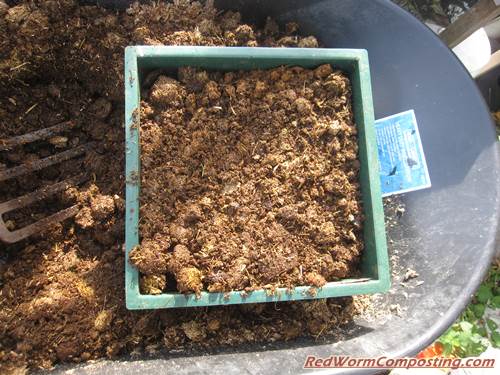
Wet cardboard ranks among the cleanest, most effective ways to attract worms. Find a flattened shipping box, soak it thoroughly, and place it on nutrient-rich soil in a shaded garden bed or lawn. Leave it undisturbed for 12 to 24 hours.
Worms are drawn to the moist, decaying cellulose, which mimics their natural food source. Lift the cardboard in the morning or evening to find dozens congregated underneath.
Pro Tips for Better Results
Sprinkle used coffee grounds beneath the cardboard for added attraction. Use a red light when checking at night because worms are less likely to flee from dim red illumination. This method works best in areas with visible worm casts or rich organic matter.
Ground Patting: Tool-Free Worm Collection
How Ground Patting Works
This method requires no tools and mimics light rainfall vibrations. On slightly damp soil, use a gentle rhythmic patting motion with your feet, like making soft footprints, over an area with visible worm casts. After 20 to 30 minutes, worms begin emerging from the soil.
Wait until worms are fully out before picking them up. Grasp them by the lighter-colored tail end to prevent breakage.
Why This Method Works Well
No digging means fewer damaged worms. It’s sustainable, quiet, and preserves soil structure. The vibrations mimic natural rainfall, triggering worms to rise toward the surface thinking moisture has arrived.
Artificial Rain Method for Worm Hunting

Creating Your Own Rainfall
When nature doesn’t cooperate, create your own rain. In the late afternoon or evening, use a garden hose or sprinkler to saturate a section of lawn or garden. Return 1 to 2 hours later under cover of darkness.
The moisture mimics rainfall, prompting worms to surface. Walk slowly and quietly because vibrations from footsteps can scare them back underground.
Best Applications for This Technique
This method works especially well during dry periods when worms aren’t naturally active. It performs best on well-maintained lawns with rich topsoil. Combine with nighttime collection for maximum results.
Worm Grunting with Vibrations
The Traditional Grunting Method
Insert a pitchfork into moist soil and rub the top with a flat piece of metal or hacksaw blade. The rhythmic vibrations mimic the movement of moles, natural worm predators, causing worms to flee to the surface.
Best done at night after rain in warm weather. This technique requires some practice, but experienced grunters can pull dozens of worms from a single spot.
Historical Background
This technique has been used for generations in the southeastern United States. It remains highly effective in rural or forested areas where soil stays moist and worm populations are dense.
Finding Worms Under Natural Cover
Check Under Moist Objects
Worms hide under anything that retains moisture. Flat rocks, wooden boards, bricks, leaf litter, and rotting logs all provide shelter. Lift these objects gently in the early morning or evening to find worms clustered underneath.
Always replace the cover to preserve the microhabitat for future collection.
Safety Considerations
Watch for snakes, spiders, or scorpions under rocks and logs. Use caution when lifting heavy objects and wear gloves if working in areas with dangerous wildlife.
Look for Worm Casts
Worm casts, small coiled mounds of soil on the surface, are clear signs of active worm presence. Focus your search in areas with visible casts, especially in lawns, gardens, or forest edges. These spots are prime real estate for collection.
Methods That Cause Harm
Why to Avoid Soapy Water
While mixing dish soap with water brings worms to the surface, it’s harmful. Soap irritates their skin and damages soil biology. Overuse kills beneficial microbes and plants. If you must use it, do so sparingly and rinse worms thoroughly before storage.
Skip Electric Pulse Devices
These DIY devices send electric shocks into the soil, forcing worms to surface rapidly. They’re dangerous, potentially fatal if mishandled, and illegal in some areas. They also often kill or weaken worms, making them poor bait.
Avoid Chainsaw Grunting
Placing a running chainsaw on a wooden stake creates intense vibrations that bring worms up fast. However, it’s noisy, disruptive, and unsafe, especially in residential areas. This method disturbs wildlife and neighbors.
How to Store Worms Safely
Short-Term Storage Guidelines
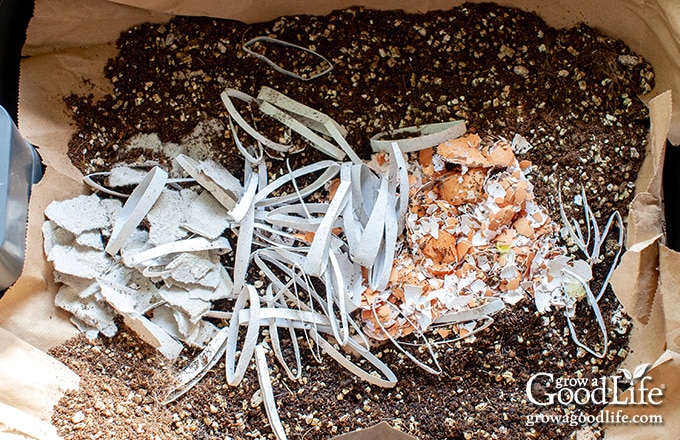
Use a ventilated container like a styrofoam cooler with holes. Add 2 inches of moist soil or peat moss plus a few vegetable scraps or cracker crumbs for food. Store in a cool dark place between 40°F and 60°F, such as a basement or refrigerator set above freezing.
Keep bedding damp but not soggy. Mist with water if drying out. Never freeze worms because they will not survive.
Building a Worm Farm
Frequent anglers should consider a worm bin. Use shredded newspaper, coconut coir, or loamy soil as bedding. Feed with coffee grounds, vegetable scraps, and eggshells. Avoid citrus and meat.
Maintain moisture and temperature, and rotate feeding zones. A well-maintained bin provides a steady supply of fishing worms year-round.
Transport Tips
Use an insulated cooler with damp newspaper or moss and ventilation holes. Frozen water bottles keep temperatures cool without freezing worms. Avoid direct sunlight and extreme heat during transport.
Sustainable Harvesting Practices
Rotate Your Collection Sites
Don’t strip one area bare. Overharvesting depletes soil fertility and disrupts nutrient cycling. Collect modestly from multiple locations to allow populations to recover.
Limit Your Take
Take only what you need. A dozen or two per spot is usually sufficient. This ensures worms can repopulate and continue improving soil health.
Don’t Release Non-Native Worms
European nightcrawlers are invasive in some forest ecosystems. If you’re fishing in wild areas, don’t dump unused worms. They can alter soil structure and harm native plants. Dispose of excess worms in compost bins or urban gardens where impact is minimal.
Final Tips for Worm Collecting Success
Use a red-light headlamp because worms are sensitive to bright white light. Always grasp worms by the posterior tail end to reduce stress and prevent breakage. Fresh worms outperform sluggish ones every time, so collect close to your fishing trip for peak performance.
Best locations include gardens and compost piles, golf courses and parks, riverbanks and floodplains, forest edges with leaf litter, and agricultural fields with permission.
Frequently Asked Questions About Finding Worms for Fishing
What Is the Best Time of Year to Find Worms for Fishing?
Spring and fall offer the best conditions, with temperatures between 50°F and 70°F. Worms are most active during these seasons and surface more frequently after rainfall.
Which Worm Species Works Best for Fishing?
European nightcrawlers and common earthworms are the top choices. They’re larger, more durable, and stay active longer on the hook compared to smaller species like red wigglers.
How Do I Attract Worms Without Digging?
Place soaked cardboard on moist soil in shaded areas. Add used coffee grounds underneath for extra attraction. Leave it for 12 to 24 hours, then lift to collect worms underneath.
Can I Use Soap to Bring Worms to the Surface?
It’s not recommended. While soap flushes work, soap irritates worm skin and harms soil biology. If used sparingly, rinse worms thoroughly before storage.
Where Do Worms Hide During the Day?
Worms hide under rocks, boards, bricks, leaf litter, and rotting logs. These objects retain moisture and provide protection from sunlight and predators.
Key Takeaways for Finding Worms for Fishing
Finding worms for fishing doesn’t require expensive gear or store-bought bait. With the right timing, simple tools, and respect for nature, you can harvest high-quality worms using methods that are effective, ethical, and sustainable. Focus on collecting during spring and fall nights, especially after rain, using techniques like wet cardboard, ground patting, or natural cover searching. Always handle worms gently by the tail end and store them in cool, moist, ventilated containers. By rotating collection sites and limiting your take, you’ll preserve worm populations while keeping your bait supply steady season after season.