
There’s nothing quite like dropping a wriggling nightcrawler into the water and feeling that first strong tug from a hungry catfish or walleye. If you’re tired of overpriced bait shop worms that arrive limp and lifeless, harvesting your own nightcrawlers for fishing is a game-changer. Not only are they free and fresh, but catching them yourself turns a chore into an adventure, especially when done under a cool, damp spring night sky.
Nightcrawlers are deep-burrowing earthworms prized for their size, durability, and irresistible scent to fish. This guide reveals the best times, locations, and methods to find nightcrawlers for fishing, plus how to store them properly and use them effectively on the water.
When Nightcrawlers Surface: Timing Your Hunt Right
Timing is everything when hunting nightcrawlers. These worms avoid daylight and only surface when conditions are just right.
After Rain or Heavy Dew
The best trigger for nightcrawler activity is moist soil. After a light spring rain or during muggy, dew-heavy nights, worms come to the surface to breathe. Saturated soil blocks oxygen from reaching their burrows, forcing them up before they suffocate.
Look within 1 to 3 hours after rain stops. Dew-covered lawns in early evening can mimic post-rain conditions, especially in late spring and summer.
Spring and Early Summer Peak
Nightcrawlers are most active when soil temperatures are between 55°F and 70°F, typically from March to June, depending on your region. In northern areas, peak season starts in April. Southern zones may see activity as early as February or as late as early fall if nights stay cool.
Nighttime Activity Window
Plan your hunt between 9:00 p.m. and 10:30 p.m., when the ground has cooled and humidity rises. Avoid early evening because soil may still be warm from daytime sun. Worms retreat by midnight, so do not stay out too late.
Where to Find Nightcrawlers: Top Spots for Big Worms
You will not find nightcrawlers just anywhere. They prefer fertile, undisturbed soil with consistent moisture.
Moist, Shaded Lawns and Gardens
Look for well-maintained lawns with rich, loamy soil. Taller grass holds moisture better and shelters worms. Shaded areas under trees or near fences stay cooler and damper.
Pastures, Parks, and Old Farm Sites
Open fields and city parks with minimal foot traffic often harbor large populations. Pastures with manure-rich soil are worm hotspots. Old farm buildings or abandoned lots with decaying organic matter attract nightcrawlers.
Wooded Edges and Leaf Litter
In forested areas, check under rotten logs, flat rocks, and piles of leaves or mulch. These spots stay cool and moist, allowing worms to stay near the surface even during the day.
If local populations are sparse, consider creating a worm-attracting habitat or purchasing starter worms from northern suppliers.
Essential Gear for Nightcrawler Hunting Success
Having the right tools makes the difference between a few worms and a full bait container.
Dim Light Source
Use a red-light flashlight or headlamp. Bright white light scares worms because they burrow in seconds. Red light is less disruptive and preserves your night vision. Nightcrawlers detect light through skin cells, and red wavelengths are less detectable, giving you more time to grab them.
Collection Container
Bring a ventilated plastic bin or styrofoam cooler. Drill 1/8-inch holes and cover with mesh to allow airflow. Line the bottom with 2 to 3 inches of moist bedding such as peat moss, shredded paper, or garden soil.
Grip and Handling Aids
A sawdust-filled apron keeps hands dry and improves grip on slippery worms. Most experts skip gloves because bare hands offer better sensitivity. Bring a spray bottle to mist bedding or cardboard traps to maintain moisture.
How to Catch Nightcrawlers with a Flashlight

This simple, effective technique works for beginners and pros alike.
Walk Slowly and Quietly
Vibrations from footsteps alert worms. Move slowly and deliberately across the lawn. Pause every few steps to scan with your light. Use a sweeping motion and do not shine directly down.
Spotting Worms in the Grass
Under dim light, nightcrawlers appear as dark, wiggling lines on wet grass. Look for the thicker head end emerging first. The tail remains anchored in the burrow, so do not yank.
How to Grab Without Breaking
Squat down to reduce vibrations. Pinch the middle section called the thorax, which is the lighter-colored band near the front. Pull slowly and steadily and let the worm release naturally. Never grab the head or tail because you will either lose it or tear it in half.
Best Grass Conditions
Taller grass retains moisture and shelters worms. Even without rain, overgrown lawns can yield worms on humid nights.
Cardboard Trap Method: Passive Nightcrawler Collection

Set it and forget it. This method brings worms to you.
Setup Steps
Choose a fertile, shaded spot in your yard. Lay a large cardboard sheet flat on the soil. Weigh it down with bricks or rocks. Mist lightly and keep it damp, not soaked. Wait 5 to 7 days, then lift and collect.
Why It Works
Cardboard decomposes slowly, attracting microbes that nightcrawlers feed on. The layer also traps moisture and blocks sunlight, creating an ideal worm shelter.
This kills grass underneath, so use it in low-visibility areas. Replace cardboard every 1 to 2 weeks. Re-mist every 1 to 2 days if dry. Use newspaper or burlap as alternatives.
Electric Worm Zapper: Risks and Alternatives
A controversial but fast method for experienced users.
How It Works
A 12-volt car battery sends a low current into the soil via two metal rods. The current irritates worms, forcing them to surface within seconds. This works best in soft, moist soil.
Safety-First Setup
Solder wires to two 1-foot metal rods. Attach battery clamps to wire ends. Insert rods 2 feet apart into damp ground. Connect to battery for 10 to 15 seconds only. Disconnect before collecting.
Risks and Downsides
This method can injure or kill worms, making them less effective as live bait. There is a shock hazard if wires are damaged. It is not recommended for children or long-term use.
This is best for immediate fishing trips where worm health is less critical.
Proper Nightcrawler Handling Techniques

Proper handling keeps your bait alive and wriggling.
Know the Anatomy
The head is the darker, thicker end with the mouth. The tail is the thin, anchored end. The thorax, also called the clitellum, is the swollen band, and it is the strongest grip point.
Avoid Common Mistakes
Do not yank because pulling slowly avoids breaking. Do not grab the tail because worms retract instantly. Do not store broken worms because they rot and contaminate others.
If you see two worms mating, grab both quickly because they will separate if startled.
Storing Nightcrawlers for Extended Freshness
Keep your bait fresh for days or even weeks.
Ideal Storage Setup
Use a ventilated plastic bin or cooler with 2 to 3 inches of bedding such as peat moss, shredded paper, or soil. Keep bedding damp as a wrung-out sponge but never soggy.
Best Storage Environment
Maintain temperatures between 55°F and 70°F. Suitable locations include a basement, garage, or bottom shelf of the fridge if not too cold. Keep worms dark and quiet because light and noise stress them.
Feeding Your Worms
Feed small amounts of coffee grounds, crushed eggshells, vegetable scraps like carrot tops or potato peels, and oatmeal or cornmeal. Avoid meat, dairy, citrus, and oily foods because these attract pests or harm worms.
Daily Maintenance
Check for dead worms daily and remove them immediately. Stir bedding to prevent compaction. Replace bedding every 1 to 2 weeks.
Well-cared-for worms last 2 to 4 weeks in captivity.
Rigging Nightcrawlers for Fishing Success
Fresh, home-caught worms outperform store-bought every time.
Target Fish Species
Nightcrawlers effectively catch catfish including channel and flathead, walleye, smallmouth and largemouth bass, trout, and perch and panfish.
Best Hooking Techniques
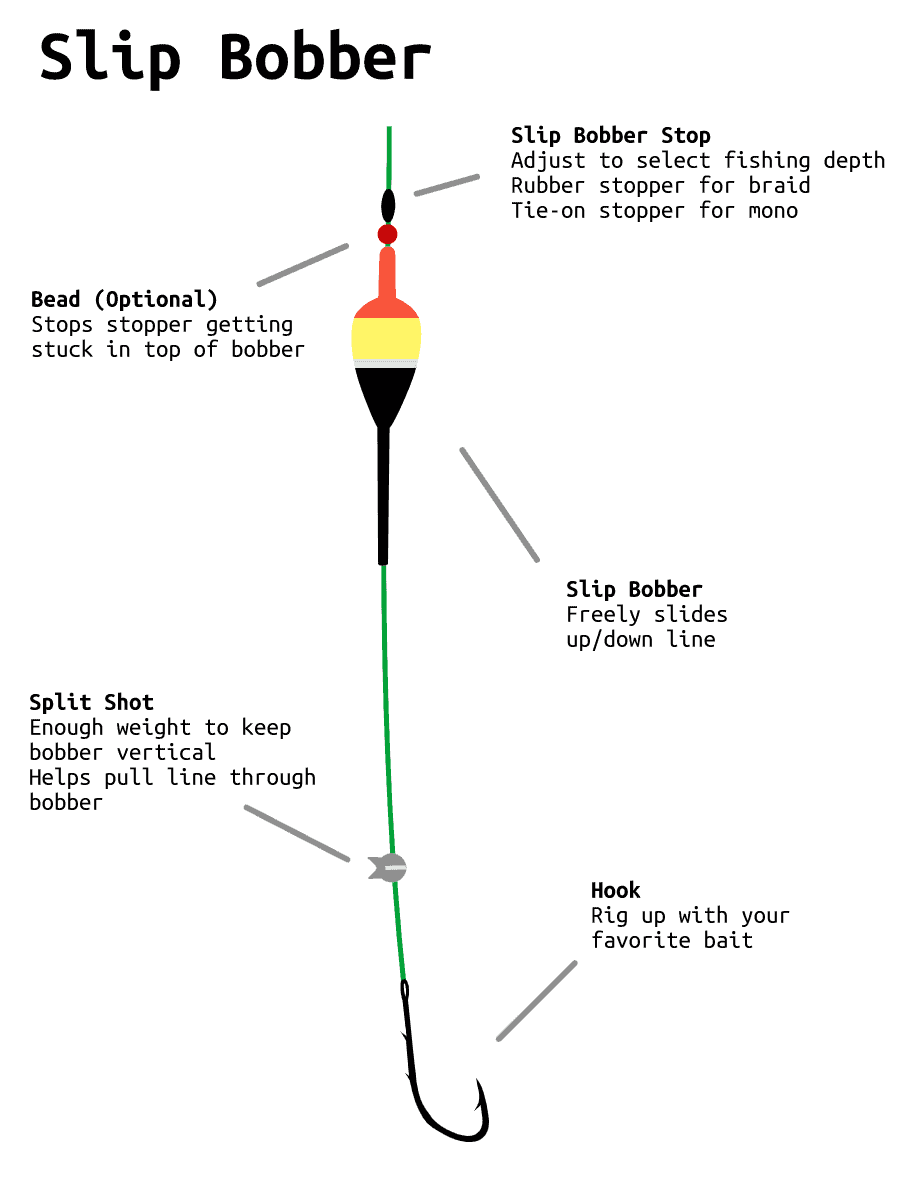
Use hook sizes #2 to #6 depending on worm and fish size. Thread the worm multiple times to keep it secure and enhance movement. For bottom fishing, use a sinker or slip bobber to keep bait near the lakebed.
Why Home-Caught Bait Wins
Fresh worms are more active, and fish cannot resist the wriggle. They have a natural scent with no preservatives or stress odors. Using self-harvested bait is also more satisfying.
Nightcrawler Commercial Harvesting and Regional Insights
Nightcrawler harvesting is big business in some areas.
Canada: Nightcrawler Capital
Commercial operations lease fields to harvest worms. Over 1 billion worms are harvested annually in some regions. They sell for $40 per thousand, and pros can earn $800 or more per night.
Low-Population Areas
In dry or sandy regions, wild worms are scarce. Import worms from northern suppliers or create a worm bed in your yard using compost and cardboard.
Key Takeaways for Finding Nightcrawlers for Fishing
Follow these pro habits to maximize your haul. Be quiet and patient because vibrations scare worms. Move slowly and wait a few seconds after spotting one before grabbing.
Start small because even 20 to 30 worms can last multiple trips if stored right. Involve kids because worm hunting is fun, educational, and safe, great for family bonding.
Respect property by always asking permission before collecting on private land. Avoid parks with harvesting bans. Do not overharvest because leaving some behind maintains local populations.
With the right timing, tools, and technique, finding nightcrawlers for fishing is easy, rewarding, and cost-effective. Whether you are using a flashlight, setting a cardboard trap, or storing your haul for next weekend’s trip, these methods ensure you will always have top-tier bait on hand.
Frequently Asked Questions About Finding Nightcrawlers for Fishing
What is the best weather condition for finding nightcrawlers?
The best condition is after a light to moderate rain when the soil is saturated. High humidity and heavy dew also encourage worms to surface. Cool, damp nights in spring and early summer produce the best results.
What time of night should I hunt for nightcrawlers?
The optimal window is between 9:00 p.m. and 10:30 p.m. Worms begin surfacing after dark when the ground cools and humidity rises. By midnight, most worms have retreated underground.
Can I use a regular flashlight to find nightcrawlers?
Avoid bright white flashlights because they scare worms back into their burrows. Use a dim flashlight or, preferably, a red-light headlamp. Red light is less disruptive and allows you to get closer before worms detect your presence.
How do I store nightcrawlers for fishing?
Keep them in a ventilated container with 2 to 3 inches of moist bedding such as peat moss or shredded paper. Store in a cool, dark place between 55°F and 70°F. Check daily, remove dead worms, and replace bedding every 1 to 2 weeks.
Are cardboard traps effective for catching nightcrawlers?
Yes, cardboard traps are highly effective. Place cardboard on moist, fertile soil, weigh it down, and mist lightly. Check after 5 to 7 days. The decomposing cardboard attracts microbes that worms feed on, drawing them to the surface.
Where is the best place to find nightcrawlers?
Look in moist, shaded lawns with rich soil, grassy pastures, areas near old farm buildings, and wooded edges under logs or leaf litter. Taller grass holds moisture better and shelters worms.