
You’ve driven to the lake, rigged your rod, and started casting. Hours pass with nothing to show for it. The problem isn’t your lure or your technique. It’s location. Learning how to find fishing spots where fish actually congregate transforms random casting into consistent catching.
Fish aren’t scattered randomly across any body of water. They follow predictable patterns driven by survival needs: shelter from predators, access to food, and suitable spawning conditions. This guide gives you the framework to read water like an expert angler, so you can stop guessing and start catching.
Think Like a Fish to Find Where They Hide

Fish behavior boils down to three biological imperatives. Every decision a fish makes revolves around safety, food, or reproduction. To find them, you need to stop asking where they are and start asking why they’d be there.
The most productive fishing spots satisfy two or more of these core needs. Fish seek shelter from predators and strong current. They position themselves where food drifts by or hides in cover. They migrate to specific zones when it’s time to spawn. A barren flat won’t hold fish. But a rocky point with submerged logs, adjacent to a deep drop-off and lined with weeds? That’s a biological magnet.
Train yourself to scan for convergence zones. These are places where structure, depth, cover, and food overlap. These high-probability zones are worth your time, while featureless areas should be skipped entirely.
Cover Provides the Safety Fish Need
Fish are prey first and predator second. They avoid open water unless actively feeding under cover of darkness or birds. Look for submerged wood including stumps, fallen trees, and root wads. Rock piles, boulders, and riprap create protective terrain. Weed beds, lily pads, and hydrilla offer dense cover. Man-made structures like docks, bridges, seawalls, and piers provide instant habitat.
These features break up sightlines, provide shade, and create ambush points. Even small pieces of cover can hold fish in otherwise featureless waters. In clear water, fish hug cover tightly. In stained water, they may roam farther out but still stay within striking distance of shelter.
Follow the Food Chain to Locate Predators
No food means no fish. But you don’t need to see baitfish to know they’re present. Look for indirect signs instead. Birds diving or hovering over one spot signal bait being pushed up. Gulls, terns, and kingfishers all indicate active feeding below. Surface boils or splashes mean predators are chasing shad or herring. Insect hatches at dusk trigger topwater action for bass, trout, and panfish. Current seams in rivers where fast and slow water meet collect insects and bait.
Predators position themselves downstream or downwind of food sources, waiting to strike. Cast upstream and let your lure drift naturally into their zone.
Track Spawning Cycles for Seasonal Hotspots
Seasonal migrations create temporary but explosive hotspots. When water warms in spring, many species move shallow to spawn. Largemouth bass prefer 1 to 4 feet with gravel, sand, or hard clay bottoms. Bluegill spawn in 1 to 3 feet on sandy bottoms near cover. Crappie use 2 to 6 feet near brush and flooded timber. Smallmouth bass target 2 to 8 feet over rock and gravel.
These spawning areas attract not just the target species but also predators looking to feast on distracted parents. Post-spawn fish retreat quickly to deeper water, so be ready to follow them off the beds with slower, deeper presentations.
Read the Water: Visual Clues That Matter
Before you cast, spend ten minutes observing. The best anglers are patient observers first and active fishermen second. Use your eyes and ears to eliminate unproductive areas. Focus only on zones showing signs of life.
Signs That Reveal Active Fish
Baitfish activity shows as tight schools near the surface, minnows darting along shorelines, or shad jumping erratically, often chased by predators. Bird behavior is equally revealing. Kingfishers hovering and diving, gulls circling or feeding in one area, and terns plunging headfirst all signal fish below.
In rivers, look for eddies behind rocks or bridge pilings. Seams where fast water meets slow water collect food. Foam lines gather debris and insects, attracting baitfish. Fish hold in slack water, facing upstream, letting food come to them.
Even from shore, you can spot structure. Fallen trees extending into water, rock walls or jetties, docks with shadows underneath, and weed lines with sharp edges all hold fish. Use polarized sunglasses to cut glare and see beneath the surface.
Target High-Probability Structures
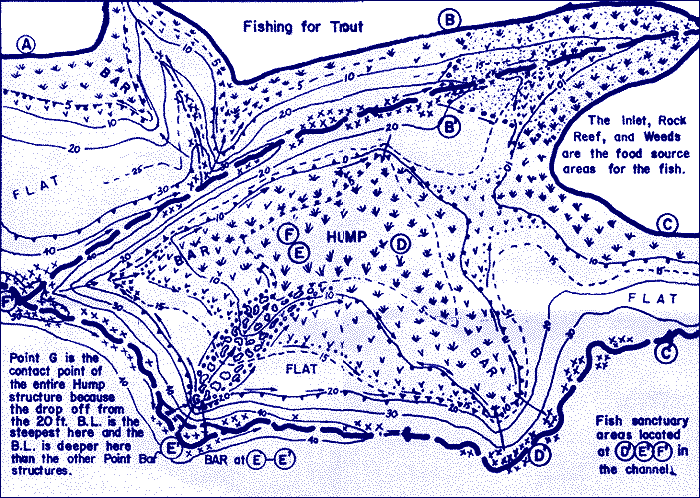
Certain features consistently produce fish because they fulfill multiple needs at once. Learn these, and you’ll know where to start on any new body of water.
Submerged Wood Holds Fish Year-Round
Submerged logs, laydowns, and stumps offer shelter from predators, attachment points for insects and crayfish, and shade with cooler temperatures. Pitch soft plastics, jigs, or topwaters directly into the wood.
Expect snags in heavy timber. Use heavy line or leaders when fishing thick cover to avoid losing gear.
Weed Lines Create Natural Ambush Zones
Weeds oxygenate water, host insects, and protect young fish. Focus on the inside edge where weeds meet open water, the outside edge which transitions to deeper water, and gaps or holes in weed mats which act as natural ambush funnels.
Spring and summer are prime times for weed fishing. Spinnerbaits work as weedless glides. Flipping jigs with trailers excel around heavy cover. Topwater frogs draw strikes from within thick mats.
Rock and Riprap Attract Multiple Species
Rocky shorelines, seawalls, and dam faces attract smallmouth, largemouth, walleye, and catfish. Cracks and crevices harbor crayfish. Rocks absorb heat, warming nearby water in spring. Current breaks form behind boulders.
Early morning and low-light periods produce best. Try jigs, crankbaits, or live bait like nightcrawlers around these zones.
Man-Made Structures Create Instant Habitat
Docks, piers, bridges, and retaining walls create instant habitat. Shade reduces visibility to aerial predators. Lights at night attract insects and baitfish. Vertical surfaces allow fish to suspend.
Bridge pilings are especially productive. Fish stack up on both upstream and downstream sides. Use a fish finder if boating to locate arches clustered around pilings.
Points and Drop-Offs Act as Underwater Highways
Points are land projections extending into the water. They act as underwater highways between deep and shallow zones. Fish love them because they funnel bait during seasonal movements, create current breaks on inside bends, and offer quick access to deep water for escape.
Focus on the tip of the point which often holds the biggest fish, the base of the point which transitions to deep water, and any attached cover including rocks, wood, or weeds.
Master the Power of Edges
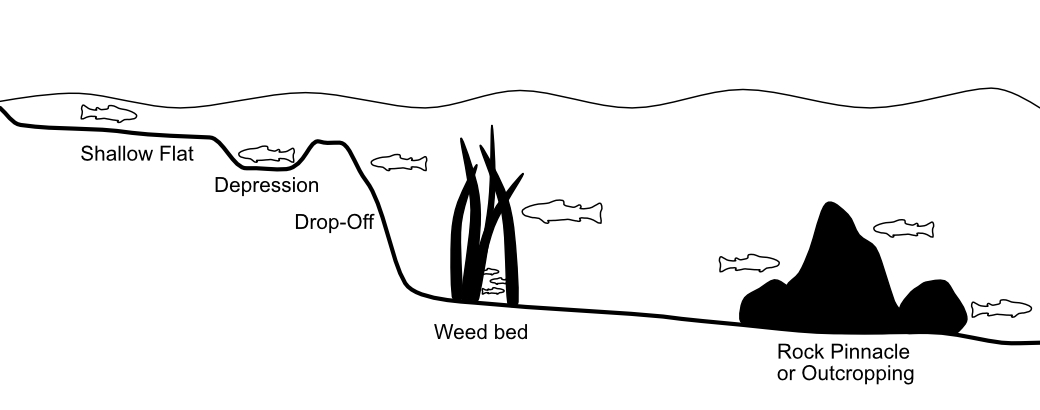
Fish live on boundaries. Edges where two environments meet are some of the most productive zones in any fishery.
Types of Edges That Catch Fish
Weed to open water creates an ambush line for predators. Shallow to deep provides a quick escape route. Fast to slow current forms an energy-saving feeding lane. Shade to sunlight offers thermal and light contrast. Sand to gravel or rock indicates spawning and foraging zones.
Fish patrol these transitions, especially during low light. Fish the edge both shallow and deep. Sometimes the best bites come just off the drop.
Let Current Work for You
In rivers, streams, and reservoir inflows, current is the delivery system for food. Smart fish conserve energy by holding in current breaks.
Find the Current Breaks
Look for areas behind boulders or rock ledges. Check the downstream side of fallen trees. Identify eddy lines where water swirls backward. Target inside bends of rivers which have slower flow. Focus on bridge abutments and dam outflows.
Present your lure just upstream of the break. Let it drift naturally into the strike zone. Effective rigs include drift fishing with split shot, jig and pig combinations, and inline spinners like Mepps or Rooster Tail.
In high water, fish move closer to shore. In low water, they retreat to deeper runs and holes.
Adjust for the Season
Fish location changes dramatically throughout the year. Match your spot selection to the season for best results.
Spring Brings Shallow Migration
As water warms to 50 to 65 degrees Fahrenheit, fish move shallow to spawn. Target protected coves with hard bottoms. Focus on flats near deep water. Fish south-facing shores which warm faster.
Bass, bluegill, and crappie all spawn in spring. Predators follow. Use spinnerbaits, jigs, topwaters, and live minnows.
Summer Means Deep and Cool
Post-spawn fish retreat to deeper, cooler water. Look for drop-offs near weed edges. Target offshore humps and reefs. Find thermocline layers using a fish finder. Fish shaded docks and bluffs.
Fish are less active in heat. Slow down your presentation. Use deep crankbaits, drop shot rigs, and Carolina rigs. Night fishing near lights produces well.
Fall Triggers Aggressive Feeding
Cooler temperatures trigger aggressive feeding. Fish move back to shallows. Hotspots include points leading to deep water, creek channels, and baitfish schools near dams or river mouths.
This is prime time for big catches. Try swimbaits, Rat-L-Traps, topwater walkers, and spoons.
Winter Sends Fish Deep
Fish go deep and slow as metabolism drops. Target the deepest holes in lakes and rivers. Focus on submerged humps, channel bends, and areas below dams with consistent flow.
Use slow, vertical presentations. Jigging spoons, hair jigs, and live bait on a slip bobber produce winter bites.
Use Technology to Find Fishing Spots Faster
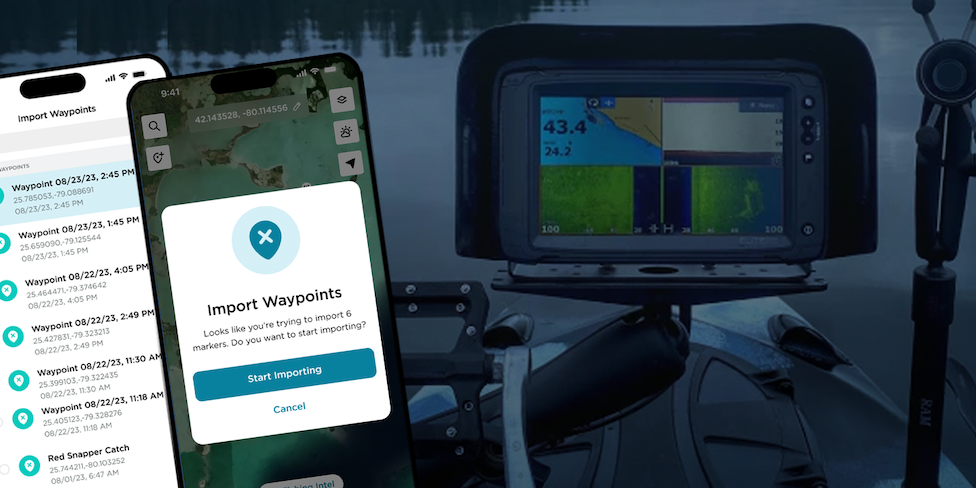
Modern tools help you locate fish with precision. Fishing apps leverage crowd-sourced data to identify high-performing locations.
FishAngler App Features
The FishAngler app provides an interactive catch map showing real-time bites. Filter by species including bass, trout, catfish, and more to find relevant spots. See where others are catching and what they’re using. Mark private waypoints with notes that only you can see.
Add photos and log conditions for future reference. Open the app before you leave. Search your target lake or river. Look for clusters of recent catches. Drop a waypoint on promising structure. Navigate directly to it on-site.
Waypoints are created by long-pressing the map. Label them clearly for easy identification later.
GPS and Fish Finders for Boaters
If you have a boat, use GPS to map structure and return to hotspots. Sonar and down imaging reveal submerged logs, rock piles, and fish schools. Mark waypoints on your unit for future trips.
Scan points and drop-offs in summer to locate suspended fish near the thermocline.
Explore Public Fishing Spots Without a Boat
You don’t need a boat to find great fishing. Many states manage public access waters ideal for shore anglers.
State Public Fishing Lakes
Over 20 small, stocked lakes exist across rural counties including Barbour, Bibb, Chambers, Coffee, Dale, Dallas, and many others. These lakes are stocked with bream, bass, and catfish. They’re designed for beginners, families, and shore fishing.
Advantages include low pressure, easy access, and often enhanced habitat with brush piles and spawning beds. Find them via state wildlife agency interactive maps.
Other Public Access Options
Boat ramps and marinas often have fishable docks and lighted piers nearby. State parks offer scenic, well-maintained fishing piers and trails. National forest streams provide less-pressured waters great for trout and smallmouth. Reservoirs like major impoundments have shore access at multiple locations.
Check local regulations for size and creel limits before fishing any new water.
Ask These Three Questions Before You Cast
Use this proven decision framework to evaluate any spot systematically.
Where’s the Safety
Is there cover, depth change, or shade? Fish won’t stay in open water unless feeding actively. Look for wood, weeds, rocks, or docks. Check for drop-offs that provide escape routes.
Where’s the Food
Are birds diving? Baitfish jumping? Insects hatching? No food source means no predators will hold in an area. Look for signs of forage species. Predators follow prey.
What’s the Season Telling Me
Spring means shallow spawning zones. Summer calls for deep structure and shade. Fall brings transition areas and bait schools. Winter requires deepest water available.
Only fish where at least two answers are yes. The overlap is where fish live.
Turn Spots into Catches: Match Lure to Location
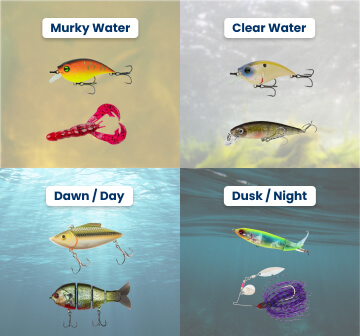
Finding the spot is half the battle. Use the right lure for the conditions.
Quick Lure Selection Guide
Heavy weeds call for topwater frogs, jigs, or weedless spoons. Clear water benefits from natural colors like green pumpkin or shad. Stained water needs bright colors such as chartreuse or firetiger. Deep water requires deep crankbaits, drop shots, or jigs. Shallow cover works with Texas-rigged plastics or spinnerbaits. Current favors jigs, inline spinners, or live bait. Low light periods respond to topwater, jerkbaits, or dark-colored soft plastics.
Carry a bait selector reference sheet for quick decisions on the water.
Key Takeaways for Finding Better Fishing Spots

Finding fishing spots isn’t magic. It’s methodical. The best anglers combine ecological knowledge, observation, technology, and local access to build a repeatable system.
Start by observing before you cast. Scan for birds, bait, and structure. Think like a fish by considering safety, food, and season. Target edges and structure including points, drops, wood, and rocks. Use apps and maps to find recent catches. Mark your spots and return to winners.
With this approach, you’ll stop guessing and start catching consistently. Understanding why fish are where they are transforms every lake from unfamiliar to personal honeyhole.
Frequently Asked Questions About Finding Fishing Spots
What is the best way to find fishing spots without a boat?
Use visual observation techniques. Scan for bird activity, baitfish jumps, and visible structure like docks, weed lines, and rocky areas. Fishing apps like FishAngler show crowd-sourced catch data. Public fishing lakes and state park piers provide accessible shore fishing opportunities.
How do I know if a fishing spot will hold fish?
Apply the three-question framework. A spot needs at least two of these: safety from predators, access to food, or seasonal relevance. Look for cover, current breaks, and depth transitions. Eliminate featureless open water.
Do fish really follow predictable patterns?
Yes. Fish behavior is driven by survival needs: safety, food, and reproduction. They return to the same structures seasonally and daily. Understanding these patterns lets you predict fish location with high accuracy.
What structures hold the most fish?
Convergence zones with multiple features work best. A rocky point with submerged wood near a weed line and adjacent to deep water satisfies safety, food, and escape needs simultaneously. Points, drop-offs, dock pilings, and weed edges consistently produce.
How do seasonal changes affect where I should fish?
Spring moves fish shallow for spawning. Summer pushes them to deeper, cooler water. Fall triggers aggressive feeding in transition zones. Winter sends fish to deepest available structure. Match your depth and location to the calendar.
Can technology really help me find fishing spots?
Absolutely. Fishing apps provide real-time catch data and allow you to mark private waypoints. Fish finders reveal submerged structure and fish schools. GPS lets you return to productive spots. These tools eliminate guesswork and accelerate learning new waters.