
Carp fishing has evolved from a simple weekend activity into a technically sophisticated angling pursuit that demands stealth, strategy, and the right gear. Once dismissed as a “rough fish,” the common carp is now celebrated for its size, strength, and intelligence. These hard-fighting freshwater giants can exceed 50 pounds, live over 20 years, and outsmart even experienced anglers. Whether you’re using bread on a hook in a local pond or deploying PVA bags and boilies on a European-style setup, knowing how to carp fish effectively makes all the difference.
This guide delivers everything you need to succeed, from spotting carp behavior and choosing the best bait to mastering rigs, rods, and ethical release practices. You’ll learn where carp feed, when they’re most active, and how to avoid the top mistakes that scare them off.
Finding Carp: Signs They’re Nearby
Before casting, you need to confirm carp are present and identify where they’re feeding.
Look for Surface Activity
Carp often reveal themselves through subtle signs at the surface. Watch for rolling, which appears as a slow, gentle rise that breaks the surface like a shifting log. Tailing occurs when the fish tips forward, lifting its tail above water while rooting in mud. Mudding creates clouds of silt or brown water from bottom-feeding. Bubbling sounds or air pockets released from disturbed sediment indicate feeding activity. Jumping is more common in warm weather or during spawning excitement.
Use Polarized Sunglasses
Polarized sunglasses reduce glare and let you see into shallow water. Scan edges of weed beds, drop-offs, and inflow zones. Look for movement under lily pads or shadows gliding just below the surface.
Scout Quietly and Early
Visit at dawn or dusk when carp are most active. Stand still for 15 to 30 minutes and observe before casting. Sudden noise, shadows, or vibrations from footsteps can spook carp for hours.
Best Times to Fish for Carp
Timing your trip around temperature and light gives you a major advantage over random fishing.
Dawn, Dusk, and Night Are Prime
Carp are most active in low-light conditions, especially in summer. Their senses of smell and vibration help them feed confidently when visibility is low. Dawn offers cool water and high oxygen levels, perfect for aggressive feeding. Dusk brings carp back to shallow flats after retreating midday. Night fishing is ideal in warm months, but use bite alarms for detection.
Seasonal Patterns Matter
Carp behavior shifts dramatically with water temperature. In spring when water reaches 50 to 60 degrees Fahrenheit, carp move shallow and feed heavily pre-spawn. Early summer above 60 degrees triggers spawning, and feeding drops significantly, so avoid this period. Summer brings 70 to 80 degree water with nighttime activity and weed edge feeding. Fall is actually the best season as carp feed aggressively to bulk up for winter. Winter below 50 degrees makes carp lethargic, but they still feed during warm, sunny days at midday on shallow, sun-warmed flats.
Where Carp Feed: Habitat Hotspots
Carp aren’t random wanderers. They congregate in specific zones rich in food and warmth.
Key Feeding Zones
Shallow flats with dark, silty bottoms absorb heat and attract carp in spring and fall. Weed beds including lily pads, reeds, and submerged grass harbor snails and insects that carp feed on. Drop-offs serve as transition zones from shallow to deep water where carp patrol edges. Inflows like creek mouths, storm drains, or springs bring warm, oxygenated water that draws carp. Urban ponds often contain food scraps and are great for beginners.
Avoid Fast, Cold Water
Carp avoid trout streams and fast currents. Stick to lakes, reservoirs, canals, and slow rivers where conditions suit their preferences.
Best Baits for Carp: What Works
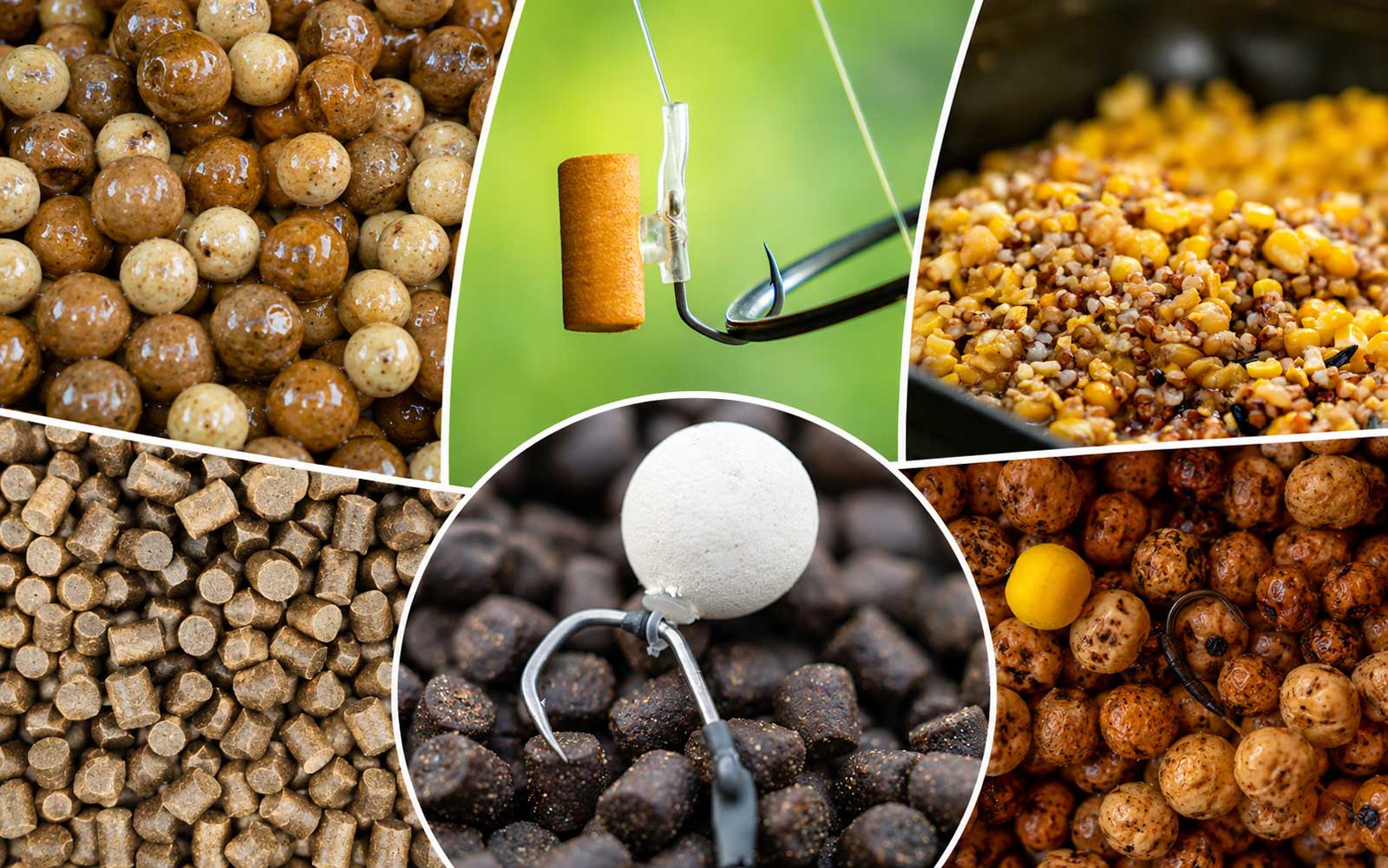
Carp are omnivores with a powerful sense of smell. The right bait mimics natural food and triggers a feeding response.
Sweetcorn: The Beginner’s Secret Weapon
Sweetcorn works because of its bright color, sweet taste, and soft texture. It’s best for ponds, urban lakes, and low-pressure areas. Use 3 to 4 kernels on a size 6 hook and pair with loose corn chum. The warning is that sweetcorn attracts catfish, turtles, and bluegill.
Boilies: The Pro’s Go-To Bait
Boilies are protein-rich, flavored dough balls boiled for durability. Sinking boilies rest on the bottom and mimic natural food. Pop-up boilies float above silt, making them highly visible and resistant to bait stealers. For flavor, use milk, vanilla, strawberry, or pineapple in warm water. Use garlic, fishmeal, bloodworm, or hemp in cold or stained water. Use 15mm boilies with a size 6 to 8 hook and soak for 24 hours in flavored water for extra attraction.
Pellets: Consistent and Reliable
Trout or carp pellets serve as a staple in serious carp setups. Use them as hook bait, free bait, or in PVA bags. Available in sinking, floating, or slow-sink versions. Soak pellets for 12 to 24 hours to soften them before use.
Other Effective Baits
Tiger nuts resist small thieves but require soaking before use. Dough balls allow custom scents and work well in urban ponds. Bread flakes create feeding zones where ducks are fed. Worms and nightcrawlers provide natural scent and excel in cool water. Cheesy hotdogs deliver high odor and are popular in U.S. urban waters.
Baiting Strategies That Attract Carp
Getting carp to stay in your zone is half the battle.
Pre-Baiting: Condition the Spot
Scatter bait 1 to 2 days before fishing to train carp to feed in your spot. Use a catapult for short range up to 50 yards. Use a spod rod with a spomb for long range over 100 yards. Match your hook bait to your groundbait, such as corn on the hook if using corn as chum.
PVA Bags: Instant Feeding Zone
PVA bags dissolve in water and release a cloud of bait around your hook. To set up, fill the PVA tube with pellets, groundbait, or crushed boilies. Push out with a plunger stick. Tie off with two knots and cut between. Attach to your rig so it dissolves on impact. This creates a natural-looking food fall without needing pre-baiting.
Pack Bait and Chumming
Pack bait mixes breadcrumbs, gelatin, sweetcorn, and flavoring. Mold it around the rig or use in PVA bags. For chumming, scatter loose bait every 15 to 30 minutes and keep amounts light.
Essential Carp Rigs You Need

The hair rig forms the foundation of modern carp fishing.
Why the Hair Rig Works
Bait attaches to a short hair of line, not the hook. Carp suck in bait and hook together. When they try to eject it, the hook catches in the mouth corner. This reduces deep hooking and increases hook-up rates.
Hair Rig Components
The hook should be a size 4 to 8 wide-gap carp hook, preferably barbless for safe release. The hair is 1 to 2 inches of fluorocarbon or coated braid. A bait stop is a plastic bead that holds the bait in place. A swivel connects the rig to the mainline via loop-to-loop.
Popular Rig Variations
The fluorocarbon chod rig works best for weedy or snaggy bottoms and keeps bait elevated. The snowman rig stacks two baits with a bottom boilie and pop-up on top. The critical care rig ensures safe release and minimizes injury. The lead clip system serves as the standard ledger setup where the lead detaches if snagged.
Rods, Reels, and Line Setup
Your gear must handle long casts, strong runs, and sensitive bite detection.
Best Carp Rods
Use a 10 to 12 foot rod for casting distance and leverage. A 2.5 to 3.5 pound test curve is ideal, with 3 pounds perfect for versatility. Choose medium to medium-fast action to absorb shock and detect bites. Top picks include Shimano Catana, Drennan Elite, and Kaizen Green for budget options.
Reels: Baitrunner is Best
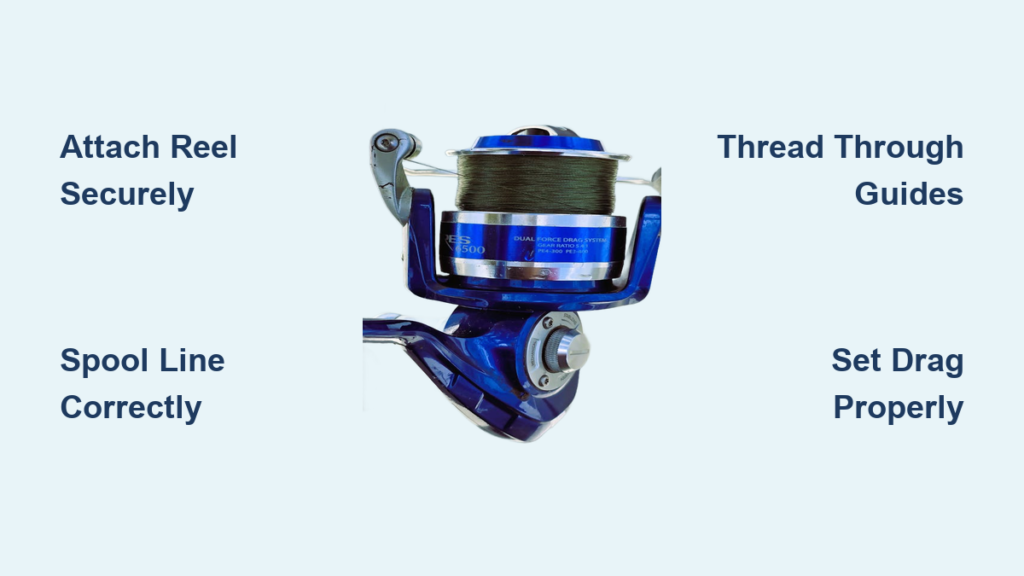
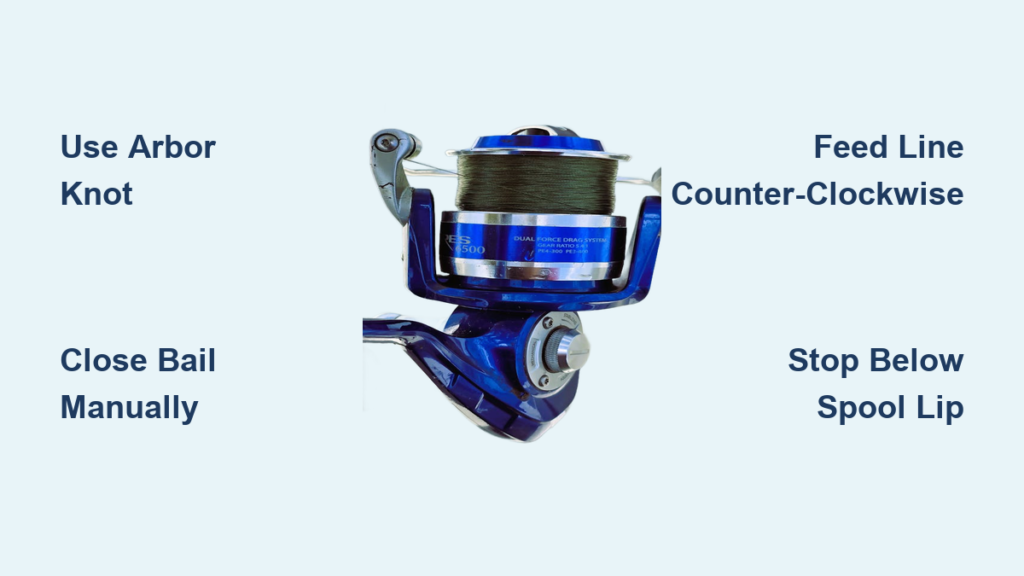
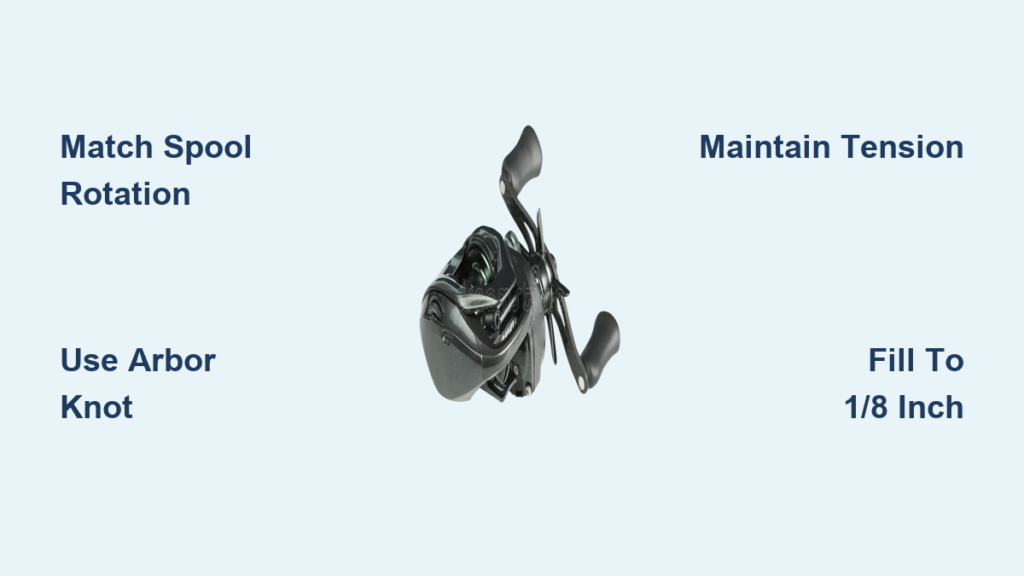
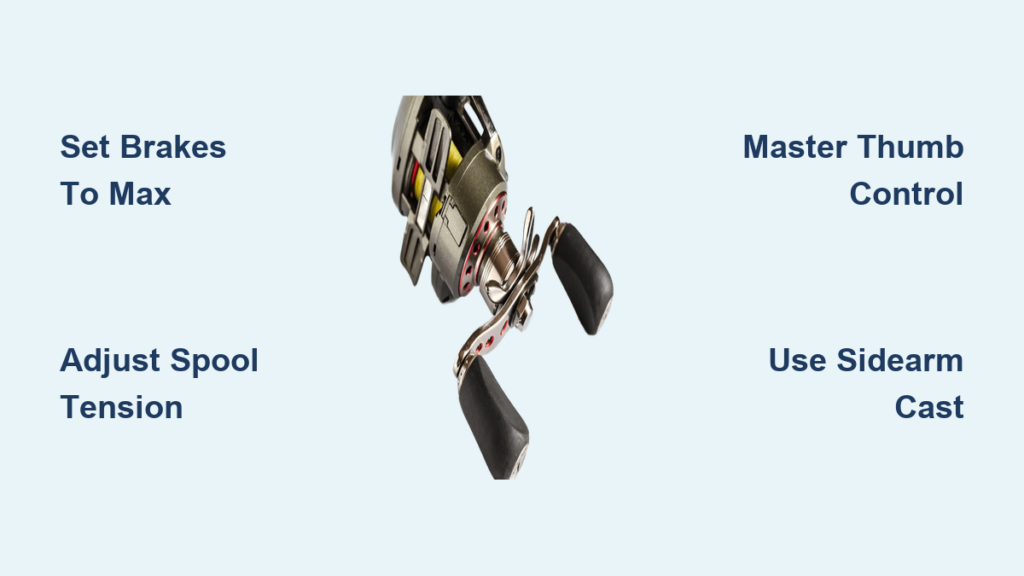
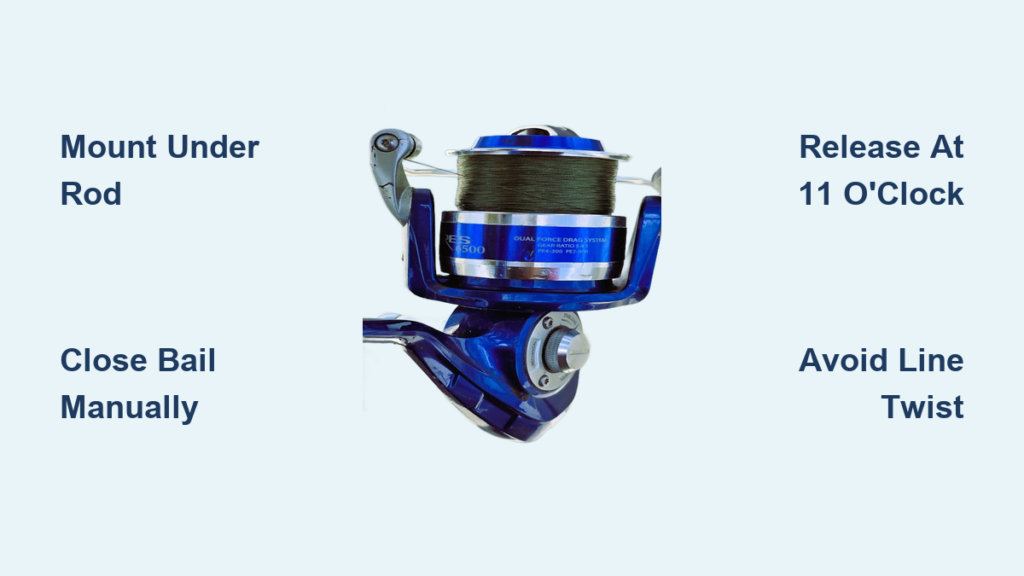
Baitrunner reels have a free-spool mode where the fish takes line without resistance, then you engage the drag. The Shimano Baitrunner DX in 4000 to 6000 size works for most lakes.
Fishing Line Guide
Monofilament in 12 to 20 pound test offers stretch that absorbs shock and works well for beginners. Braided line in 30 to 50 pound test provides long casts and high sensitivity but requires a leader in clear water. Fluorocarbon leader in 15 to 25 pound test is nearly invisible and abrasion-resistant, making it essential in clear water.
Detecting Carp Bites and Setting the Hook
Carp bites can be subtle. Do not strike too early.
Bite Alarms and Bobbins
Bite alarms are electronic devices that beep and flash when line moves, essential for night fishing. Bobbin indicators are plastic floats on the rod tip where a rising bobbin means a fish running away and dipping means coming toward. You can also monitor visually by watching the rod tip or line on the surface.
Hook Set: Wait, Then Strike
Wait for a solid run and ignore small twitches. Grab the rod quickly once line starts moving. Engage the reel and close the bail arm. Set the hook with a firm upward sweep while maintaining tension. Never let the line go slack, especially with barbless hooks, or you’ll lose the fish.
Fighting and Landing Big Carp
Carp are powerful and will test your gear and patience.
Fighting Technique
Keep your rod high at 45 to 90 degrees to maintain pressure. Use the pump-and-reel method by lifting the rod to apply pressure, reeling down while the rod is up, then lowering the rod and repeating. Let the drag do the work during powerful runs. Adjust drag dynamically by loosening during runs and tightening as the fish tires.
Landing Gear
Use a landing net at least 42 inches tip-to-tip with soft knotless mesh. Use an unhooking mat that is waterproof foam to prevent scale and slime loss. Always wet the mat and your hands before handling carp.
Safe Release
Hold the carp horizontally with one hand under the anal fin and the other near the pectoral fins. Never hold carp vertically as this damages internal organs. If the hook is deeply hooked, cut the line close to the hook rather than forcing removal. Revive the fish fully by holding it in current or moving it gently until it swims away strongly.
Ethical Fishing and Safe Release Practices
Carp deserve respect. Many are long-lived trophies.
Catch and Release Best Practices
Use barbless hooks. Handle fish with wet hands or gloves. Support the fish horizontally. Use a soft landing net or cradle. Revive fully before release.
Know the Rules
In the U.S., a fishing license is required in most states, and bag limits vary. Florida has no limit because carp are classified as invasive. In the UK, an Environment Agency license is required, and there’s a strong catch-and-release culture. Chumming is legal in some areas and banned in others, so always check local regulations before fishing.
Starter Gear Checklist
A 10 to 12 foot carp rod with 3 pound test curve handles casting and fighting. A baitrunner reel in 4000 to 6000 size provides dual-drag control. Use 12 to 20 pound monofilament or 30 to 50 pound braided line as your mainline. Add 15 to 25 pound fluorocarbon leader for abrasion resistance. Carry pre-tied hair rigs in sizes 4 to 8 for quick setup. Stock boilies, pellets, and sweetcorn for bait variety. Include PVA bags and a spod for groundbait delivery. Use bite alarms or bobbins for bite indication. A 42 inch or larger landing net ensures safe retrieval. Polarized sunglasses help with water clarity and spotting fish.
Pro Tips for Consistent Success
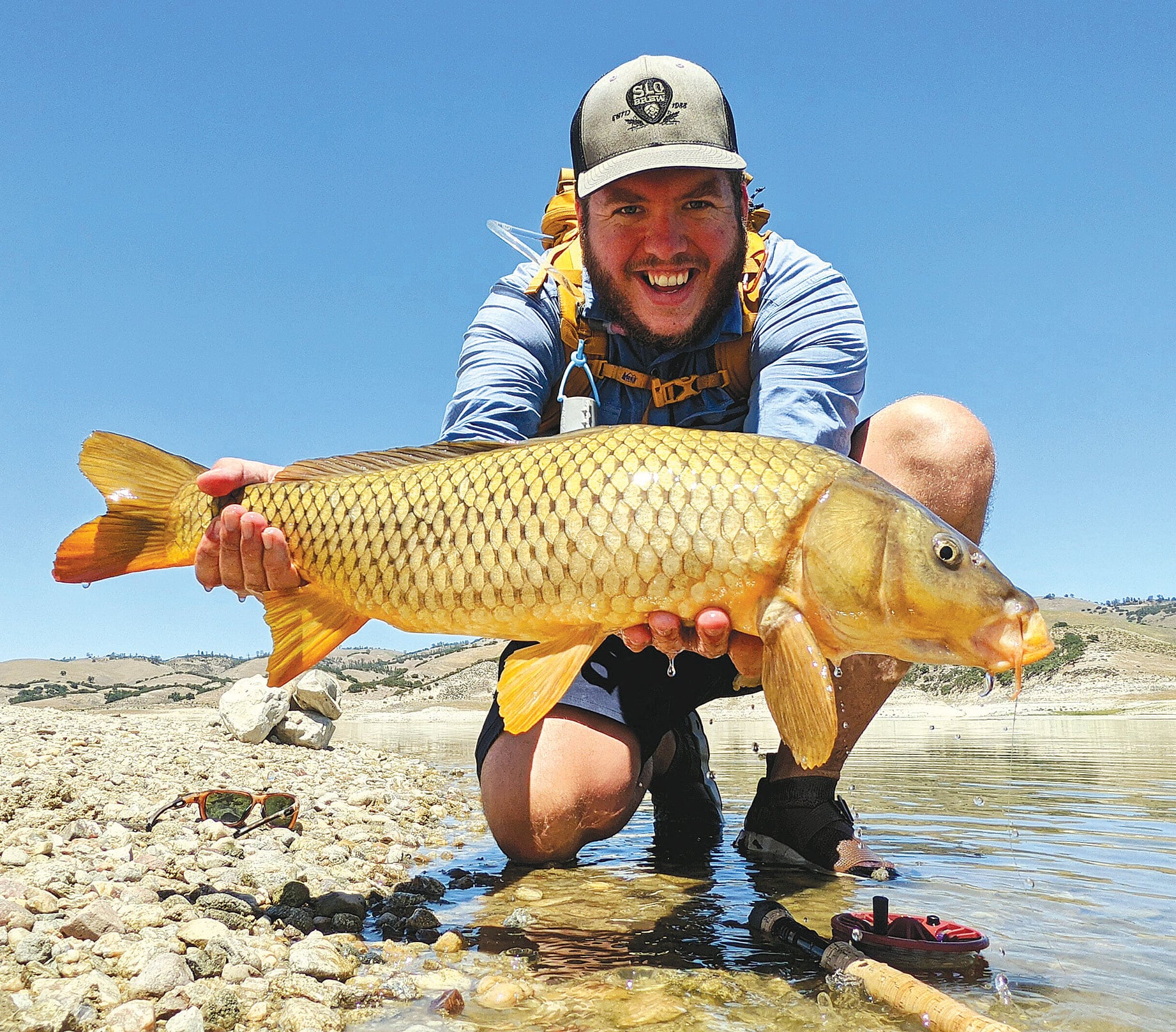
Patience wins because carp may take hours to bite. Trust your spot. Stay stealthy by wearing muted colors, moving slowly, and avoiding shadows. Cast accurately because a precise close cast beats a blind long one. Match conditions by using light line and natural colors in clear water, or strong scents and bright baits in murky water. Keep a logbook to track bait, time, weather, and results.
Frequently Asked Questions About Carp Fishing
What is the best bait for catching carp?
Sweetcorn is the best starting bait for beginners due to its availability and effectiveness. Boilies are the preferred bait for experienced anglers because they come in many flavors and sizes. Pellets work well as both hook bait and free bait.
What time of day is best for carp fishing?
Dawn and dusk are prime times because carp feed most actively in low-light conditions. Night fishing produces excellent results in warm months. Midday can work during overcast weather or in murky water.
How do I catch carp in a pond without a boat?
Bank fishing works perfectly for pond carp. Use a simple rod and reel with sweetcorn or bread on a hair rig. Cast near weed edges, drop-offs, or areas where you see surface activity.
What size hook is best for carp?
Size 6 to 8 hooks work well for most carp fishing situations. Use larger hooks for big baits like large boilies or tiger nuts. Smaller hooks work better for small baits like corn kernels.
Do carp fight hard when caught?
Yes, carp are powerful fighters that rival saltwater species pound for pound. They make long runs, dive for structure, and test your drag and rod control. A 20 pound carp provides an intense battle.
Is catch and release ethical for carp?
Yes, catch and release is highly ethical and encouraged, especially for trophy-sized carp. These fish can live over 20 years and represent significant conservation value. Use barbless hooks and handle fish gently to maximize survival rates.
Key Takeaways for Catching Carp
Learning how to carp fish opens the door to one of the most rewarding freshwater challenges. Focus on finding carp in shallow flats, weed beds, and warm inflows where they congregate to feed. Use sweetcorn as a beginner or graduate to boilies and PVA bags for advanced setups. Master the hair rig and practice patient hook setting to land more fish. Always handle carp with wet hands, support them horizontally, and revive them fully before release.
Now go find your spot, set your rig, and wait. The next big bite could be minutes away.