Fishing is a peaceful escape for many, but the sudden sight of a snake coiled near the water’s edge can turn calm into panic in seconds. Though most snakes are non-venomous and avoid humans, encounters are common, especially when fishing from shorelines, waded banks, or remote rivers. Venomous species like cottonmouths, copperheads, and rattlesnakes inhabit the same wetlands, rocky outcrops, and sun-warmed logs that attract anglers. The good news? With the right knowledge and precautions, you can drastically reduce your risk of a dangerous encounter. This guide delivers actionable strategies, from protective gear to behavioral habits, that help you stay safe, calm, and focused on what matters: catching fish.
Wear Snake-Proof Footwear and Lower Body Protection
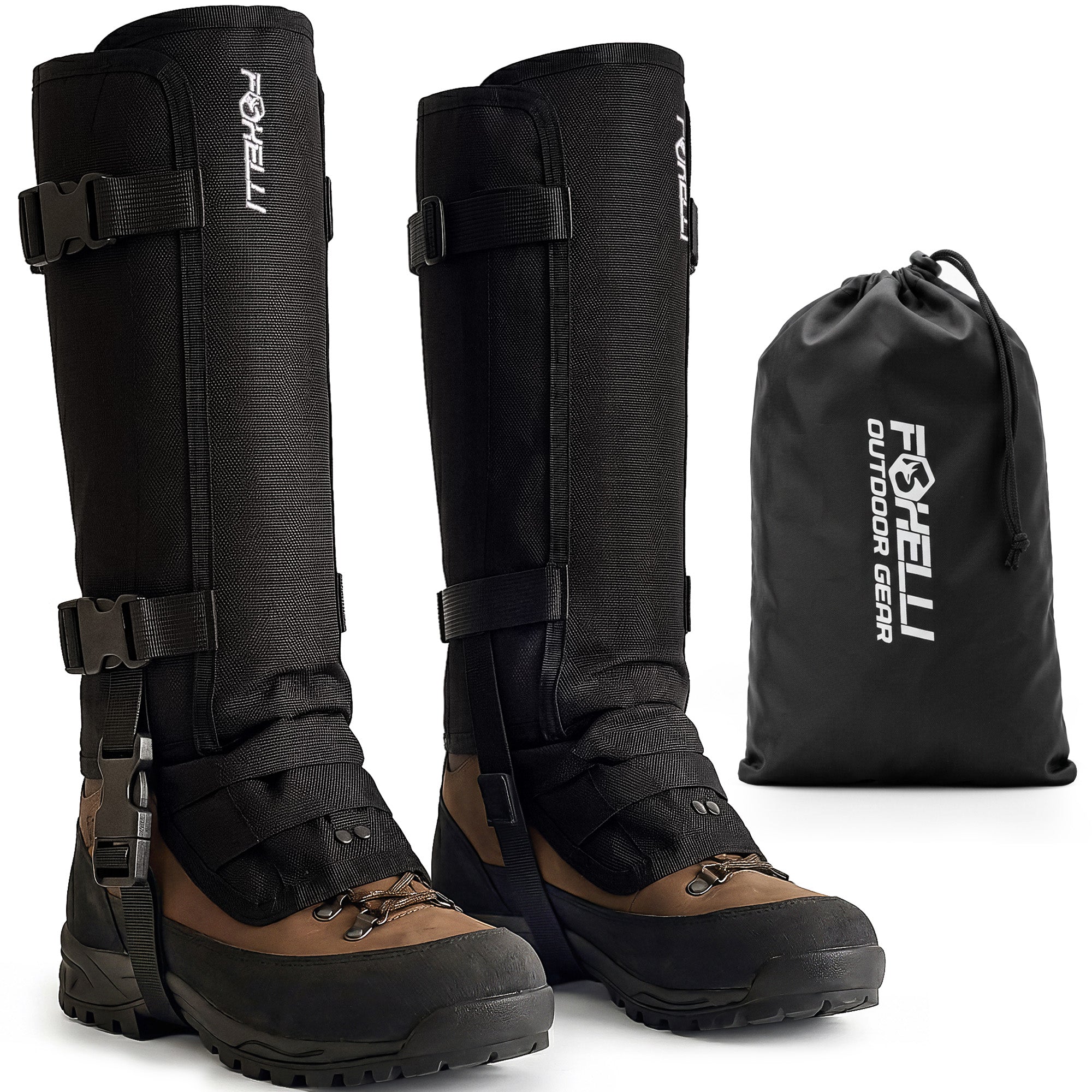
Protecting your lower body is the single most effective way to prevent serious injury from a snakebite. Most strikes land on the feet and lower legs, making this your first line of defense.
Choose Boots That Cover Your Ankles
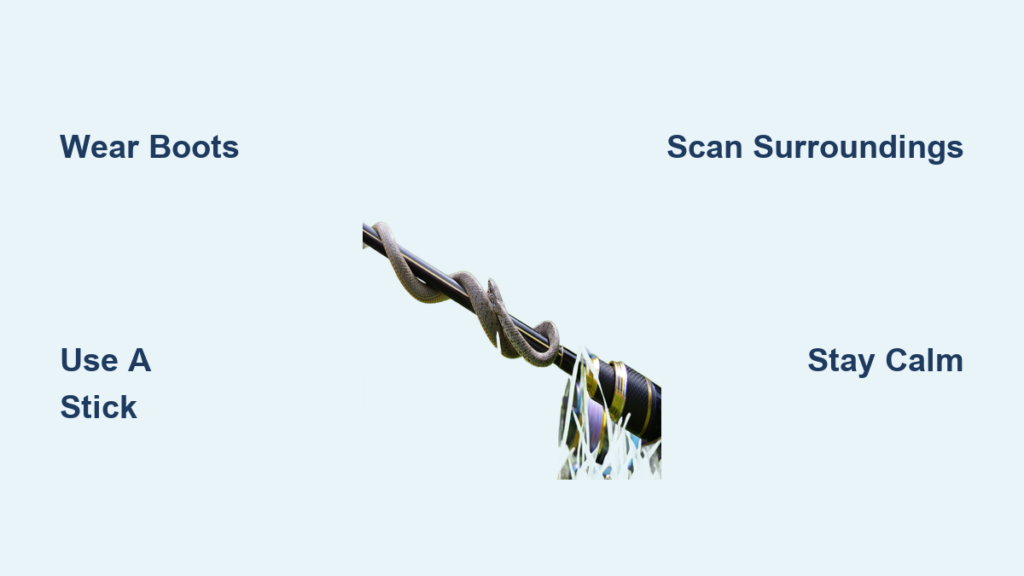
Snakes most often strike at the feet and lower legs, areas exposed when wearing sandals or lightweight shoes. Opt for sturdy, over-the-ankle boots made of thick leather or synthetic materials. These create a physical barrier even if a snake bites.
• Best for: Bank fishing, wading through brush, rocky terrain
• Material tip: Waterproof yet breathable fabrics keep feet dry without overheating
• Avoid: Sandals, flip-flops, or canvas shoes near known snake habitats
Angler insight: “A pair of good boots.” — lo n slo
Add Snake Gaiters for High-Risk Zones
In regions with venomous snakes, snake gaiters or chaps offer critical extra protection. Made from puncture-resistant materials like Cordura or Kevlar, they wrap around calves and lower legs.
• Effective against: Cottonmouths, copperheads, rattlesnakes
• Wear over pants: Prevents fangs from reaching skin through fabric
• Lightweight models: Available for warm climates
Note: In Australia, even standard clothing can stop fangs due to their small size, making loose, long sleeves and pants part of the defense.
Use a Stick to Probe Ahead Before Moving
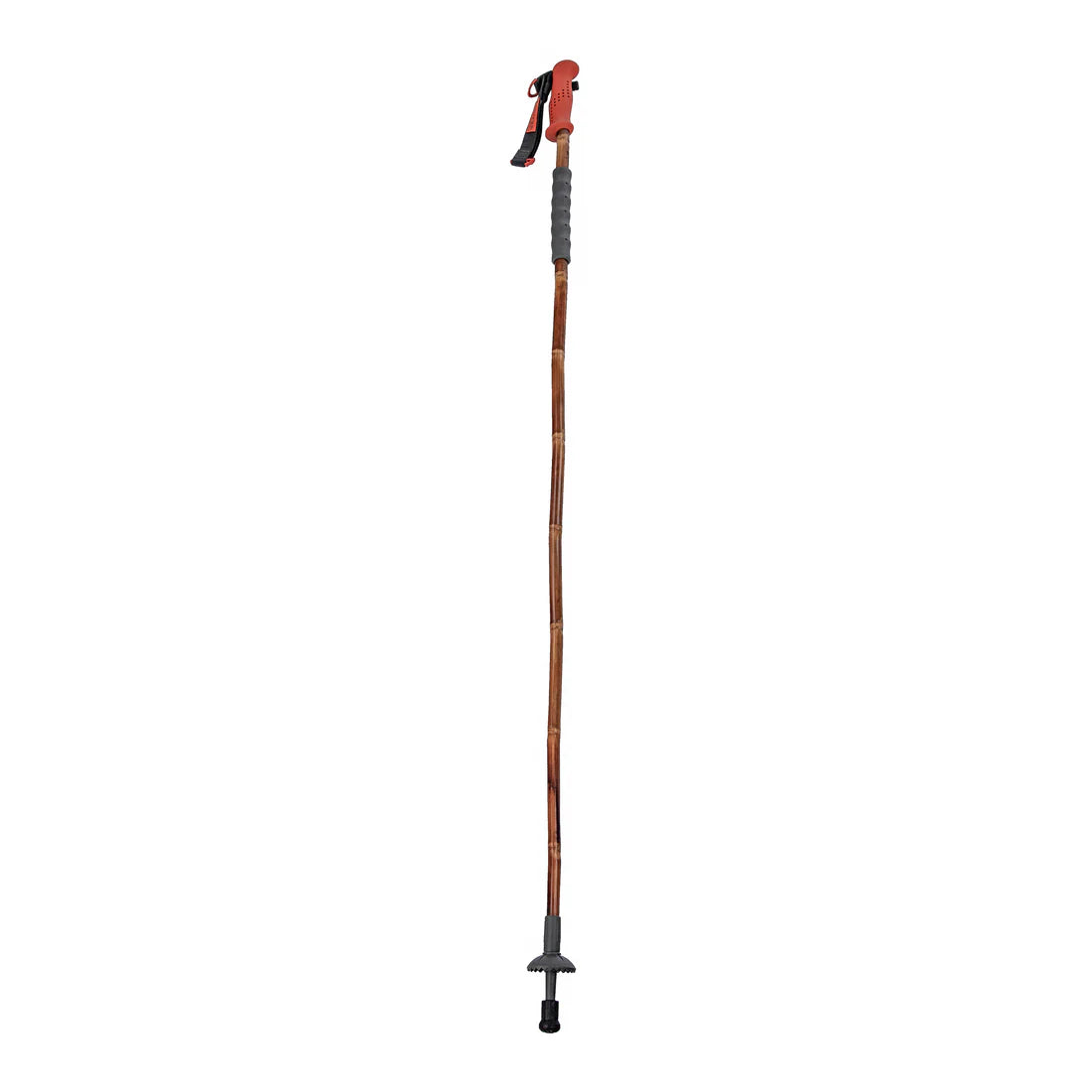
Snakes rely on vibrations to detect threats. Tapping the ground ahead warns them of your approach, giving them time to flee before you step too close.
Tap Ground and Brush Before Stepping
Carry a walking stick, trekking pole, or even your fishing rod to smack the ground, logs, and dense vegetation in front of you as you walk.
• Why it works: Snakes feel vibrations through their jawbones and retreat when sensing large animals nearby
• Best for: Weedy banks, rocky riprap, fallen trees, and overgrown trails
• Technique: Use short, firm taps every few steps, especially near basking spots
“Carry a stick with you… use said stick to make a racket as you walk — smacking the ground and brush in front of you as you go along.” — Darren
Deter Snakes Approaching Kayaks
Kayak anglers report snakes swimming toward boats, likely drawn by vibrations or curiosity. To discourage approach, gently tap the water surface away from your body with your rod tip. Freeze and remain still if a snake gets close, then slowly paddle away. Do not splash or strike.
Pro tip: Avoid dangling gear into the water near logs or stumps where snakes may hide.
Scan Your Surroundings Before Moving
Most snakebites happen because someone steps on or reaches near a snake without seeing it. Always look before you move.
Watch Where You Step and Place Your Hands
Before stepping onto a rock, log, or bank, scan three to five feet ahead for movement, coils, or basking shapes. Snakes love warm, sunlit surfaces and will often remain still until disturbed.
• High-risk zones: Under overhanging branches, beside hollow stumps, in tall grass
• Never reach blindly into crevices, under logs, or behind brush piles
• Check seating areas before sitting on docks, rocks, or stumps
“I wear boots while fishing the banks and always watch where I am walking.” — geo g
Recognize Common Basking Spots
Snakes thermoregulate by basking in the sun. Be extra cautious around sun-warmed rocks and concrete walls, partially submerged logs, dock pilings and wooden platforms, and shallow water edges with debris.
Fact: Many bites occur when anglers cast near overhanging limbs, only to find a snake was using it as an ambush point.
Know the Local Snake Species in Your Area
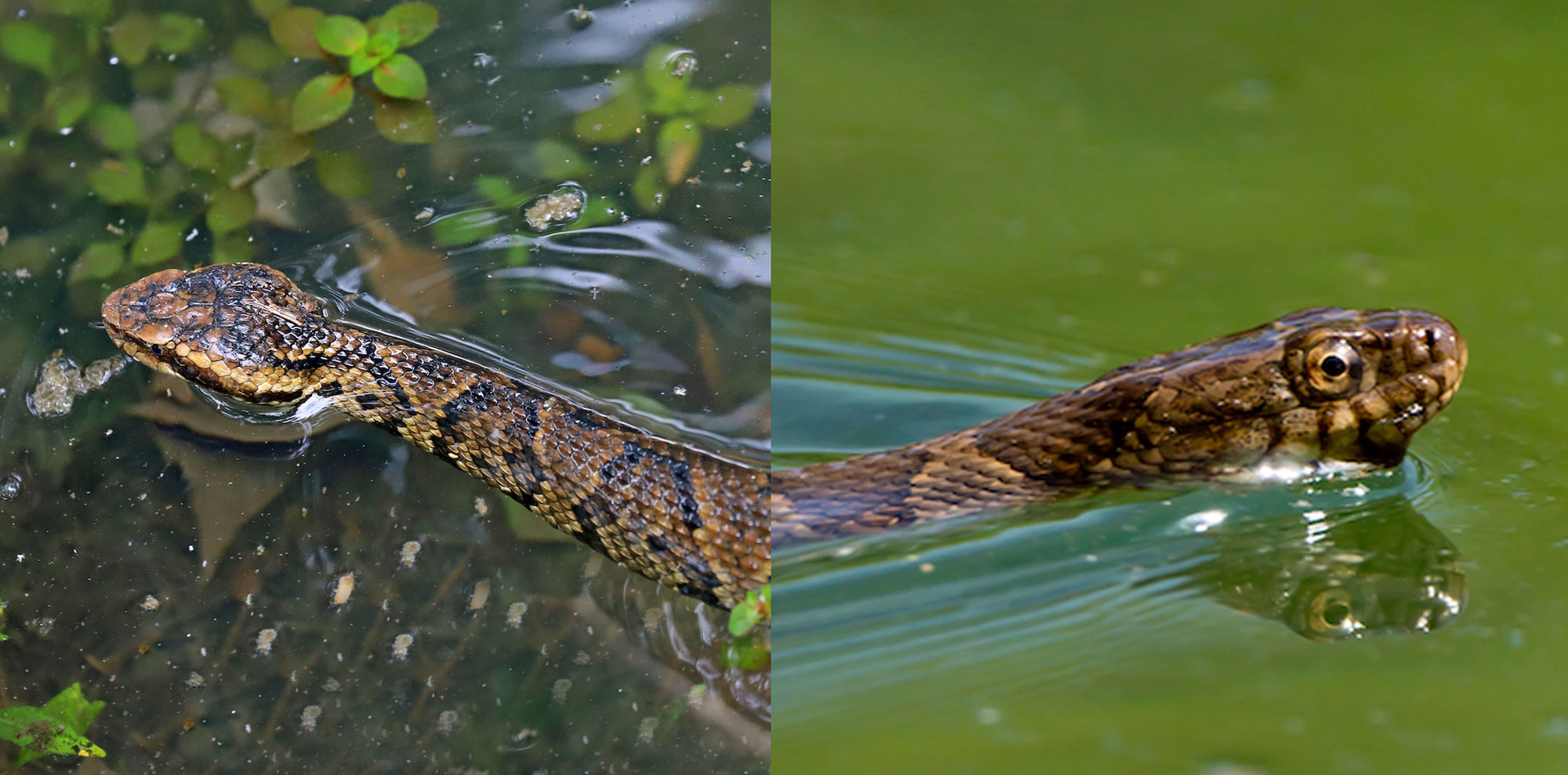
Misidentifying a harmless water snake as a cottonmouth causes unnecessary fear, and sometimes deadly retaliation. Learn which species live in your fishing area.
Identify Venomous Snakes in the U.S.
| Snake | Key Features | Behavior |
|---|---|---|
| Cottonmouth | Thick body, dark color, white mouth interior | Holds ground when threatened |
| Copperhead | Copper-red head, hourglass bands | Camouflaged; bites often from being stepped on |
| Timber Rattlesnake | Rattle, chevron patterns, triangular head | Prefers forested hills but basks near water |
| Northern Water Snake | Slender, banded, head blends into neck | Flees when approached; often mistaken for cottonmouth |
Myth busted: Northern water snakes are not venomous and pose no medical threat.
Know Australian Snake Threats
Australia has some of the world’s most venomous snakes, but they are generally shy.
| Snake | Identification | Risk Level |
|---|---|---|
| Eastern Brown Snake | Uniform brown, fast-moving | Extremely dangerous; responsible for most deaths |
| Red-Bellied Black Snake | Glossy black, red underside | Venomous but avoids confrontation |
| Tiger Snake | Banded pattern, thick body | Aggressive if cornered; highly venomous |
Key fact: In Australia, no snake ID is needed. Broad-spectrum antivenom treats all major bites.
Choose Safer Fishing Spots and Times
You do not have to abandon your favorite hole, but knowing when to relocate can prevent a dangerous standoff.
Avoid High-Risk Areas During Peak Times
Snakes are most active in spring and summer, especially during early morning and late afternoon. Avoid heavily vegetated or rocky banks during these times if you are uncomfortable with snakes.
• After rain or drought: Increased snake movement due to shifting prey and water levels
• Near decaying logs or brush piles: Prime hiding and basking zones
Move If You See a Defensive Snake
If you spot a cottonmouth, rattlesnake, or copperhead holding its ground, back away slowly and give a wide berth of at least six to ten feet. Consider relocating to a more open, less vegetated area.
“If I see one I will move to a new location.” — geo g
Never Provoke or Handle Snakes
Curiosity kills. Never try to touch, kill, or capture a snake, even if it looks dead.
Snakes Can Bite After Death
Decapitated or freshly killed snakes can still reflexively bite due to nerve activity. Fangs may inject venom even minutes after death.
• Never handle a snake with bare hands
• Do not use rods or paddles to swat at snakes; this increases aggression
• Avoid teasing or cornering any snake, even non-venomous ones
“Don’t kill ’em. Carry a stick with you, if you can, and move the snake out of the way. They’re as afraid of you as you are of them.” — Darren
Let Snakes Retreat Naturally
In ninety percent of cases, a snake will slither away if given space. If one is nearby, stop moving, stay at least six to ten feet away, and wait patiently. Do not run or make sudden movements.
Exception: If a snake enters your kayak or tent, use a long object like a paddle to gently guide it out. Never kick or strike.
Fish With a Buddy in Remote Areas
Solo fishing increases danger. If bitten, you need someone to call for help and assist with first aid.
Always Share Your Plans
Before heading out, tell someone your fishing location and expected return time. Use apps like Garmin inReach or Emergency+ in Australia to share GPS coordinates. Carry a Personal Locator Beacon in snake-prone, remote zones.
Critical: A bitten person should never walk or drive themselves to help. Movement spreads venom.
Apply First Aid Immediately If Bitten
All snake bites are medical emergencies, even if painless or without visible marks.
Use Pressure Immobilization in Australia
This method slows venom spread through the lymphatic system.
Steps:
- Apply a broad compression bandage over the bite site
- Wrap the entire limb firmly from fingers or toes up to armpit or groin. Tightness should be like a sprained ankle, not cutting off circulation
- Immobilize with a splint using sticks, poles, or commercial options
- Keep the person lying down and calm
- Call emergency services (000 in Australia)
Do not remove the bandage until medical staff take over.
U.S. First Aid: Keep Calm and Immobilize
Unlike Australia, the U.S. does not recommend pressure bandages for pit viper bites. Instead, keep the bite below heart level and remove tight clothing or jewelry near the site. Do not cut, suck, or ice the wound. Do not use tourniquets. Call 911 and wait for help.
Myth busted: “Cut and suck” removes negligible venom and increases infection risk.
Debunk Common Snake Myths
Fear often stems from misinformation. Knowing the truth keeps you safe and protects wildlife.
Common Misconceptions to Ignore
• Baby snakes are less dangerous: False. Juvenile venomous snakes have fully potent venom and may inject more due to poor control
• Only venomous snakes swim with heads up: Myth. Both venomous and non-venomous snakes can swim this way. Do not rely on swimming style for identification
• Dry bites are not dangerous: Even dry bites require medical evaluation. Symptoms can be delayed
• Snakes chase people: Snakes do not chase. Defensive strikes occur only when cornered or stepped on
Carry Emergency Safety Gear

Be prepared, especially in remote or high-risk areas.
Essential Items to Pack
| Item | Purpose |
|---|---|
| Compression bandages | For pressure immobilization |
| Splint materials | Sticks, tape, or commercial splints |
| Mobile phone | Call emergency services |
| PLB or satellite messenger | Send SOS when out of cell range |
| First aid kit | Include trauma supplies and emergency blanket |
Optional but Useful Tools
| Tool | Use Case |
|---|---|
| Sjambok (non-lethal whip) | Deter snakes without killing |
| Snake hook | For professionals only, not recommended for anglers |
| Emergency apps | Automatically share GPS with emergency services |
Stay Calm and Respect Snake Behavior
Fear of snakes is common, but most snakes want nothing to do with humans. Many anglers report becoming accustomed to snake sightings over time.
“So what. It’s just a snake.” — scaleface
“You just get used to them.” — Team9nine
Remember: Snakes Are Part of the Ecosystem
They control rodent and pest populations. A healthy snake population often means a healthy fishery.
“Its part of the game. Wear boots. If you don’t disturb them they won’t disturb you.” — d-camarena
Frequently Asked Questions About Avoiding Snakes While Fishing
What time of day are snakes most active while fishing?
Snakes are most active during early morning and late afternoon when temperatures are moderate. Avoid fishing in heavily vegetated areas during these peak hours if you are concerned about encounters.
Does wearing boots really prevent snakebites?
Yes, sturdy over-the-ankle boots made of thick leather or synthetic materials create a physical barrier that can stop fangs from reaching your skin. This is one of the most effective protective measures.
Should I kill snakes I encounter while fishing?
No. Never try to kill a snake. This increases your risk of being bitten. Most snakes will retreat if given space. Killing them also disrupts the ecosystem and is often illegal.
How can I tell if a water snake is venomous?
In the U.S., look for a thick body, dark coloration, and white mouth interior for cottonmouths. Northern water snakes are slender with bands that blend into the neck. When in doubt, give all snakes a wide berth.
What should I do if a snake swims toward my kayak?
Remain calm and do not splash or strike. Gently tap the water surface away from your body with your rod tip to deter the snake. If it gets close, freeze and slowly paddle away.
Are snake gaiters necessary for casual fishing?
Snake gaiters are recommended for fishing in areas with known venomous snake populations, such as the southeastern U.S. or Australia. For casual fishing in low-risk areas, sturdy boots may be sufficient.
Key Takeaways for Avoiding Snakes While Fishing
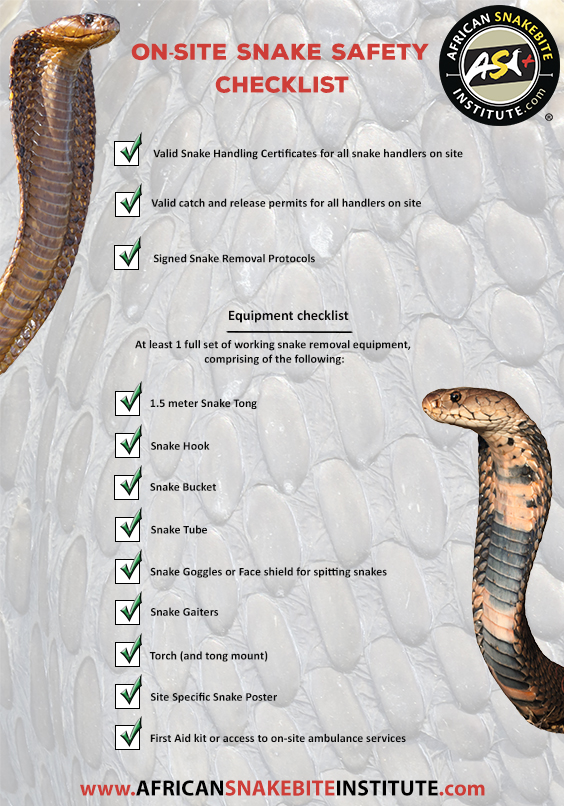
Snakes are a natural part of fishing in many regions, but they do not have to ruin your day. By wearing protective gear like sturdy boots and snake gaiters, scanning your path before moving, and using a stick to create vibrations, you significantly reduce encounter risks. Always give snakes space to retreat, never provoke or handle them, and learn to identify local species to avoid unnecessary fear. If bitten, treat it as a medical emergency immediately and seek professional help. Stay alert, stay prepared, and let the fear of snakes stay behind you where it belongs.