Swordfish are among the most lucrative catches in Fishing North Atlantic, but finding them requires more than simply heading offshore and dropping lines. These powerful pelagic predators appear only during specific seasons, migrate constantly, and demand precise gear and timing to harvest efficiently. If you have been searching for swordfish with no luck, the problem likely lies in your strategy rather than your skills. Many players waste hours chasing empty zones because they are fishing out of season, ignoring migration patterns, or using outdated tips.
This guide provides a data-driven approach to locating swordfish based on in-game mechanics, player-tested hotspots, and real-world migration logic. You will learn exactly when and where to go, what gear to use, and how to maximize your haul so you can start landing 400 to 600 pound swordfish consistently and selling them at top dollar.
Best Season for Swordfish in Fishing North Atlantic

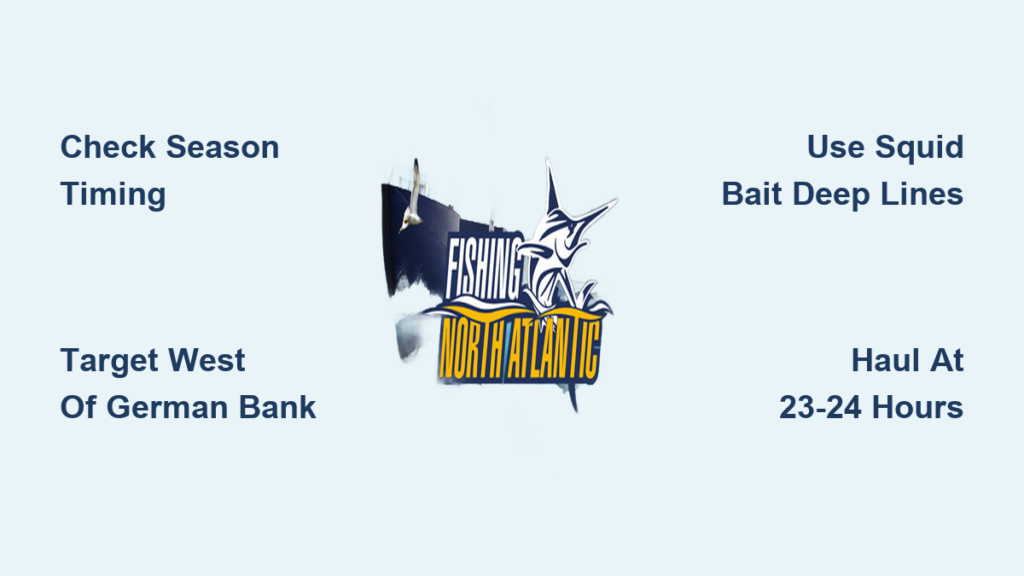
Swordfish are seasonal fish in Fishing North Atlantic and will not spawn outside their active window. Attempting to catch them before or after the season yields zero results, regardless of how far offshore you travel.
When Swordfish Become Available
Swordfish become available after April, with peak activity occurring from June through October. This mirrors real-world Atlantic swordfish migration patterns, where warming waters trigger movement into northern feeding grounds. Player confirmations and in-game progression logs support this seasonal window as the optimal period for targeting these fish.
Seasonal Indicators to Avoid
Lobster pots and redfish serve as strong indicators of colder, inshore conditions where swordfish do not appear. Their presence suggests you are in a zone dominated by winter or early spring species. Wait until these give way to offshore activity before targeting swordfish. Use your in-game tablet or the Fish Seasons menu to verify availability before launching your vessel.
Top Swordfish Hotspots in the Game

Several zones consistently produce swordfish catches, and understanding their locations dramatically improves your success rate.
West of German Bank
This zone is widely regarded as the best swordfish hotspot in Fishing North Atlantic. Players report tuna and swordfish everywhere in these deep offshore waters. Located beyond the continental shelf edge, the area supports large pelagic schools due to strong currents and deep thermoclines. Navigate approximately 6.5 kilometers offshore for optimal results.
Southwest of Lockport
Another high-yield zone sits around 6.4 to 6.6 kilometers offshore. This area frequently shows clusters of longline and net vessels, indicating active pelagic fishing. Deploy deep lines here with squid bait for optimal results.
Near Seal Island
Located south of Dennis Point, this area offers accessible swordfish for harpooning. While not ideal for deep lining, it provides reliable catches for solo players early in the game. Approach slowly and use precision harpooning techniques for best results.
Offshore Wind Farms
These serve as artificial fish aggregating devices and excellent fast-travel landmarks. Navigate to the wind farms near Nova Scotia, then head west or southwest into deeper waters to locate migrating schools.
How Fish Migration Affects Swordfish Location
One of the biggest reasons players fail to find swordfish is relying on outdated tips that do not account for fish movement.
Why Tips Become Inaccurate
Paid tips are 3 days old when purchased, while free tips are 7 days old. Fish migrate 300 to 500 meters per day, meaning by the time you reach the marked spot, the school may have moved up to 3.5 kilometers away from the original location.
Adjusting Your Search Radius
To find current fish concentrations, expand your search area based on tip age. For paid tips, search within 1.5 kilometers of the original point. For free tips, expand your search to 3.5 kilometers. Use slow, methodical passes with active sonar to detect actual concentrations rather than assuming the tip marker is accurate.
Visual Cues for Locating Swordfish
Several environmental indicators can help you identify productive zones without relying solely on tips.
Watch for Fishing Boat Clusters
The presence of longline or net vessels, not lobster boats, signals active swordfish or tuna schools. These AI-operated boats target pelagic species and cluster where fish are abundant. Navigate toward them and deploy your lines nearby for better results.
Look for Bird Activity
Flocks of diving seagulls often signal baitfish being driven to the surface by predators below. While swordfish may not always be visible, this activity indicates a feeding chain that could include them.
Marine Mammal Signs
Pods of dolphins feeding at the surface or sudden splashes and dorsal fins can hint at deep schools below. Swordfish occasionally breach or strike near the surface, especially during low-light conditions.
Required Gear for Swordfish Fishing

Having the right equipment significantly impacts your success rate and profitability when targeting swordfish.
Deep-Line Fishing Setup
Deep lines represent the most efficient and profitable method for catching swordfish in bulk. You will need 6 to 8 deep lines equipped with squid bait, which serves as the optimal attractant. Herring can be used but yields fewer bites and smaller catches. Deploy lines at approximately 100 meters depth to match the thermocline where swordfish hunt.
Harpoon Equipment
Harpoon fishing becomes available early in the tutorial and works near Seal Island for single catches. However, it is not scalable for large hauls and requires precision timing and boat control. Use this method only until you acquire deep-line gear.
Deep-Line Deployment Strategy

Proper deployment technique maximizes your catch potential while preventing gear tangles.
Step-by-Step Deployment Process
First, navigate to a confirmed hotspot such as west of German Bank. Activate your sonar to confirm fish presence before deploying any lines. Deploy your first deep line at approximately 100 meters depth. Motor forward 100 meters before deploying the next line, maintaining minimum spacing to prevent tangles. Repeat until you have deployed 6 to 8 lines per set.
Optimal Hauling Timing
The ideal hauling window falls between 18 and 24 hours after deployment, with peak yield occurring at 23 to 24 hours. Degradation begins at 26 hours, resulting in reduced catch size and quality. Gear is lost permanently at 72 hours if not retrieved. Waiting the full 23 to 24 hours maximizes your return on fuel and time investment.
Where to Sell Swordfish for Maximum Profit

Choosing the right selling port dramatically affects your earnings from swordfish fishing.
Port Price Comparison
Mouth offers the highest price per unit at 1,981, compared to Lockport at 1,710, Lunenburg at 973, and Digby at 936. Despite the longer travel distance, the profit margin justifies routing to Mouth. A 4,300 kilogram catch sold at Mouth nets approximately 840,000 in-game currency.
Plan Your Route
Factor in fuel costs versus profit margin when planning your selling route. The marginal gain per fish justifies longer trips to higher-paying ports. Avoid selling at tutorial ports like Dennis Point where prices are artificially suppressed.
Boat Upgrades That Improve Swordfish Fishing
Several vessel upgrades directly impact your efficiency when targeting swordfish.
Storage Capacity
Base hold capacity is approximately 8,180 pounds. The storage upgrade adds 2,000 pounds for 15,000 in-game currency and prevents overflow and lost fish. Larger vessels like Backstabber offer up to 12,000 unit capacity for serious deep-sea operations.
Sonar and Detection
Premium sonar is essential for detecting deep schools that standard sonar often misses. Upgrade your sonar early in the game, as it is critical for scouting productive zones. Combine sonar use with slow boat movement to scan for pollock aggregations, which can indicate nearby predators.
Engine and Navigation
Upgraded engines reduce fuel consumption and increase speed for faster transit times. Radar improves navigation safety in open ocean conditions, while autopilot helps maintain steady course during line deployment.
Common Mistakes When Hunting Swordfish
Understanding typical errors helps you avoid wasting time and resources.
Fishing Out of Season
The most common mistake is attempting to catch swordfish before they become available. Always check the Fish Seasons menu and wait until after April before targeting them.
Ignoring Migration Patterns
Treat tip markers as starting zones rather than exact locations. Search 1.5 to 3.5 kilometers from the marker depending on tip age to find current fish positions.
Using Wrong Bait
Squid attracts swordfish most effectively. Using herring or other baits results in significantly lower catch rates.
Poor Hauling Timing
Hauling too early reduces yield, while waiting too long leads to degradation and potential gear loss. Target the 23 to 24 hour window for optimal results.
Frequently Asked Questions About Finding Swordfish
When do swordfish appear in Fishing North Atlantic?
Swordfish become available after April, with peak activity occurring from June through October. Check your in-game Fish Seasons menu to confirm availability before heading offshore.
What is the best location to find swordfish?
West of German Bank consistently produces the highest swordfish catches. Other productive zones include southwest of Lockport (6.4 to 6.6 kilometers offshore) and near Seal Island for harpooning.
Why do my tips lead to empty zones?
Tips become outdated quickly due to fish migration. Paid tips are 3 days old and free tips are 7 days old. Fish migrate 300 to 500 meters daily, so search 1.5 to 3.5 kilometers from the original marker.
What bait attracts swordfish most effectively?
Squid is the most effective bait for swordfish. Deploy deep lines with squid bait at approximately 100 meters depth for best results.
How long should I wait before hauling deep lines?
Haul deep lines between 18 and 24 hours after deployment, with peak yield occurring at 23 to 24 hours. Waiting longer results in catch degradation.
Key Takeaways for Finding Swordfish in Fishing North Atlantic
Success in swordfish fishing comes down to three critical factors: timing, location, and equipment. Always verify swordfish are in season before launching, targeting only after April with peak activity from June through October. Use deep lines with squid bait deployed at 100 meters depth in proven hotspots like west of German Bank, and account for fish migration by expanding your search radius 1.5 to 3.5 kilometers from outdated tip markers. Haul your lines at the 23 to 24 hour mark for peak yield, then sell your catch at Mouth port for maximum profit. With the right strategy, swordfish fishing becomes one of the most profitable activities in the game, generating six-figure returns per trip and accelerating your progression through the upgrade tree.