Choosing the right fishing reel can make the difference between landing a trophy fish and watching it escape at the last moment. Whether you’re a beginner casting your first line or an experienced angler targeting offshore giants, selecting the best fishing reel for your needs affects casting distance, retrieval speed, drag performance, and overall control. With so many types, sizes, gear ratios, and features available, it is easy to feel overwhelmed. This guide breaks down everything you need to know so you can pick a reel that performs when it matters most.
From spincast simplicity to baitcasting precision and spinning versatility, we will walk you through each reel type, decode technical specs like gear ratio and ball bearings, and show how to pair your reel with the right rod. You will also learn which materials last longest in saltwater, how drag systems really work, and what real anglers say about top brands like Shimano, Daiwa, and Penn.
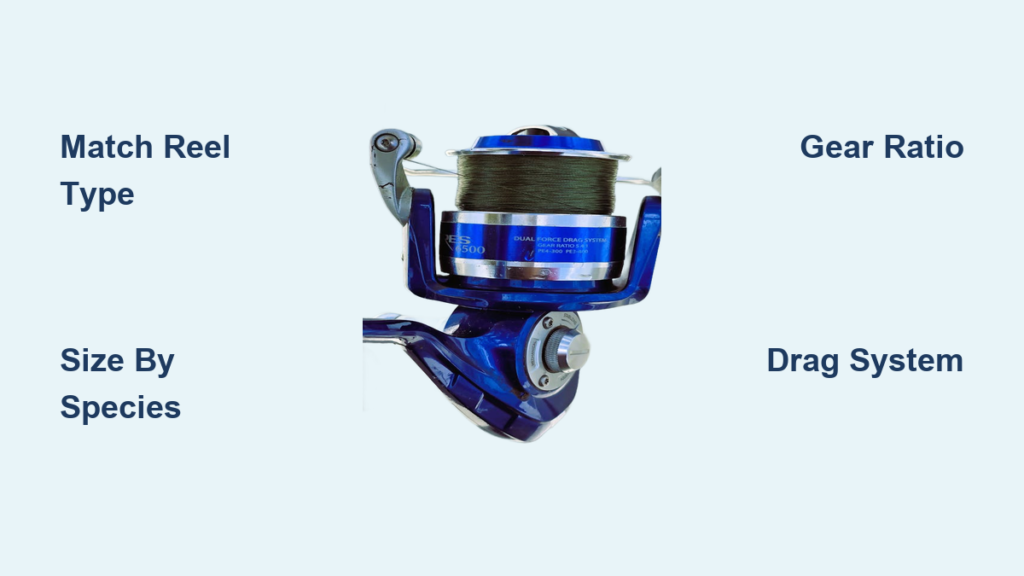
Match Reel Type to Skill and Style
Your choice of reel type sets the foundation for every fishing experience. Each design offers unique advantages depending on your skill level, target species, and technique.
Pick Spincast for Easy Casting
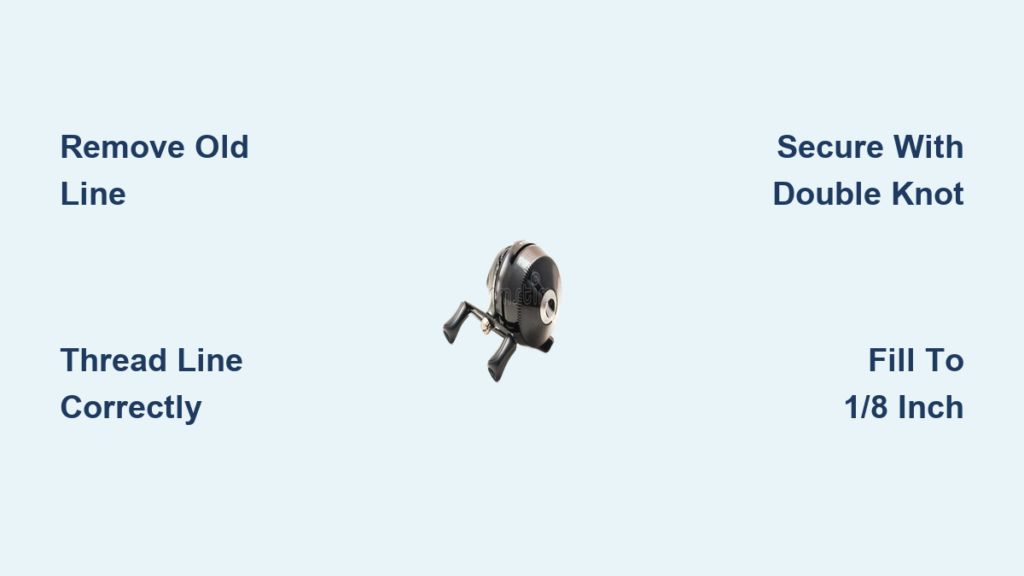
Spincast reels are ideal for beginners, kids, and casual anglers who want trouble free fishing. Their closed face design protects internal parts, and the simple push button casting eliminates tangles.
Pros include being nearly backlash proof, affordable, and intuitive to use. Cons include limited casting distance and poor durability in harsh environments. Best for panfish, small bass, and light freshwater fishing.
Use spincast reels when introducing someone to fishing because success comes faster with fewer frustrations.
Choose Spinning for Versatility
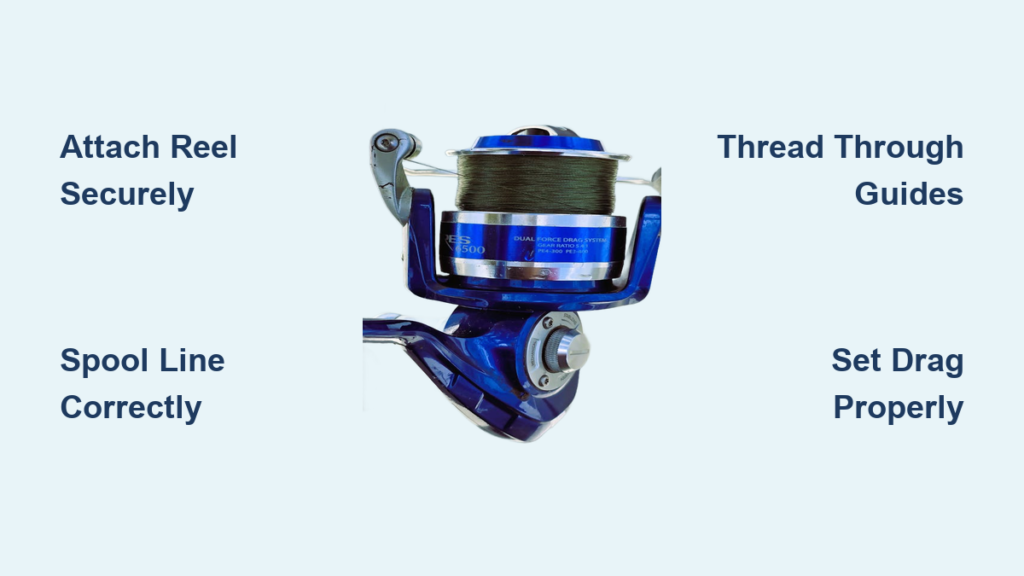
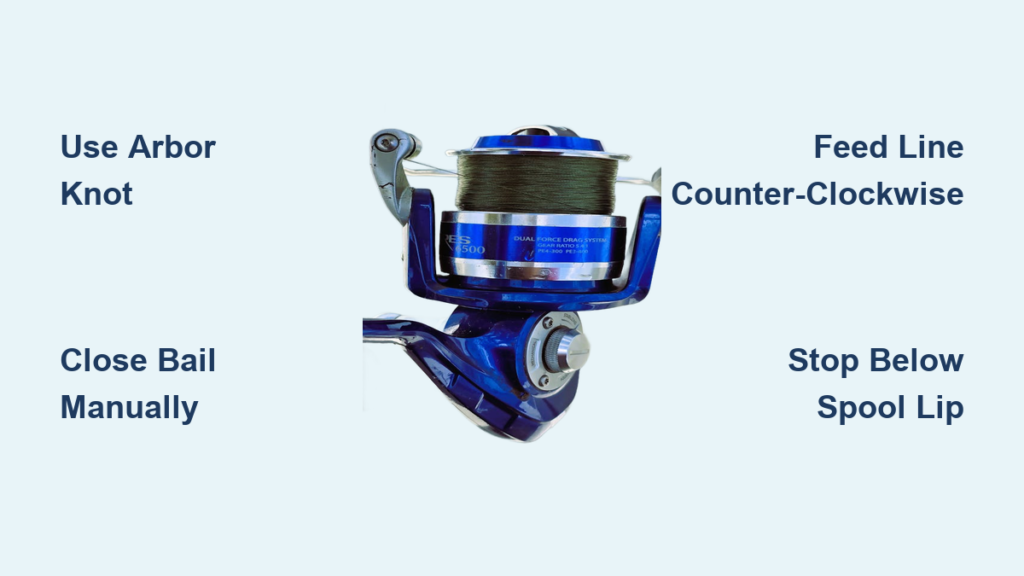
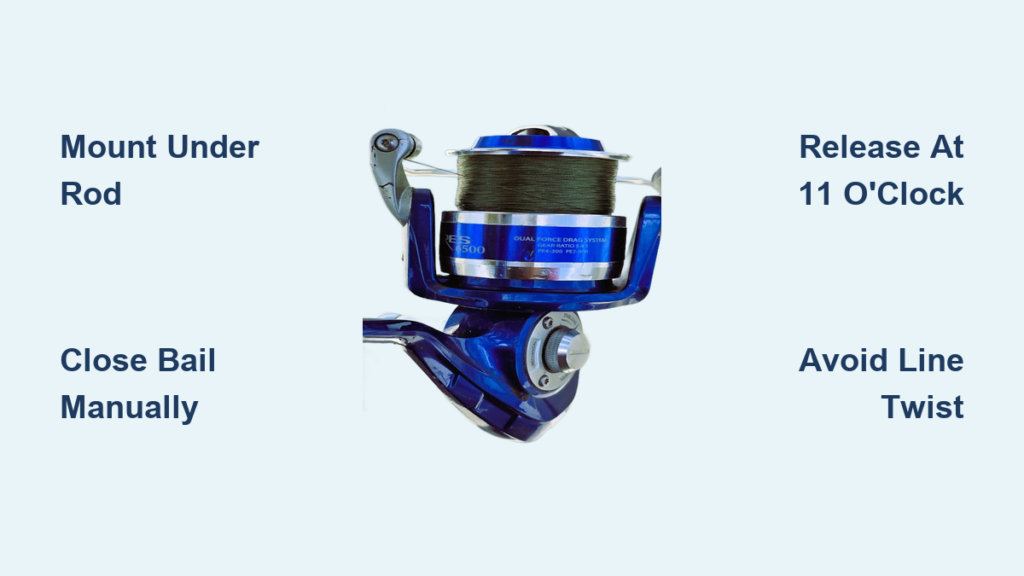
Spinning reels sit below the rod and feature an open spool with a bail that flips open for casting. They dominate freshwater and inshore saltwater fishing thanks to smooth performance and wide compatibility.
Pros include long casts, excellent performance with light lures, works well with braid, and low learning curve. Cons include exposed bail can collect debris and line twist possible over time. Best for trout, walleye, bass, redfish, snook, and general multispecies use.
Most intermediate and expert anglers keep multiple spinning reels rigged for different techniques.
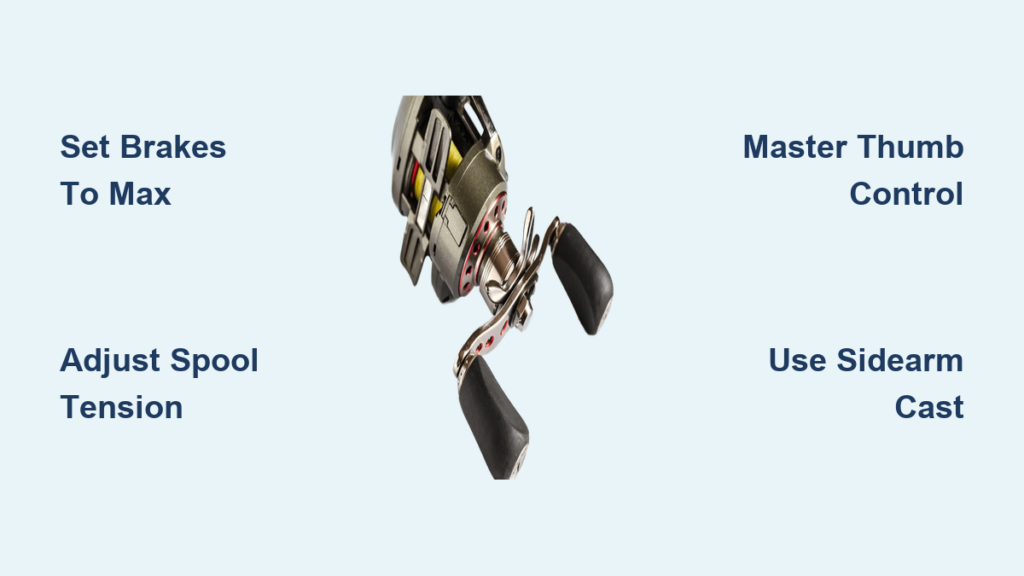
Opt for Baitcasting When Power Matters
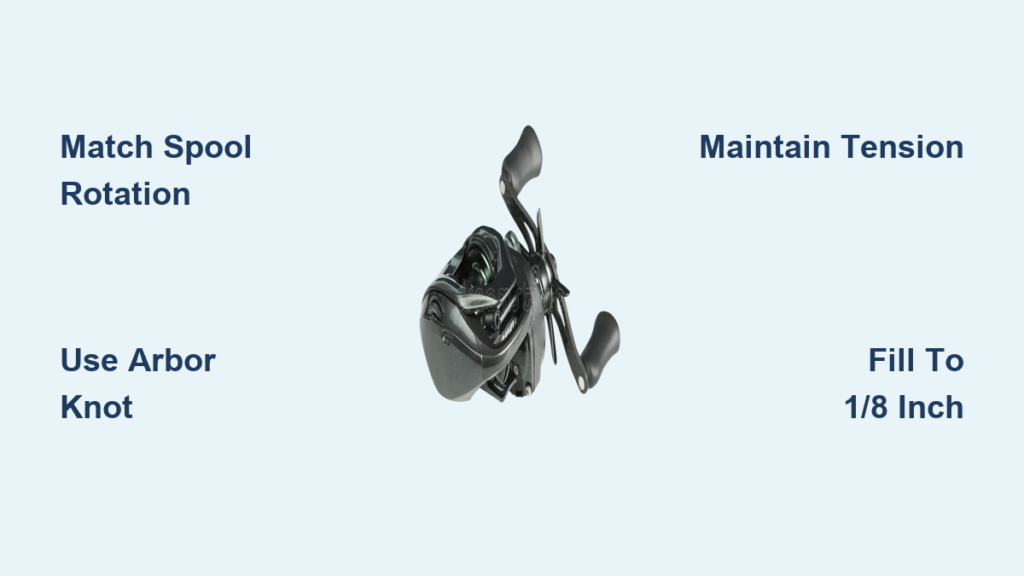
Baitcasters mount on top of the rod and offer superior control, accuracy, and power. They are ideal for heavy cover and big fish.
Pros include high torque, precise casts, and customizable braking systems. Cons include steep learning curve and thumb control required to prevent bird’s nests. Best for largemouth bass, pike, muskie, offshore trolling, and power fishing.
Do not start with a baitcaster unless you are ready to practice. Misuse leads to frustration.
Use Fly Reels for River and Stream Tactics
Fly reels pair with fly rods and are designed for casting weighted lines, not lures. They prioritize large arbor designs for fast line retrieval during long runs.
Pros include lightweight and built for extended fights with strong drag. Cons include specialized use only. Best for trout, salmon, and steelhead in rivers and streams.
Size It Right: Reel Capacity by Species
Choosing the wrong reel size leads to poor balance, limited line capacity, and lost fish. Reel sizes indicate line capacity and strength.
Match Size to Target Fish
Reel size 1000 to 2000 works with 2 to 6 pound line test and is best for trout, panfish, and ultralight rods.
Reel size 2500 to 3000 works with 6 to 10 pound line test and is best for smallmouth bass, walleye, and snook.
Reel size 4000 to 5000 works with 10 to 20 pound line test and is best for largemouth bass and striped bass.
Reel size 6000 plus works with 20 plus pound line test and is best for tarpon, cobia, tuna, and offshore species.
A 3000 size spinning reel is the sweet spot for most all around freshwater and inshore saltwater use.
Avoid Undersized and Oversized Reels
Undersized reels do not have enough line for long runs and increase break off risk. Oversized reels add unnecessary weight and reduce sensitivity and finesse.
Look at the spool markings to confirm line capacity matches your needs.
Gear Ratio: Speed vs. Power Trade Off
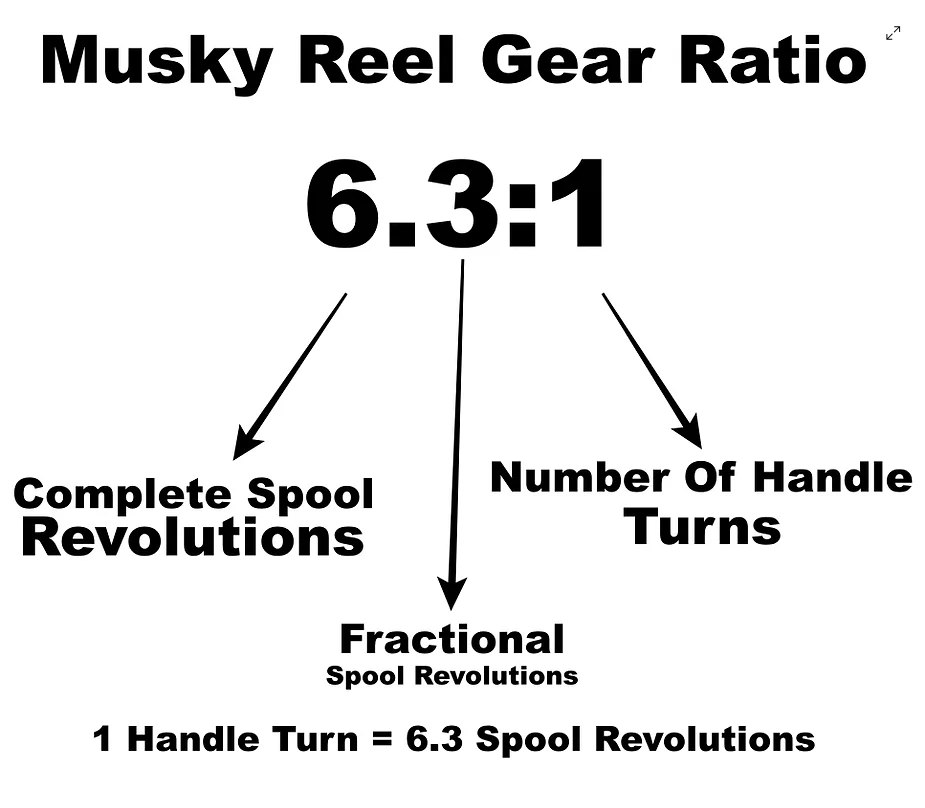
Gear ratio tells you how many times the spool spins per handle turn. It directly impacts retrieve speed and cranking power.
Low Ratio: Maximize Torque
Gear ratios in the 4.8 to 5.2 range provide slower retrieval and generate more power to pull fish from structure. Ideal for muskie, deep diving bass, and bottom fishing in lakes or reefs.
Medium Ratio: Balanced Performance
Gear ratios in the 5.3 to 6.1 range offer versatility and handle both slow and moderate retrieves. This is the best all arounder if you only own one reel.
High Ratio: Fast Retrieval Wins
Gear ratios in the 6.2 to 7.1 plus range let you pick up slack quickly and trigger aggressive bites. High gear ratios shine when fishing in current or using twitching lures.
Ball Bearings: Smoothness and Durability
Bearings reduce friction in moving parts, affecting casting ease and retrieval feel.
How Many Bearings Do You Need
Three to five bearings work for entry level occasional use. Six to nine bearings hit the mid range sweet spot and are smooth and reliable. Thirteen plus bearings deliver premium performance and are ultra smooth under heavy load.
Never buy a reel with fewer than four sealed stainless steel bearings.
Look for Sealed Bearings
Sealed bearings prevent water, sand, and salt from damaging internals. They are essential for saltwater and dirty freshwater environments. More bearings do not always mean better performance because build quality matters more.
Drag System: Control Fighting Fish
The drag system applies resistance when a fish pulls line. A smooth, strong drag can save your line during long battles.
Front Drag vs. Rear Drag
Front drag systems are located near the spool with larger washers for better heat dissipation. They offer higher power ideal for big fish and are preferred for saltwater and offshore use.
Rear drag systems are located behind the handle with smaller washers. They are easier to adjust mid fight but less powerful. Best for freshwater and light duty applications.
Front drag systems dominate serious fishing due to durability and heat resistance.
Choose Carbon or Ceramic Drag Washers
Carbon fiber washers are the industry standard, smooth, durable, and heat resistant. Ceramic washers offer excellent corrosion resistance and are often found in saltwater reels.
Always pick a sealed drag system to keep sand and water out and prevent slippage.
Build Quality: Materials That Last
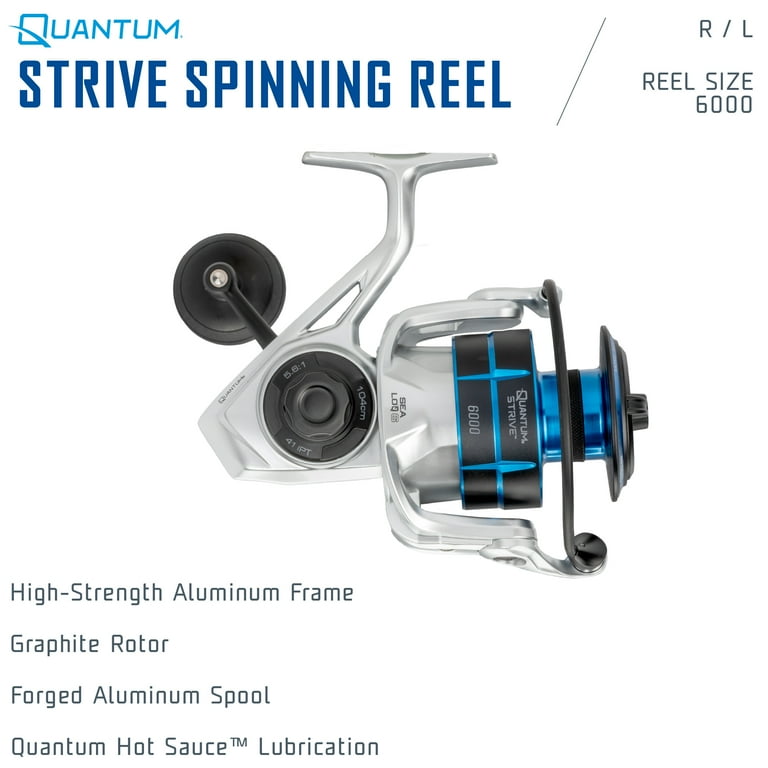
Reel construction determines weight, strength, and lifespan especially in corrosive environments.
Reel Body Materials
Graphite is lightweight and rust resistant, best for saltwater. Aluminum is stronger and stiffer, preferred for high torque freshwater reels. Hybrid frames use aluminum core with graphite side plates to balance strength and weight.
No wobble or play in moving parts indicates a quality reel that feels solid and precise.
Spool Design Matters
Anodized aluminum spools are durable and resist deformation under drag. Graphite spools are lighter but less robust, fine for light line use. Mag spool and long cast spools feature flatter, wider design that improves casting and reduces line twist.
Mag spools minimize line binding, a common issue with braided line.
Anti Reverse and Handle Design
Instant engagement and a comfortable handle ensure you set hooks fast and fight fish effectively.
Instant Anti Reverse
Instant anti reverse prevents handle from spinning backward and ensures immediate power transfer on hookset. It is found in high end reels. Avoid models with play or backlash.
Turn the handle forward then try to reverse it. Zero movement is ideal.
Handle Knob and Arm
Larger knobs are easier to grip with gloves or wet hands. Materials include rubber, EVA foam, or cork where non slip is key. Dual length handles allow switching sides for left or right hand retrieve.
Handle feel is highly personal, so try before you buy.
Saltwater vs. Freshwater: Corrosion Protection
Fishing in salt demands extra protection. Not all reels can handle it.
Must Have Saltwater Features
Look for sealed bearings and body gaskets, stainless steel or high grade alloys, anodized or coated finishes, and graphite housing that resists rust better than aluminum.
Always rinse with fresh water after saltwater use.
Top Saltwater Ready Brands
Penn Fierce and Battle series are rugged, affordable, and proven performers. Shimano Stradic, Vanford, and Stella are smooth, reliable, and have excellent sealing. Daiwa Saltiga line is built for extreme conditions.
Pair Reel with Rod for Perfect Balance
A mismatched rod and reel ruin casting, sensitivity, and comfort.
Test the Balance
Attach the reel to the rod and hold the rod horizontally just behind the reel seat. Check the tilt. Tip up means the reel is too light. Tip down means the reel is too heavy. Horizontal means perfect balance.
The rod should rest level with minimal effort.
Match Size and Specs
Reel foot must fit securely into the rod reel seat. Rod line weight and lure weight ratings should match the reel capacity. Use coordinated series when possible.
Many anglers keep multiple pre rigged rod reel combos for quick changes.
Line Compatibility: Braid, Mono, and Capacity
Your line choice affects performance but you are not limited by reel labels.
Can You Use Braid on a Mono Rated Reel
Yes and it is often better. Braided line has a thinner diameter per pound test than monofilament. Zero point forty millimeter braid fits easily on a spool rated for zero point fifty to zero point sixty millimeter mono.
Use monofilament backing before spooling braid to prevent slippage.
Do Not Overfill or Underfill the Spool
Overfilled spool causes line to jump off during cast. Underfilled spool reduces casting distance and line control.
Fill within one eighth inch of the spool lip.
Brand and Budget: Value Over Hype
Reel price ranges from twenty dollars to eight hundred dollars or more, but you do not need top tier to succeed.
Price Tiers and What You Get
Entry level fifty to one hundred dollars suits beginners and occasional use. Mid range one hundred to two hundred fifty dollars offers best value for most anglers. High end two hundred fifty dollars plus suits serious fishing, saltwater, and tournaments. Premium eight hundred dollars plus suits pro anglers and offshore specialists.
Start in the one hundred to two hundred dollar range where you get sealed components, smooth drags, and long term reliability.
Top Brands Compared
Penn is durable, budget friendly, and great for surf and catfish. Shimano offers smooth operation and trusted engineering. Daiwa provides innovative, repairable, and lightweight designs.
Step by Step: Pick the Right Reel Now
Follow this systematic approach to find your perfect match.
Identify your target species first. Small trout or big tarpon drives size and strength needs.
Choose reel type next. New to fishing means spincast or spinning. Light lures mean spinning. Heavy cover means baitcasting. Fly fishing means fly reel.
Select size third. Light finesse uses 1000 to 2000. General use uses 2500 to 3000. Big fish uses 4000 to 6000 plus.
Match to rod fourth. Test balance and ensure secure fit.
Set gear ratio fifth. General use is 5.2 to 6.1. Slow is 5.2 or lower. Fast is 6.2 or higher.
Verify line capacity sixth. Use braid if needed, just add backing.
Prioritize drag quality seventh. Front drag plus carbon washers plus sealed equals best performance.
Check build materials eighth. Graphite for salt, aluminum for power.
Pick brand and budget ninth. Mid range from Penn, Shimano, or Daiwa offers best value.
Test before buying tenth. Comfort and balance matter more than specs.
Frequently Asked Questions About Choosing a Fishing Reel
What is the best fishing reel for a beginner
Spincast and spinning reels are best for beginners. Spincast reels offer nearly fool proof casting while spinning reels provide versatility and room to grow. Both have low learning curves and affordable price points.
How do I know what size reel to buy
Reel size should match your target species and fishing environment. Small sizes 1000 to 2000 work for trout and panfish. Medium sizes 2500 to 3000 work for bass and walleye. Large sizes 4000 plus work for big saltwater species.
What does gear ratio mean on a fishing reel
Gear ratio indicates how many times the spool rotates per handle turn. Higher ratios like 6.1 to 7.1 retrieve line faster. Lower ratios like 4.8 to 5.2 provide more cranking power for heavy cover fishing.
Should I choose front drag or rear drag
Front drag offers more power and better heat dissipation, making it ideal for big fish and saltwater. Rear drag provides easier adjustment during fights but less overall power. Choose based on your target species and fishing style.
Can I use braided line on any spinning reel
Yes, braided line works on most spinning reels rated for monofilament. Braided line has smaller diameter per pound test, allowing more line on the spool. Use monofilament backing to prevent slippage.
How many ball bearings does a good fishing reel need
A good fishing reel needs at least four sealed stainless steel bearings. Six to nine bearings hit the sweet spot for smooth performance without excessive cost. More bearings improve smoothness but build quality matters more than quantity.
Key Takeaways for Choosing Your Fishing Reel

The best fishing reel is not the most expensive or highest spec model. It is the one that fits your fishing style, matches your rod, and performs when you need it. Start simple if you are new and focus on sealed components and smooth operation.
Match your reel type to your skill level and target technique. Spinning reels offer the best versatility for most anglers. Size your reel appropriately for your target species to ensure proper line capacity and balance.
Consider gear ratio based on your fishing style. Medium ratios around 5.2 to 6.1 work well for general use. Prioritize drag quality with sealed systems and carbon fiber washers for serious fishing.
Invest in corrosion resistant materials if fishing saltwater and always rinse your reel with fresh water after each use. Maintain your reel properly and it will serve you for years on the water.