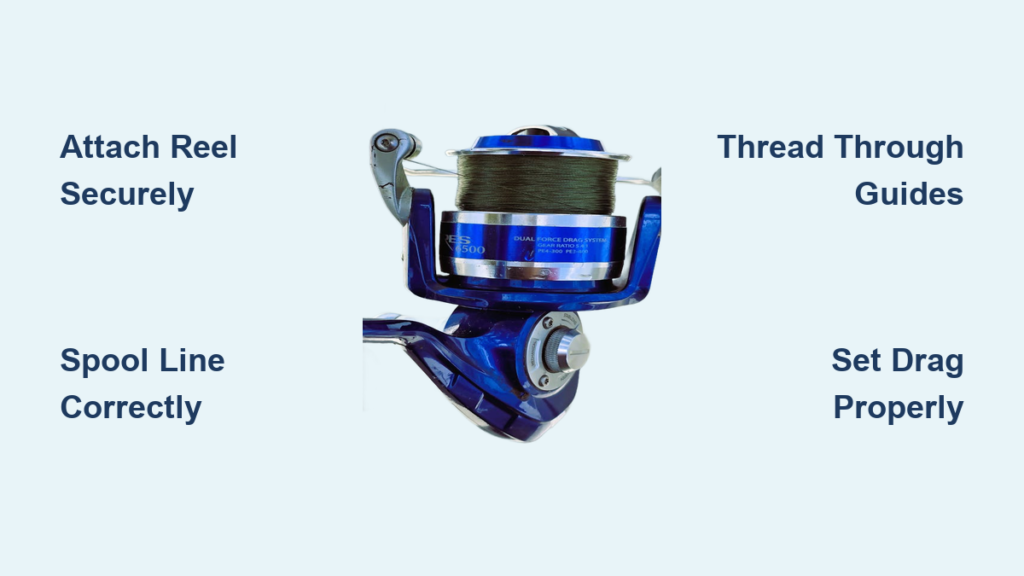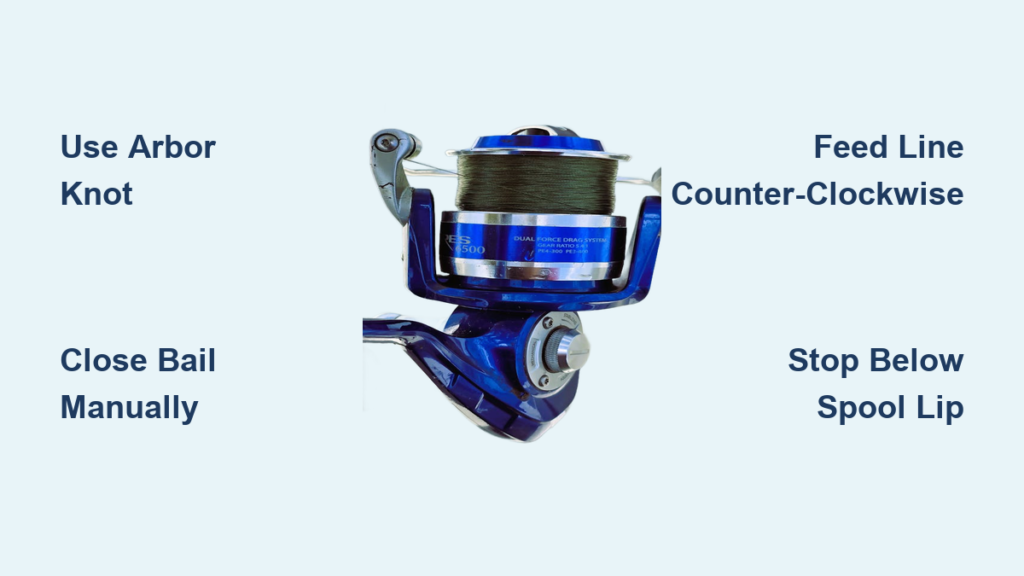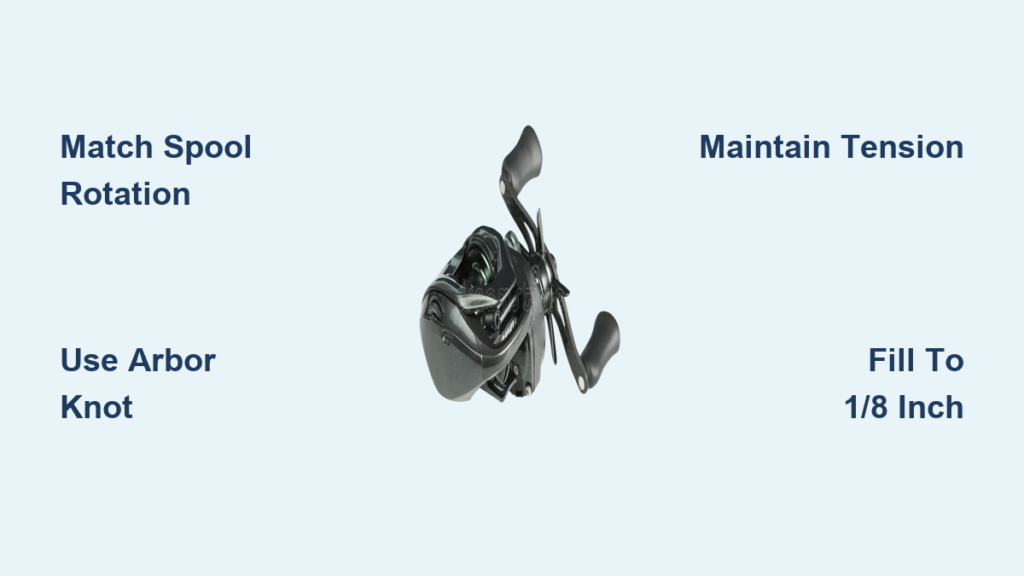
If you have ever struggled with a spinning reel when casting into heavy cover or fighting a powerful bass, you are not alone. The baitcasting fishing reel is known for precision, power, and superior hook-setting control, making it the go-to choice for serious anglers targeting aggressive species like largemouth bass, pike, and saltwater predators. But with great power comes a learning curve, especially the dreaded backlash that can turn a promising day on the water into frustration. This guide breaks down everything you need to know, from reel components and initial setup to casting techniques, troubleshooting, and long-term maintenance, so you can cast confidently and fish like a pro.
Know Your Baitcasting Reel Components
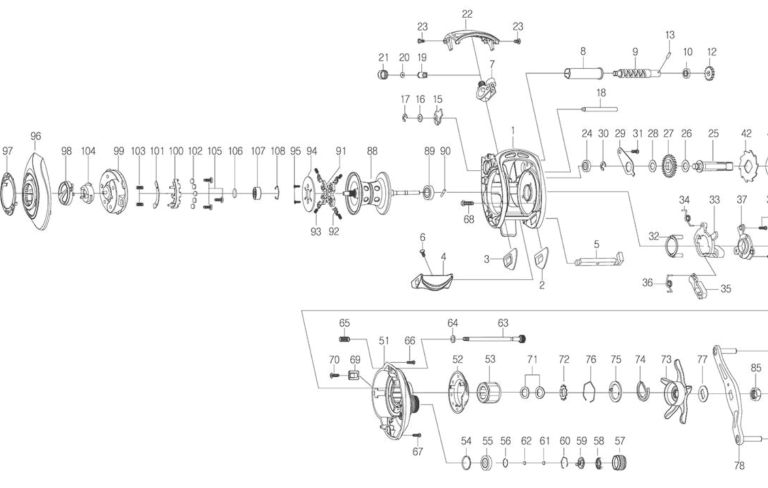
Understanding the components of your baitcasting reel is the first step to mastering it. Each part plays a specific role in casting performance and fish-fighting power.
Spool and Tension Knob Function
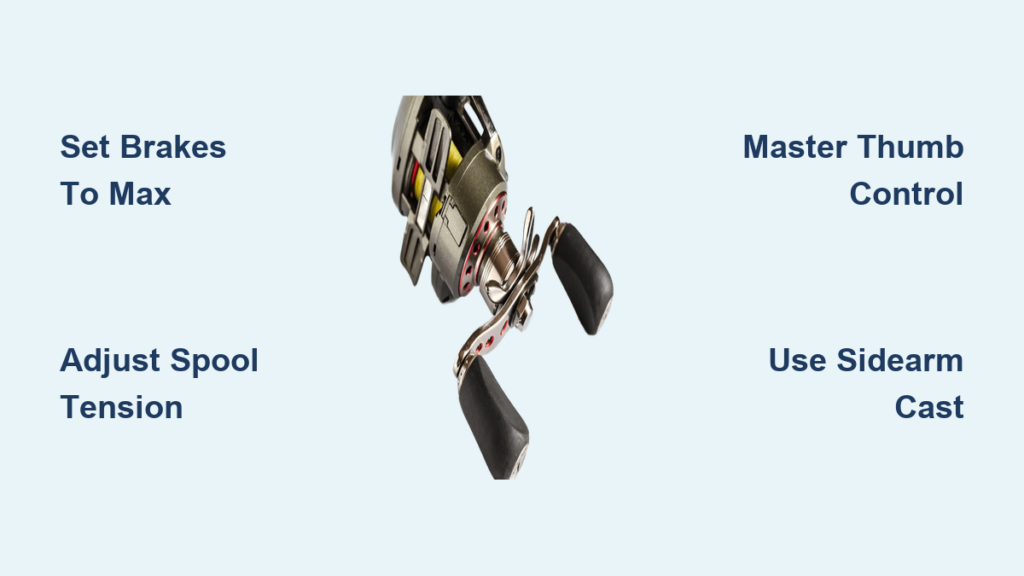
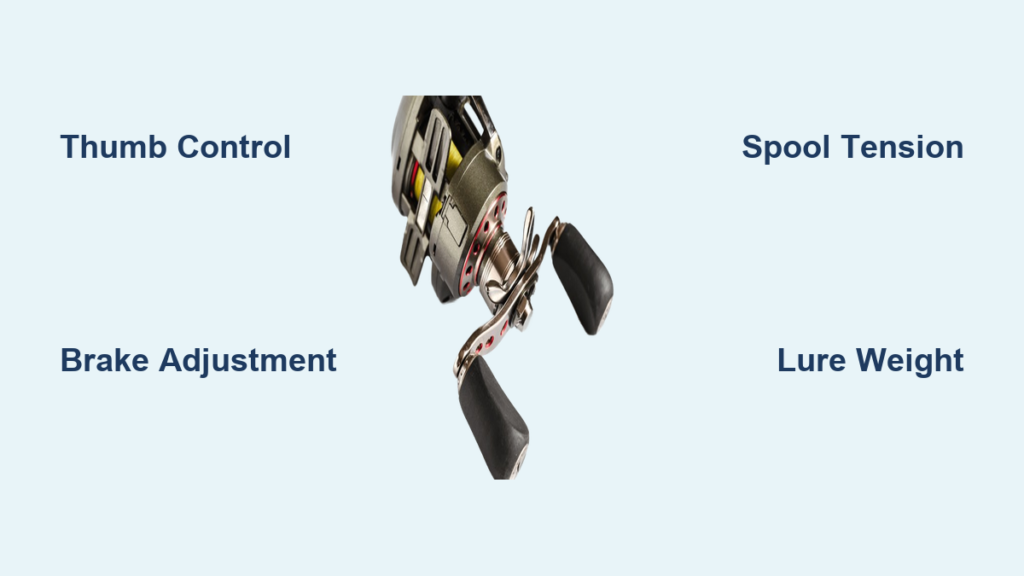
The spool holds your fishing line and spins during the cast. Its design and fill level directly affect casting distance and backlash risk. Fill the spool to within 1/8 inch of the rim. Overfilling causes friction, and underfilling reduces momentum. The spool tension knob, located on the handle side, controls how freely the spool spins when you cast. Turn it clockwise to tighten and increase resistance, or counter-clockwise to loosen. This knob should match the weight of your lure. Too loose, and the line peels off uncontrollably. Too tight, and your cast will not go far. Remember, this is not the drag system. It only affects casting, not fighting fish.
Magnetic and Centrifugal Braking Systems
On the non-handle side, the braking system controls spool speed at the start of your cast when inertia is highest. Most modern reels use magnetic brakes, adjusted via a dial typically numbered 1 to 10. Beginners should start at 8 to 10 for maximum control. Centrifugal brakes use internal pins or shoes that engage with spool speed and are adjusted by removing the side plate. They offer finer control but more complexity. Some reels combine both systems for ultimate customization. Use higher brake settings in wind or with lighter lures, and reduce as you gain confidence.
Drag System, Handle, and Release Button
The star drag knob, near the reel handle, sets resistance when a fish runs. Set it to 20 to 30 percent of your line test strength. For example, set 3 to 4.5 pounds of drag for 15-pound line. The retrieve handle comes in left-hand or right-hand models. Choose based on your comfort. Finally, the release button disengages the spool when pressed. Press it to cast, release it to stop. Some reels have low-profile buttons to prevent snagging on gear during casting.
Set Up Your Reel to Prevent Backlashes
Backlashes happen when the spool spins faster than the line leaves the reel. Proper setup minimizes this risk before your first cast.
Choose the Right Rod and Lure Weight
Start with a medium to medium-heavy power rod, 6 feet 6 inches to 7 feet 6 inches long, rated for 1/8 ounce to 1/2 ounce lures. This range offers balance and control. Begin with medium-weight lures like jigs, soft plastics, or topwater frogs in the 3/8 ounce to 1/2 ounce range. Avoid ultra-light lures until you have built skill. These heavier lures provide enough inertia to overcome spool resistance, reducing backlash risk.
Spool Your Line Correctly
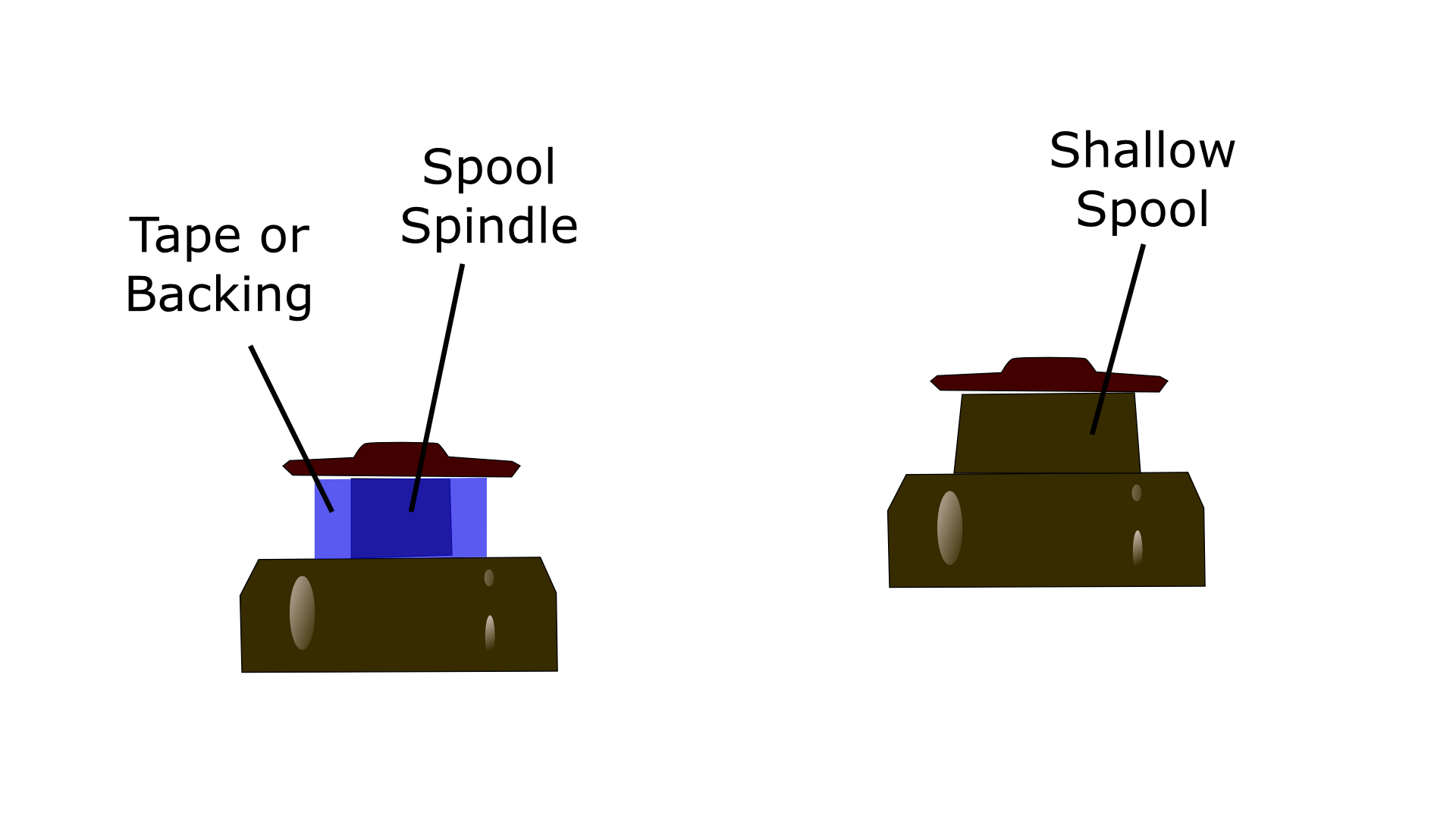
Use an arbor knot to tie line to the spool. For braided line, add a piece of athletic tape under the knot to prevent slippage. Prevent line twist by ensuring the retail spool rotates the same direction as your reel spools. Apply light tension while reeling. Use a helper or line-winding jig. Fill to 90 to 95 percent capacity, leaving that critical 1/8 inch gap from the edge. Pro tip: attach a lead swivel and cast 10 times before fishing to relax line memory.
Adjust Brakes and Tension Properly
For beginners, set magnetic brakes to 10, which is maximum. If using centrifugal brakes, engage all pins. This stabilizes the spool during early learning. For spool tension, tighten fully, then slowly loosen until your lure begins to fall under its own weight. Ideal setting is when the lure descends briskly but stops with light thumb pressure. Test with actual casts because drop tests do not always reflect real performance. Never use the drag knob to control casting. It is for fighting fish only.
Master the Basic Casting Techniques
Casting a baitcaster requires coordination, timing, and thumb control. Practice in a yard or open field with a hookless lure to build confidence.
Overhead Cast Step by Step
Grip the rod in your dominant hand with your thumb resting lightly on the spool. Reel up so the lure hangs 6 to 12 inches below the rod tip. Press the release button with your index finger. Bring the rod back smoothly over your shoulder. Accelerate forward and stop at 1 oclock position. Release thumb pressure gradually as the lure flies. Feather the spool during the final third of the cast. Stop the spool with your thumb just before splashdown. Key tip: release the spool a fraction earlier than with a spinning reel because timing is critical. Anticipate the cast end and use your thumb to control the spool spin.
Sidearm Cast for Better Accuracy
Hold the rod perpendicular to your body and cast parallel to the water. This technique is ideal for fishing under overhanging branches or making low-profile presentations. The sidearm cast reduces spool torque and backlash risk. Use continuous thumb feathering throughout. Apply light pressure as the lure travels and increase it as the lure nears the target. This cast offers excellent accuracy and is highly recommended for beginners.
Pitch and Flip for Tight Cover
For short, precise casts into docks, brush, or laydowns, use pitching or flipping. Lower the rod tip and swing the lure outward like a pendulum. Release at the bottom of the swing. For a flip, swing up then down and release just after the downward motion for a rebound effect. These techniques require minimal backswing, making them perfect for stealthy, close-range fishing. Practice with 30-pound braid and a heavy lure to build muscle memory fast.
Thumb Control Is Your Primary Tool

Your thumb is your primary defense against backlashes and your path to precision casting.
Feather to Prevent Overrun
Apply light, dynamic pressure to the spool during the cast to match line speed. As the lure slows near the target, increase pressure slightly. This feathering prevents the spool from spinning faster than the line exits, stopping backlashes before they start. Avoid slamming your thumb down mid-cast because that causes piling and tangles.
Stop the Spool Before Impact
Just before the lure hits the water, stop the spool completely with your thumb. This prevents continued spinning after the cast ends, when most backlashes occur. On skip-casts, stop the spool after the lure skips to avoid cutting the line on the spool edge.
Advanced Thumb Techniques
Once comfortable, try opening the spool tension fully and relying solely on thumb control. This can add 10 to 20 feet to your cast and enables skip-casting under docks or boats. Use pulse feathering, which is intermittent pressure, for long-distance casts. At night when sight is limited, develop kinesthetic awareness through daylight practice. One pro hack: place a small strip of black electrical tape on the spool flange. It acts as a tactile stop, preventing over-spooling during a backlash, and disappears once removed.
Choose the Right Fishing Line
Line type affects casting ease, sensitivity, and backlash frequency.
Braid vs Fluoro vs Monofilament
Braided line in 30 to 65 pound test offers zero stretch, high sensitivity, and long casts. It is best for heavy cover and skipping. But it is visible and requires tight spooling. Fluorocarbon in 8 to 12 pound test is nearly invisible, sinks, and is abrasion-resistant. It is ideal for clear water but is stiffer and harder to cast. Monofilament in 15 to 17 pound test has stretch that absorbs shock, is forgiving, and is affordable. It is great for beginners but has more memory and less sensitivity. Start with 15 to 17 pound monofilament for practice. Its stretch helps absorb casting errors. Move to 30 pound braid as you improve, adding a fluorocarbon leader when stealth matters.
Spooling Best Practices
For braid, spool tightly with constant tension. Use a jig or helper. For mono or fluoro, match spool rotation to prevent twist. Reuse old line by removing, flipping, and re-spooling to extend life. Always leave the 1/8 inch gap. Overfilling increases friction and backlash risk.
Match Your Reel with the Right Rod
Your rod and reel must work together for optimal performance.
Ideal Rod Specifications
Use a medium to medium-heavy action rod, 6 feet 6 inches to 7 feet 6 inches long, designed for 3 to 14 gram lures, which is 1/8 to 1/2 ounce. This combo handles jigs, crankbaits, soft plastics, and spinnerbaits with power and control. Longer rods improve casting distance. Shorter ones boost accuracy in tight spots.
Use the Trigger Grip Properly
Many baitcasting rods have a trigger below the reel. Rest it on your second finger for comfort. When fighting a fish, slide your hand forward so the trigger locks against your third finger. This braces the rod, reel, and forearm as one unit, preventing twist and delivering maximum power. It makes the rod feel like an extension of your arm.
Fix Common Casting Problems
Even with perfect setup, issues arise. Here is how to solve them fast.
Stop Backlashes Quickly
If you hear a gunshot sound, your line is nesting. Do not pull because you will dig it in deeper. Instead, pinch the line with your non-dominant hand and gently back-crank the handle while lightly tugging the spool with your thumb. If it is too tight, cut the line and re-tie. To prevent backlashes, increase brake setting, tighten spool tension slightly, or improve thumb feathering. Backlashes are part of learning, so do not quit.
Increase Your Cast Distance
If your casts fall short, check these common causes. Spool tension too tight? Loosen slightly. Brakes too high? Reduce from 10 to 6 or 7. Line snagging? Check guides for dirt or damage. Underfilled spool? Top off to 90 to 95 percent.
Fix Line Slipping or Stuck Spool
If your lure is dangling and line is peeling off, the tension knob is too loose. Tighten until the lure descends slowly. If the spool will not spin at all, the brakes or tension are too high. Loosen both slightly. Inconsistent casts could be caused by uneven spooling, worn brake pins, or inconsistent thumb pressure. Re-spool evenly and practice your form.
Advance Your Skills Over Time
Once the basics are down, refine your technique for real-world conditions.
Adapt to Wind and Lure Weight
In crosswinds, increase magnetic braking or spool tension slightly. For heavy lures, allow a bit looser tension but higher braking to manage inertia. With light lures under 1/8 ounce, use 10 to 15 pound braid, tighten spool tension slightly, and reduce braking. Rely more on thumb control with light lures.
Left-Hand Retrieve Adjustments
If using a left-hand reel, the brake knob is now on the right side. Adjust with your dominant hand. The casting motion remains the same, but brake access changes. Practice switching between models if needed.
Maintain Your Reel for Longevity
Rinse with freshwater after every use, especially in salt. Dry with a soft cloth. Lubricate every few months. Use reel oil on bearings and grease on gears and brakes. Do not over-lube because it attracts dirt. Replace line every 3 to 6 months or when frayed. Re-spool with braid backing and mono top shot if grip is an issue.
When to Choose a Baitcaster Over a Spinning Reel
Choose a baitcaster when you need long, accurate casts, power for heavy cover, fast retrieval in 6.3:1 to 8.1:1 gear ratios, and direct hook-setting control. Use a spinning reel instead for ultra-light lures under 1/8 ounce, finesse techniques like drop shot or shaky head, long casts with light line, or when you are a beginner not ready for backlash control.
Practice Like a Professional Angler
Top anglers did not master baitcasters overnight. Practice in a yard with a hookless lure and set up targets. Use 30 pound braid and a heavy jig to build thumb control fast. Focus on sidearm casts first because they are more consistent. Even budget reels like the Abu Garcia Maxx perform well when set up right. Read your owner’s manual because reel-specific quirks matter.
Frequently Asked Questions About Baitcasting Reels
What is the best line for beginners learning to use a baitcasting reel?
Start with 15 to 17 pound monofilament. Its stretch helps absorb casting errors and makes backlash recovery easier. As your skill improves, switch to 30 pound braided line for better sensitivity and longer casts.
How do I stop a backlash from getting worse?
Pinch the line with your non-dominant hand and gently back-crank the handle while applying light thumb pressure to the spool. If the tangle is too tight, cut the line and re-tie. Never pull the line straight because it will embed the backlash deeper.
Why does my baitcaster cast so short?
Short casts usually mean spool tension is too tight or brake settings are too high. Loosen the tension knob slightly and reduce magnetic brakes from 10 to 6 or 7. Also check that line is not snagging on guide edges or the spool rim.
Can I use a baitcaster for finesse fishing?
Yes, but it requires more skill. Use light line in 10 to 15 pound test, reduce braking significantly, and tighten spool tension slightly. The thumb control required makes it challenging for ultra-light presentations that are easier with a spinning reel.
How often should I replace my fishing line on a baitcaster?
Replace line every 3 to 6 months depending on usage. Inspect regularly for fraying, nicks, or memory coils. Frequent casting and exposure to sunlight degrade line performance. Replace immediately if you notice any damage before fishing.
What is the difference between magnetic and centrifugal brakes?
Magnetic brakes use adjustable magnets controlled by an external dial, offering consistent control that is easy to adjust. Centrifugal brakes use weighted pins that engage with spool speed, providing finer control but requiring side plate removal to adjust. Many modern reels combine both systems.
Key Takeaways for Mastering Your Baitcasting Reel
Mastering the baitcasting reel takes patience, but the payoff is unmatched control, power, and precision. Start with the right gear, set your brakes and tension properly, and practice casting with focus. Use your thumb as your primary tool. Feather, stop, and adjust as needed. Expect backlashes because they are part of the learning journey. With consistent practice, the baitcaster will become an extension of your arm, opening doors to advanced techniques and greater success on the water. Whether you are punching through lily pads or skip-casting under a dock, the baitcaster is your ultimate weapon once you learn to wield it.