You’ve got your rod, your flies, and your favorite pair of waders. Now it’s time to put on your fishing vest and make the most of it. But if you’re stuffing gear into pockets at random or struggling to find your nippers mid-cast, you’re missing out. A fishing vest isn’t just extra storage. It’s a mobile command center designed to keep essential tools within reach and your mind focused on fishing.
Knowing how to use a fishing vest properly transforms chaos into efficiency. Whether you’re chasing trout in mountain streams or targeting smallmouth bass in fast rivers, the right setup saves time, reduces frustration, and keeps you ready for every cast. This guide walks you through how to load, organize, and optimize your vest for real-world performance.
Choose the Right Vest and Fit It Properly
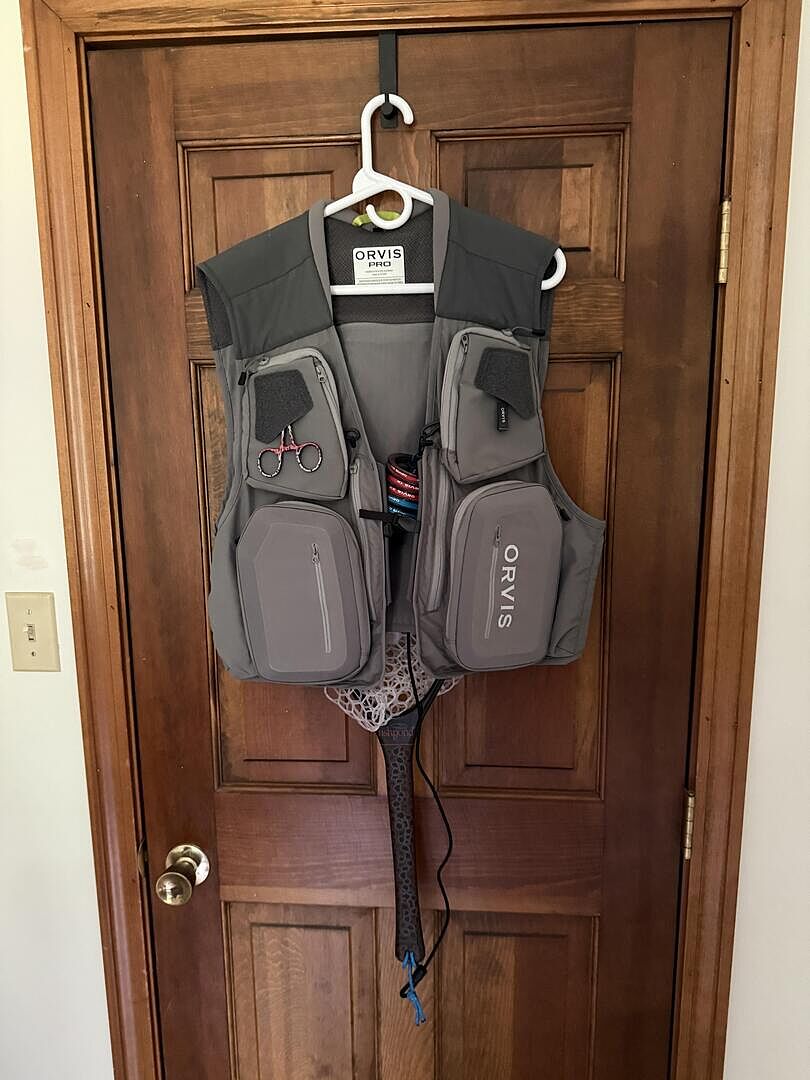
Before loading any gear, ensure your vest fits like a second skin. It should be secure, balanced, and unobtrusive.
Adjust Straps for Comfort and Mobility
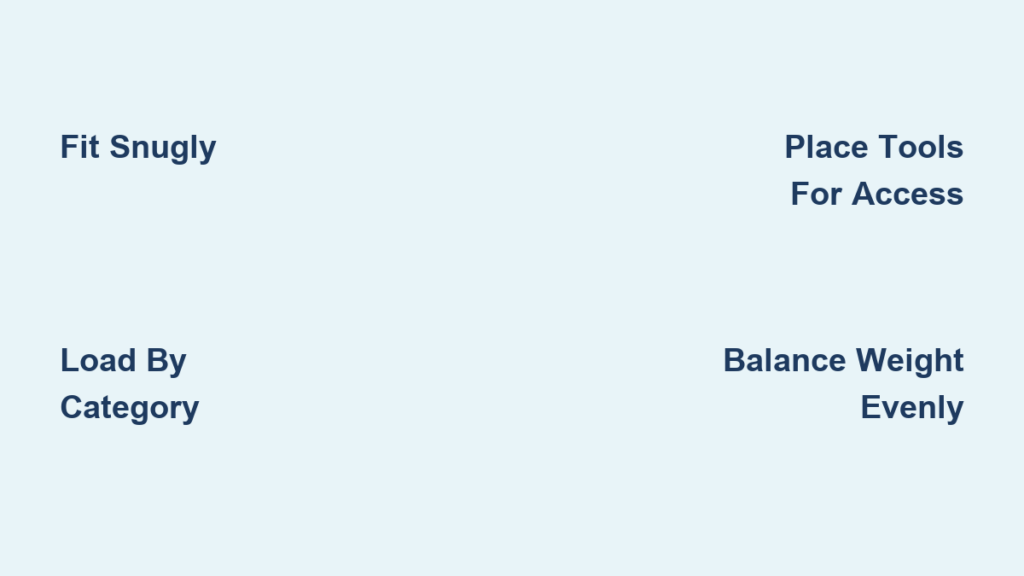
Start by tightening shoulder and waist straps until the vest sits snugly but doesn’t restrict movement. You should be able to bend forward, reach across your body, and raise your arms freely. A loose vest shifts with motion, throwing off balance and making tools harder to access.
Use models with adjustable sliders to fine-tune where the front closure meets. This lets you customize fit across chest and torso width.
Test Fit Before Loading
Once adjusted, perform these checks.
• Perform a reach-and-rotate test to simulate casting motions.
• Check for chafing around the neck or shoulders.
• Confirm all zippers, snaps, and closures engage fully.
A well-fitted vest stays put, distributes weight evenly, and keeps your core visible for netting fish or tying knots.
Prioritize Lightweight, Durable Materials
Look for water-resistant fabrics that shed moisture and resist abrasion from rocks or brush. Avoid bulky designs. Even a few extra ounces add fatigue over long days. Vests like the Orvis PRO balance high capacity with breathable, lightweight construction.
Load Essential Gear by Category
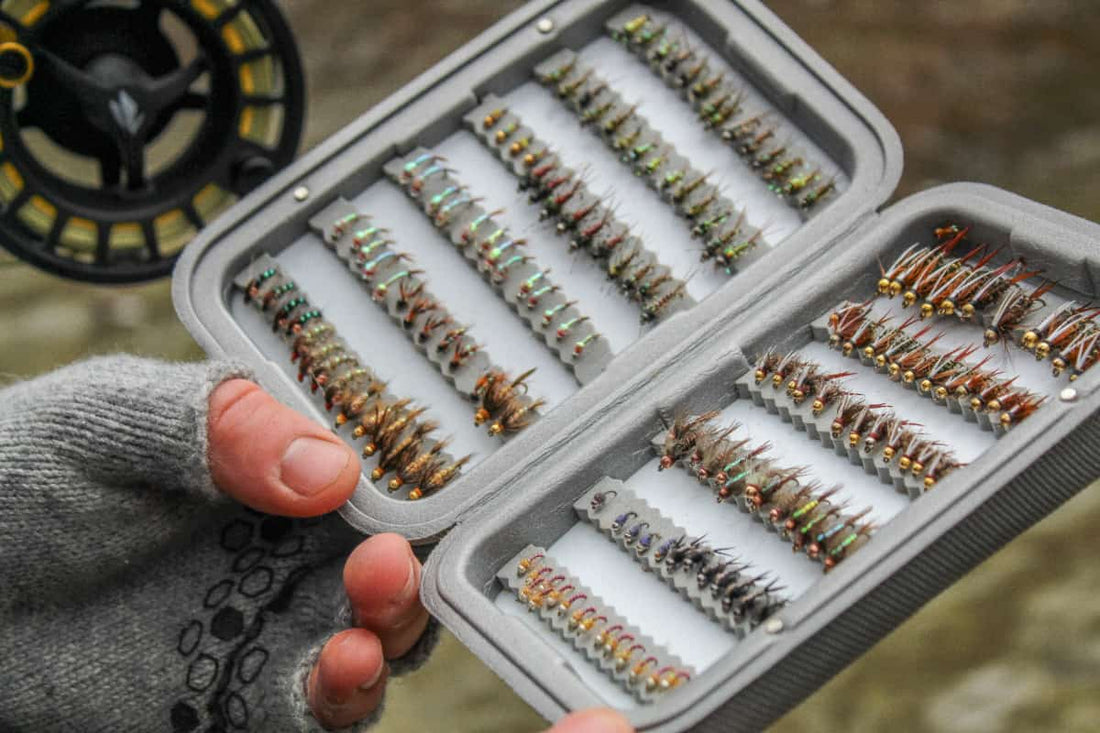
Think of your vest as a fly fishing workstation. Organize gear into functional categories so nothing is missing and everything has a place.
Store Flies for Quick Access
Fly selection depends on species and conditions, but organization stays consistent.
Sort Fly Types and Use
• Dry flies: Keep in labeled boxes in upper front pockets.
• Nymphs: Use separate compartments for standard, heavy, and dirty patterns.
• Streamers: Store aggressive patterns like Bunny Leeches and Clousers in a dedicated box.
• Midges and small patterns: Use specialized boxes for size #18 and larger flies.
• Secret patterns: Reserve unlabeled boxes for region-specific flies.
Place Boxes Strategically
• Top front slit pockets: Hold most-used boxes for visual access without opening lids.
• Lower or interior pockets: Store backup or bulkier boxes.
Keep egg patterns oriented with labels up. No guessing which size you’re grabbing mid-river.
Organize Tippet and Leaders
Tippet management prevents tangles and speeds rig changes.
Carry Key Tippet Sizes
• Trout and smallmouth: 4x, 5x, 6x
• Heavy water or big fish: 3x fluorocarbon
• Tiny flies: 6x or lighter
Roll spools into small ziplock bags or soft pouches to prevent snagging. Avoid exposed tippet holders. They catch on branches and fly lines.
Use Tippet Bars or Pouches
Some vests feature built-in tippet bars that hold spools securely and visibly. If not, tuck pre-cut lengths into elastic side tabs for instant reach.
Pre-Tie Leaders
Store two to three pre-tied leaders in upper pockets. Label them clearly so you can swap rigs in seconds when the hatch changes.
Pack Strike Indicators and Weights
Nymphing demands precise depth control. Carry the right tools to adjust fast.
Select Multiple Indicator Types
• Plastic bobbers: For deep runs
• Yarn or putty: Reusable, low-profile options
• Small black indicators: Ideal for bright, glare-heavy days
• Large orbee styles: Better visibility in choppy water or low light
Keep two to three moldable indicators on hand. Shape as needed, then reuse.
Store Split Shot and Putty
• Non-lead split shot: Various sizes for fine-tuning sink rate
• Soft putty: Roll into balls for fast, precise weighting in heavy current
• Snake River Mud: Apply to tippet to reduce shine and improve sink rate
Keep weights in small zippered pockets or dedicated side compartments.
Maintain Dry Fly Performance
A soggy dry fly sinks fast. Keep it floating with the right maintenance kit.
Use Liquid and Gel Floatants
• High ‘N’ Dry Liquid: Quick application for immediate float
• High ‘N’ Dry Gel: Longer-lasting protection in rough water
• Ice-Off Paste: Prevents guide freezing in winter
Apply before casting, especially after multiple retrieves.
Dry Flies Fast with Tools
• Dry Shake powder: Revive waterlogged flies
• Fly Banjo: Hook fly into silicone loop, pluck like a string. Dries in seconds.
• Foam patches: Attach to net or vest for temporary drying or staging
Use a Dry Shake and brush combo for soft hackles to prevent matting and preserve action.
Position Tools for Instant Access

Tools should be clipped, retracted, or pocketed for one-handed deployment. No fumbling.
Clip Nippers and Scissors to Zingers
Attach nippers to a retractable zinger on your dominant side. Use pointed-tip models to clear cement from hook eyes or untangle knots.
Avoid overloading one zinger. Cluster only compatible tools like nippers and flotent.
Hang Forceps for Safe Hook Removal
Forceps are vital for removing hooks with minimal fish stress.
• Clip to non-dominant side to avoid imbalance. These tools can be heavy.
• Use nose-heavy models for precision in tight spots.
• Use the same tool to tie quick dropper knots or handle delicate flies.
Never toss forceps into a pocket. They’re too easy to lose.
Carry Hook Sharpeners and Multi-Tools
A compact hook sharpener keeps points keen after snagging rocks or weeds.
Pair with a small multi-tool with pliers, scissors, and file for on-the-go repairs.
Add Critical Support Tools
Beyond tackle, these items boost safety, accuracy, and comfort.
Monitor Water Temperature
Fish behavior shifts with temperature. Carry a digital thermometer in an interior pocket.
For scouting, a laser IR thermometer helps spot cool inflows from a distance.
Measure Fish Accurately
Use a tape measure to verify legal size before release. Clip to vest or keep in a side pocket for quick access.
Straighten Coiled Leaders
A leader straightener is essential when lines kink from cold or storage. Use it before tying on a new fly.
Pack Safety and First Aid
Never hit the water without these essentials.
• First aid kit: Band-aids, antiseptic, pain relievers, mosquito repellent
• Headlamp: Hands-free light for dusk tying or emergency use
• Sun protection: Lip balm and sunscreen in mesh pockets
Keep headlamp clipped to shoulder strap or front loop.
Customize by Target Species

Your vest loadout should shift based on what you’re chasing.
Trout Fishing Setup
Focus on delicate presentations, dry flies, and subtle nymphing.
Key Additions
• Wide range of tippet sizes from 4x to 6x
• Multiple dry fly boxes with terrestrials, emergers, and dries
• Small strike indicators for finesse
• Soft hackles pre-rigged
• Fly Banjo and drying patch for repeated casts
Pocket Layout
• Upper front: Dry fly box, pre-tied leaders
• Side tab: Nippers on zinger
• Interior: Tippet spools, thermometer, toilet paper in ziplock
Smallmouth Bass Setup
Focus on power fishing, streamers, and structure.
Fly Selection
• Topwater: Early morning and evening surface action
• Streamers: Imitate minnows and crayfish
• Nymphs and dries: For slower, clear sections
Gear Adjustments
• Heavier tippet: 2x to 4x fluorocarbon
• Pliers and nose-heavy forceps: For strong hook removal
• Fishing gloves: Improve grip and protect hands
• Waterproof marker: Label fly boxes or logs
Fly Box Strategy
Use a dedicated bass box for larger patterns to prevent tangling with trout flies. Place in upper pocket for quick access during aggressive retrieves.
Optimize Pocket Layout for Efficiency

Where you place gear matters more than how much you carry.
Upper Front Pockets: High-Frequency Zone
Reserve for items used every ten to fifteen minutes.
• Primary fly boxes
• Pre-tied leaders
• Floating tippet
• Strike indicators
Keep most-used items on your dominant-hand side for faster reach.
Side Elastic Tabs: Tool Parking
Ideal for tippet spools, nippers, and scissors. Keeps tools off the chest and drier than front pockets.
Interior Chest Pockets: Secure Storage
Right side: Leader wallet, extra tippet spools, soft hackles, backup fly boxes.
Left side: Fishing license, keys, sunglasses cleaning kit, thermometer, toilet paper in ziplock.
Back Zippered Pocket: Bulk Storage
For less-frequent items like rain jacket, snacks, extra layers, water filter, or wading boots if backpacking.
Avoid overloading. Keeps center of gravity low.
Velcro Fly Patches: Tool Clustering
Attach to front flap or shoulder for zinger with nippers, forceps, and Fly Banjo. Use patch to pass tool through and clip. Creates a workflow loop that prevents dropping.
Dump Pockets: Casual Carry
Large, open pockets work for sunglasses, buff or hat, flask, or cigar during downtime. Use only when actively fishing. Do not let clutter build.
Attach and Deploy Your Net
A net should be secure but instantly available.
Use Magnetic Retainers
Loon-style magnetic clips hold nets firmly and release with a pull. Mount on lower back or side. Keeps net upright and prevents dragging.
Try Retractor Systems
Attach a Gear Keeper retractor to a triangle ring on the vest back. Net stays close, deploys fast, and won’t float away if dropped.
Stow Long Nets Smartly
For oversized nets, tuck handle into waist belt while wading. Keeps it stable and out of the way.
Never let net hang loosely. It catches on brush and unbalances you.
Avoid Common Vest Mistakes
Even experienced anglers overload or misplace gear. Steer clear of these pitfalls.
Skip Unnecessary Gadgets
Leave behind knot tying tools, stomach pumps, fly threaders, and excessive tippet holders. Forceps do the knot job better, practice with good lighting beats threaders, and internal storage beats exposed holders.
Do Not Overpack
A vest isn’t a backpack. If every pocket bulges, you’re carrying too much.
Use a daypack or side pouch for extra line, large water reservoir, full rain gear, or food for long trips. Keep the vest lean. Only what you need now.
Balance Weight Evenly
Heavy items like forceps, thermometers, and fly boxes should be centered or slightly forward. Avoid loading one side too much. Throws off posture and casting form.
Maintain Your Vest and Gear
A clean, functional vest lasts longer and performs better.
Clean After Every Trip
Rinse fly drying patches and microfiber cloths. Wipe down zippers and snaps to prevent grit buildup. Empty all pockets to avoid forgotten bait or wet gear.
Inspect Regularly
Check zingers and retractors for fraying. Check fly boxes for water intrusion. Check straps and closures for wear. Replace damaged parts before they fail on the water.
Adjust for Season
Winter: Swap to ice-off paste for guides. Add gloves and hand towels for warmth. Use lighter vest if layering under a jacket.
Summer: Prioritize ventilation and sun protection. Carry extra water and electrolytes in back pocket.
Final Loadout by Pocket (Quick Reference)

| Location | Contents | Purpose |
|---|---|---|
| Upper Front Pockets | Dry/nymph fly boxes, pre-tied leaders | Fast access, rig changes |
| Side Elastic Tabs | Nippers, tippet spool | Immediate reach, dry storage |
| Interior Chest (Right) | Leader wallet, extra tippet, soft hackles | Protected, organized |
| Interior Chest (Left) | License, keys, sunglasses kit, thermometer, TP | Secure, essential data |
| Velcro Fly Patch | Zinger (nippers), forceps | Tool clustering, deployment |
| Lower Front/Side | Split shot, putty, net (magnetic) | Weight balance, quick net use |
| Back Zippered Pocket | Rain jacket, snacks, water filter | Bulk, infrequent access |
| Clip-On Loops | Headlamp, Fly Banjo, pliers | Hands-free, specialized tasks |
Frequently Asked Questions About Using a Fishing Vest
What is the most important pocket on a fishing vest?
The upper front slit pockets are most important. They hold your primary fly boxes, pre-tied leaders, and floating tippet. These items are used every ten to fifteen minutes, so visual access without opening lids saves significant time.
How do I organize flies in my fishing vest?
Sort flies by type into separate boxes. Keep dry flies in upper front pockets for quick access. Store nymphs and streamers in lower or interior pockets. Label boxes clearly and orient them with labels facing up so you can identify sizes at a glance.
Should I use a fishing vest for trout or bass fishing?
Both work well, but loadouts differ. Trout fishing requires lighter tippet, more dry fly maintenance gear, and subtle strike indicators. Bass fishing needs heavier tippet, larger fly boxes for streamers, and more durable tools like nose-heavy forceps.
How do I prevent my fishing vest from snagging on branches?
Avoid exposed tippet holders and loose gear. Use internal pockets or pouches for tippet storage. Keep tools on zingers or retractors rather than loose in pockets. Choose a streamlined vest design rather than bulky models.
How often should I clean my fishing vest?
Clean your vest after every trip. Rinse drying patches and wipe down zippers to prevent grit buildup. Empty all pockets to avoid forgotten wet gear or bait that can cause odors or damage.
Key Takeaways for Using Your Fishing Vest Effectively
A fishing vest is only as good as how you use it. By fitting it right, loading it smart, and organizing by frequency and function, you turn it into a seamless extension of your fishing rhythm. The upper front pockets should hold your most-used items like primary fly boxes and pre-tied leaders. Distribute weight evenly across both sides to maintain balance during casting and wading. Customize your loadout based on whether you’re targeting trout or smallmouth bass, adjusting tippet weights, fly selections, and tool types accordingly. Whether you’re on a quick afternoon trip or a full-day expedition, the right vest setup keeps you focused, efficient, and ready for the next bite.