
You’ve seen the photos—anglers gliding silently over glassy water, casting into untouched backwaters, landing trophy fish from a tiny vessel. Kayak fishing isn’t just a trend; it’s a revolution in angling that puts remote spots, shallow flats, and secret structure within reach. And the best part? You don’t need a $50,000 boat to get started.
How to start kayak fishing begins with smart choices: the right kayak, essential safety gear, and a simple setup. This sport rewards minimalism, stealth, and confidence on the water. Whether you’re a bank fisherman tired of crowded shorelines or a powerboater looking to downsize, kayak fishing offers freedom, affordability, and a deeper connection to nature.
Why Kayak Fishing Is Worth the Switch
Kayak fishing gives you access to waters where boats cannot go. Shallow creeks, hidden coves, and mosquito-controlled marsh banks all become your personal fishing holes. The silent approach lets you slip past wary fish that would spook at the sound of a trolling motor.
Beyond access, the cost savings are massive. A decent bass boat runs $20,000 to $60,000 before gas and maintenance. A quality fishing kayak setup starts around $1,500. You save thousands while gaining mobility that actually improves your fishing.
The learning curve is shorter than you think. Modern fishing kayaks are engineered for stability. You will not spend weeks learning to stay upright. Most beginners feel comfortable within their first few hours on the water.
Choosing Your First Fishing Kayak

Your kayak is your platform, your ride, and your lifeline. Pick wrong, and every trip becomes a struggle. Pick right, and you will wonder why you did not start sooner.
Sit-On-Top vs. Sit-Inside: Pick Sit-On-Top
Sit-on-top kayaks dominate fishing for good reason. They are stable, self-draining, and let you move freely. You can stand, stretch, or hop off to reposition without worrying about getting trapped.
Sit-in kayaks limit your movement, are hard to stand in, and if you capsize, draining water is a nightmare. Fishing demands accessibility. Sit-on-tops deliver.
Finding Your Ideal Size
Length determines how the kayak tracks and turns.
• 10 to 12 feet: The sweet spot for beginners. Long enough to track well, short enough to turn easily. Perfect for ponds, rivers, and small lakes.
• Under 10 feet: Super maneuverable but tippy and hard to paddle in a straight line.
• Over 12 feet: Best for big water, large lakes, or coastal areas. Tracks better in wind and waves.
Width matters just as much as length.
• 30 to 37 inches: Wider equals more stable. Ideal for standing casts.
• Under 28 inches: Faster but less stable. Not recommended for new anglers.
If you weigh over 250 pounds, go longer and wider. Models like the Jackson Big Rig or Coosa HD are built for larger anglers with high weight capacity and elevated seating.
Paddle vs. Pedal: Start with Paddle
Pedal drives let you move hands-free, great for trolling or fighting fish. But they cost more, add weight, and can fail mechanically. As a beginner, start with a paddle kayak.
You will build core skills: paddling efficiency, balance, and water reading. Plus, paddles never run out of battery or break mid-stroke.
If your budget allows, consider a pedal-ready kayak like the Feelfree Lure or Native Slayer XC. You can upgrade later.
Best Budget-Friendly Kayaks
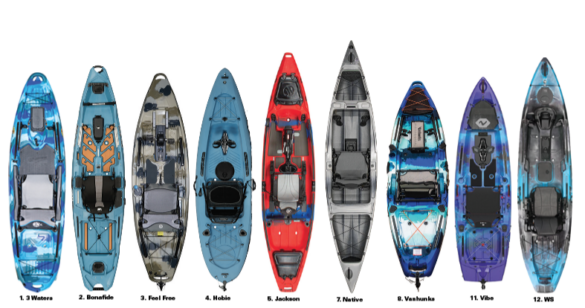
You do not need to spend $2,000 to start. These models deliver value without cutting corners.
• Feelfree Lure 10 or 11.5 ($849 to $1,069): Stable, adjustable seat, track system, built-in wheel.
• Vibe Sea Ghost 110 ($899): Loaded with storage, rudder, solid seat.
• Jackson Coosa ($874): Comfortable, lockable storage, great for all-day trips.
• Old Town Sportsman PDL 120: Legendary stability, perfect for learning.
Buying used can save up to 50 percent. Just test for leaks, cracks, and hull integrity. Demo days are golden opportunities to try before you buy.
Essential Safety Gear You Must Have
No exceptions. No shortcuts. Safety comes first, every time.
Wear a PFD at All Times
A Coast Guard-approved Personal Flotation Device is not optional. It is your lifeline. And it must be worn, not stashed in the hull.
Two types work well for anglers.
• Vest-style PFDs: Best for fishing. Pockets for phone, knife, whistle, and first aid. Brands like NRS Chumuk or Onyx offer comfort and utility.
• Inflatable PFDs: Lighter and less bulky, but no storage. Great for hot weather.
Fit is critical. If it is uncomfortable, you will not wear it. Budget $30 to $120. Worth every penny.
Carry These Five Safety Items
• Whistle: Required by law. Attach it to your PFD.
• 360-Degree Light: Mandatory for low-light or night fishing. The Yakatak Vizy Pro 2 combines light with a visibility flag.
• Knife: Your emergency tool. Cut tangled lines, anchor ropes, or vegetation. Keep it on your PFD.
• First Aid Kit: Treat hook injuries, cuts, or scrapes. Store in a dry bag.
• Communication: Waterproof phone in a Rogue Tether or marine radio for open water.
File a Float Plan
Always tell someone where you are launching, where you are fishing, and when you will return. If you do not check in, they can alert authorities. Simple. Life-saving.
What to Wear on the Water

You are not just fishing. You are floating. If you capsize, your clothes could save or sink you.
Avoid Cotton
Wet cotton drains body heat fast. Hypothermia can set in even in summer. Instead, wear synthetics, merino wool, or fishing-specific apparel with UV and moisture control.
Layer Smartly
Cold weather demands three layers.
- Base: Moisture-wicking top
- Mid: Fleece or insulated jacket
- Outer: Windproof, floating PFD or rain shell
Winter waders? Only with a dry top layer. If they fill with water, you will sink fast.
Protect Against Sun and Bugs
• Polarized sunglasses: See into the water, reduce glare.
• Wide-brim hat or buff: Shield face and neck.
• Sunscreen: Reapply every 2 hours.
• Bug spray: Essential in spring and summer.
Footwear That Works
• Water shoes or sandals: Drain well, grip slick surfaces.
• Neoprene boots: Keep feet warm and dry in cold water.
Never go barefoot at launch or on rocky shores.
Getting Your Kayak to the Launch Site
Your paddle is your engine. Your transport plan gets you to the water. Get both right.
Choose the Right Paddle
Length depends on your height and kayak width. A general starting point is 250 centimeters, about 8 feet 2 inches.
Materials matter for long-term use.
• Fiberglass or carbon: Lightweight, efficient, durable.
• Plastic: Cheap, heavy, tiring over time.
Skip the bargain paddle. Brands like Bending Branches and Werner last longer and reduce fatigue. Two-piece designs are ideal for car transport.
Get It to the Water
Three main options work for most anglers.
• Truck bed: Easiest if you have a pickup. Slide in nose-first.
• Roof rack: Use Malone racks plus ratchet straps. Practice solo loading.
• Trailer: Best for heavy pedal kayaks or multiple boats.
If you are car-topping, keep kayak weight under 70 pounds for safe handling.
Launch Like a Pro
• Use public ramps or sandy shorelines.
• Enter stern-first with the kayak floating in the water.
• Keep center of gravity low. Bend knees, sit before pushing off.
• Wear water shoes for traction.
Need help? Use a kayak loader or bring a buddy. Two people make it ten times easier.
Store It Right
• On its side against a wall: Prevents hull deformation.
• Wall rack: Saves floor space.
• Ceiling lift: Great for garages.
• Avoid sun: UV damages plastic. Store shaded or indoors.
Never store hull-down in hot weather. It can warp the bottom.
Must-Have Fishing Gear for Beginners
Start simple. Add only what you need.
Rods and Reels: Start with One
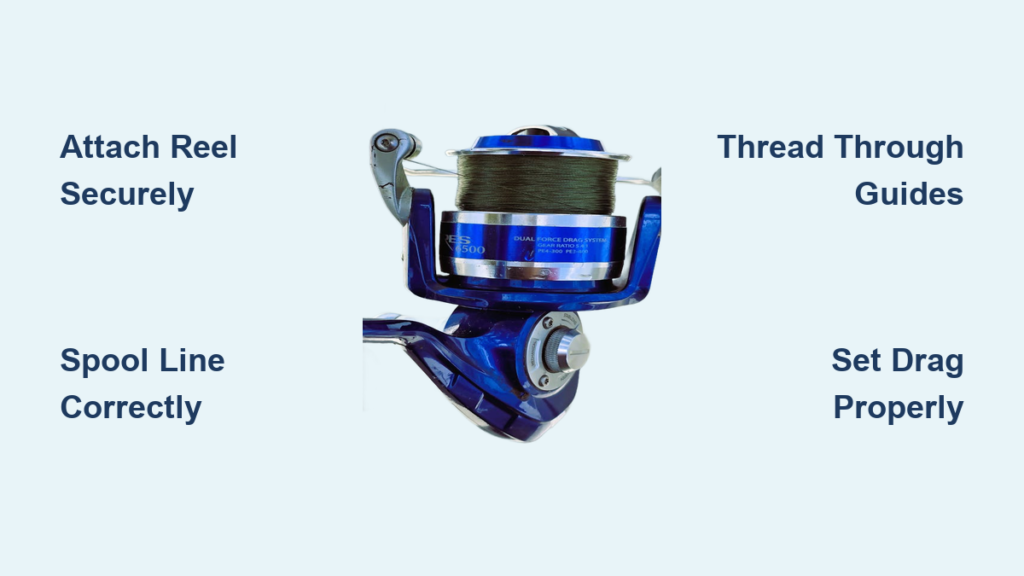
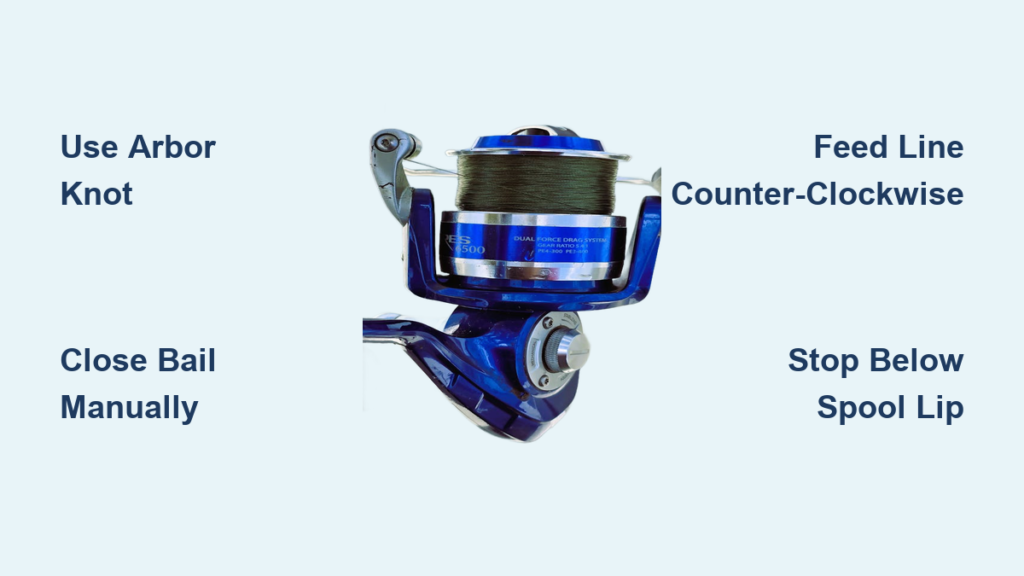
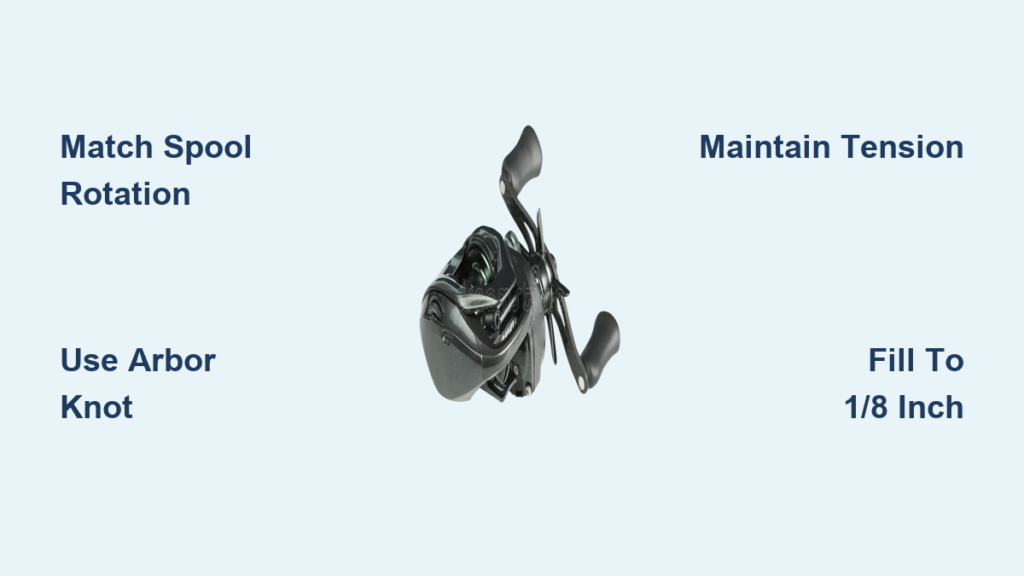
Beginners do not need four rods. Start with a spinning combo like the Pflueger President, easier to learn. Or a 7-foot medium-heavy baitcaster, versatile for bass, pike, and walleye.
Upgrade later with the four-rod system.
- Multi-Purpose: 7-foot medium-heavy baitcaster for Texas rigs, jigs, crankbaits.
- Treble Hook: 6-foot 8-inch medium for topwater, square bills.
- Finesse: 7-foot medium spinning for drop shots, Neko rigs.
- Meat Stick: 7-foot 6-inch heavy for frogs, flipping, heavy cover.
Use rod leashes to prevent loss.
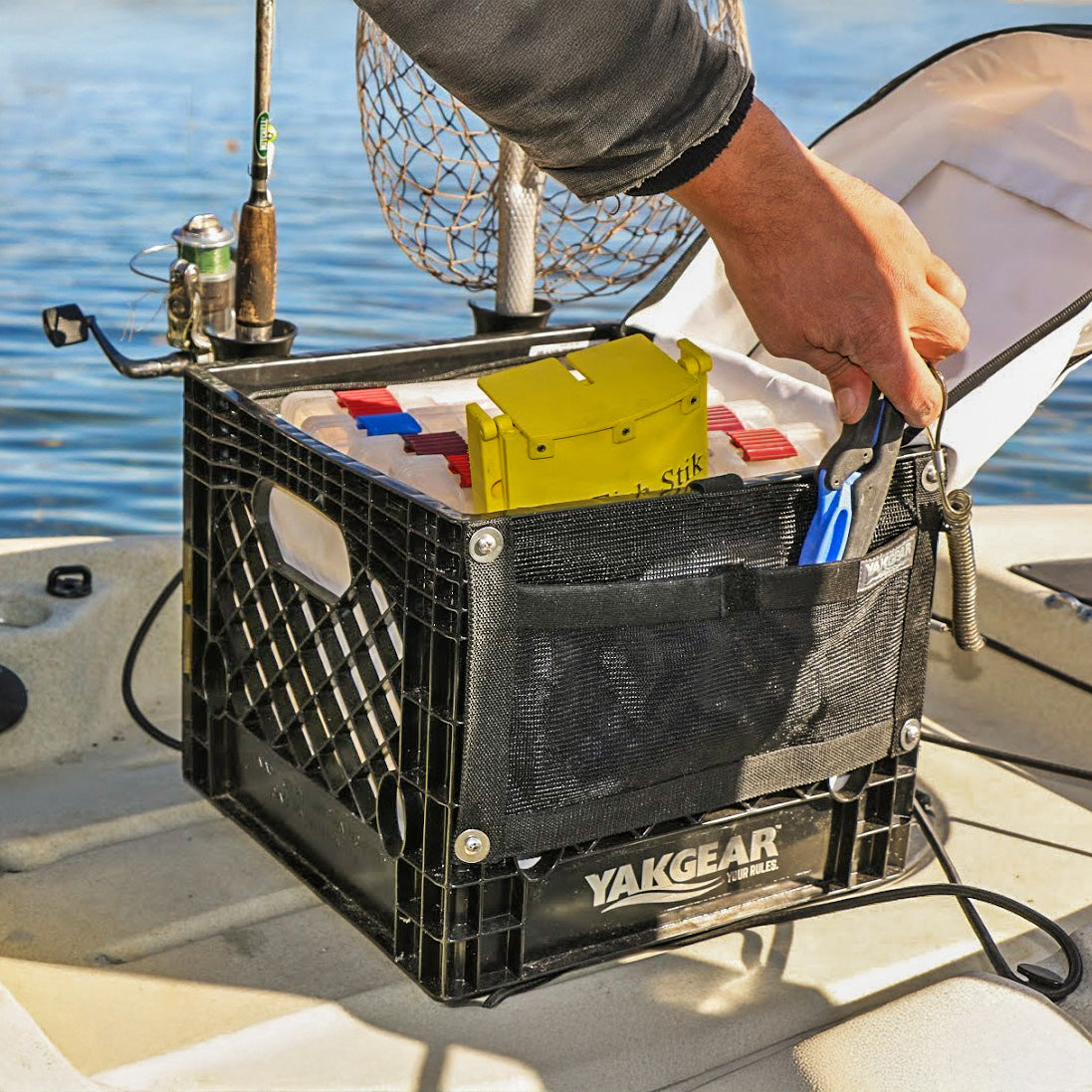
Tackle Storage: Milk Crate Magic
The milk crate system is cheap, effective, and fits most kayaks.
• Holds tackle boxes, pliers, snacks.
• Customize with bungees and zip ties.
• Place in rear well or behind seat.
Add waterproof Stowaway boxes to keep gear dry.
Anchor Smart
An anchor keeps you in position without paddling.
• 10-pound mushroom anchor plus 20 to 30 feet of nylon rope.
• Use a zig-zag cleat or Anchor Wizard for easy release.
• Never tie to the side. It can capsize you in current.
• Attach to bow or stern, and keep line cuttable.
Skip the Fish Finder At First
Beginners should learn to read the water, not a screen.
Watch for birds diving, baitfish jumping, water color changes, and shoreline structure. Add a down-scan fish finder in Year Two. Look for kayaks with transducer mounts like the Old Town Topwater 120.
Must-Have Tools
• Pliers: Remove hooks, cut line, handle toothy fish.
• Line cutters: Small snips on PFD or rod.
• Landing net: Essential for big fish.
• Rod floats: Foam or pool noodle on rods prevents sinking.
• Phone mount or tether: Keep it secure and dry.
Basic Paddling Skills for Anglers
Skills beat gear. Practice these fundamentals.
Paddle with Power and Precision
• Forward stroke: Reach, submerge blade near toes, pull back along hull, exit at hip. Rotate your core, not just your arms.
• Forward sweep: Turn the bow by sweeping paddle wide from front to back.
• Reverse sweep: Stop or spin by pushing from stern to front.
• Draw stroke: Pull kayak sideways by reaching out and pulling toward the hull.
• Sculling: Tiny strokes to hold position.
Practice one-handed paddling. You will need it while reeling.
Work With Wind and Current
• Paddle upwind or upstream first. Let wind or current carry you back.
• Drift along edges. Stop paddling early and let momentum glide you.
• Hug shorelines. Less wind, weaker current, more structure.
• Use eddies in rivers. Tuck behind rocks to fish the seams.
Casting and Fighting Fish from a Kayak
• Relax your legs. Let the kayak roll slightly. Trust its stability.
• Use waist rotation, not just arms.
• Start seated, then progress to standing.
• Wide stance when standing: feet shoulder-width, knees bent.
Use your rod as a rudder. Cast left, apply tension, and the bow turns left. Saves paddle switches.
Finding Fish and Choosing the Right Lures

Start simple. Bass are the perfect beginner target.
Bass Fishing from a Kayak
• Stealth is key. Glide in quietly. No splashing.
• Hit shallow cover: Fallen trees, weed beds, docks.
• Cast to transitions: Drop-offs, pinch points, grass lines.
Best lures for beginners.
• Frogs: Topwater, thick weeds.
• Texas-rigged soft plastics: Versatile, snag-resistant.
• ChatterBait: Works year-round.
• Neko rig: Finesse, clear water.
Change lures fast if fish are not biting.
Other Species to Try
• Crappie: Light jigs or minnows near brush piles.
• Walleye: Jig near bottom at dawn and dusk.
• Catfish: Cut bait on the bottom.
• Panfish: 6-foot 6-inch to 7-foot light rod with small jigs.
Planning Your First Trip
Success starts before you launch.
Pre-Trip Checklist
• Check weather and wind.
• File a float plan.
• Pack: PFD, whistle, light, knife, first aid, phone.
• Bring: Water, snacks, sunscreen, extra line.
• Verify fishing license.
Use a checklist. Never wing it.
On the Water: Stay Calm, Stay Smart
• Move slow. Kayaks are not race boats.
• Observe. Birds, ripples, and baitfish mean fish.
• Stay hydrated. Dehydration kills focus.
• Fish one spot thoroughly before moving.
After the Trip: Maintain and Reflect
• Rinse kayak and gear, especially after saltwater.
• Check for cracks or wear.
• Recharge batteries.
• Ask yourself what worked and what did not. Adjust next time.
Common Mistakes to Avoid
- Overloading the kayak: Too much gear equals unstable. Stick to essentials.
- Skipping the PFD: Not worth the risk. Wear it.
- Tensing up: Makes tipping worse. Relax and trust the boat.
- Ignoring anchor line: Can tangle or capsize you. Manage it.
- Underestimating distance: Paddling is slower than driving. Plan wisely.
- Buying the wrong kayak: No narrow or sit-in boats. Choose fishing-specific.
Frequently Asked Questions About Kayak Fishing
Do I need a special license to fish from a kayak?
No. A standard fishing license covers kayak fishing in most states. Some states offer specific kayak or watercraft licenses, so check your local regulations. Keep the license on your phone or physically in a waterproof case.
Can I fish from any kayak, or do I need a fishing-specific one?
Any kayak can work, but fishing-specific kayaks offer major advantages. They have rod holders, storage wells, transducer mounts, and wider hulls for stability. Dedicated fishing kayaks make your experience much better.
How stable are fishing kayaks? Will I tip over easily?
Modern fishing kayaks are very stable. Most beginners can stand and cast within their first few trips. Wider models in the 30 to 37-inch range offer primary stability for standing and secondary stability for leaning into casts. Relax and trust the hull.
What is the best water for a beginner kayak angler?
Start in calm, protected waters. Ponds, slow rivers, and sheltered coves are ideal. Avoid big lakes with choppy waves or strong currents until you build confidence. Calm water builds skills faster.
How much does a beginner kayak fishing setup cost?
A complete beginner setup runs $1,200 to $1,800. This includes the kayak ($800 to $1,100), PFD ($50 to $120), paddle ($80 to $150), basic tackle and rods ($150 to $300), and safety accessories ($50 to $100). Used gear cuts this significantly.
Is kayak fishing safe? What are the main risks?
Kayak fishing is safe with proper preparation. Main risks come from falling in cold water, being swept by current, or paddling in bad weather. Wear a PFD, check weather, file a float plan, and dress for the water temperature. These steps make it as safe as any other fishing method.
Key Takeaways for Starting Kayak Fishing
How to start kayak fishing is about mindset, not gear. Choose a stable sit-on-top kayak in the 10 to 12-foot range. Wear your PFD every single time. Pack light, start in calm water, and master paddling and casting before adding electronics or accessories.
The milk crate system, one solid rod, and basic tackle are all you need for your first season. Learn to read the water naturally before relying on fish finders. Practice one-handed paddling until it becomes second nature.
With every stroke, you gain confidence. With every cast, you learn. Soon you will realize you do not need a big boat to catch big fish. You just need a kayak, a rod, and the courage to push off.