
If you have ever tossed a piece of bread on a hook and watched a bluegill strike, you already understand the appeal of dough balls for fishing. These homemade baits outperform store-bought lures for panfish, catfish, carp, and more. Unlike flimsy bread, dough balls are durable, customizable, and release scent trails that pull fish in from a distance. Best of all, they cost just a few dollars to make using ingredients from your kitchen or local feed store.
This guide covers exactly how to make dough balls for fishing using three proven methods: boiled, microwaved, and raw kneaded. You will learn recipe formulas by species, hooking techniques that prevent bait theft, smart fishing tactics, and storage methods that keep your bait fresh for months.
Choose Your Dough Ball Preparation Method
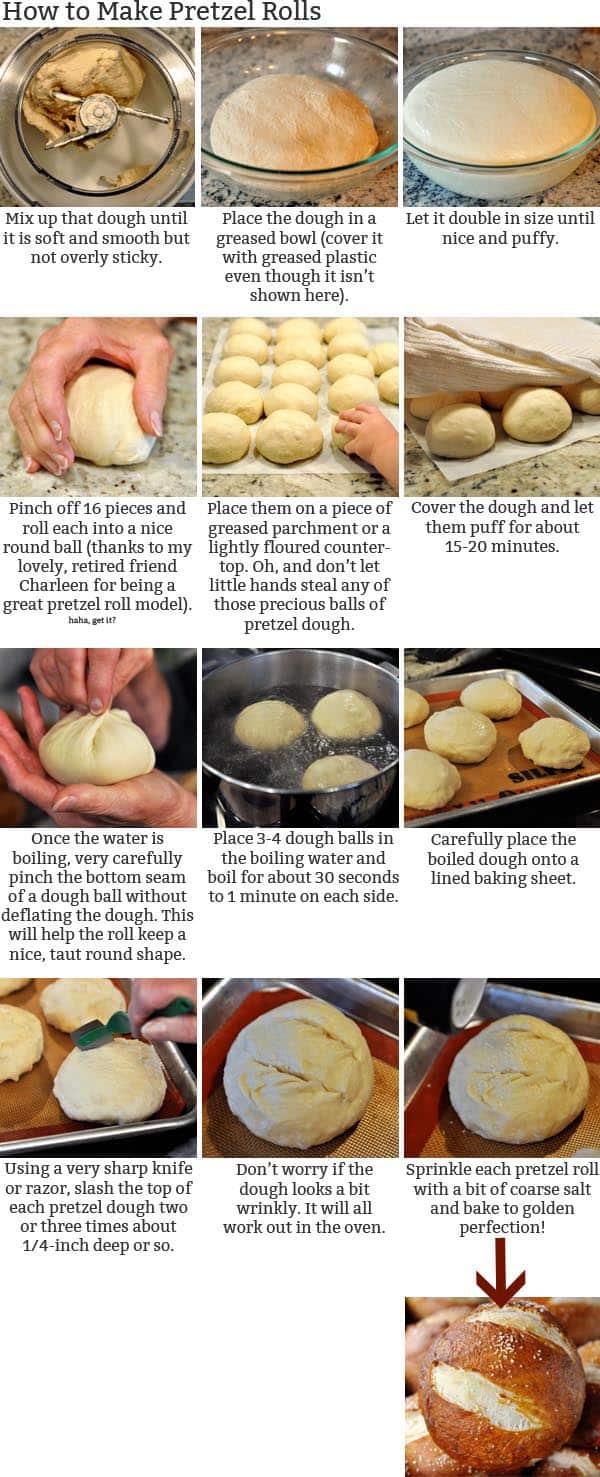
There are three primary ways to prepare fishing dough balls. Each delivers a different texture, durability level, and fishing application.
Boiled Dough for Maximum Toughness
The boiled method creates firm, long-lasting bait that mimics commercial carp boilies. This technique is ideal for catfish, carp, and situations where small fish steal bait before your target species arrives.
What You Need:
- Equal parts flour, cornmeal, and rolled oats
- Water, preferably from your fishing spot
- 1 raw egg per cup of dry mix
- Molasses, garlic, or other attractants
Steps:
- Mix dry ingredients in a bowl until uniform.
- Add wet ingredients and knead until you achieve a play-doh consistency.
- Roll balls from pea size to golf ball size, depending on your target species.
- Bring a pot of water to a rolling boil.
- Drop balls in and boil exactly 1 minute. Do not wait for them to float.
- Remove with a slotted spoon and allow to cool completely.
- Toss in flour, sand, or oatmeal to prevent sticking.
Pro Tip: Add chicken fat or fish oil to the boiling water to infuse extra scent into the bait.
Microwave Method for Rubber-Like Texture
This technique creates a stretchy, rubbery bait that clings to the hook. It works perfectly for bluegill and bream that peck rather than bite. One piece can catch multiple fish if you remold it between catches.
What You Need:
- ½ cup all-purpose flour
- Just enough water to form a lumpy ball
- Optional: vanilla, onion powder, or oily dressing used sparingly
Steps:
- Mix flour and water into a rough ball.
- Flatten into a ½-inch patty on wax paper.
- Dust with flour to prevent sticking.
- Microwave on medium power for 30 seconds.
- Pinch the edge. If it smears, cook 10 to 15 seconds more.
- Cool slightly and test texture. It should be pliable but not sticky.
Warning: Too much liquid creates soggy dough that will not set. Start dry and add water drop by drop.
Raw Kneaded Dough for Fast, No-Cook Use
This is the quickest method with no heat required. It works best for carp, buffalo, and catfish when you need bait immediately and plan to use it right away.
Basic Ratio:
- 2 parts flour
- 1 part cornmeal
- ½ part cottonseed meal
Steps:
- Mix dry ingredients thoroughly in a bucket or bowl.
- Add water gradually while kneading for about 5 minutes.
- Stop when the dough holds together without crumbling, breaks cleanly when pulled, and feels like play-doh.
Texture Fix:
- Too sticky: Add cornmeal
- Too dry: Add water drops
Bonus: Knead in garlic powder for catfish or blueberries for color and scent.
Best Dough Ball Recipes by Target Species

Match your bait to your target fish using these proven formulas.
Garlic-Infused Catfish Dough
Catfish rely heavily on smell. This recipe bombards their senses with a powerful garlic scent.
Ingredients:
- 1 cup flour
- ½ cup cornmeal
- ¼ cup cottonseed meal
- 1 raw egg
- 1½ cups water, preferably from your fishing hole
- 2 tbsp garlic powder (not garlic salt)
Steps:
- Mix dry ingredients together in a bowl.
- Add egg and water, then knead for 5 minutes.
- Flatten the dough and sprinkle garlic powder on top.
- Fold and knead again until the garlic is fully incorporated throughout the dough.
Pro Tip: Add chopped chicken liver or sardine oil for an even stronger scent trail that catfish cannot resist.
Corn-Molasses Bait for Carp and Buffalo
This sweet, golden bait releases slowly in the water, creating a long-lasting attraction zone.
Ingredients:
- 1 cup yellow cornmeal
- ½ cup corn flour
- 1½ cups water
- 1 to 2 tbsp molasses
Steps:
- Boil water and molasses together for 3 to 4 minutes, stirring constantly.
- Pour the hot liquid immediately into your dry mix.
- Stir vigorously with a wooden spoon.
- Let cool for 10 minutes, then knead gently.
- Adjust by adding cornmeal if too sticky or water if too dry.
Breakdown Control:
- More cornmeal creates faster breakdown for a chum effect
- More corn flour creates slower breakdown for extended hook time
Bluegill Special: Microwave Rubber Bait
Bluegill have tiny mouths but big appetites. This rubbery bait stays on the hook even when fish peck repeatedly.
Ingredients:
- ½ cup flour
- Water, just enough to congeal
- Optional: ¼ tsp vanilla, pinch of onion powder, drop of oily dressing
Steps:
- Mix flour and water into a lumpy ball.
- Flatten to ½ inch on wax paper.
- Microwave 30 seconds on medium power.
- Test by pinching. If it does not smear, it is ready. Add 10 to 15 seconds if needed.
Why It Works: The rubbery texture forces bluegill to suck the entire bait and hook into their mouths.
Kitchen Sink Experimental Batch
When you are unsure what the fish want, test multiple scents in one fishing trip.
Base Mix:
- ½ cup flour
- ½ cup cornmeal
- ½ cup rolled oats
- 1 raw egg
- Water to bind
Divide into 5 to 6 portions and add one attractant per batch:
- Garlic powder
- Crushed pepperoni
- Peanut butter
- Blueberries
- Crushed dog food
- Sardine juice
Cook all portions by boiling for 1 minute, then test each at the same spot to see which attracts the most strikes.
Hooking Techniques That Prevent Bait Theft
Even the best dough fails if it is not rigged correctly on the hook.
Use the Right Hook Size
- Panfish like bluegill and crappie: No. 12 wire hook
- Catfish and carp: Size 4 treble hook or strong circle hook
The Diamond Squeeze Method for Microwave Dough
- Take a microwaved dough patty.
- Squeeze between thumbs and forefingers, top and bottom, to form two matching domes.
- Insert the hook through the narrow center.
- The hook point is hidden, but the barb slides free when the fish strikes.
Result: Fish cannot nibble the bait off. They must fully engulf the hook to take the bait.
Full Coverage for Boiled Balls
- Mold dough completely around the hook.
- Leave only the hook eye exposed.
- Press firmly to eliminate air pockets that cause premature breakdown.
Pro Tip: Wrap dough around a pre-made boilie on a hair rig to create a scent-dispersing halo effect.
Fishing Tactics: Chum, Drop, and Catch

Dough balls work best when you combine them with smart presentation strategies.
Chum First, Fish Second
- Toss 5 to 6 small dough chunks into your fishing spot.
- Wait 30 to 60 seconds.
- If fish boil on the chum, drop your baited hook right into the frenzy.
Chum Variations:
- Flatten pieces to make them sink slowly for surface feeding fish
- Use dense balls to kick up mud and attract bottom-feeding catfish
Bottom Fishing for Catfish and Carp
- Skip the bobber entirely.
- Add a light split shot 6 to 12 inches above the hook.
- Cast near weed edges, drop-offs, or under docks.
- Let the bait sit. Catfish will root it out from the bottom.
Pocket Fishing for Minimalist Setup
Wrap 20 yards of 4 to 6 pound monofilament around a sanded wood block. Carry hooks and split shot in a small bag. Add a dough ball and you are ready to fish. This setup is perfect for hiking to remote ponds.
Storage: Keep Dough Fresh for Days or Months
Never run out of bait mid-trip by storing your dough properly.
Refrigerate for Up to 1 Week
- Store in zip-top bags or an airtight container.
- If dough hardens, add 2 to 3 drops of water and microwave for 10 seconds.
- Knead to restore softness.
Freeze for Long-Term Storage Up to 1 Year
You must boil the dough first. Raw dough becomes mushy when frozen.
Steps:
- Boil dough balls for exactly 1 minute.
- Cool completely.
- Pack in labeled freezer bags. Write “NOT FOOD, FISH BAIT” clearly on each bag.
- Freeze.
To Use: Thaw in the refrigerator overnight before your fishing trip.
Warning: Unlabeled bait has been mistaken for snacks. Always label clearly.
Field Storage Tips
- Keep dough in sandwich bags inside your tackle box or shirt pocket.
- Pre-form balls and skewer them on toothpicks for fast reloading during hot bites.
Troubleshooting Common Dough Ball Problems
Fix issues quickly with this quick-reference guide.
Bait Falls Apart in Water
Cause: Raw dough, no binder, or too much water.
Fix: Boil for 1 minute or microwave. Add raw egg or corn flour to improve binding.
Bait Slides Off Hook During Cast
Cause: Dough is too soft or poorly applied.
Fix: Use boiled or microwaved dough. Apply using the diamond squeeze method.
Dough Is Too Sticky
Cause: Over-hydrated mixture.
Fix: Toss in flour, sand, or oatmeal. Add cornmeal while kneading to absorb excess moisture.
Dough Is Too Hard or Dry
Cause: Overcooked or self-rising flour was used.
Fix: Use all-purpose flour. Reduce microwave time. Add water drops and re-knead.
Fish Are Pecking But Not Hooking
Cause: Hook is exposed or bait is too soft.
Fix: Use rubbery texture from the microwave method. Hide the hook point using the diamond technique.
No Bites? Boost Attraction
Add these proven attractants:
- Garlic powder
- Molasses
- Sardine oil
- Chicken liver
- Water from your fishing spot
Why Dough Balls Beat Store-Bought Bait
Homemade dough balls offer clear advantages over commercial options.
Cost Efficiency: A batch costs $1 to $2 versus $8 or more for small tubs of prepared bait.
Customizability: Adjust scent, color, and texture on the fly based on what the fish are responding to.
Eco-Friendly: Ingredients are 100% biodegradable. Leftover chum actually feeds the fish.
Kid-Friendly: Simple enough for children to mix, shape, and learn fishing basics.
Multi-Species Versatility: One bait catches bluegill, catfish, carp, trout, and more.
Pro Insight: A 50-pound bag of cottonseed meal costs about $14 and lasts for years, making it the cheapest high-performance attractant available.
Frequently Asked Questions About Dough Balls for Fishing
How long do dough balls last in the water?
Boiled dough balls last 30 minutes to several hours in the water, depending on water temperature and fish activity. Microwaved rubber dough lasts even longer because of its firm texture. Raw dough breaks down within minutes, making it best for quick fishing sessions.
Can I use dough balls for saltwater fishing?
Yes. Dough balls work for saltwater panfish and can be used as chum to attract mackerel and other species. The scent trail travels well in saltwater, though you may need to add stronger attractants like sardine juice.
What is the best dough ball recipe for beginners?
Start with the raw kneaded method using 2 parts flour, 1 part cornmeal, and enough water to form a play-doh texture. This requires no cooking and teaches you the basics of dough consistency before moving to more advanced techniques.
Do dough balls work for trout?
Yes. Dough balls catch trout, especially in murky water where scent matters more than visual appeal. Add bright food coloring or Kool-Aid for clear water situations. Trout respond well to sweet scents like vanilla and molasses.
Can I freeze raw dough balls?
No. Only boil dough balls before freezing. Raw dough becomes mushy and loses its binding properties when thawed. Always boil, cool, then freeze for long-term storage.
Why do my dough balls fall off the hook when casting?
This happens when the dough is too soft or not properly shaped around the hook. Use the microwave or boiled method for firmer texture. Apply the diamond squeeze technique to ensure the dough grips the hook securely during your cast.
Key Takeaways for Making Dough Balls for Fishing
Dough balls represent a fishing strategy, not just bait. By controlling breakdown rate, scent strength, and hook security, you turn simple ingredients into precision fishing tools. The boiled method creates tough, long-lasting bait for catfish and carp. The microwave method produces rubbery bait that stays on the hook for bluegill and panfish. The raw kneaded method offers quick, no-cook bait for immediate use.
Choose your method based on your target species and fishing conditions. Experiment with the kitchen sink batch to discover what local fish prefer. Store properly by freezing boiled balls for months of ready-to-use bait. Make a batch this weekend, test a new scent, and watch your catch rate climb.