Anise oil is a time-tested fish attractant that anglers have used for over 40 years to boost bite rates, especially when fish are sluggish due to cold fronts or heavy fishing pressure. Its sweet, licorice-like scent masks human odors and the chemical smell of new plastic lures, while creating a strong underwater trail that draws in bass, crappie, trout, and catfish. Unlike fish-based scents, anise oil will not leave a lingering fishy stench on your hands or gear, making it ideal for home use.
You do not need to buy expensive commercial attractants. With just a few inexpensive ingredients from your local grocery or pharmacy, you can make effective anise oil at home for just a few cents per batch. This guide breaks down the best DIY methods, warns against common mistakes, and shows how to apply and store your homemade oil for maximum results on the water.
Boil Anise Seeds in Mineral Oil
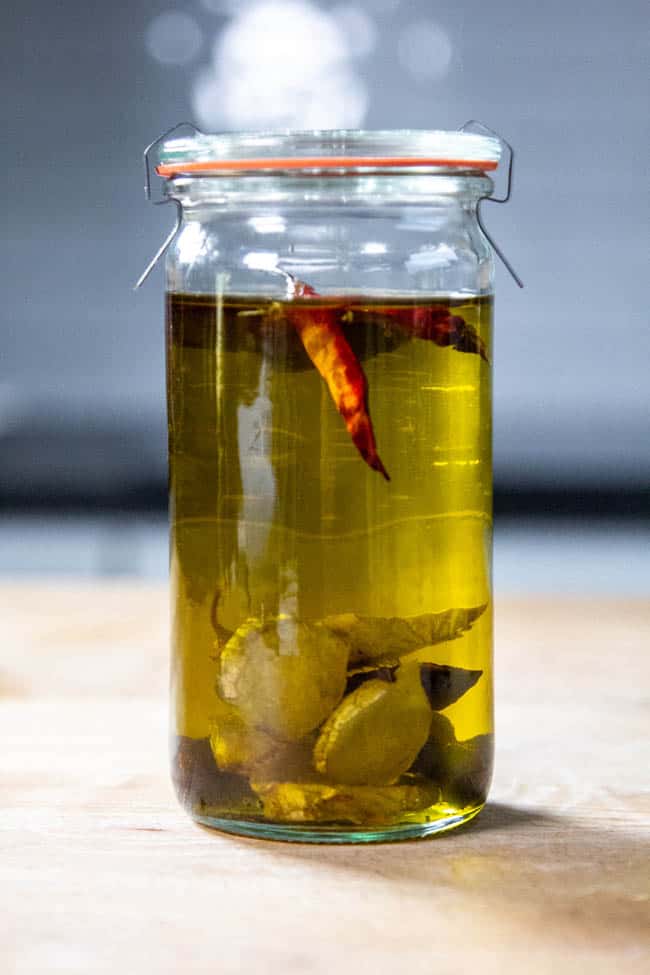
This is the most popular and cost-effective method for making fishing-grade anise oil at home. It produces a potent, oil-based infusion that safely preserves soft plastics without degradation.
Use Grocery Store Anise Seeds
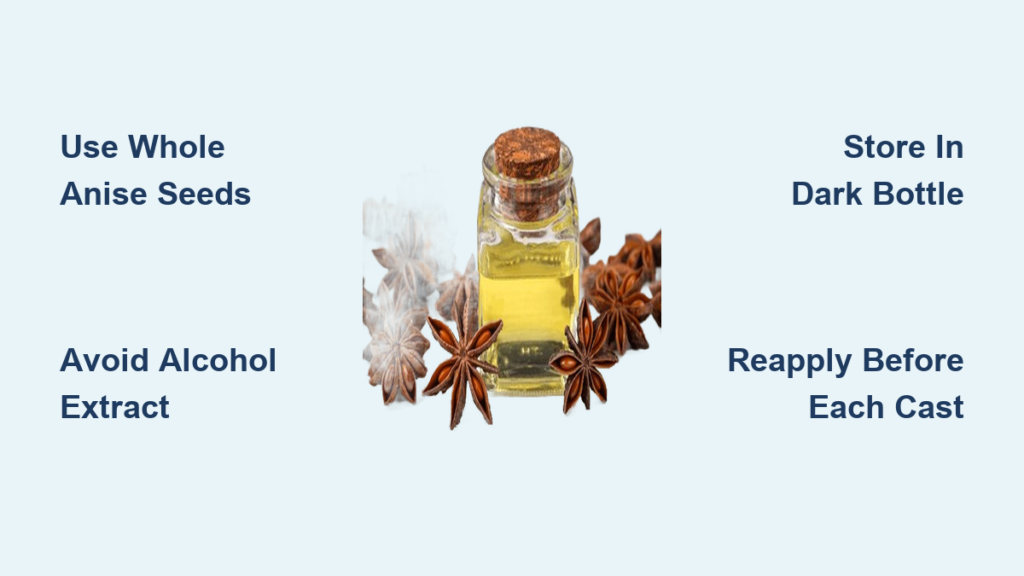
Start with whole anise seeds, available in the spice aisle for about $0.79 per pack. These seeds contain the aromatic compounds that attract fish. While not as concentrated as pharmaceutical-grade essential oil, they deliver solid performance when properly infused.
Avoid anise extract from the baking section because it is typically 70% alcohol and will break down soft plastics over time. Always use whole seeds, not ground, for better control and longer shelf life.
Heat With Mineral Oil Safely
Combine 2 to 3 packs of anise seeds with 1 cup of mineral oil or baby oil in a small saucepan. Heat on low to medium, stirring gently. Watch closely because once the strong licorice aroma fills the air, remove from heat immediately. Overheating burns the oil and creates a foul, long-lasting odor in your kitchen.
Let the mixture cool overnight to allow full extraction of scent compounds. Extended steeping increases potency without risk of spoilage.
Strain and Store Properly
Strain the cooled oil through cheesecloth or a fine mesh strainer to remove seed particles. This prevents clogging spray nozzles and ensures a smooth finish.
Transfer to an airtight container, preferably a dark glass spray bottle to protect from light. Label clearly to avoid confusion with cooking oils. Store in a cool, dark place, such as your tackle box or kitchen drawer.
Pro Tip: Re-infuse the same oil with fresh seeds to strengthen the scent over time.
Buy Pure Anise Essential Oil

For maximum effectiveness, skip the DIY process and buy 100% pure anise essential oil, available at most pharmacies.
Choose Pharmacy-Grade, Not Grocery Store
Pharmacies sell true anise essential oil at around $5.99 per ounce. This is far stronger than homemade versions and does not contain alcohol. In contrast, supermarket anise oil is often just alcohol-based extract, which evaporates quickly and damages plastisol baits.
65pontiac warns: Anise extract typically contains about 70% alcohol. Stick to essential oil, not extract.
Use for Dipping or Mixing
Pure anise oil can be used directly to dip lures or mixed into commercial sprays for enhanced performance. Add one-half ounce of pure oil to a bottle of Baitmate Classic or Fish Formula II for a custom super-attractant.
Seattle Hill Soap Company offers a fishing-specific kit with 0.5 fluid ounces of pure anise oil, ideal for anglers who want ready-to-use potency.
Mix Effective Scent Blends

Pure anise oil works well alone, but blending it with other ingredients boosts attraction, lubrication, and longevity.
Blend With Baby Oil for Longevity
Mike L recommends mixing 1 part anise oil to 2 parts baby oil. This dilution creates a subtler, longer-lasting scent trail and improves adhesion to lures.
The benefits include smoother application, reduced waste, and added lubrication in weeds. This blend works best for frequent casters and anglers fishing heavy cover.
Combine With Glycerin for Suppleness
Glycerin, available in drugstores, is odorless, non-toxic, and helps keep soft plastics flexible. WRB-2.0 suggests mixing it with pure anise oil to prevent plastic degradation, add slickness for weedless presentations, and extend lure life.
Use a 1 to 1 ratio of glycerin to anise oil for optimal texture and performance.
Add Fresh Garlic for Extra Pull
ATA mixes anise oil with cooking oil and fresh garlic for a powerful dual-scent blend. Garlic appeals to catfish and panfish, while anise covers plastic odors.
Use fresh garlic only because stale garlic turns rancid and repels fish. Infuse the mixture for 2 to 4 hours, then strain before use. Discard after one day to avoid spoilage.
WRB-2.0 cautions: Old garlic loses potency fast and can ruin your mix.
Try Crayfish-Anise Fusion
Rich12 blends crushed crayfish with mineral oil and 3 to 4 drops of anise oil. The natural scent of crayfish mimics a bass favorite meal, while anise amplifies the signal.
This blend is effective for largemouth and smallmouth bass. The drawback is a strong odor, so it is best made outdoors. Use within 24 hours.
Apply Oil Correctly for Maximum Bite
How you apply anise oil matters as much as the recipe. Use these proven techniques to keep fish interested.
Dip Lures Before Every Cast
For crappie and bass, dip your grub or worm in anise oil before each cast. This ensures a fresh scent trail with every presentation.
This method works best for slow presentations, dock shooting, and vertical jigging. Reapply often, especially after snags or in fast current.
Spray for Even Coverage
Use a labeled spray bottle to apply oil evenly across multiple lures, hooks, and soft plastics.
Mix 2 ounces cod liver oil with 10 to 15 drops pure anise oil for a sticky, long-lasting formula. Spray lightly because too much can oversaturate and weaken plastics.
Soak Baits Overnight
For deep scent infusion, soak soft plastics in anise oil for 6 to 12 hours. This works especially well with BPS XPS grubs and other premium plastics.
Avoid alcohol-based liquids because they cause brittleness. Rotate baits to prevent clumping and uneven absorption.
Lubricate With Worm Juice
Catt uses anise oil as worm juice, a slick coating that helps lures slide through grass and brush.
Mix with glycerin or Lunker Lotion for extra glide. Apply to both lure and line before fishing heavy cover.
Dress Hooks With Scented Foam
Cut foam earplugs into one-fourth-inch pieces, soak in anise oil, and thread onto the hook above a soft plastic. The foam releases scent slowly, adds slight buoyancy, and stays in place during casts.
Replace after a few uses or when scent fades.
Target Key Species Effectively
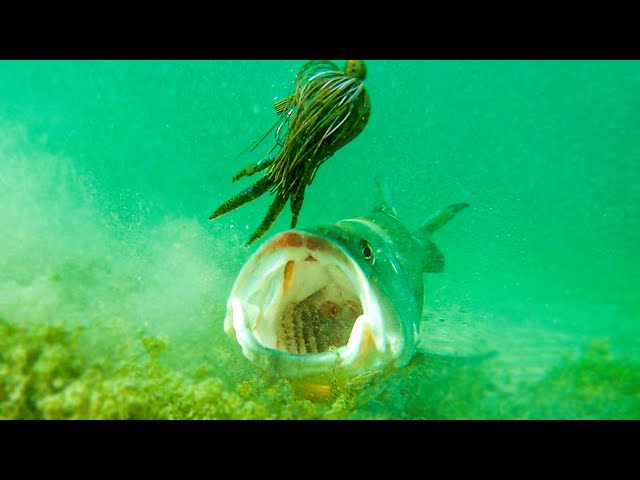
Anise oil works across species, but some respond better than others.
Crappie: Immediate Bite Trigger
In controlled tests, dried guppies soaked in anise oil drew instant pecking from crappie. One angler landed a 6 to 7 inch slab within minutes, followed by a second fish, indicating the scent stimulated schooling behavior.
The best method is to dip small jigs or grubs before each cast. Ideal conditions include post-frontal, high-pressure days.
Bass: Preferred Over Garlic
Most bass anglers, including coldfront and Catt, prefer anise to garlic. It masks human scent and plastic odors effectively.
The top lure is BPS XPS grubs, pre-scented with anise. Note that Spankey reports river smallmouth may prefer garlic, so test both.
Trout, Salmon, Catfish: Broad Appeal
Anise oil attracts trout and salmon in both freshwater and saltwater. When paired with oily bait or chum, it enhances feeding response.
Catfish respond well, especially when anise is blended with fresh garlic or stink bait.
Store Oil to Extend Shelf Life
Proper storage keeps your anise oil effective and ready to use.
Use Airtight, Dark Containers
Transfer oil to dark glass bottles or spray bottles with tight seals. Light and air degrade potency over time.
Clear plastic bottles reduce shelf life. Always label clearly and never store near food oils.
Keep Cool and Dry
Store in a cool, dark place, like your tackle box or a kitchen cabinet away from the stove.
Homemade mineral oil infusions last several months. Pure anise essential oil lasts years if sealed. Organic blends with garlic or crayfish last only 1 to 3 days.
Shake Before Use
Oil and carrier liquids may separate over time. Shake well before each use to recombine.
Avoid Common Mistakes
Even small errors can reduce effectiveness or damage gear.
Never Use Alcohol-Based Extract
Grocery store anise extract contains alcohol, which degrades soft plastics, evaporates too quickly in water, and leaves no lasting scent trail.
65pontiac advises: Stick to essential oil, not extract.
Do Not Burn the Oil
Overheating during DIY prep creates a burnt licorice smell that is hard to remove from your home. Remove from heat as soon as the scent rises, and do not wait for boiling.
Skip Garlic Salt and Coffee Grounds
Garlic salt contains fillers and anti-caking agents, so use garlic powder only. Coffee grounds are messy and ineffective because fish ignore them.
Do Not Confuse Oil With Extract
RetiredRR puts it best: Anise oil for fishing and anise extract for hunting. Use the right product for the job.
Save Money With DIY
Homemade anise oil costs pennies per batch, a fraction of commercial prices.
| Product | Cost | Notes |
|---|---|---|
| Anise seeds | $0.79/pack | Makes multiple batches |
| Mineral oil | $3-$5 | Reusable carrier |
| Pure anise oil | $5.99/oz | Strongest option |
| Baitmate spray | $8-$10 | Enhanced with DIY oil |
| Lunker Lotion | $7-$10/oz | Commercial alternative |
freakyfish confirms: Homemade oil offers massive savings with comparable results.
Frequently Asked Questions About Making Anise Oil for Fishing
What is the best base oil for making anise oil at home?
Mineral oil or baby oil works best as a carrier oil because it is odorless, non-toxic, and will not degrade soft plastics. Avoid cooking oils because they can go rancid and may contain strong odors that repel fish.
Can I use grocery store anise extract instead of essential oil?
No. Grocery store anise extract typically contains about 70% alcohol, which evaporates quickly in water and breaks down plastisol soft baits. Always use whole anise seeds for DIY oil or pure anise essential oil from a pharmacy.
How long does homemade anise oil last?
Pure anise essential oil lasts several years when stored properly. DIY mineral oil infusions last several months. Blends containing organic ingredients like garlic or crayfish should be used within 1 to 3 days.
Does anise oil work for all fish species?
Anise oil works well for bass, crappie, trout, salmon, and catfish. Bass and crappie respond most strongly. Some anglers report that river smallmouth prefer garlic over anise.
How often should I reapply anise oil to my lures?
Reapply before every cast for best results, especially when fishing in fast current or after snagging your lure. For soaked baits, refresh the scent every few hours or when you notice it fading.
Key Takeaways for Making Anise Oil for Fishing

Anise oil remains one of the most effective, low-cost fish attractants available to anglers. Whether you choose the DIY route with anise seeds and mineral oil or invest in pure pharmaceutical-grade essential oil, the key lies in using the right ingredients and applying them correctly. Avoid alcohol-based extracts that damage soft plastics, store your oil in dark airtight containers, and reapply frequently during active fishing sessions.
The homemade method costs only pennies per batch and works well for budget-conscious anglers. For maximum potency, blend pure anise oil with commercial sprays or mix it with glycerin for enhanced lubrication. Whatever method you choose, anise oil gives you a proven edge on the water.